




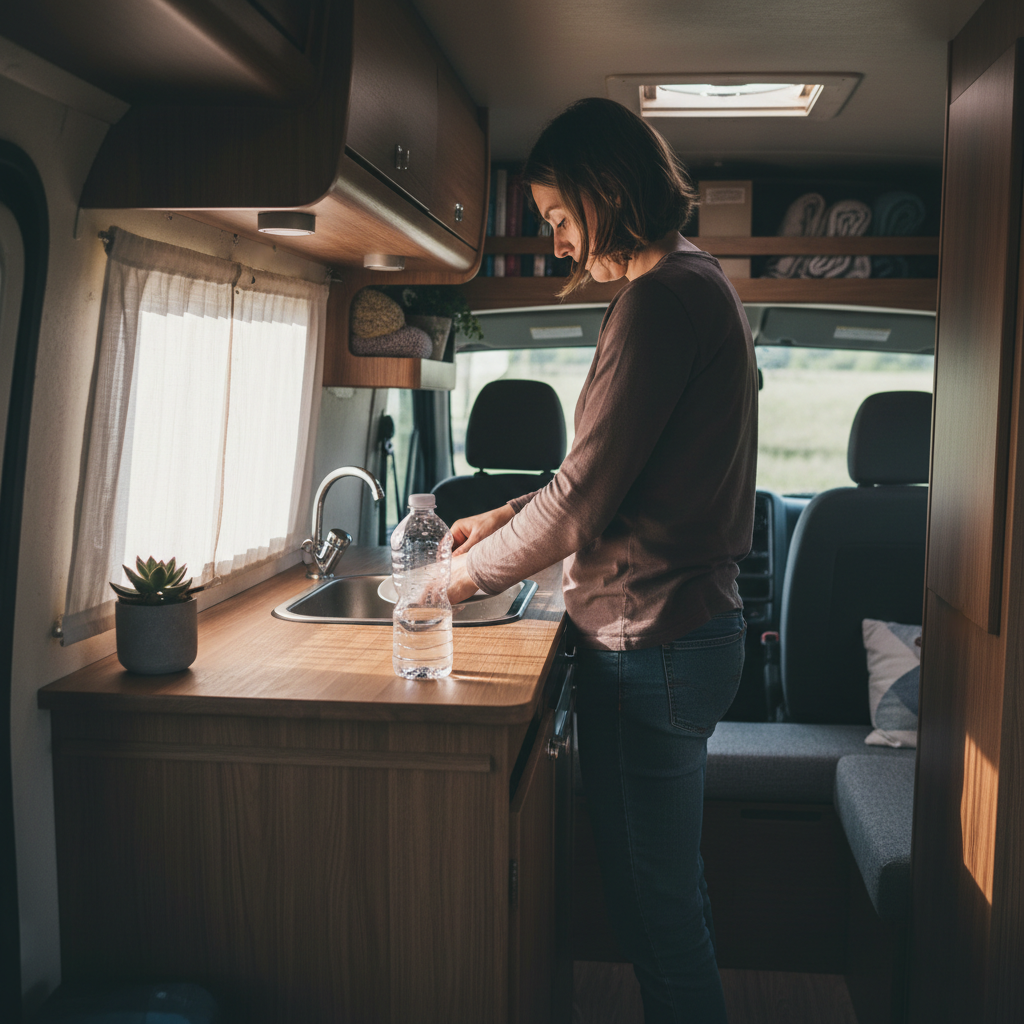


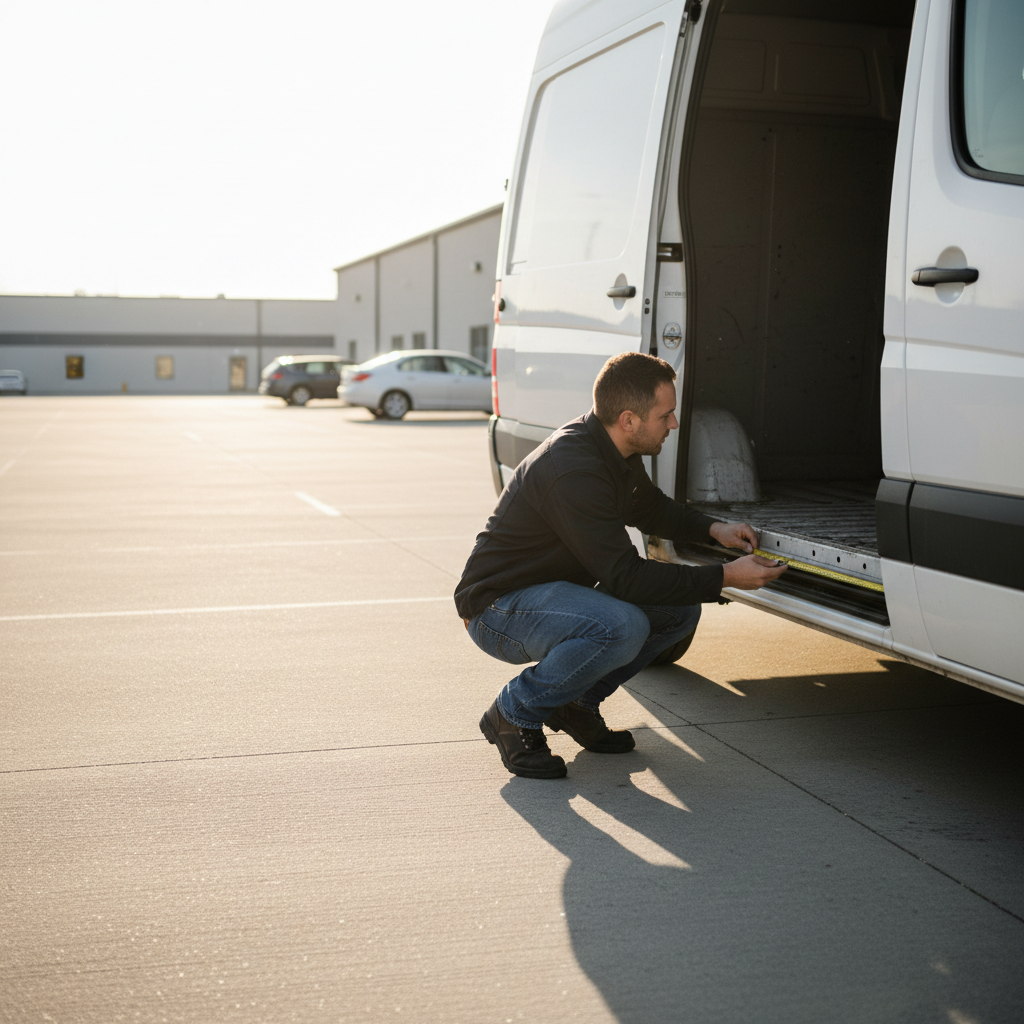



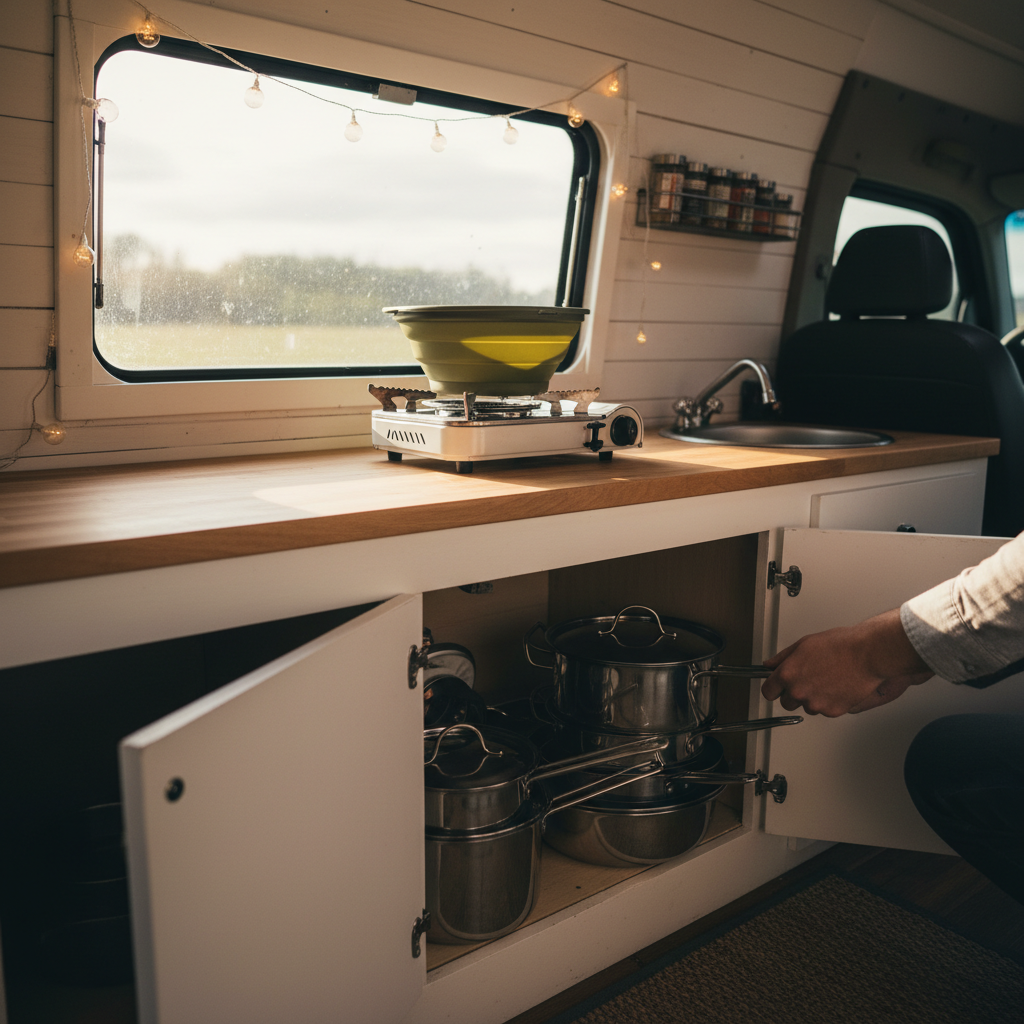
Van kitchen outfitters will tell you to measure your storage cavity before you buy a single pan, and there's a reason that advice comes first. Collapsible cookware and nesting sets both promise to solve the same problem, but they solve it through opposite mechanisms, and the one that fits your build depends on factors most product pages skip entirely.
The core tension is this: collapsible gear compresses vertically, which sounds ideal until you realize most van cabinet depths run horizontal, not vertical, and that changes the math completely. Nesting sets, by contrast, stack laterally inside each other and can drop into a surprisingly shallow drawer without complaint.
Neither option is universally better. The honest answer depends on how often you cook real meals versus heat water, whether you're in a high-roof build with vertical cabinet space or a low-roof conversion where every inch is horizontal, and what material you're willing to maintain. This article is for van dwellers making that call, not backpackers or RV owners with dedicated kitchen bays.
Why Cookware Geometry Matters More Than Capacity
The first committed specific worth knowing: a standard nesting set of four pieces typically occupies a footprint of roughly 9 to 10 inches in diameter and stacks to about 5 to 6 inches tall. A collapsible silicone pot of comparable volume collapses to under 2 inches tall but retains that same 9-inch diameter. So the question isn't which is smaller overall. It's which dimension you have to spare.
Or rather: the real decision gate isn't volume, it's which axis in your cabinet is constrained. If you're working with a slide-out drawer that's 4 inches deep but 12 inches wide, a collapsible pot that flattens to 1.5 inches wins easily. If you have an open vertical locker 14 inches tall, a nesting set drops straight in and leaves room for a lid rack on top.
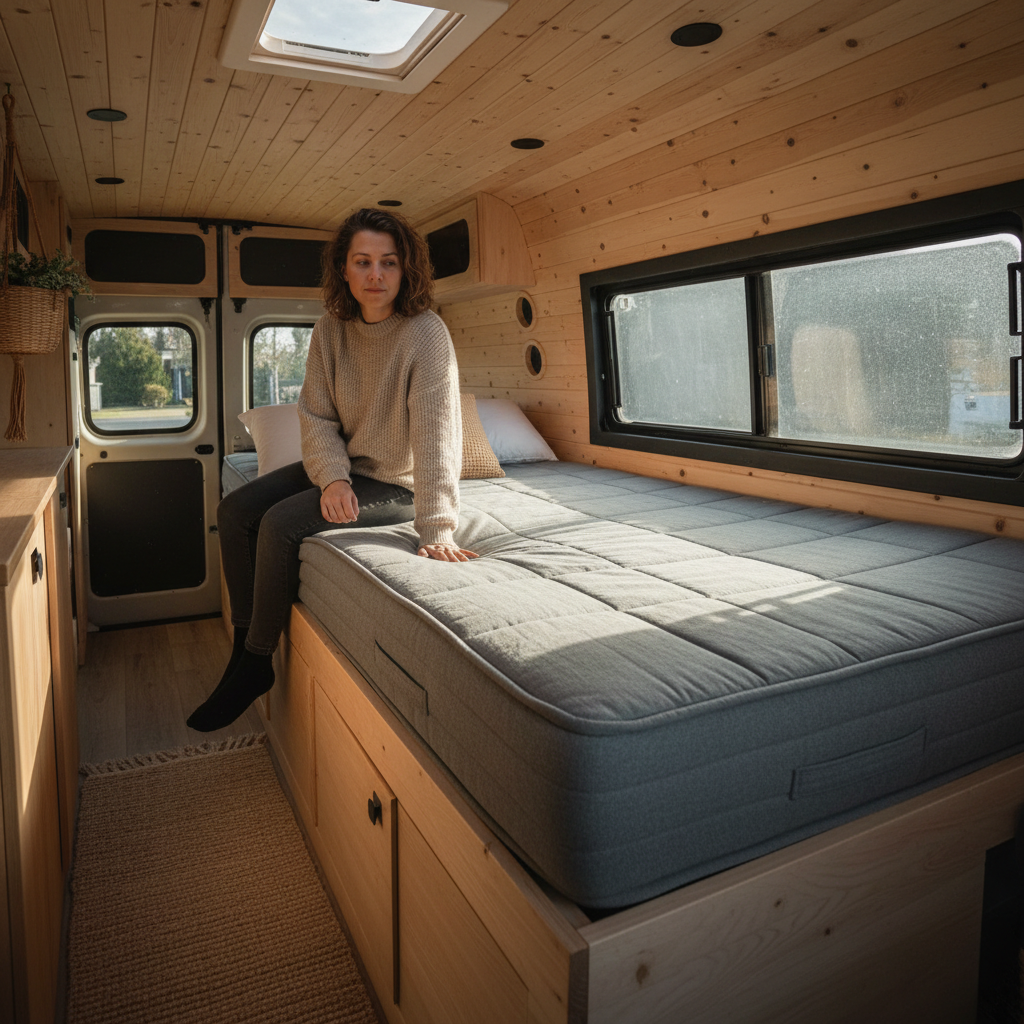
This is where the geometry argument changes the recommendation: van builds with under-bed storage, which accounts for a significant portion of DIY conversions using standard platform bed frames, almost always have more horizontal spread than vertical drop. A nesting set fits those cavities better than any collapsible kit on the market today, because collapsible cookware still needs horizontal clearance equal to its expanded diameter whether collapsed or not.
The mechanism matters beyond just fit. Nesting sets transfer heat through solid metal bases, typically stainless steel or hard-anodized aluminum, which maintain contact with the burner consistently. Collapsible silicone pots rely on a metal base plate surrounded by flexible walls, and that junction is where heat behavior changes. The base heats efficiently; the walls don't conduct, which means liquid heats faster than food sitting against the sidewall. For boiling water or making soup, that's irrelevant. For sautéing or reducing a sauce, it produces uneven results that a solid pan simply avoids.
What Collapsible Cookware Actually Does Well
Collapsible cookware earns its keep in one specific scenario: builds where storage is genuinely multi-purpose. If the same cabinet stores your cookware, a water jug, and rolled clothing, collapsible pieces create vertical clearance that a nesting set cannot. GSI Outdoors and Sea to Summit both make silicone-walled collapsible pots that compress to under 2 inches, and at that profile, you can lay a cutting board flat on top of them inside the same compartment.
But the cooking limitations are real and worth naming directly. Silicone walls are a poor substitute for metal sidewalls when you're doing anything beyond boiling. The lack of conducted heat up the walls means a 2-quart collapsible pot performs more like a kettle than a saucepan. That framing misses something, though: for the majority of van cooks who are making oatmeal, instant noodles, French press coffee, and reheated leftovers, a kettle-like tool is exactly what they need.
Collapsible mugs and bowls, as opposed to full pots, are where the format shines without reservation. They weigh almost nothing, compress to a stack you can fit in a jacket pocket, and survive drops onto pavement better than any ceramic alternative. If your cooking setup centers on a single burner and a pour-over routine, a collapsible kit makes a lot of sense. If you're cooking actual meals three nights a week, it starts showing its limits fast.
Nesting Sets: The Case for Conventional Geometry
A nesting cookware set designed for van or overlanding use, something like the GSI Outdoors Pinnacle Camper or the Stanley Adventure Base Camp Cook Set, gives you a full metal interior on every piece. No silicone junctions, no heat distribution surprises. You also get lids that double as frying pans, which is a genuine space multiplier rather than a marketing claim.
The tradeoff is weight. A four-piece hard-anodized aluminum nesting set typically runs 2.5 to 3.5 pounds. A comparable collapsible silicone kit is closer to 1 to 1.5 pounds. In a van, that weight difference is unlikely to affect anything meaningful, unlike in a backpacking context where every ounce competes with sleep gear. Most van dwellers I've seen agonize over this number end up realizing their water supply weighs forty times more than the cookware choice they spent a week researching.
What you don't get with nesting sets is meaningful height reduction. Even the most compact four-piece nesting set has a collapsed profile of 5 inches or more. If your storage is genuinely shallow, that's a constraint. And some nesting sets have lids that don't nest cleanly, leaving awkward gaps that waste the stack's geometry. Check actual nested dimensions before buying, not the expanded dimensions listed as the product size, which is a distinction most buyers skip until burned.
I'd start with a nesting set for any van build where cooking real food is a priority. The heat consistency alone justifies the footprint in most cases, and the lid-as-pan design eliminates the need for a separate skillet.
When Each Option Fails
Collapsible cookware fails the van cook who didn't account for one specific detail: silicone walls degrade with repeated high-heat exposure over time. The food-grade silicone used in quality products like the GSI Outdoors Escape collapsible cookware is rated for temperatures above 400°F, but repeated thermal cycling over months of daily van cooking accelerates wear at the base-to-wall junction. That junction is also where food debris concentrates, and cleaning it thoroughly requires more effort than wiping out a smooth aluminum interior.
Nesting sets fail when the storage cavity is genuinely shallow and fixed. Under-seat storage in many factory van conversions, including some popular Sprinter and Transit aftermarket builds, tops out at 4 inches of usable vertical clearance. No standard nesting set fits that space expanded or collapsed. If you're working with a fixed shallow cavity and can't modify it, collapsible pieces are your only real option regardless of cooking performance preferences.
And if you ignore this decision entirely and grab whatever pan was cheapest at a big-box store, the consequence isn't just wasted drawer space. A full-size skillet that doesn't store flat forces you to improvise every time you close a cabinet, which leads to the pan rattling loose on rough roads, which leads to bent handles, dented pans, and eventually a replacement purchase anyway. Buy for your storage geometry once, or buy twice.
Making the Call for Your Build
Check storage depth, cook frequency, and silicone tolerance before you decide anything else. Those three inputs settle the question for most people.
| Factor | Collapsible Cookware | Nesting Set |
|---|---|---|
| Cabinet depth available | Under 3 inches: strong advantage | 5+ inches: fits well |
| Cooking style | Boiling, reheating, hot drinks | Full meals, sautéing, reducing |
| Weight sensitivity | Lighter by 1-2 lbs | Heavier, negligible in vans |
| Heat distribution | Base only, walls don't conduct | Full metal, consistent sidewall heat |
| Long-term durability | Junction wear with daily high heat | Hard-anodized lasts years |
| Lid utility | Collapsible lids, limited dual use | Lid doubles as frying pan |
The table above isn't a tiebreaker. It's a way to see which column your actual situation points to more than three times. If collapsible wins on depth alone but nesting wins on everything else, you either modify your storage or accept the cooking tradeoff consciously.
The cookware decision is really a storage architecture decision dressed up as a gear question. Solve the storage geometry first, and the cookware choice follows almost automatically.
What you won't find in this article is a recommendation for specific induction-compatible van setups or multi-burner propane systems. That's a separate build decision with different weight and ventilation constraints, and conflating it with cookware selection muddies both choices.