
Experienced van travelers will tell you to avoid holiday weekends for a first trip before they discuss anything else, and there's a reason for that. The skills gap between a seasoned van camper and a first-timer gets widest precisely when campgrounds are at capacity, cell service is jammed, and every trailhead parking lot looks like a county fair.
A first van trip on a holiday weekend isn't impossible. But the conditions that make it hard are specific and predictable, and most people who've had a rough first experience hit all of them at once without realizing they were stackable problems.
The real tension here is that holiday weekends feel like the obvious time to go. You have three days instead of two, you're excited, the weather is usually good. But those same conditions are driving hundreds of thousands of other people to the same finite number of campsites. Whether that tension kills your trip depends on a few variables: where you're going, whether you've already secured a reservation, and how you handle things when a plan falls apart on the road.
What Actually Changes on a Holiday Weekend
The core issue isn't crowds in the abstract. It's that holiday weekends compress three specific problems into the same 72-hour window.
First: campsite availability collapses. Recreation.gov, which manages reservations for most federal campgrounds run by the Forest Service and National Park Service, releases sites six months in advance. For Memorial Day, Labor Day, and Fourth of July weekends, desirable sites at popular campgrounds are typically gone within minutes of that release window opening. If you're reading this article after the holiday is already two weeks away, a reservation at a named federal campground is probably not happening unless you're willing to work the cancellation refresh.
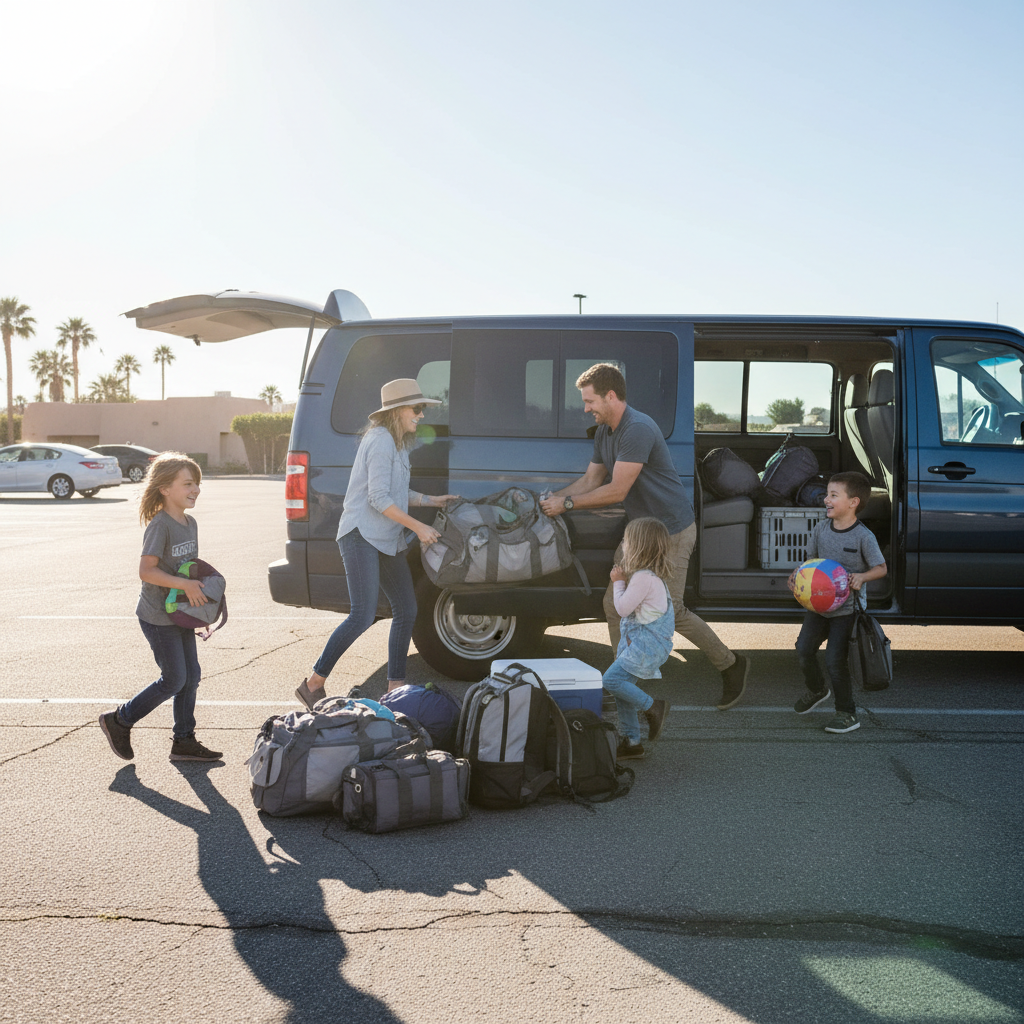
Second: drive times roughly double on holiday Fridays in most metro corridors. The Federal Highway Administration tracks vehicle-miles traveled and consistently shows Friday afternoon holiday departures as peak-traffic events. A four-hour drive from a major city to a mountain destination can stretch to seven or eight hours. For a first van trip, that's not just uncomfortable, it's a setup for arriving at your campsite exhausted and in the dark, which is exactly when van setup mistakes happen.
Third: first-come, first-served overflow sites fill by Thursday night. This is the option many people assume is their backup. It isn't, on a holiday weekend. The overflow regulars know to arrive Wednesday or Thursday to claim a spot. If you're arriving Friday evening expecting to find a walk-up site, you're likely sleeping in a Walmart parking lot, which is a fine van skill to have, but not the introduction to van travel you were hoping for.
Or rather: the parking lot problem is a symptom of a deeper issue. First van trips succeed when conditions are forgiving enough to absorb your learning curve. Holiday weekends are the least forgiving conditions that exist in the van camping calendar.
Where the Logic Breaks Down (The Honest Case For Going)
The case against holiday weekends is strong, but it applies to specific situations. It doesn't apply to all of them.
If you already have a confirmed reservation at a campsite you've researched, the crowd problem is already solved. You have a site. Your arrival time is still important, but you're not competing for real estate. In that scenario, the extra day is a genuine advantage for a first trip. Three nights instead of two gives you time to make a mistake on night one, recover, and still have two good nights left.
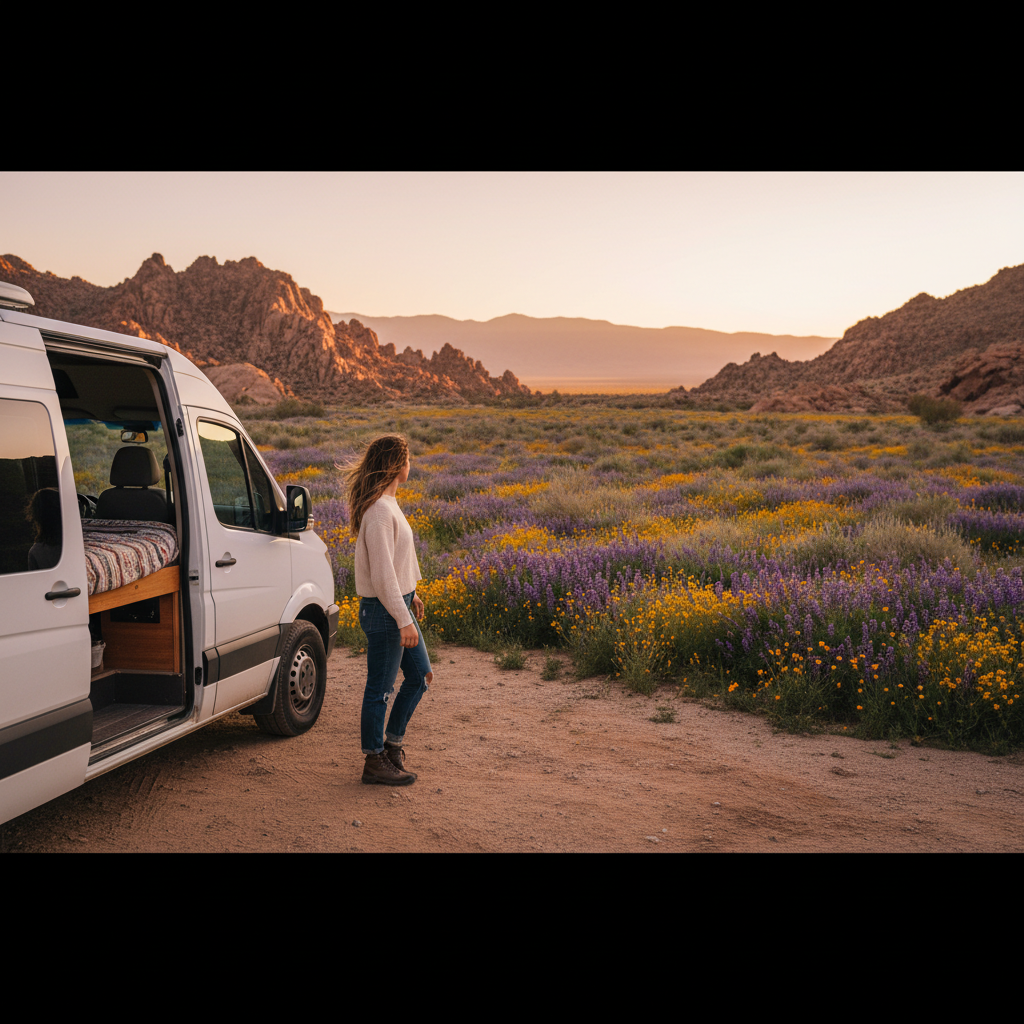
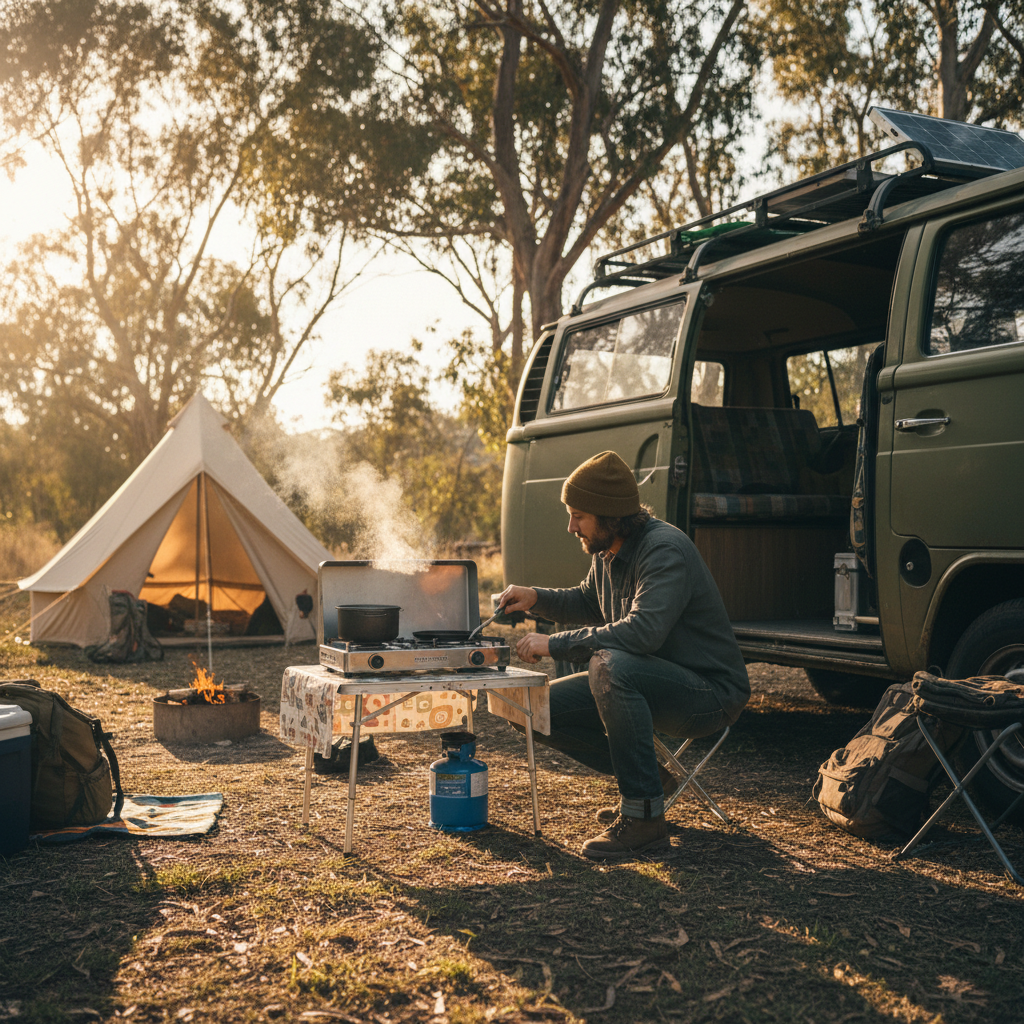
The geography also matters more than most guides acknowledge. Holiday weekends at well-known national parks (Yosemite, Zion, Rocky Mountain) are genuinely brutal in terms of traffic and campground saturation. Holiday weekends at lesser-known national forests, Bureau of Land Management dispersed camping areas, or state parks in less-trafficked regions can be surprisingly manageable. Dispersed camping on BLM land doesn't require a reservation at all, and while popular BLM areas do get busy on holidays, the sheer quantity of available land means the pressure is distributed differently than at a gated campground with 40 numbered sites.
The alternative most people are actually comparing against is a regular Saturday-Sunday weekend. Put side by side, a mid-week trip from Tuesday to Thursday is the clearly better first-trip option: fewer people, more sites, cheaper fuel at some stations, and dramatically easier road conditions. If a mid-week trip isn't possible because of work, the question becomes which regular weekend to pick, not whether to go on a holiday. A standard non-holiday weekend in late spring or early fall beats both a holiday weekend and a peak-summer weekend for a first trip. The campground competition is lower and the weather is often better.
The Variables That Actually Decide This
Before committing to a holiday weekend first trip, work through these four questions honestly. They determine whether the standard advice applies to you or not.
Do you have a confirmed campsite reservation? If yes, the availability problem is off the table. If no, you are betting on a walk-up site during the highest-competition weekend of the year. That's a bad bet for a first trip.
Is your destination a gateway national park or a dispersed public land? Gateway parks concentrate massive traffic into a single entry point and a small number of campgrounds. Dispersed BLM land distributes that pressure over thousands of acres. These are not equivalent experiences on a holiday weekend.
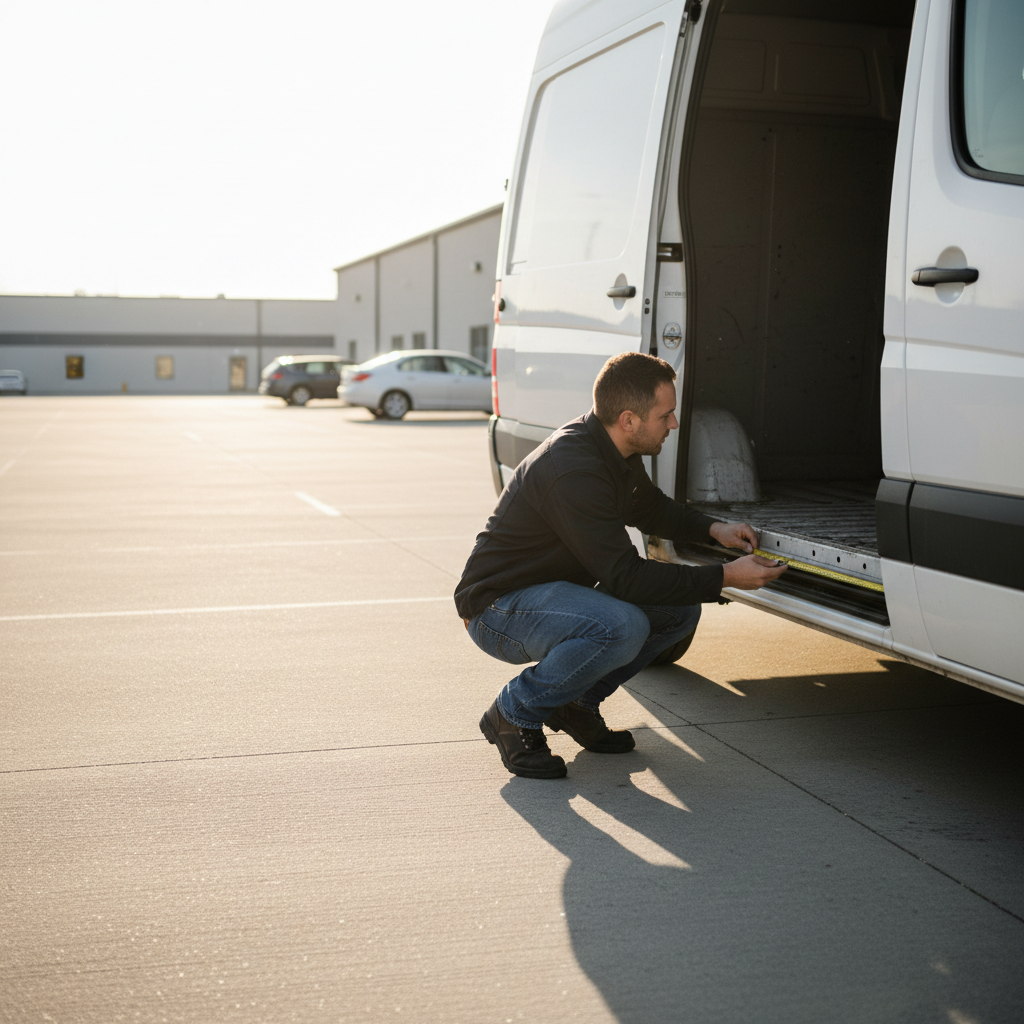
Have you driven the van on a trip of any length before this one? Even a shakedown drive of two to three hours helps you identify mechanical issues, figure out your fuel consumption rate, and get comfortable with the vehicle's height clearance before you're navigating a crowded campground in the dark at 9 PM.
What's your failure tolerance? This isn't a soft question. A first trip where you can't find a site, spend the night in a parking lot, and drive home the next day can be funny in retrospect or demoralizing enough to put you off van travel entirely. Knowing which one you are is useful information.
A common guideline among van communities is to treat your first trip as a 24-to-48-hour shakedown, not a full destination trip. That framing matters on a holiday weekend: if you think of it as a test run with a destination as a bonus, a parking lot overnight doesn't feel like failure. If you think of it as your first real adventure, it does.
How to Go on a Holiday Weekend Without Regretting It
If a holiday weekend is genuinely your only option, a few specific moves close most of the gap between holiday conditions and ideal conditions.
Lock the reservation first, and do it six months out. Set a calendar alert for Recreation.gov's release date for your target campground and be ready to book the moment it opens. Popular sites at places like Acadia or Olympic fill in minutes. If you miss the release, check the cancellation feed daily starting about 30 days out, when trip-change penalties drop and people start releasing reservations.
Depart Thursday night or very early Friday morning. On most Interstate corridors, traffic volume spikes dramatically after noon on holiday Fridays. Departing at 5 AM Friday or driving Thursday evening puts you ahead of most of the wave. This single change probably saves two to three hours on routes serving major recreation areas.
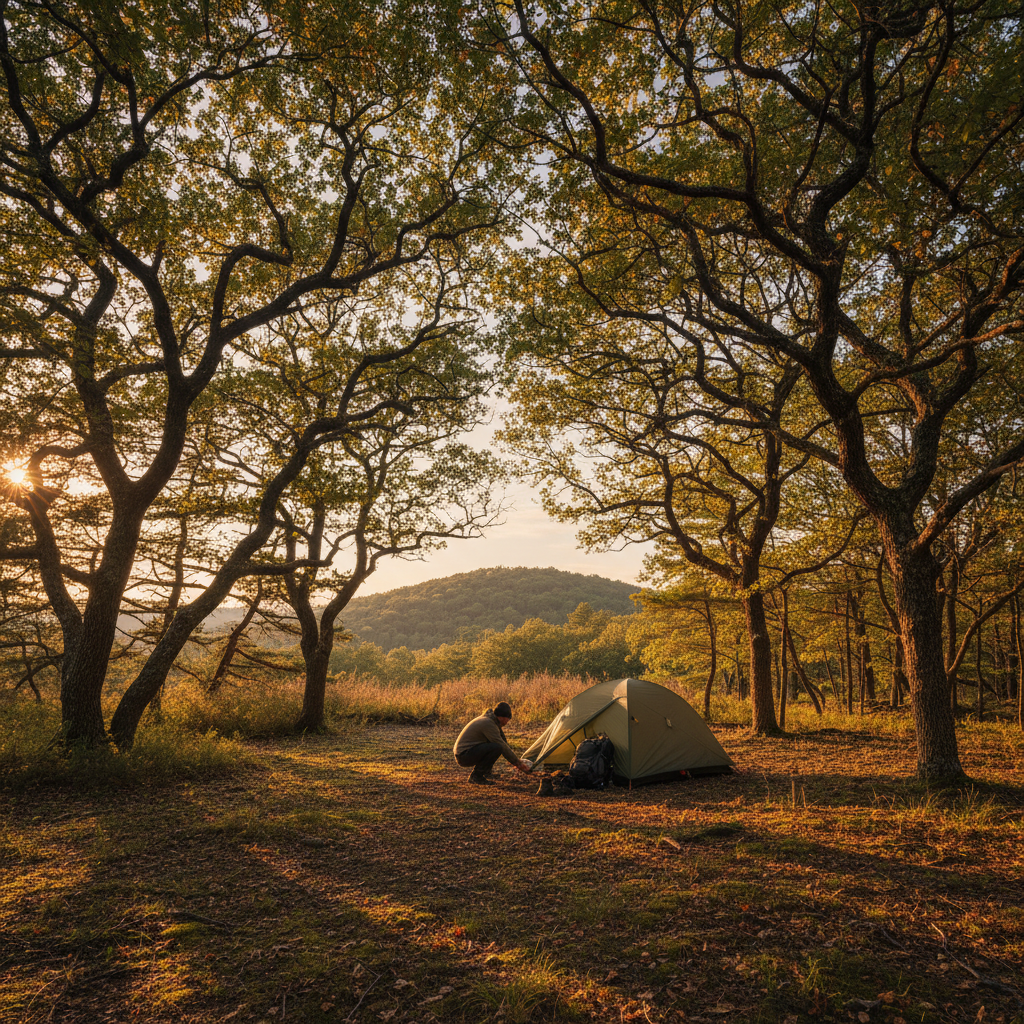
Choose BLM dispersed camping if you don't have a reservation. The BLM manages roughly 245 million acres of public land in the western United States, and dispersed camping on most of it is free and requires no reservation (though some high-use areas have implemented permit systems, so check the specific field office's current rules before you go). This won't work for everyone geographically, but for campers in the West, it's a genuine alternative to competing for named campground sites.
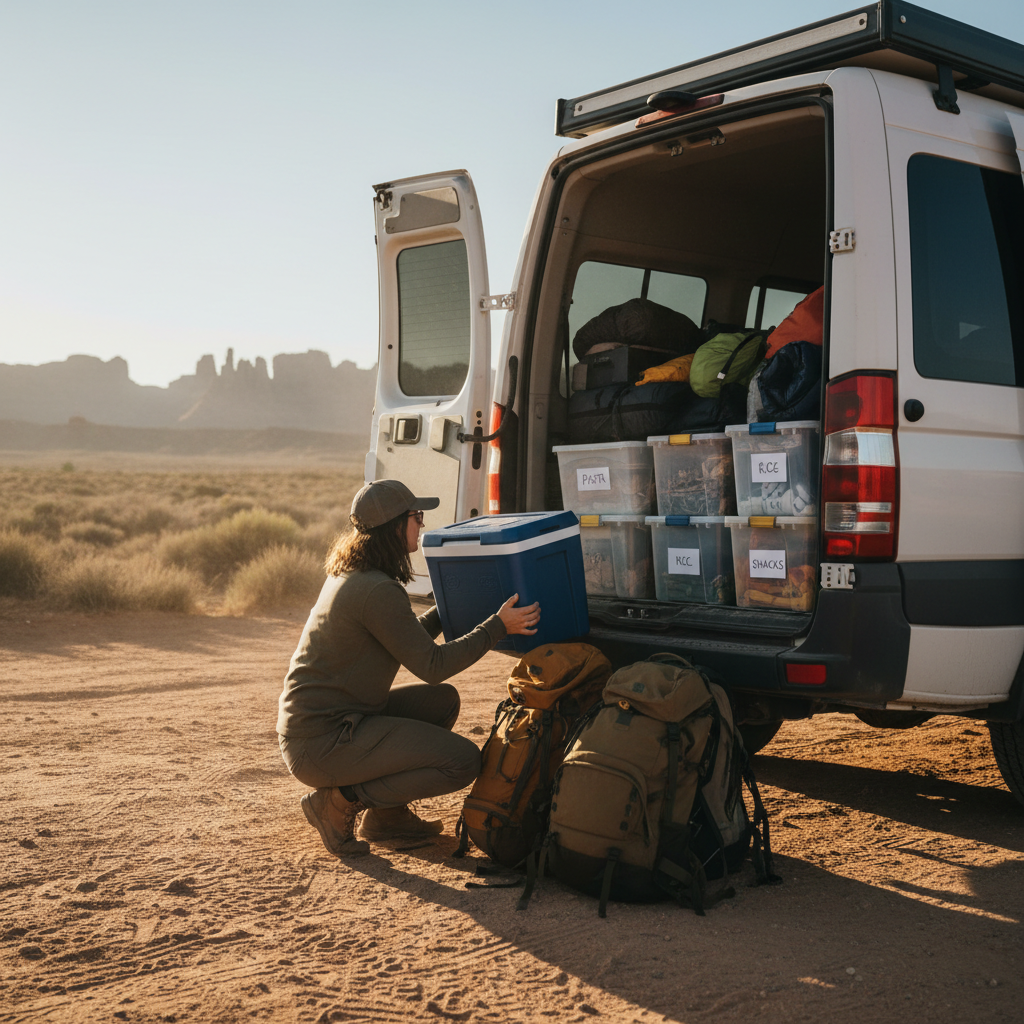
Build in one night of backup. Know two or three parking lot options near your destination before you leave: a Walmart, a truck stop, a 24-hour rest area. Not as the plan. As the plan B. The people who have terrible holiday weekend first trips are the ones who had no backup and spent three hours driving in circles after dark.
Keep the first night close. If your destination is four hours away under normal conditions, assume six to seven on a holiday Friday and pick a campsite or overnight spot no more than five hours from home. You can push further on day two once you've confirmed the van is running well and you've slept in it at least once.
If you skip all of this and just drive toward a popular national park on the Friday of Fourth of July weekend without a reservation, you'll probably spend that night in a parking lot and the next day dealing with a demoralized first impression of van travel. That's not a scare tactic. It's what the campground host at every saturated gateway park sees every holiday weekend without fail.
Who Should Absolutely Wait
This article is not aimed at experienced campers who already know how to read BLM maps, set up in the dark, and troubleshoot a propane regulator. They'll figure out a holiday weekend.
If you've never camped in any format before van travel, a holiday weekend first trip is genuinely a bad idea. The layered stressors of a first-time vehicle setup, unfamiliar sleeping environment, and crowded conditions with no slack time form a combination that leads to negative associations that can take months to undo. I'd start with a mid-week trip of two nights at a half-empty campground, then graduate to a holiday weekend once you know your van and your own tolerance.
Similarly, if you haven't done a shakedown drive of at least an hour or two, don't make a holiday weekend your first wheel-time in that van. Mechanical surprises are rare but real: a fuel leak, a dead house battery, a fridge that didn't get re-secured. Finding any of these 200 miles from home on a holiday Friday, when every mechanic and auto parts store has a two-hour line, is a different problem than finding them 30 miles from home on a Tuesday.
Budget travelers should also factor in that campsites near major destinations cost more on holiday weekends at many private campgrounds, and fuel prices historically tick upward around major driving holidays according to the U.S. Energy Information Administration's seasonal fuel price data. The premium isn't always dramatic, but it's real and worth including in the math.
The Decision
If you have a confirmed reservation, you're flexible about destination type, and you can depart Thursday night or early Friday: go. A three-day holiday weekend can be a good first van trip under those conditions.
If you don't have a reservation and you're planning to find a walk-up site at a popular destination on the Friday of a major holiday weekend: wait. A standard non-holiday weekend, even just three weeks later, will be a measurably better introduction to van travel. The campground will have open sites, the drive will take the time it's supposed to take, and you'll spend your energy learning to live in the van rather than competing for a parking spot at 9 PM.
The version of this trip worth having is the one where van travel hooks you enough that you want to do it again. Conditions that stack against a first-timer don't make for a bad story, but they do make for an unnecessarily hard one. Pick the easier start. The holiday weekends will still be there once you know what you're doing.