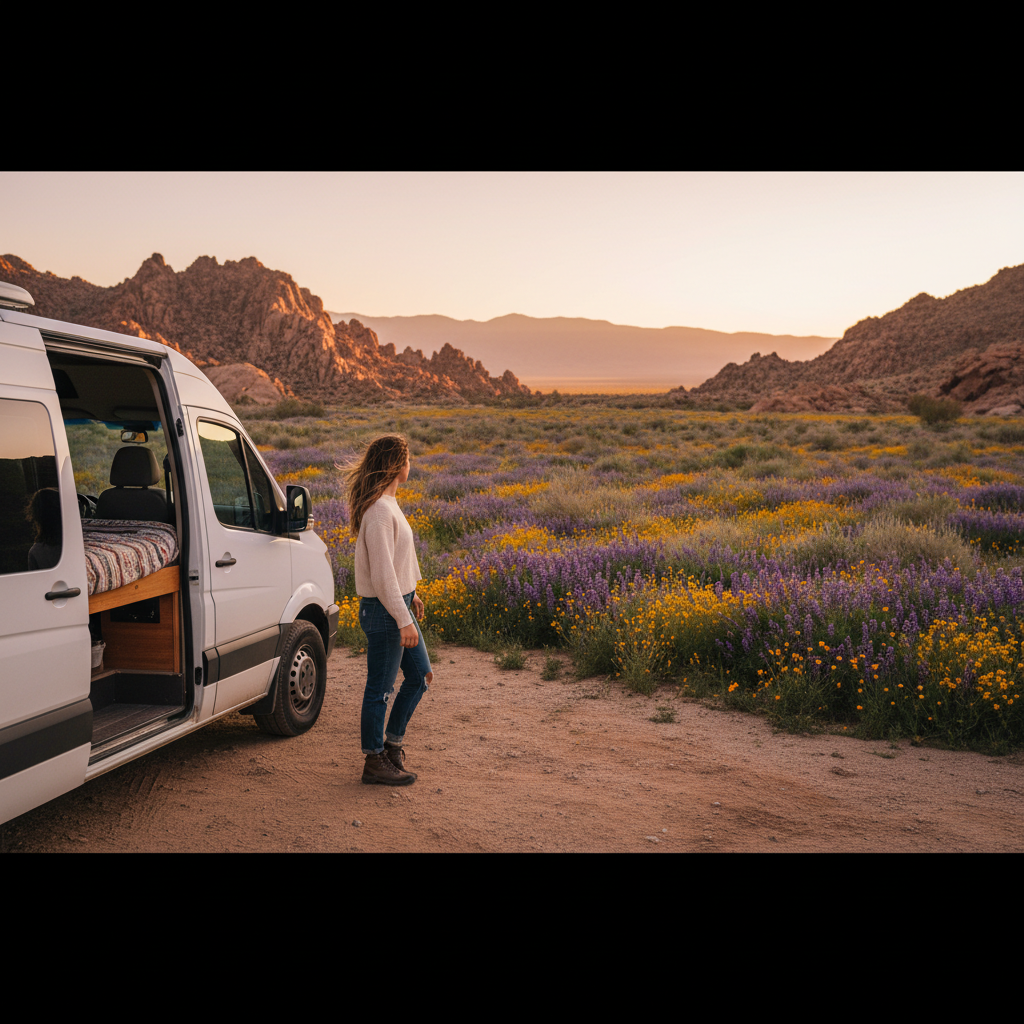

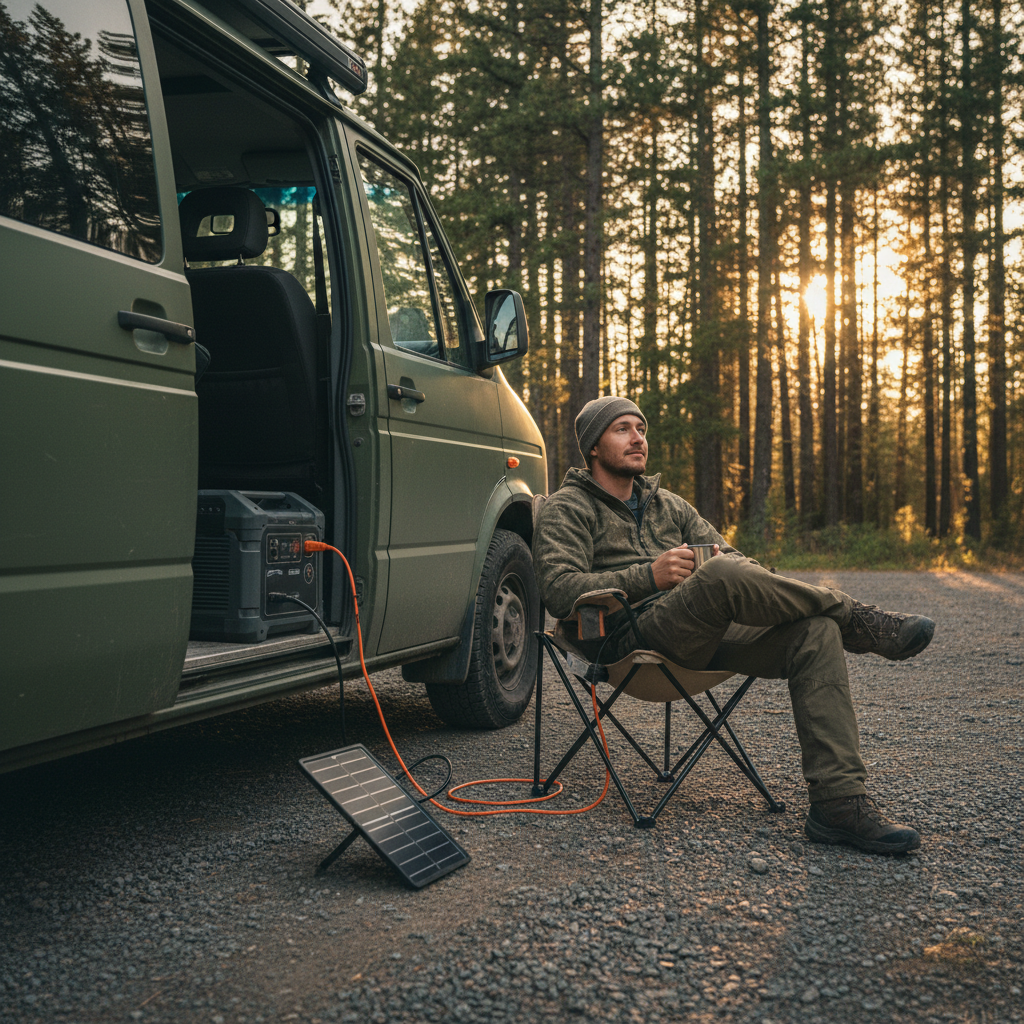
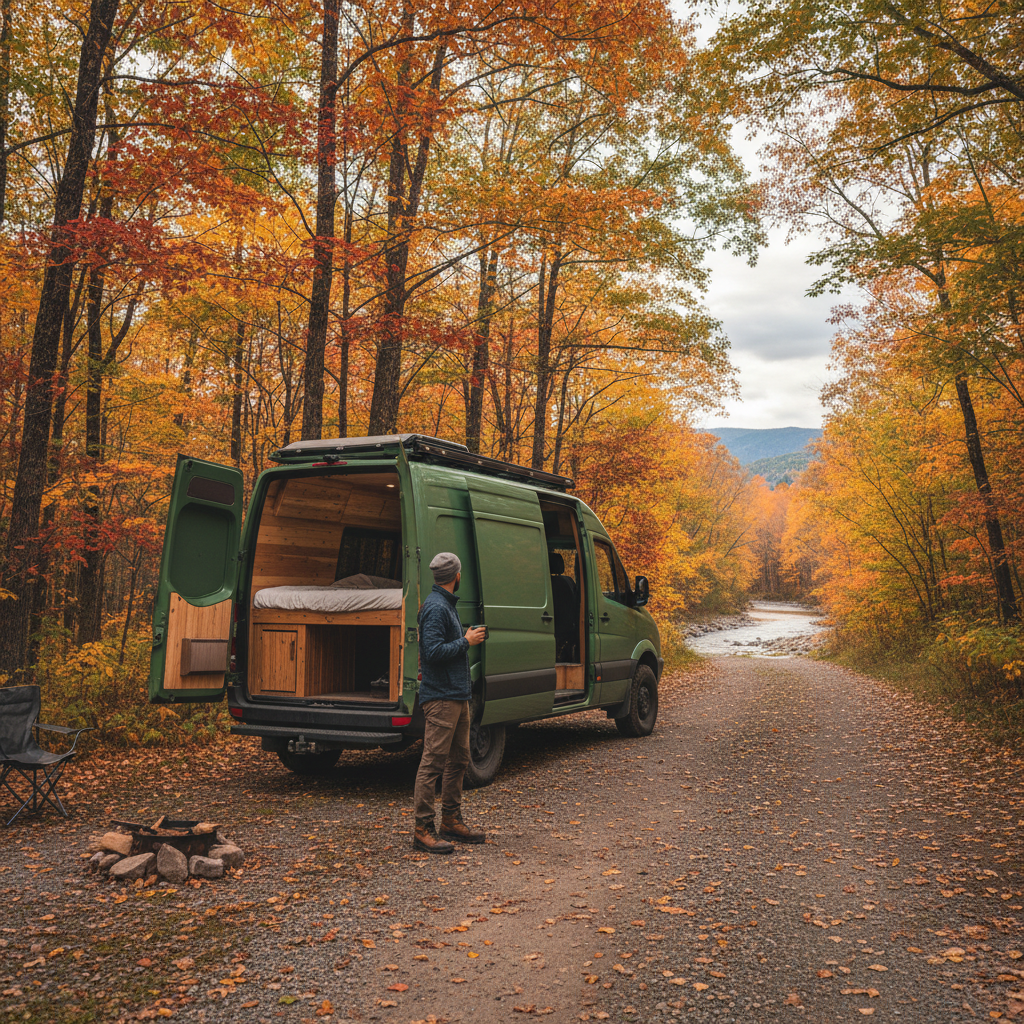



A camper van parked at a Walmart lot costs nothing tonight, but try that same strategy across three weeks on the road and you'll discover fast how inconsistent free overnight parking actually is. Store policies vary by location, some lots have posted bans, and a handful of cities have ordinances that make curbside sleeping genuinely risky. The question isn't whether free options exist. It's whether you can rely on them.
Overnight camper van parking memberships promise to solve exactly that problem, but the value depends on variables most buyers don't check before paying: how often you move, whether you stay in the Southwest or push into the Northeast, and whether your van triggers length or hookup restrictions at certain networks. A van that fits a Harvest Hosts winery pullout is a different animal from a full-size high-top that needs a level pull-through.
Here's the tension worth sitting with before you spend anything: the cheapest-sounding membership often covers the fewest nights you'll actually use, while the most expensive one bundles hookups you don't need and will never use in a van. Getting that match wrong costs real money.
How the Main Membership Options Actually Compare
There are four memberships that come up repeatedly in van-life circles, and they're not interchangeable. Each one serves a different travel pattern. Understanding what each network actually offers, and where it falls apart, matters more than comparing annual fees in isolation.
The table below lays out the core decision variables. Read the notes after it before drawing any conclusions.
| Membership | Annual Cost (approx.) | Parking Type | Best For | Key Limitation |
|---|---|---|---|---|
| Harvest Hosts | $99 | Farms, wineries, breweries, museums | Slow travelers, experience-seekers | No hookups, self-contained rigs only, must purchase from host |
| Boondockers Welcome | $30 (add-on to Harvest Hosts) | Member driveways and properties | Urban stopover, off-interstate nights | Requires advance coordination, host availability varies |
| Campendium / iOverlander (free tiers) | $0 | Community-reported dispersed sites and lots | Boondockers comfortable with research | Data can be stale; no guarantee of access |
| Passport America | $44 | Campground discount network (50% off) | Travelers wanting occasional hookups | Discount applies off-peak only at many locations; not free |
Harvest Hosts is the name most van-lifers encounter first, and for slow travelers who want a memorable spot every few nights, the $99 annual fee pays for itself quickly. One night at a winery that would otherwise charge $25-$40 for dry camping covers a meaningful fraction of the fee. But the self-contained requirement is a hard gate: if your van lacks a proper waste system, you're not eligible at most hosts.
Boondockers Welcome is interesting precisely because it fills the gap Harvest Hosts doesn't: actual driveways and private properties near cities. That add-on price of $30 is low enough that the math works if you use it even twice. The friction is real, though. You have to message hosts, confirm availability, and sometimes get turned down. Buyers who expect frictionless booking often abandon it after one awkward exchange.
Or rather: the friction isn't a bug unique to Boondockers Welcome. Free and cheap overnight parking almost always requires some tolerance for uncertainty. If you want guaranteed availability with zero phone calls, you're describing a paid campground, not a membership network.
Passport America is genuinely useful for van travelers who occasionally want power, a shower facility, or a full-service night. The 50% discount sounds dramatic until you read the fine print: blackout dates, peak-season exclusions, and a requirement to call ahead rather than book online at many partner campgrounds. For someone running the Southwest in shoulder season, it can cut real costs. For a summer traveler on a popular corridor, the discount may apply to very few of the nights they actually want.
The Real Math: When a Membership Saves Money vs. Drains It
Membership value isn't abstract. Run the numbers against your actual travel pattern before you buy anything.
Take Harvest Hosts at $99. If you move every two to three days and stay in agricultural areas, you might realistically use eight to twelve host nights per year. At an average dry-camping equivalent of $20 per night (the low end for a campground without hookups), that's $160-$240 in saved costs against a $99 fee. The math clears comfortably. But if you're a city-hopper who spends most nights in urban cores where Harvest Hosts locations are sparse, you might use it twice. That's $50 in value against $99 in cost. A waste of money, full stop.
The combination purchase of Harvest Hosts plus Boondockers Welcome runs about $129 total. If a traveler uses Harvest Hosts eight nights and Boondockers Welcome four nights, and they're avoiding campground fees that would average $25 per night, that combination saves roughly $300 against a $129 outlay. That's a 130% return, which is about as good as membership math gets in this category. So if you travel frequently and mix rural and urban stops, the bundle is worth running the numbers on seriously.
What you shouldn't do is buy a membership because it sounds like a good deal in the abstract. The question is always: how many nights will I actually use this, in locations where it applies, in the months I travel? Buyers who skip that question often report paying for memberships that go mostly unused.
Who Should Skip Memberships Entirely
Weekend van users or people who take two or three trips a year and mostly camp at established sites don't need any of these memberships. Bureau of Land Management dispersed camping is free across millions of acres in the western US, legal, and requires no annual fee. The BLM's recreation website maps legal dispersed zones, and apps like Freecampsites.net aggregate community-reported spots at no cost. For a van owner who spends fifteen or fewer nights per year outside of established campgrounds, the free route is almost always cheaper.
Van travelers who primarily move through the Northeast or Pacific Northwest will find membership networks noticeably thinner. Harvest Hosts has strong coverage in California wine country, the Midwest, and parts of the South, but host density drops sharply in densely populated corridors. If 80% of your route runs Boston to DC or through the urban Pacific Northwest, you'll spend more time working around membership limitations than benefiting from them.
And if you ignore the membership question entirely? The realistic consequence is paying $20-$35 per night at campgrounds on nights when a membership could have covered the cost, or defaulting to Walmart and rest-stop parking that's legal but increasingly restricted in certain municipalities. Over a sixty-night travel year, that gap between $0 and $25 per night adds up to $1,500 in potential savings that no membership purchase will fully recover either. The ceiling on savings is real.
This article isn't for full-time van dwellers doing 200+ nights per year who need hookups regularly. That reader's calculus points toward Thousand Trails or a Good Sam membership with campground chains, which is a different product category with its own trade-offs.
Choosing the Right Membership for Your Van and Route
The decision comes down to four variables: nights per year, primary geography, whether your van is self-contained, and how much coordination friction you'll tolerate.
Check these before you pay anything: self-containment status, your primary travel corridor, estimated nights away from paid campgrounds, and whether you want social interaction with hosts or prefer anonymous parking.
I'd start with the free tools, specifically Freecampsites.net and the BLM's recreation map, and use them for one full trip before paying for anything. That gives you a real baseline of how often you actually need a membership solution versus how often free dispersed options cover your needs adequately. A surprising number of van travelers discover the free infrastructure is sufficient for their pattern.
If you determine you need a membership, the decision tree is short. Self-contained van, rural or agricultural travel corridor, slow pace: Harvest Hosts at $99 is the obvious starting point. Add Boondockers Welcome for $30 if you pass through mid-sized cities more than a few times a year. Not self-contained, or primarily urban: skip both and focus on the free community apps with a backup budget for occasional paid sites. If you want occasional hookup access on long hauls, Passport America makes sense as a supplement, not a primary strategy.
The reframe that changes how to think about this: overnight van parking memberships are route infrastructure, not camping upgrades. Buy them the same way you'd decide on a highway toll pass, based on where you actually drive, not based on the best-case scenario in the marketing copy.