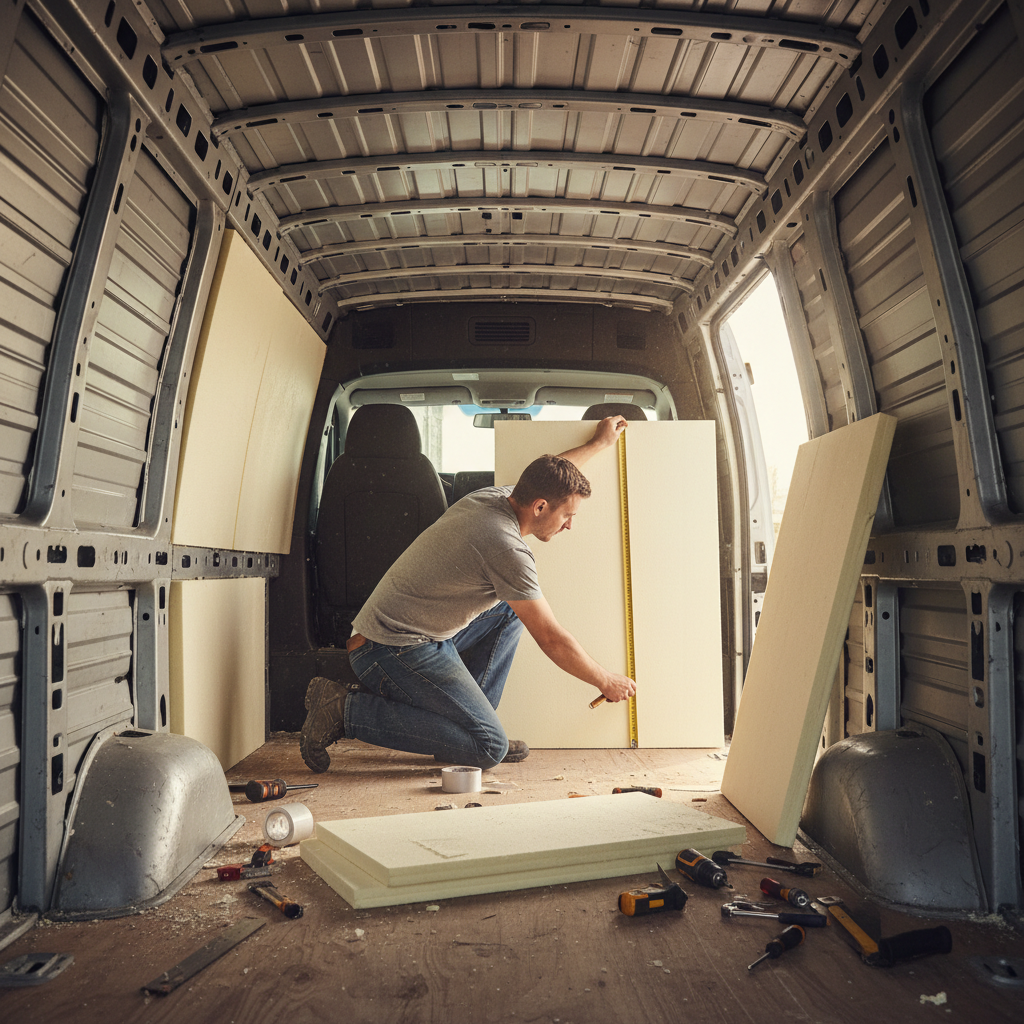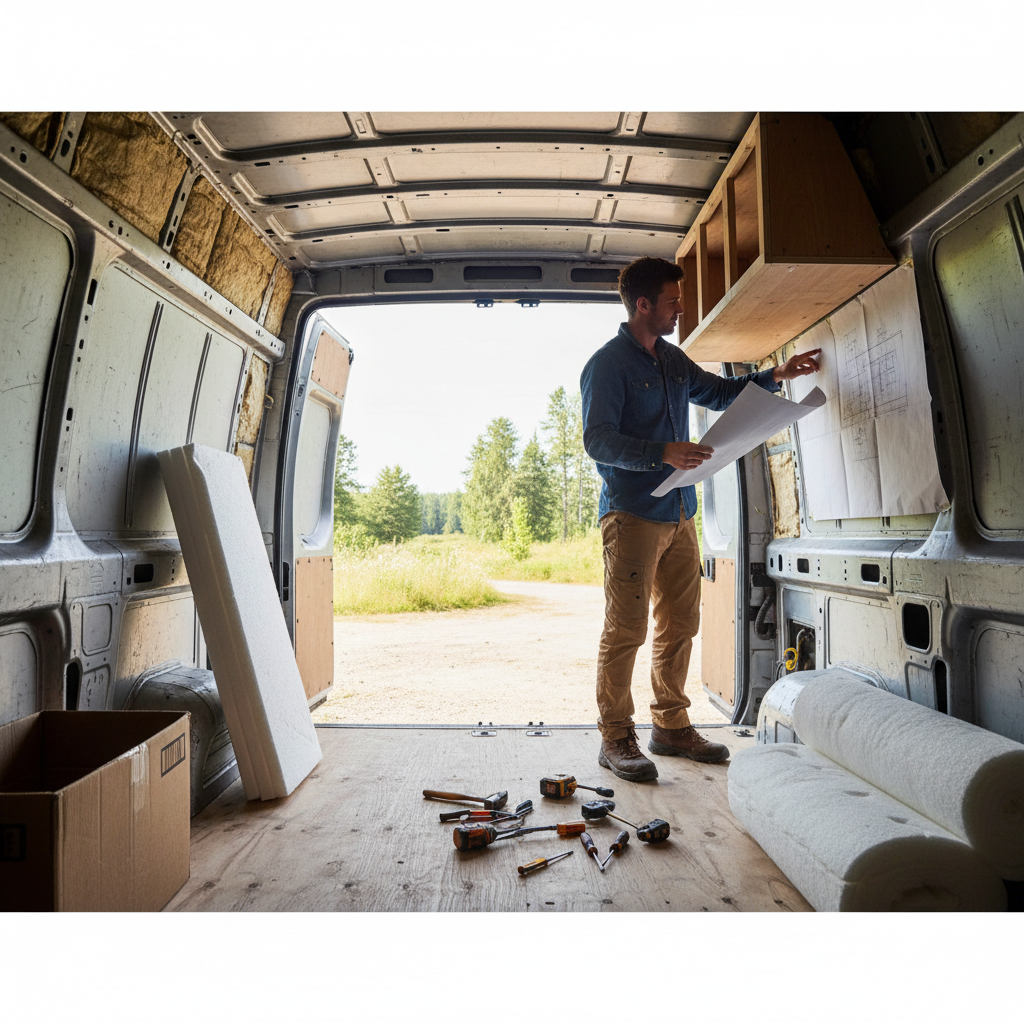
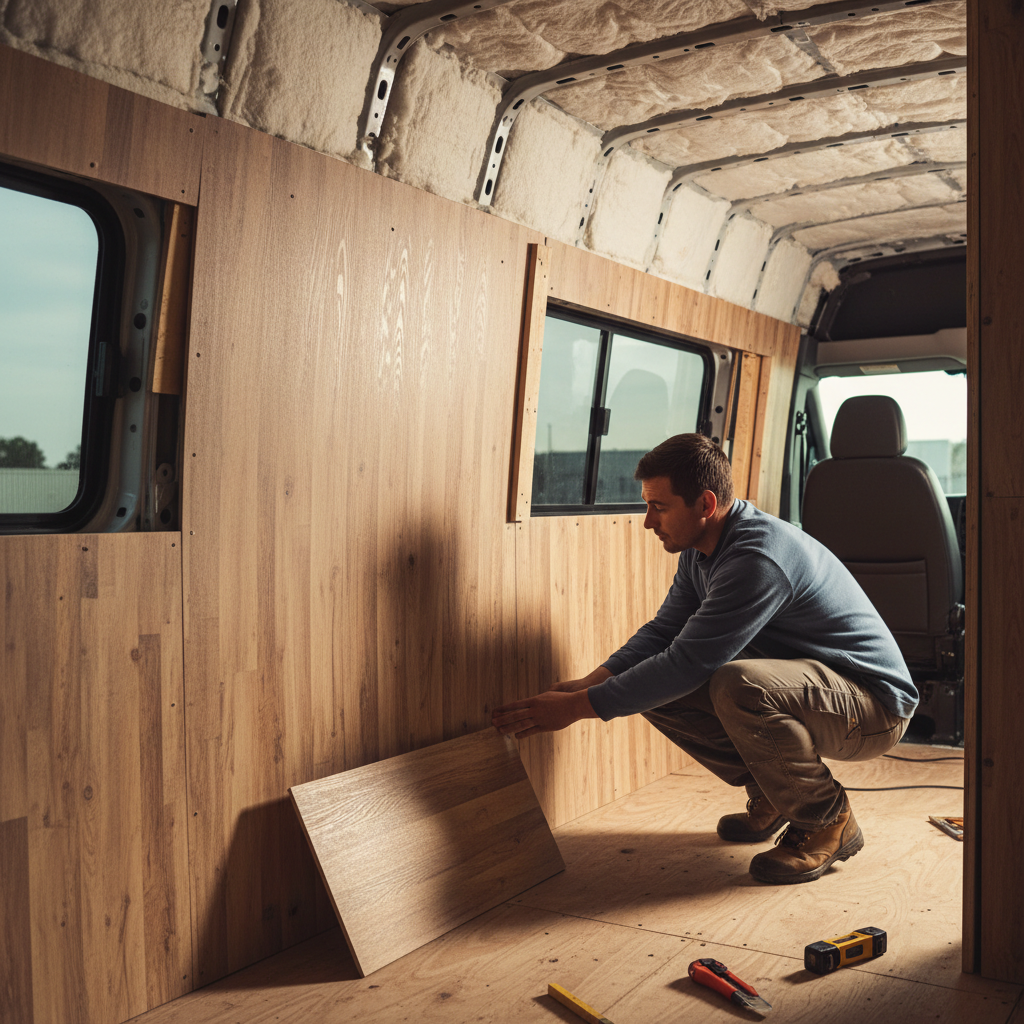
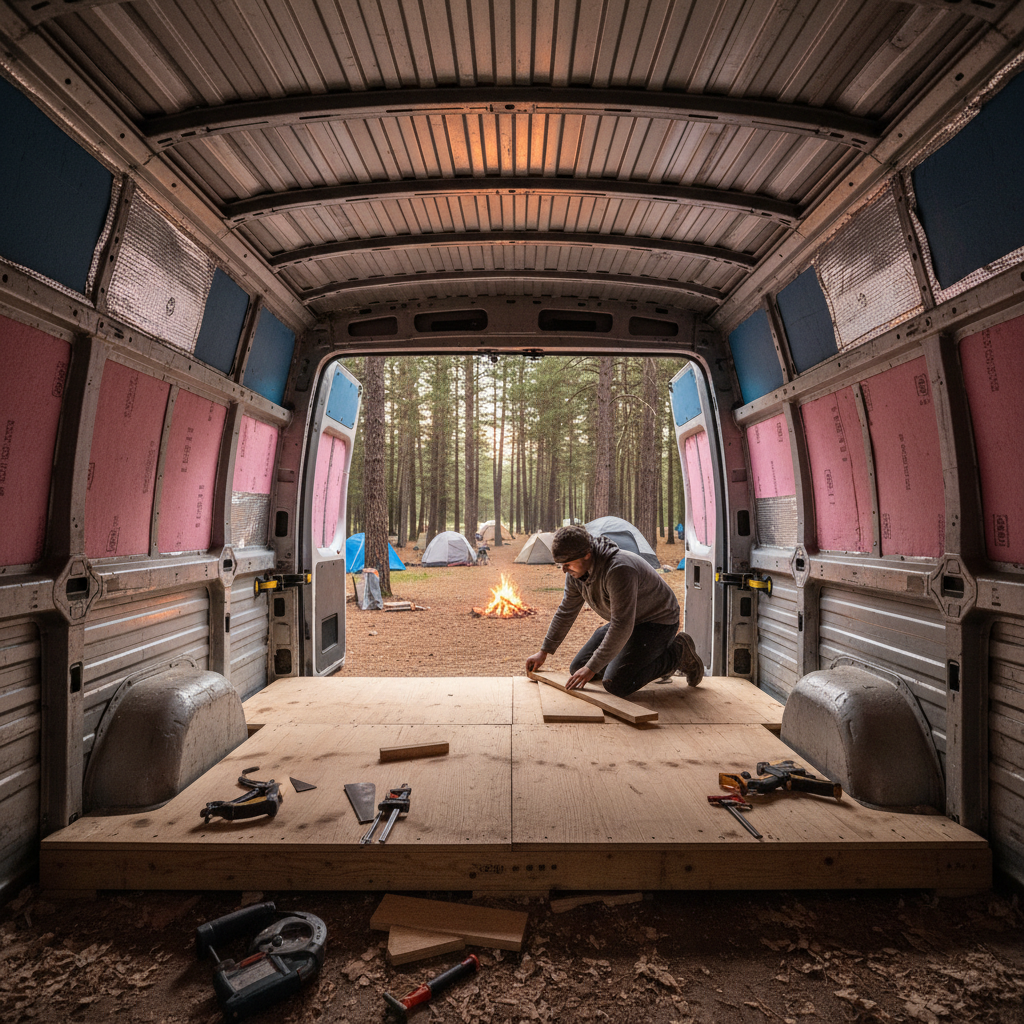


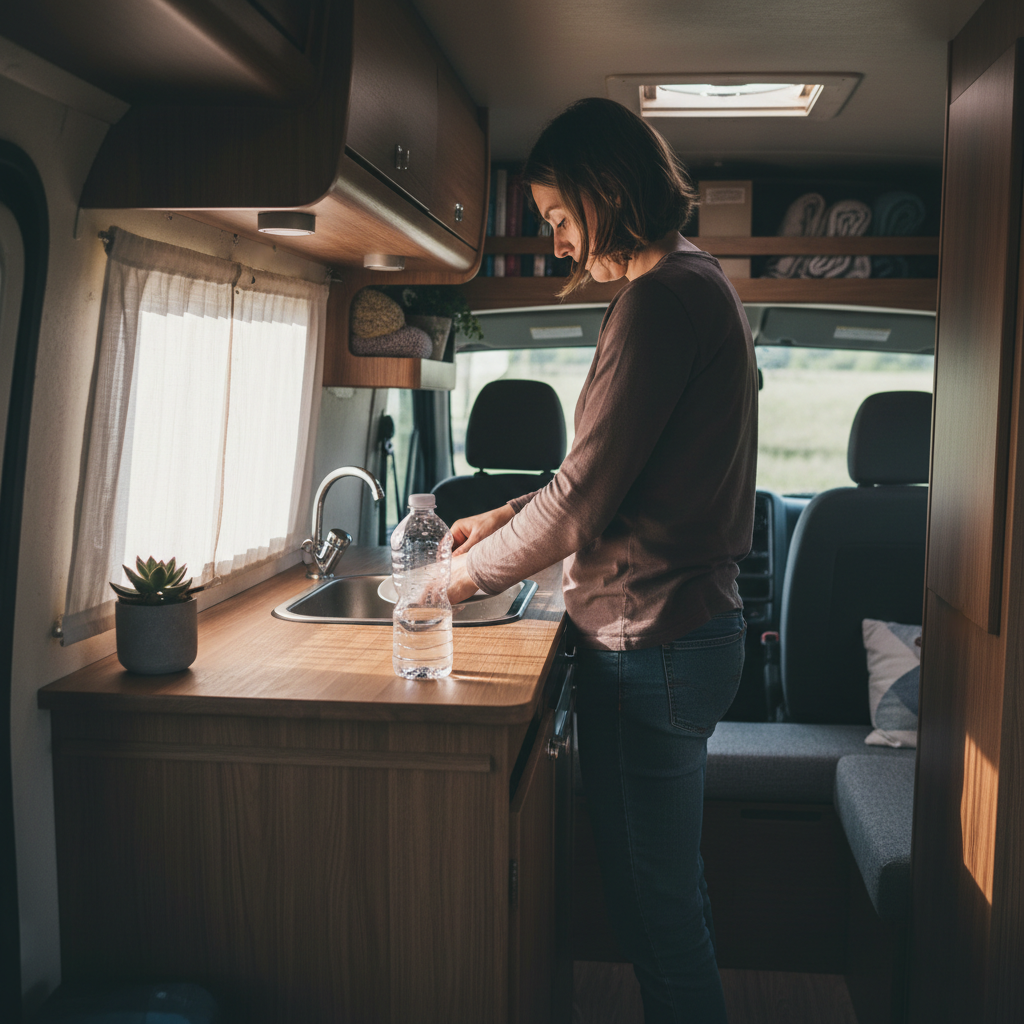


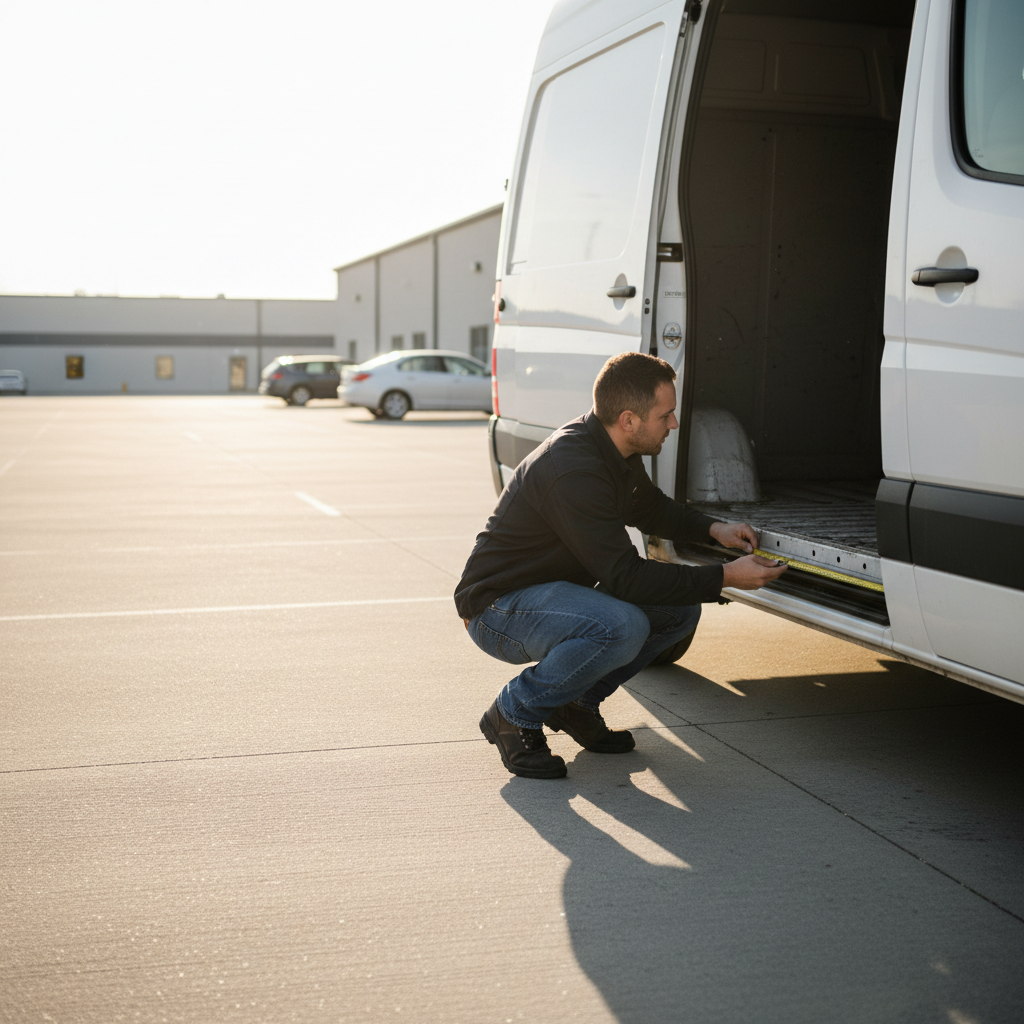



Van builders will tell you to solve your insulation and vapor barrier before touching any wall surface, and there's a reason for that. Peel-and-stick wall panels for camper van interiors sit right at the intersection of a decision that looks cosmetic but isn't: it's also a structural and moisture question wrapped in an aesthetic one.
The panels themselves have gotten genuinely good. Faux shiplap, hexagonal stone composite, wood-grain PVC sheets designed specifically for RV and van interiors now offer real visual payoff without the weight penalty of solid wood. But the promise frays under specific conditions, and those conditions are more common in van builds than the product listings suggest.
Here's the tension: the adhesive system that makes these panels fast to install is the same system that makes them vulnerable. Temperature swings, substrate prep, and the particular flex behavior of a cargo van's sheet metal all work against a bond that has to last through summer parking lots and January mountain passes. Whether peel-and-stick panels are worth it in your build depends on three variables most reviews skip entirely: your substrate material, your climate range, and whether you've sealed the back side of the panel against condensation migration.
What You're Actually Comparing Against
The realistic alternative isn't doing nothing. For most van builders considering peel-and-stick panels, the actual competitor is thin tongue-and-groove cedar or pine planking, or 1/8-inch birch plywood finished with Danish oil. These are the options that dominate the van build forums, and they set the honest benchmark.
Cedar planking at 1/4-inch thickness runs roughly $1.50 to $2.50 per square foot for standard van interior square footage (plan on 60 to 90 square feet of wall and ceiling surface in a standard cargo van). Peel-and-stick panels in the RV-specific product lines typically land between $2 and $5 per square foot depending on material and finish. So the cost argument for peel-and-stick isn't a slam dunk. What it does offer is installation time: cedar planking requires ripping, fitting, fastening, and finishing. Peel-and-stick panels, on a properly prepared substrate, can cover a standard cargo van interior in a weekend rather than a week.
That time saving is real. But it compounds differently depending on whether this is a one-time build or a van you'll modify repeatedly.
Or rather: the time savings matter most if your substrate is already locked in and clean. If you're still mid-build, working around ribs and adding conduit runs, the peel-and-stick advantage shrinks because you'll be pulling and repositioning panels anyway. Cedar planking forgives that process better because you can screw through it cleanly and patch. Adhesive-backed panels, once committed, leave a mess when removed from metal.
Where the Adhesive System Fails
Adhesive failure in van environments follows a predictable pattern, and buyers skip this before purchasing because product pages don't discuss it honestly.
The core problem is thermal cycling. A cargo van parked in Phoenix in July can see interior surface temperatures above 140°F when closed. The same van in a Colorado winter sees surfaces well below 32°F overnight. Most pressure-sensitive adhesives used on consumer peel-and-stick panels are rated for application between 50°F and 95°F, and for long-term adhesion in environments that stay below 120°F. Van interiors routinely exceed both thresholds.
The substrate matters just as much as the temperature range. Van sheet metal flexes. It's not a rigid wall. When the van body torques over uneven terrain, the metal moves slightly, and adhesive bonds that are strong in a static environment fatigue under repeated micro-movement. Peel-and-stick panels bonded directly to bare metal are significantly more likely to delaminate at the edges within 12 to 24 months than panels applied over a rigid backer board (like 1/4-inch plywood or foam board with a rigid face) that's been mechanically fastened to the van ribs first.
The fix, used by experienced van builders, is to treat peel-and-stick as the finish layer, not the structural attachment. Fasten a thin rigid substrate to the van's ribs with self-tapping screws or rivnuts, then apply your peel-and-stick panels to that substrate. That approach resolves the flex problem and also gives you a vapor-controlled surface to bond to. But it does add cost and labor, which partially narrows the gap with cedar planking.
And the condensation question. Vans with improper vapor barriers develop condensation behind wall panels during cold weather. Peel-and-stick panels with solid vinyl or PVC faces trap that moisture against the substrate. Over a season, that creates mold conditions behind panels you can't inspect without removing them. This is the downside most first-time van builders don't discover until year two. If your vapor barrier and insulation aren't already sorted, peel-and-stick wall panels are the wrong next step regardless of how good they look.
When Peel-and-Stick Panels Are the Right Call
There's a specific builder profile for whom peel-and-stick panels are genuinely the best choice, and it's narrower than the marketing implies.
You're a good candidate if: you've already installed closed-cell spray foam or polyiso rigid insulation with a properly lapped vapor barrier, your build is going over a rigid secondary substrate rather than bare metal, and your van doesn't routinely see temperatures above 110°F interior surface temp. That last condition effectively rules out dark-colored vans parked in the Southwest sun during summer without ventilation running.
The best material choices within the peel-and-stick category for van interiors are PVC-faced composite panels rather than paper-faced or fabric-backed options. PVC faces resist moisture from both sides, weigh less than wood, and don't swell. Brands targeting the RV market specifically (rather than general home renovation products) tend to use more aggressive adhesive systems that handle moderate temperature variation better. Home improvement store versions designed for kitchen backsplashes are generally not rated for vehicle use and have higher failure rates in mobile environments. That's a practical exclusion worth making explicit: this article isn't recommending general home-use peel-and-stick tile for van builds. Those products are a different category.
I'd start the selection process by checking the adhesive temperature rating on any panel you're considering, not the aesthetic specs. If the manufacturer doesn't publish an operating temperature range, that's your answer.
What you'll notice when you compare RV-specific panel products against home renovation equivalents is that the RV products cost more but provide clearer performance specifications. That spec transparency is itself useful data.
The Installation Details That Determine Outcome
Even the right product fails with bad installation practice. Three variables account for most field failures.
Surface cleanliness is the one builders consistently underestimate. Metal van walls often carry a thin film of manufacturing oil or rust inhibitor. Adhesive bonds to that film, not to the metal itself, and the film eventually releases. Wiping with isopropyl alcohol (90% or higher concentration) and letting the surface fully dry before applying panels isn't optional. It's the difference between a bond that lasts three years and one that starts peeling at the edges before your first winter.
Application temperature matters more than the instructions convey. Apply panels when the substrate is between 65°F and 85°F for best initial tack. Cold metal in a garage in November doesn't give pressure-sensitive adhesive enough working time to form a proper bond. If you can't heat the workspace, use a heat gun to bring the substrate surface temp up before application, then apply firm pressure across the entire panel face.
Edge sealing is the step that separates amateur installs from durable ones. The perimeter edges of peel-and-stick panels are the first failure point. Sealing them with a flexible, paintable caulk (DAP Alex Plus or equivalent) after installation prevents moisture infiltration and edge lifting. It takes an extra hour. Skipping it costs you adhesion within the first year in a van environment.
| Factor | Peel-and-Stick Panels | Cedar Tongue-and-Groove | Birch Plywood (1/8 in.) |
|---|---|---|---|
| Cost per sq ft | $2-$5 | $1.50-$2.50 | $1-$2 |
| Install time (full van) | 1-2 days | 5-7 days | 3-4 days |
| Moisture resistance | High (PVC face) | Low unless sealed | Moderate if sealed |
| Flex tolerance | Low on bare metal | High | High |
| Repairability | Difficult | Easy | Moderate |
| Weight | Light | Moderate | Light |
The table shows where the real trade-offs land. Peel-and-stick wins on moisture resistance and install speed, but only when installed over a rigid substrate. On bare metal with heavy temperature variation, the flex tolerance column becomes the deciding factor, and it loses that comparison decisively.
The Honest Verdict by Build Type
Full-time van lifers with builds intended to last five or more years should approach peel-and-stick panels as a finish layer only, not a primary wall system. The adhesive failure risk over a long service life in variable climates is real enough that a mechanical fastening strategy for the primary substrate is worth the extra day of work. Peel-and-stick on top of a fastened substrate? Legitimate choice. Peel-and-stick directly on van metal as the complete wall system? A repair job waiting to happen.
Weekend warriors and part-time van users building a basic conversion without plans to live in it full-time get a better value proposition. Lower cumulative thermal cycling, less total exposure to moisture events, and less pressure on long-term durability make the speed advantage more meaningful. For that use case, a quality RV-specific peel-and-stick panel over a clean, prepped surface is probably worth it.
If you skip the substrate prep and vapor barrier work and go straight to peel-and-stick panels because you want the build done faster, the likely outcome is panels delaminating within two winters, a mold problem you can't see, and a strip-and-rebuild that costs more in time and money than doing it right the first time would have.
The framing that makes this decision clearer: peel-and-stick wall panels are a surface finishing tool, not a wall system. Treat them as the last step in a complete wall assembly, not a shortcut around building one.