








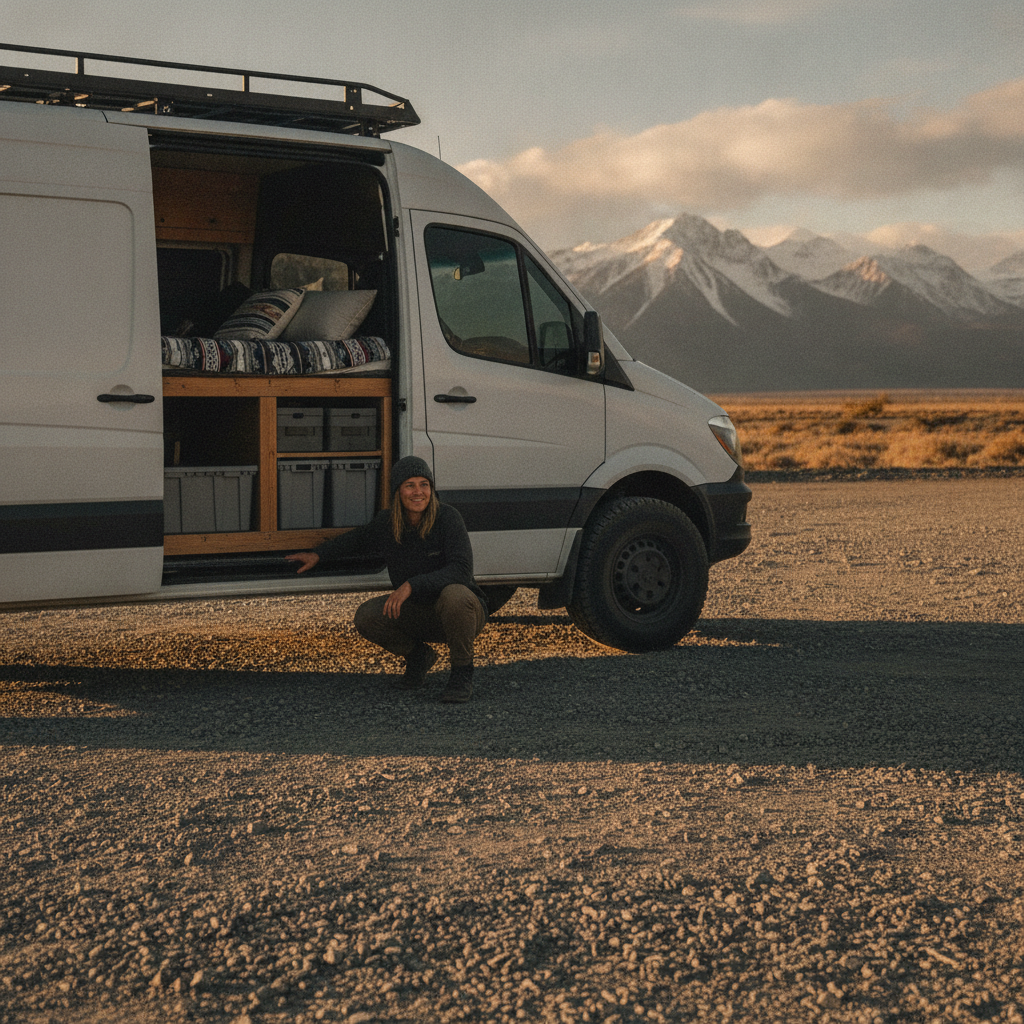
Rental agents at traditional van companies will tell you to check the insurance certificate before you sign anything, and there is a very good reason for that. The peer-to-peer van rental market has exploded in the US over the last few years, and the coverage gaps between platforms like Outdoorsy or RVshare and a conventional rental counter are not obvious until something goes wrong on a mountain road in New Mexico at 11 PM.
If you are planning your first van trip and trying to decide whether to book through a peer-to-peer platform or a company like Enterprise Truck Rental or Cruise America, the answer turns on three variables most comparison guides leave untouched: the type of van you actually need, how your personal auto insurance interacts with each rental type, and what a mechanical breakdown costs you when you are three hundred miles from the nearest authorized service center.
There is also a tension most people do not notice until the deposit clears. Peer-to-peer listings often show a lower nightly rate, but the total cost calculation changes dramatically once platform fees, owner-set mileage caps, and the insurance add-on are factored in. That gap between sticker and actual cost is real, and it does not always favor the option that looks cheaper at first glance.
What Each Option Actually Gives You
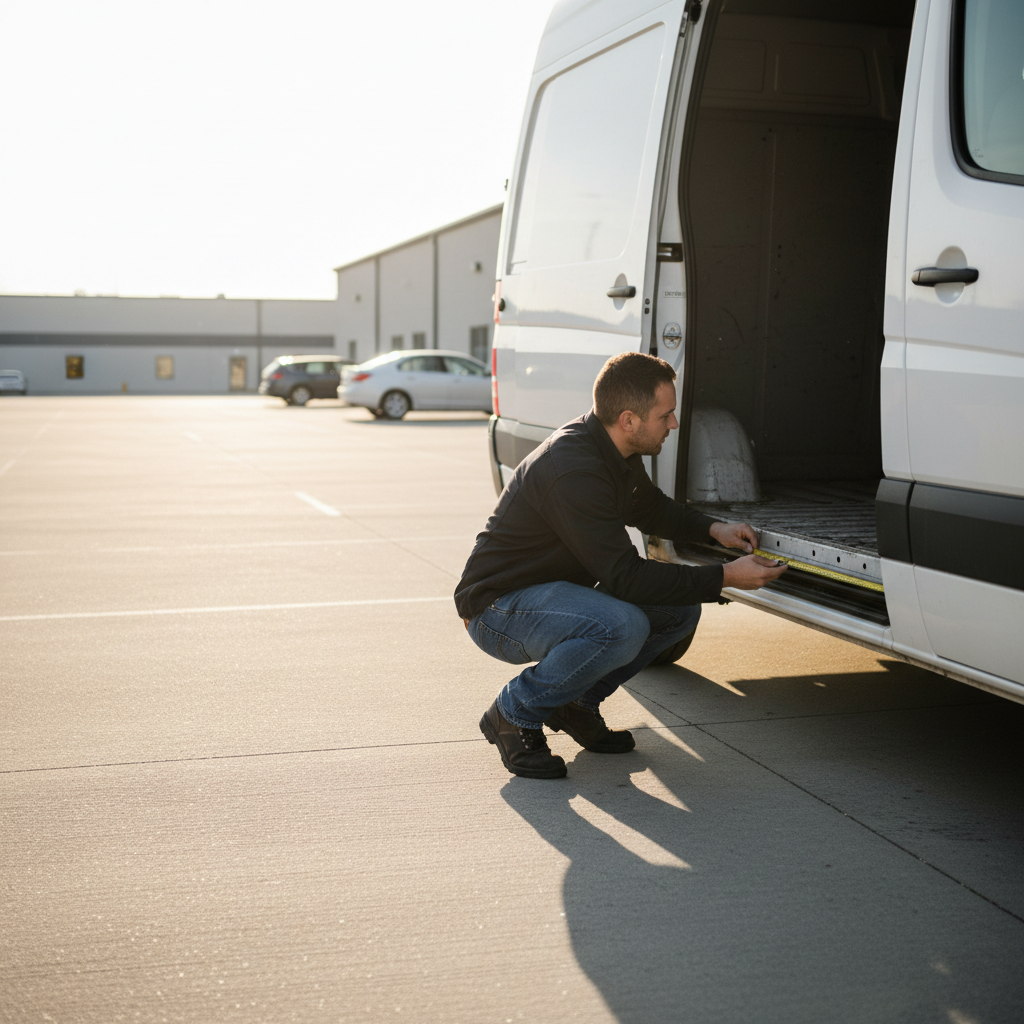
A traditional rental company gives you a commercially maintained vehicle, a defined liability structure, and a customer service phone number that someone answers. Companies like Enterprise Truck Rental maintain their cargo and passenger vans on commercial service schedules, which matters on a two-week trip. You get a standardized rental agreement governed by state consumer protection law, and the vehicle has likely been cleaned and inspected within the last 48 hours.
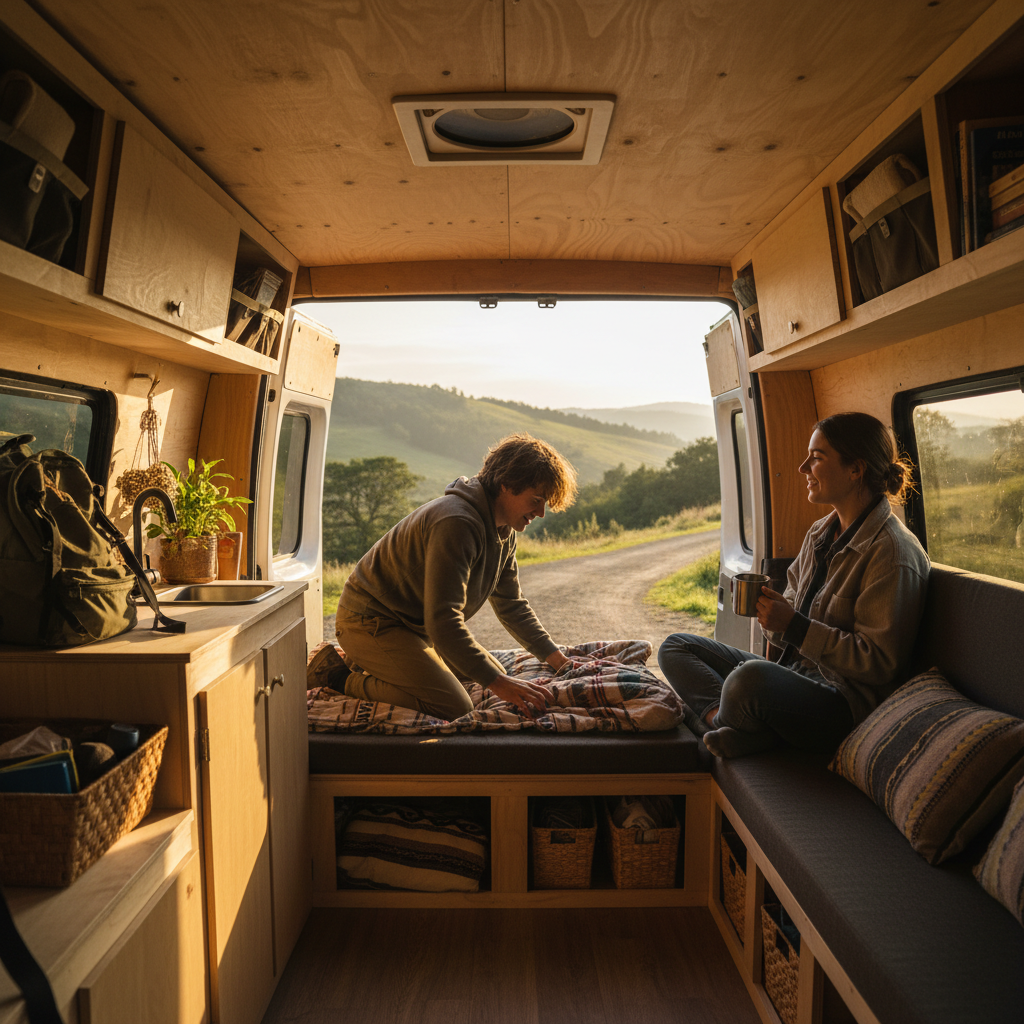
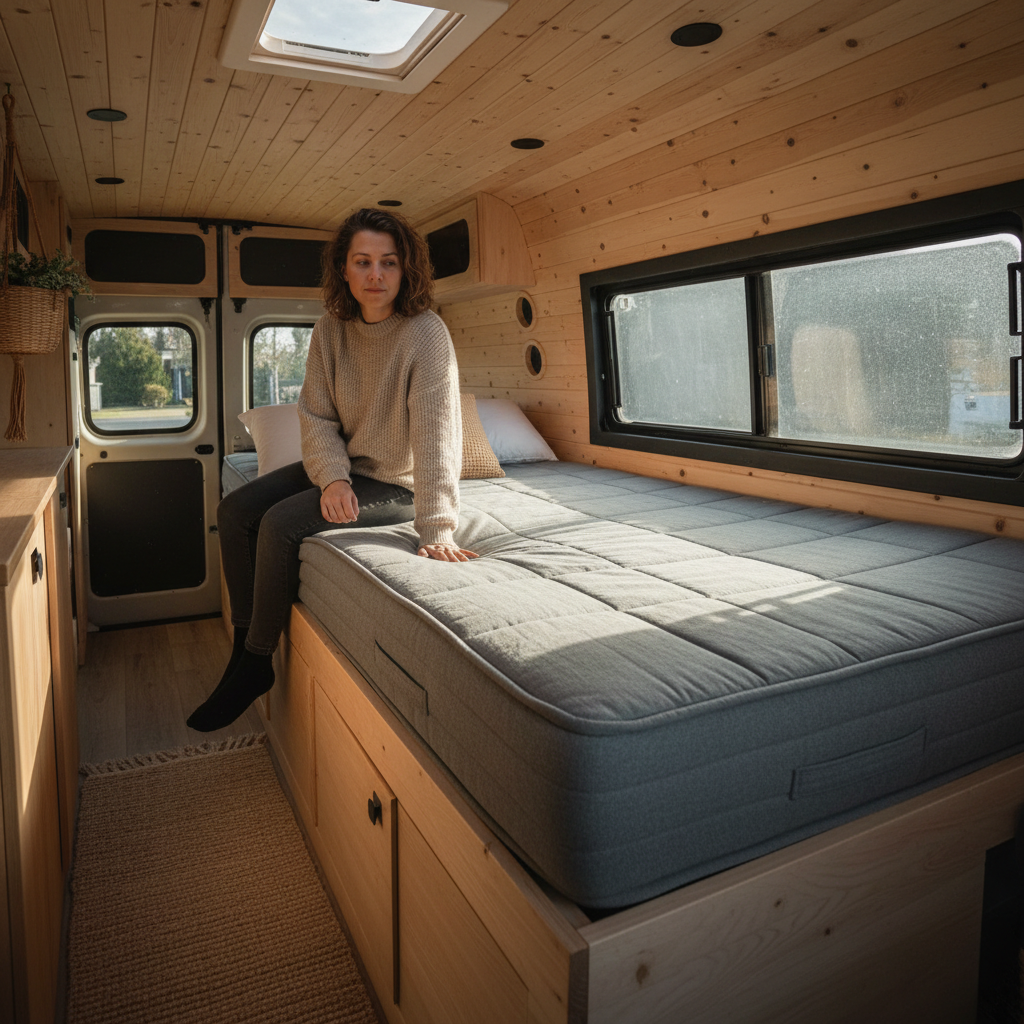
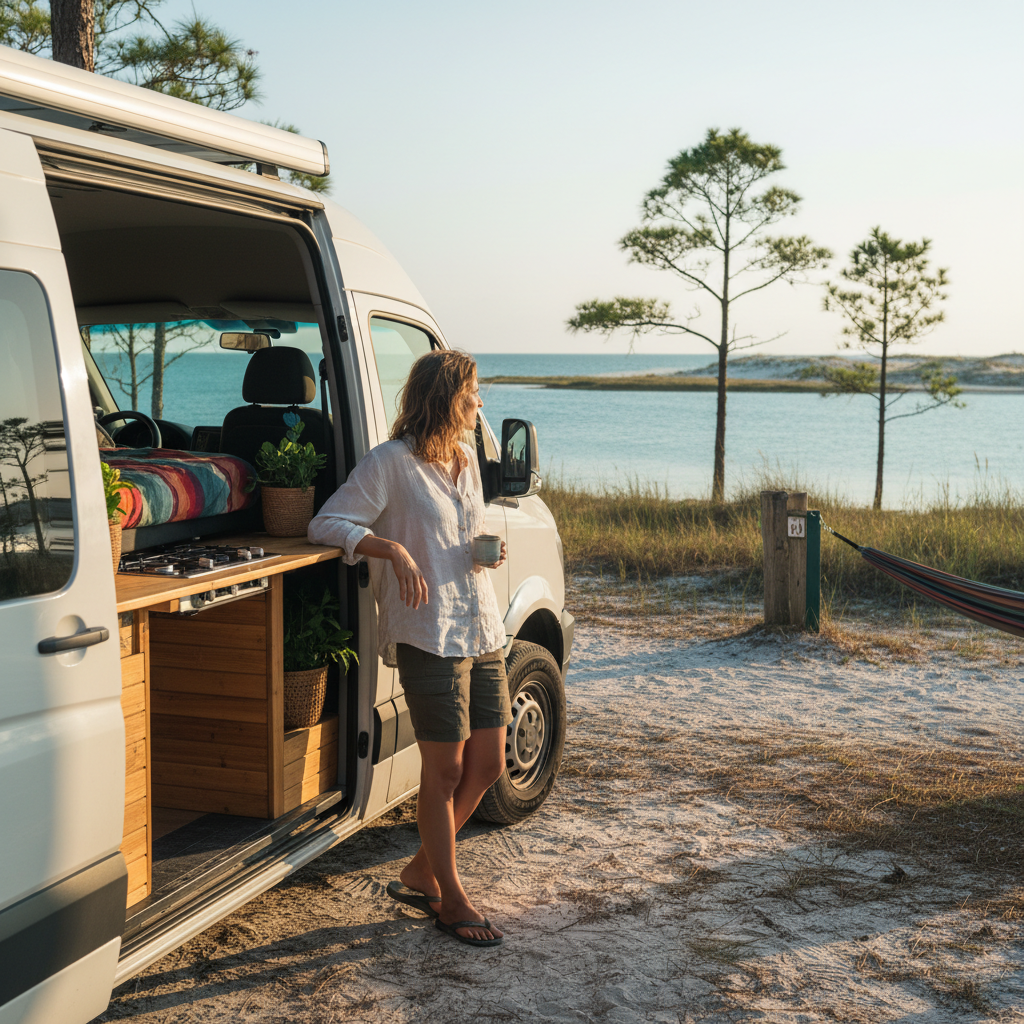
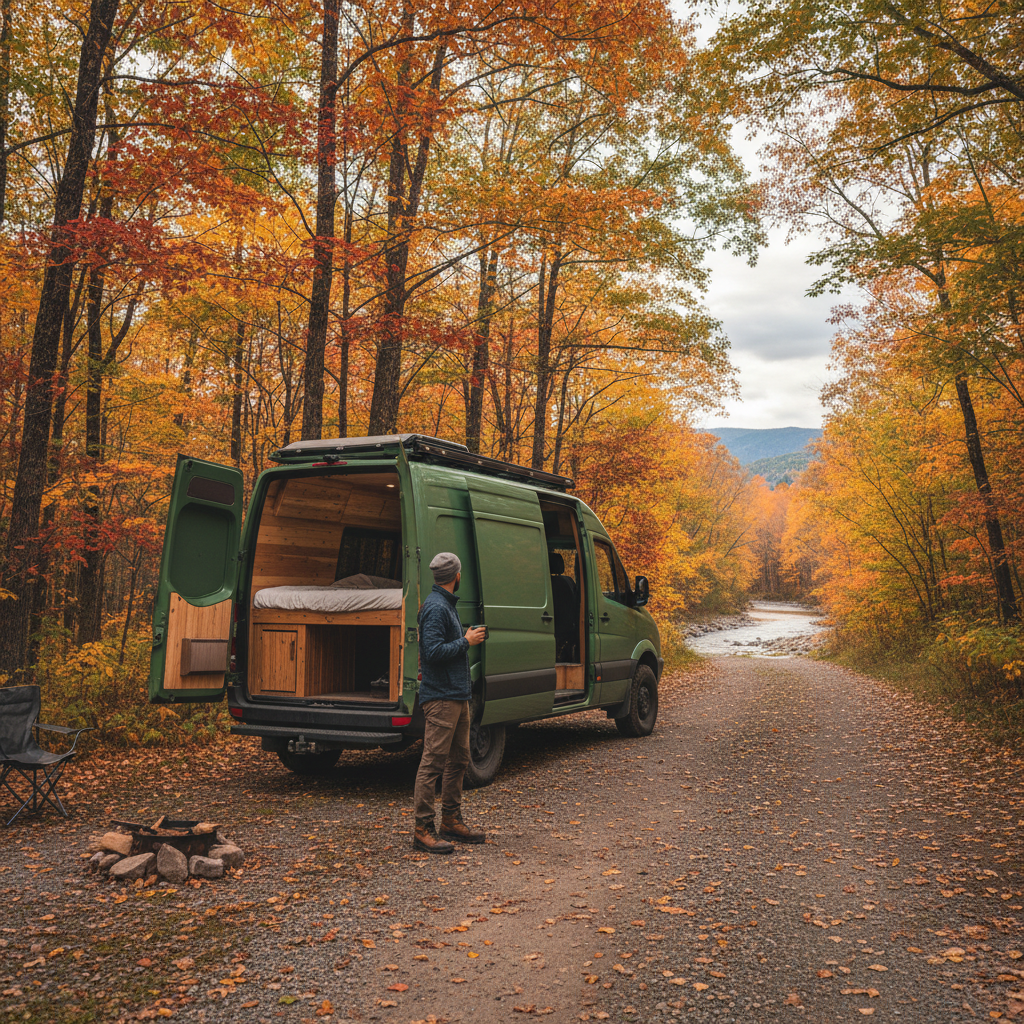
Peer-to-peer platforms give you something different: variety. Outdoorsy and RVshare list everything from a basic converted cargo van to a fully built-out Sprinter with a rooftop solar array and a queen bed. That diversity is genuinely valuable if you want a trial trip that feels like the van life you are testing, rather than a cargo van with a sleeping pad thrown in the back. But you are renting from an individual owner, and the vehicle's maintenance history, cleanliness standard, and quirks vary by listing.
The thing most first-time renters underestimate is how much the ownership model shapes the experience downstream. With a rental company, a breakdown triggers a fleet management protocol. With a peer-to-peer booking, it triggers a conversation with a private individual who may or may not have roadside coverage built into their platform plan. Outdoorsy does include 24/7 roadside assistance on bookings that include their protection plan, but that plan is an add-on, not automatic on every listing.
Or rather: the roadside assistance question is actually a proxy for a deeper issue. What you are really evaluating is whether the platform's liability and support infrastructure is mature enough to catch you when the trip goes sideways, because on a trial trip, something always does.
The Insurance Gap Nobody Explains Clearly
This is where peer-to-peer van rental gets genuinely complicated, and where a lot of first-time renters get burned.
Your personal auto insurance almost certainly does not cover a rental van booked through Outdoorsy or RVshare. Standard personal auto policies typically exclude vehicles used for hire and vehicles above a certain weight or classified as RVs. Whether your specific policy covers a peer-to-peer van rental depends on your insurer, your policy language, and the classification of the specific vehicle, and you should call your insurer and ask before you book, not after. That dependency is real and it is non-negotiable.
With a traditional cargo or passenger van rental from a major company, your personal auto policy is more likely to extend coverage, though not guaranteed. Credit cards with rental car coverage (Chase Sapphire Preferred, for example, offers primary rental car coverage as a benefit) generally apply only to vehicles rented from commercial rental companies, not peer-to-peer platforms. That distinction alone can swing the effective cost of a peer-to-peer booking by $30 to $60 per day once you add the platform protection plan.
Put more precisely: the insurance cost comparison is not between the platform's add-on rate and zero. It is between the platform's add-on rate and whatever coverage you were already paying for through your card or personal policy, which may cover a commercial rental at no additional cost. Run that math before you read the nightly rate as the total cost. A common guideline among frequent van renters is to assume peer-to-peer coverage adds at least $25 to $40 per day to the real price of the booking, though the actual figure varies by platform tier and vehicle classification.
The wrong choice here does not just cost money. If you drive an uninsured or underinsured rental van into an accident, the financial exposure is personal. That is the consequence of skipping this step.
Cost Structure Side by Side
Below is a realistic cost comparison for a seven-day trial trip. These figures represent typical ranges based on publicly available platform and rental company pricing structures and should be treated as approximate, not authoritative. Your actual numbers will vary by market, season, and vehicle class.
| Cost Element | Peer-to-Peer (e.g., Outdoorsy) | Traditional Rental Company |
|---|---|---|
| Nightly base rate | $100 to $200 | $80 to $150 |
| Platform or booking fee | $50 to $120 flat or 12% to 15% of booking | None |
| Insurance add-on | $25 to $45 per day (if not covered elsewhere) | $15 to $30 per day (if not covered by card or policy) |
| Mileage cap risk | Common; overages at $0.25 to $0.45 per mile | Usually unlimited or high cap |
| Generator or equipment fees | Often included in listing | Rarely included |
| Cleaning fee | $50 to $150 flat | Typically none if returned clean |
Run those numbers across seven days and the peer-to-peer listing that looks $40 cheaper per night can easily end up $200 to $400 more expensive in total, especially if you exceed the mileage cap. That is not a reason to rule out peer-to-peer booking. It is a reason to model the full cost before you commit.
The derived comparison that matters: if you are driving 1,500 miles over seven days and the peer-to-peer listing caps you at 150 miles per day, you will pay overage on roughly 450 miles. At $0.35 per mile, that is about $157 in fees you did not see on the listing page. Add the platform fee and the protection plan, and the gap closes fast.
When Peer-to-Peer Wins and When It Does Not
Peer-to-peer makes the most sense for a trial trip when you specifically want to test a built-out van, not just sleep in a cargo van with a foam pad. If the goal of the trip is to answer the question of whether you want to buy or build a van, renting a finished Sprinter conversion from Outdoorsy for a week gives you data a bare rental van cannot. That is a real advantage, and it is the strongest argument for the peer-to-peer model on a trial trip specifically.
The buyers who should probably avoid peer-to-peer for a first trip are those who have never driven a van, have not arranged their insurance coverage in advance, or are planning a high-mileage route across multiple states. Add to that list anyone who needs the trip to go predictably, whether for work reasons, family logistics, or a hard return deadline. A mechanical issue with a private owner's van is slower to resolve than a breakdown with a fleet company. That is not speculation. It is a structural feature of the peer-to-peer model.
Traditional rental companies win on reliability, price predictability, and liability clarity. They lose on vehicle character. A Cruise America van is a box that moves. It will not tell you whether van life suits you. It will tell you whether sleeping in a van does, which is a different and smaller question.
The reframe that changes how to think about this decision: choosing a rental company is not choosing against van life, it is choosing to test the baseline before adding variables.
And if you skip the decision entirely and just camp in your car this summer instead? You will have less data in fall when campervan prices typically shift and your planning window for a real van purchase closes.
What to Check Before You Book Either Option
Before booking, verify four things in this order: your personal auto insurance coverage for the vehicle type, your credit card rental benefits and whether they apply to the platform, the mileage cap and overage rate, and the cancellation policy.
For peer-to-peer specifically, read the owner's reviews and message them directly before booking. Ask about the last service date, whether the vehicle has roadside coverage, and what the check-in process looks like. Owners who answer slowly or vaguely before the booking are a preview of what you will get during it.
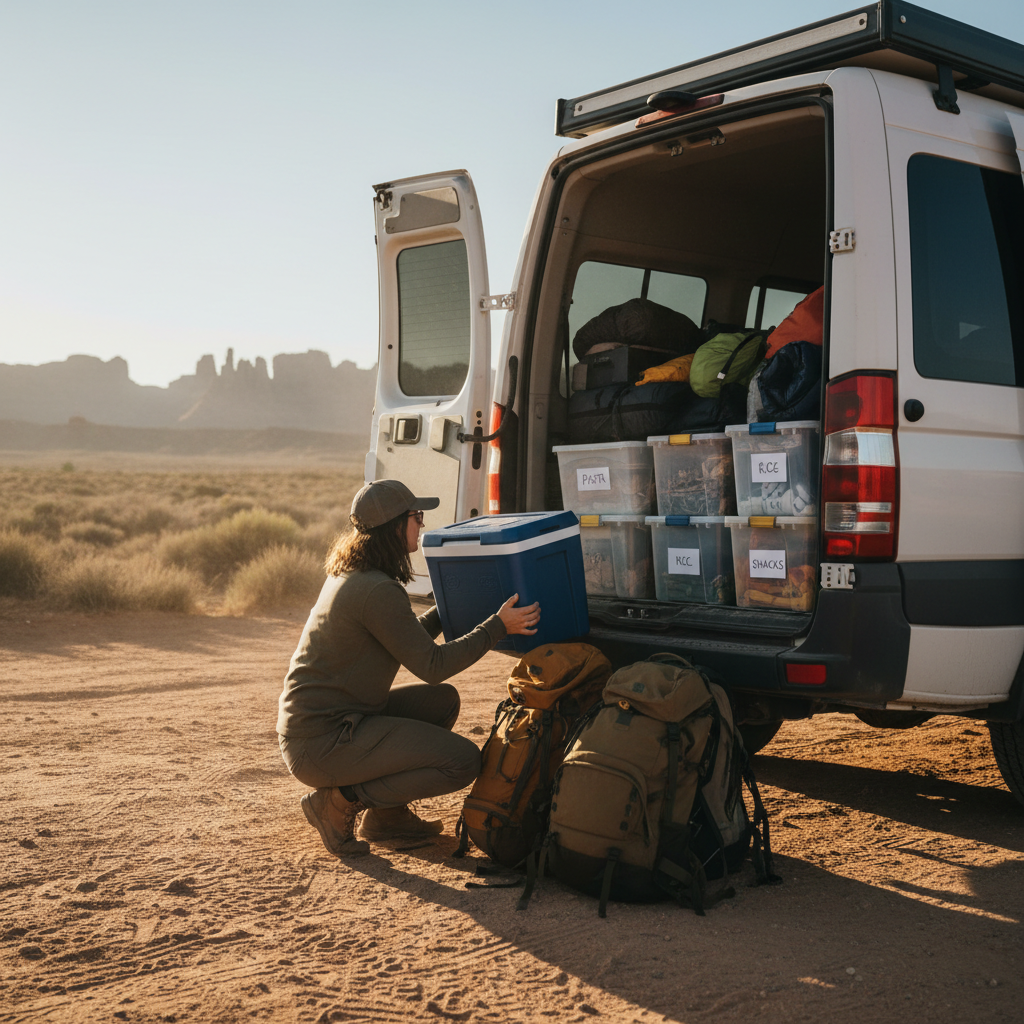
For traditional rental companies, ask whether the van class you are booking has cargo area tie-downs, a partition, or any sleeping-specific features if that matters to your trip. Most cargo van rentals do not include sleeping equipment, and some do not even have rear windows. Know what you are getting.
I would start with the peer-to-peer route only after confirming your insurance situation is sorted, because an uninsured van trip is not a trial, it is a gamble. Get that piece settled first, then compare the real total cost.
The Short Version
If your trial trip is about testing the van life experience and you want a finished build, book peer-to-peer through Outdoorsy or RVshare, confirm your insurance coverage independently, model the full cost including platform fees and mileage caps, and read the owner reviews carefully.
If your trial trip is about testing whether you can handle sleeping in a vehicle for a week before investing in anything bigger, a traditional cargo van rental is cheaper, more predictable, and easier to manage. It will not seduce you into thinking the lifestyle is better than it is, which is also useful data.
The insurance check is not optional either way. Make that call before the booking confirmation, not after the trip departs.