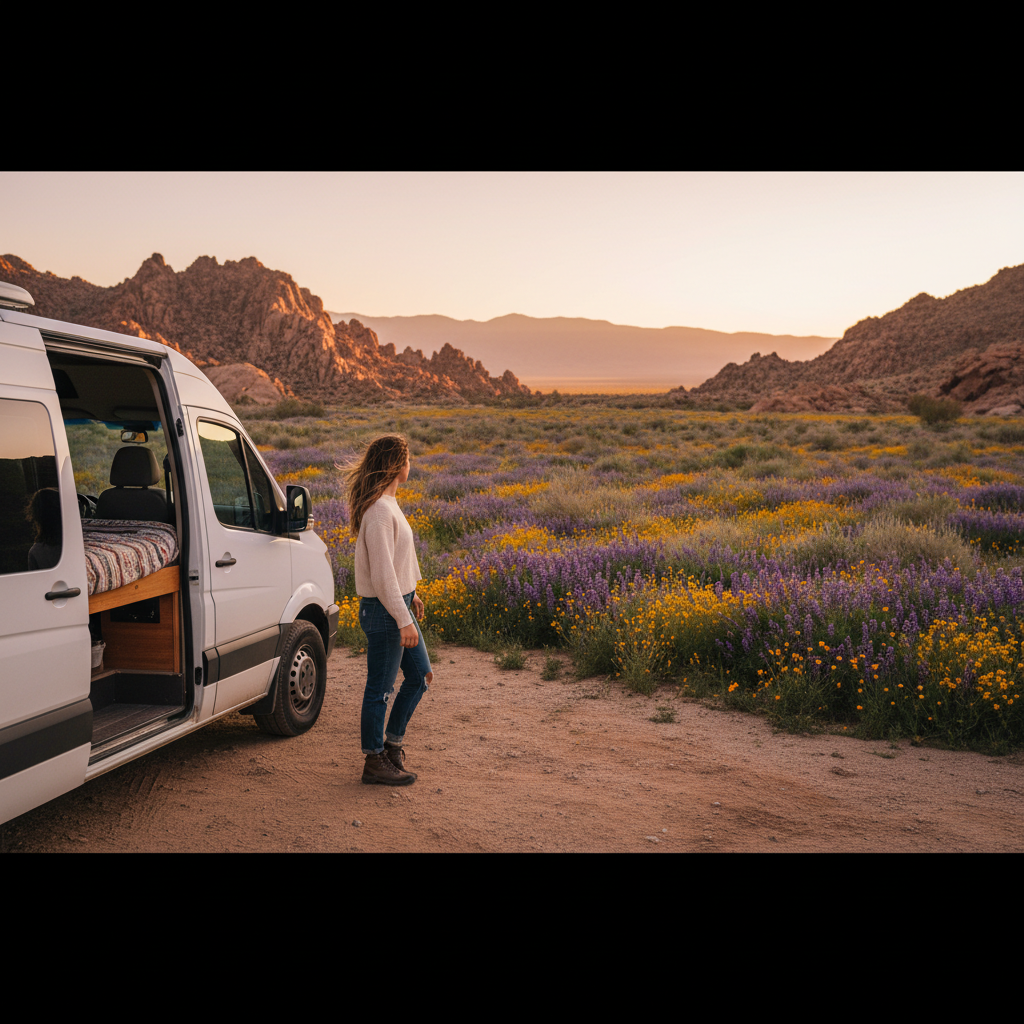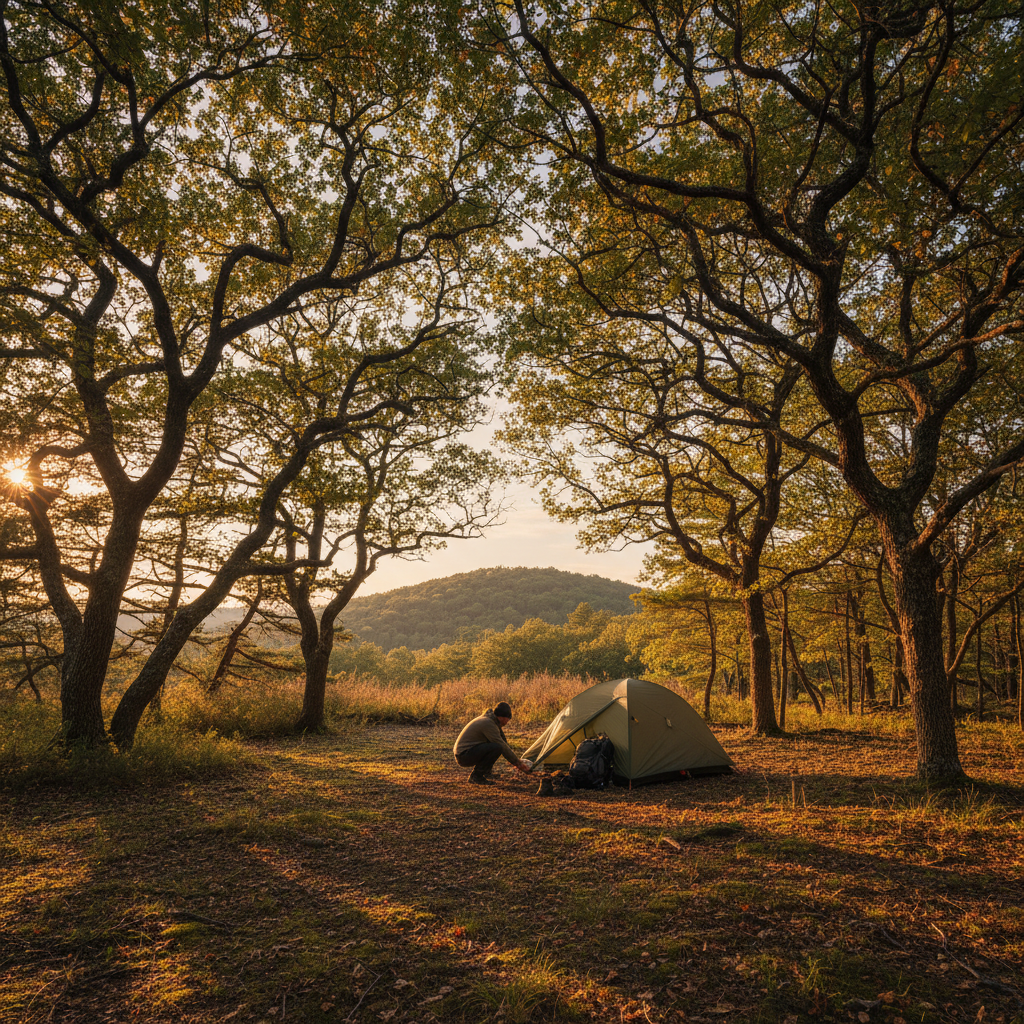
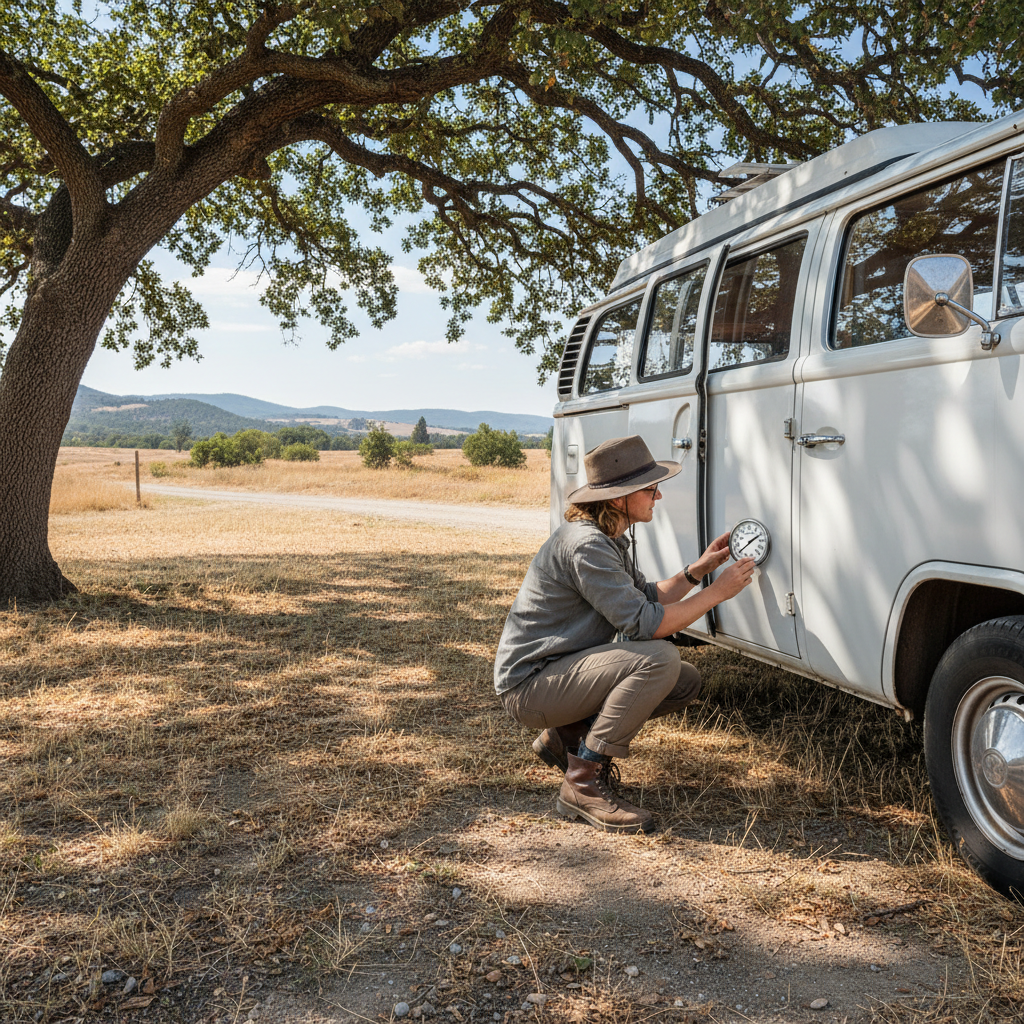

Gulf Coast campsite hosts will tell you to book your barrier island sites before February ends, and there's a reason for that. By early March, the best drive-up spots on the southern coast fill faster than inland alternatives, yet most van travelers are still circling mid-Atlantic options that haven't thawed. The window between February's last cold snaps and spring break's crowd surge is genuinely narrow, maybe three to five weeks depending on the year, and it rewards anyone who understands where the warmth actually lands first.
Early spring van travel on the southern coast isn't one decision. It's three overlapping ones: where temperatures are reliable enough for comfortable sleeping without running your furnace all night, where you can actually get a vehicle to the water, and whether the campsite you want requires a reservation months out or accepts walk-ins. Miss any of those, and you're either freezing in the Panhandle or sitting in a Walmart lot in Brunswick because Cumberland Island's ferry was sold out.
The tension worth sitting with before you plan: the most photogenic and well-known southern coastal spots are also the ones with the most restrictive access windows and the least van-friendly infrastructure. The under-the-radar alternatives aren't always worse. Sometimes they're just quieter.
Why Early Spring on the Southern Coast Is Different From Any Other Season
The southern coast in March operates on a different logic than summer or fall. Daytime highs along the Gulf from Pensacola west to Port Aransas typically run 65°F to 75°F by early March, while nighttime lows drop into the mid-40s farther north along the Georgia and South Carolina coasts. That spread matters for van dwellers more than it does for tent campers, because a van without active insulation retains ambient temperature. A 45°F night in a poorly insulated van is genuinely uncomfortable in a way a 45°F tent night isn't, since the tent fabric at least keeps wind off.
Or rather: the problem isn't the nighttime low itself. It's the combination of high humidity and coastal wind that makes a 47°F reading feel considerably colder than inland equivalents. Coastal Georgia in early March sits around 70 - 75% average relative humidity overnight, and if you're parked facing the ocean on a barrier island without windbreak, you're experiencing something closer to 40°F in practical terms. Plan for that difference, not the number on the weather app.
The Atlantic coast lagging behind the Gulf by two to three weeks in warming is a consistent pattern, not a quirk. That's why the Gulf side of Florida and the Alabama and Mississippi Gulf Coast reliably offer the best balance of warmth and crowd levels through most of March.
This article isn't covering ski-to-sea routes, high-altitude van destinations, or cold-weather overlanding. It's built specifically for people who want accessible southern coastal camping with a realistic chance of warm enough nights to leave the engine off.
The Spots Worth Knowing About and What Makes Each One Work
The Florida Gulf Coast from Apalachicola to Naples gives early spring van travelers the best range of options on the eastern seaboard. Grayton Beach State Park near Santa Rosa Beach in the Florida Panhandle runs about 140 sites with electric hookups and is far easier to book in early March than in July because the region's peak crowd season skews toward summer. The drive from the park entrance to the water is about a quarter mile on foot, which is short enough to make it functional as a base. Daytime temperatures average around 68°F in early March, nights closer to 50°F. Bring a sleeping bag rated to 40°F and you're comfortable without heat.
Further south, Myakka River State Park east of Sarasota is underused by van travelers because it reads as an inland option. It's 45 minutes from the Gulf, which sounds like a compromise. The practical reality is that coastal sites at Fort De Soto County Park near St. Petersburg book out weeks or months ahead for prime spring slots, while Myakka's loop campsites often have March availability with a reasonable advance reservation. Fort De Soto is the better waterfront experience; Myakka is the smarter fallback when you're planning on short notice.
On the Atlantic side, Cumberland Island National Seashore off the Georgia coast is genuinely extraordinary but genuinely difficult. The only vehicle access is via ferry from St. Marys, which means your van stays on the mainland. You're camping with gear you carry. If that's your style, the Sea Camp campground accepts reservations through Recreation.gov, and early March availability is better than summer but far from guaranteed. Buyers skip the ferry logistics until burned by missing the cutoff.
The Gulf side of Texas from Corpus Christi to South Padre Island opens another lane. Padre Island National Seashore allows primitive beach camping on its North Beach stretch with a permit, and in early March it's one of the least crowded legitimate drive-on beach camping experiences in the lower 48. The sand conditions vary, and four-wheel drive isn't mandatory but is strongly recommended for anything beyond the first quarter mile past the paved access road. Check the National Park Service conditions page before driving in; washouts after winter storms can make sections impassable for weeks.
Check vehicle clearance, drive type, and permit requirements before arriving at any beach-access spot. Walking out a stuck van from soft Gulf sand with no cell service is a real scenario, not a theoretical one.
Reservation Logistics and the Free Camping Reality
Free camping on the southern coast in early spring exists, but it's concentrated in specific types of land and it requires knowing which agencies manage which parcels. Dispersed camping on national forests adjacent to coastal areas is the most reliable option. The Apalachicola National Forest in Florida's Panhandle permits dispersed camping in many areas outside designated campgrounds with no fee and no reservation, though sites must be at least 150 feet from water sources and roads according to general Leave No Trace principles applied there. Confirm current rules directly with the Apalachicola Ranger District before relying on that.
Bureau of Land Management land is limited along the immediate southern Atlantic and Gulf coasts compared to the West, which catches a lot of van travelers off-guard. The BLM's presence in the Southeast is sparse, and the free-camping density per mile of coastline is nowhere near what you'd find in Arizona or Nevada. Adjust expectations accordingly.
State-managed wildlife management areas in Florida and Georgia often allow camping with a free or low-cost quota permit. The Florida Fish and Wildlife Conservation Commission website lists WMA camping rules by unit, and some units adjacent to coastal areas have walk-in or drive-in primitive spots that stay uncrowded through March. That's a genuinely useful resource that doesn't show up in most van travel guides.
The realistic free-camping picture for early spring southern coast trips looks like this: two or three nights of free dispersed camping on national forest or WMA land, alternating with paid state or county park nights for showers and shore access. Trying to string together five nights of free coastal camping in Florida or Georgia without driving significant distances between sites is harder than the van forums make it sound.
Weather Risk and the One Condition That Changes Everything
Early spring on the southern coast carries real severe weather risk that gets glossed over in most trip-planning content. March is within the Southeast's primary tornado season, and coastal areas from the Panhandle through Georgia are not immune. The Storm Prediction Center's outlooks are the correct resource here, not general weather apps, because SPC distinguishes between marginal and enhanced risk levels in ways that matter for camping decisions. An enhanced or moderate risk day is a serious signal to have a plan for hard shelter.
Van travelers without a built-in storm shelter plan should not camp in open coastal areas during active tornado watches. That's not alarmism. It's the condition under which everything else in this article becomes irrelevant. A van is among the least safe structures in a tornado scenario.
Beyond severe weather, cold fronts push through the Gulf South in early March with regularity and can drop temperatures 20°F overnight. The practical ceiling for comfortable van camping without a diesel heater or equivalent is around 45°F overnight low. Below that, comfort depends heavily on your insulation setup. If you're working with a cargo van conversion that isn't well insulated, the Alabama and Mississippi Gulf Coast in early March is borderline, not reliably warm. The Florida Gulf south of Tampa Bay is more consistent.
If you skip the weather monitoring step entirely and rely on booking confirmations to drive your schedule, you'll eventually camp through a miserable cold front or worse. The SPC app takes thirty seconds to check.
Building a Weekend Route That Actually Works
A three-night early spring van escape along the Gulf Coast that holds together in practice looks something like this: arrive Thursday evening at a dispersed spot in Apalachicola National Forest for a free night, move Friday to a reserved site at Grayton Beach or St. Andrews State Park near Panama City Beach for two nights, then flex Sunday based on weather. That structure gives you one free night, two nights of reliable waterfront access, and a built-in bail-out if conditions shift.
I'd start the route south of the Panhandle if possible, meaning push past Pensacola toward Fort Walton Beach or Destin for your first paid stop. The western Panhandle beaches run whiter sand and calmer surf in March than the Atlantic alternatives, and the tourist density hasn't peaked yet. The tradeoff is that cell coverage gets thin in spots between Apalachicola and Carrabelle on Highway 98, which matters if you're relying on mobile data for navigation.
For the route to work, nail these three things in order before leaving home: confirm campsite reservations at least two weeks out (Recreation.gov and Reserve America cover most Florida state parks), download offline maps for the stretches of coastal highway with poor signal, and check the SPC seven-day outlook the night before you depart. Everything else is adjustable on the road.
One underrated detail: sunrise direction. On the Gulf Coast, you're getting sunsets over water, not sunrises. Atlantic-side sites from Georgia south get the morning light on the water. Neither is objectively better, but if you're a morning person who wants that specific experience, it changes which coast makes sense for you.
Gear and Van Setup Priorities for This Specific Environment
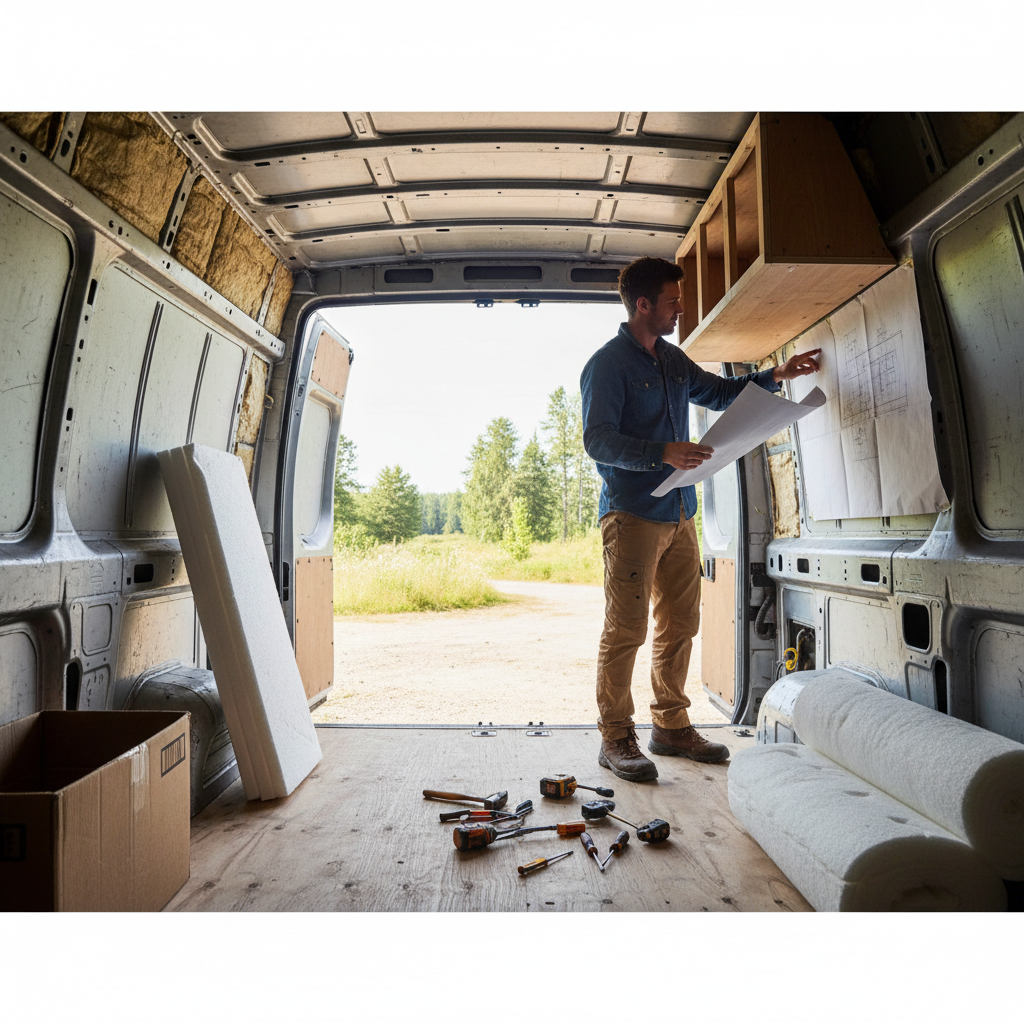
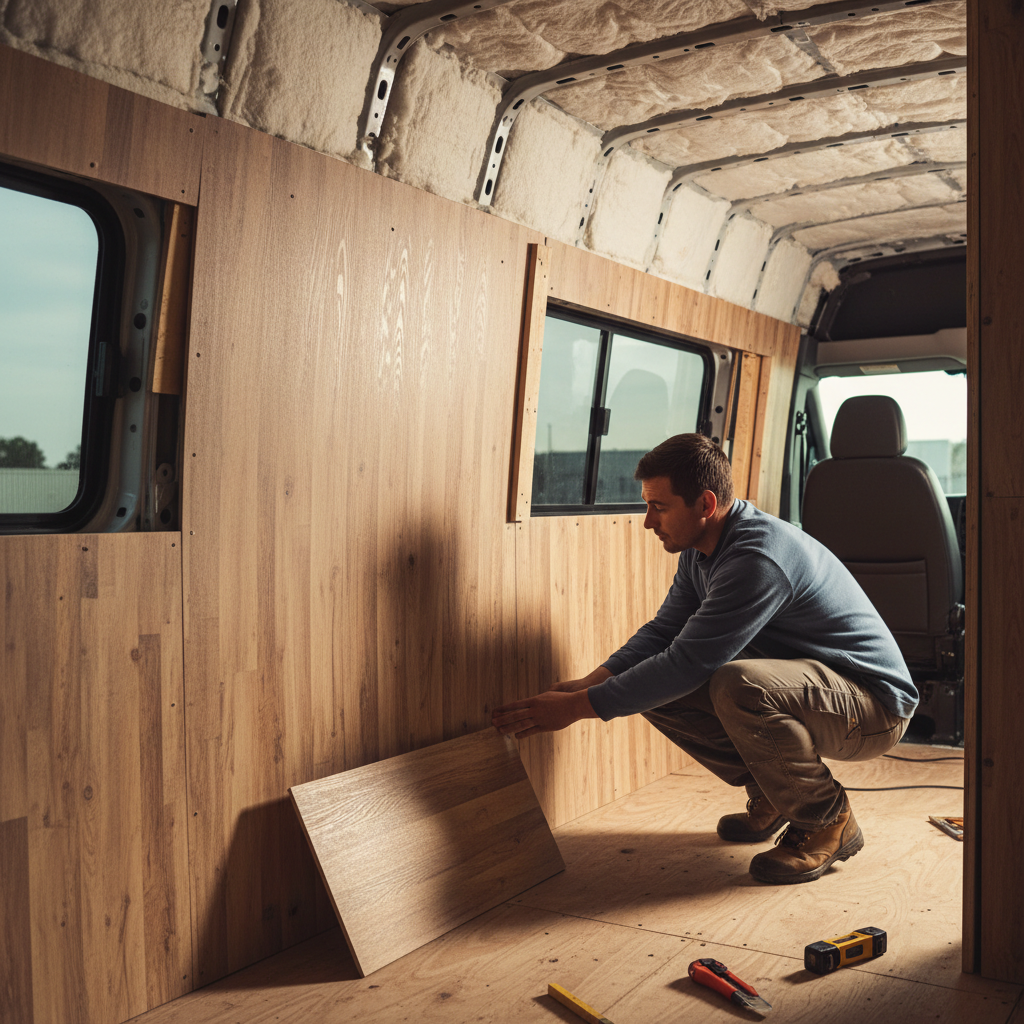
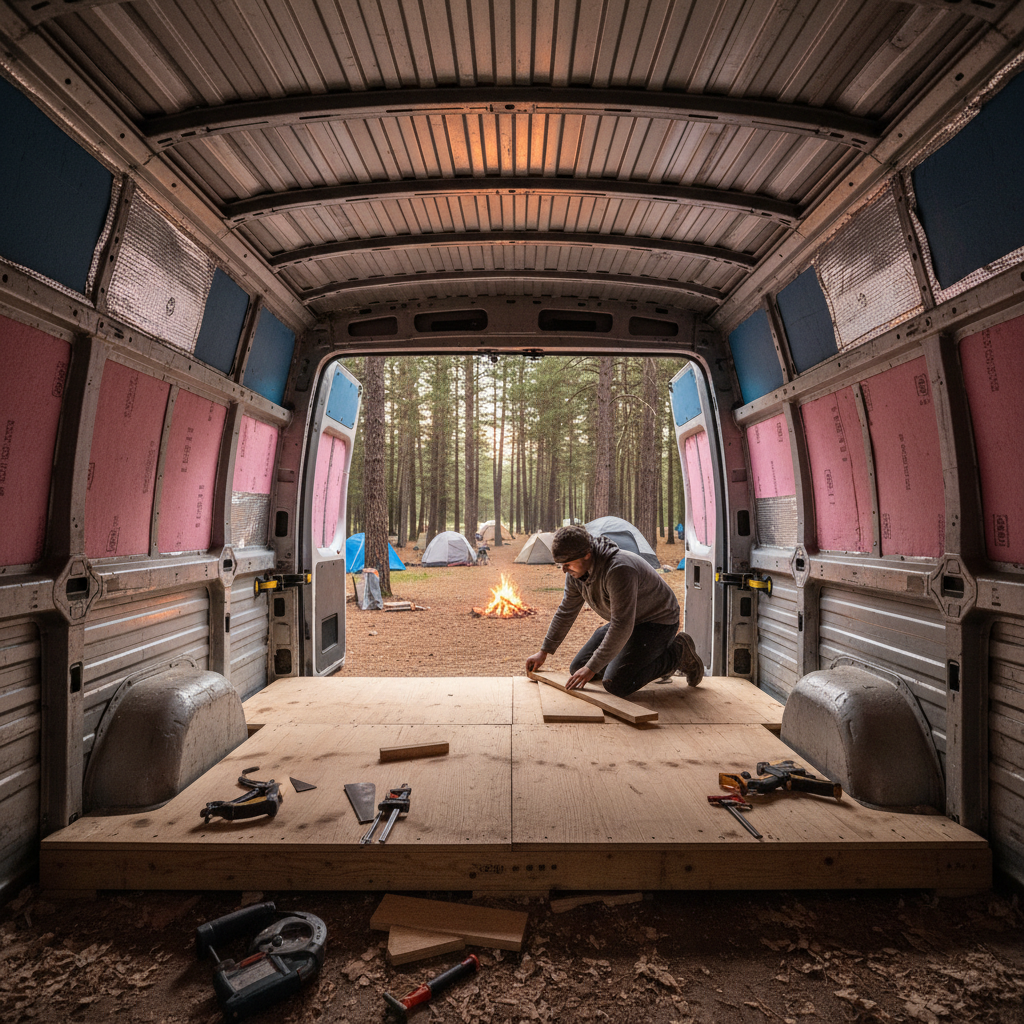
Coastal early spring in the South has a specific gear profile that differs from desert or mountain van camping. Humidity is the dominant factor. Condensation management inside the van matters more than it does in dry climates. A vapor barrier on your wall panels and a small dehumidifier or moisture absorbers (the passive DampRid type is adequate for short trips) prevents the mold and musty smell that accumulates fast in a poorly ventilated coastal build.
A quality roof fan with a rain sensor is borderline mandatory for Gulf Coast camping in March. The nights are warm enough that you want airflow, but coastal rain squalls arrive fast and the window for closing a roof vent manually can be a few minutes. Brands like Maxxair and Fan-Tastic Vent both make units with auto-close on rain detection; either works. This isn't aspirational gear; it's functional for the environment.
Tire pressure for beach driving is the other practical lever. Airing down to 15 - 20 PSI for soft sand entry is a common guideline among beach drivers, with re-inflation before returning to pavement. A portable 12V compressor for re-inflation isn't optional if you're driving onto any permitted beach. This is a practical heuristic based on widely shared off-road guidance, not a manufacturer specification, so calibrate to your vehicle's placard rating and the specific beach conditions.
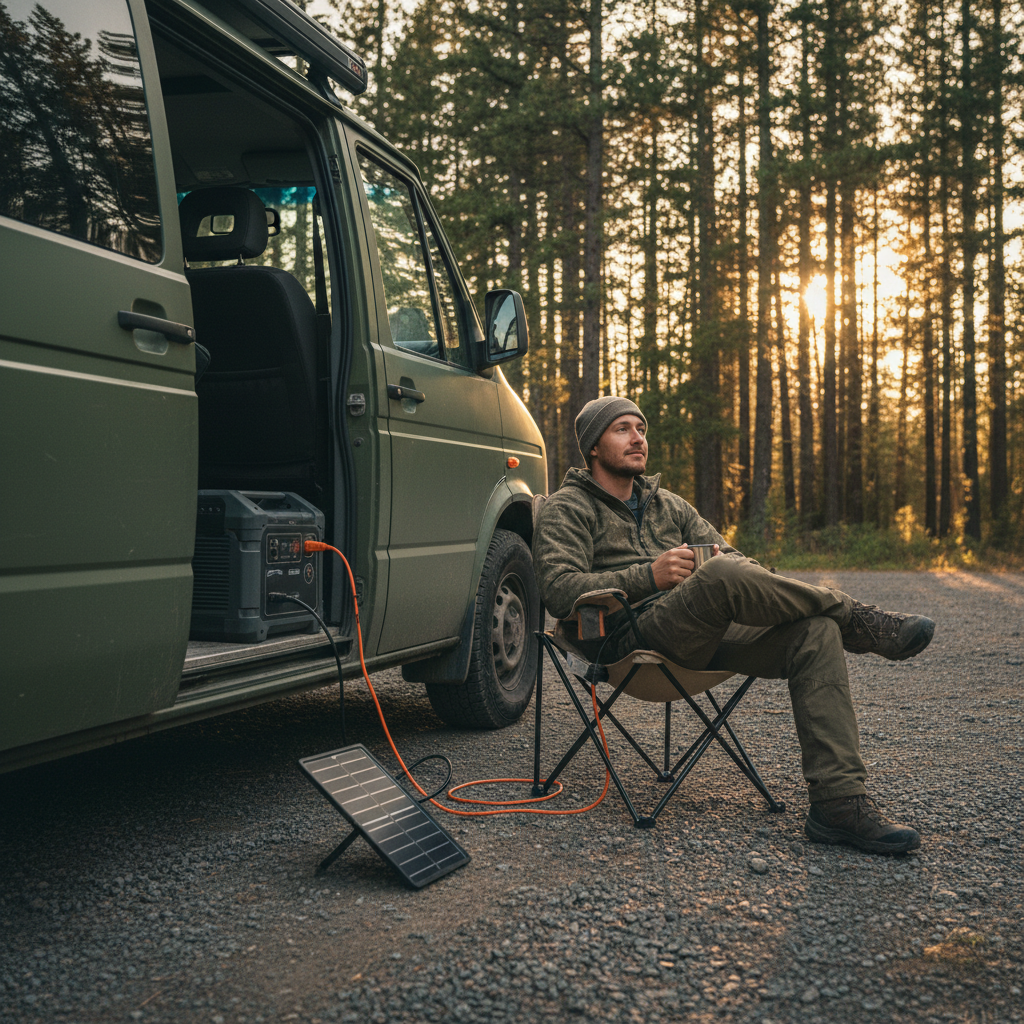
What you don't need for this route: a 200Ah lithium battery setup, a roof rack loaded with overlanding gear, or a diesel heater rated for subzero temps. The southern coast in March is accessible for van builds that are genuinely modest. The people who struggle are usually the ones who over-prepare for the wrong conditions while under-preparing for humidity and weather monitoring.