
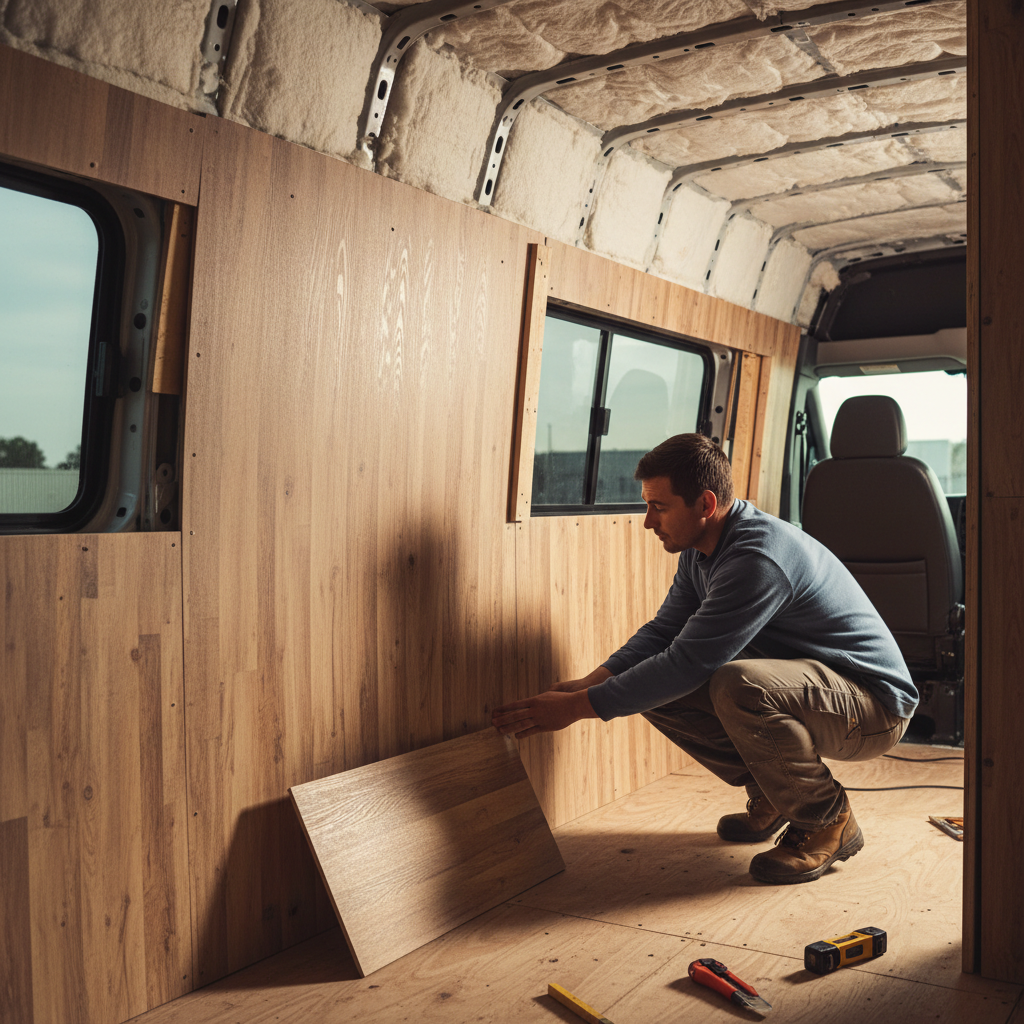










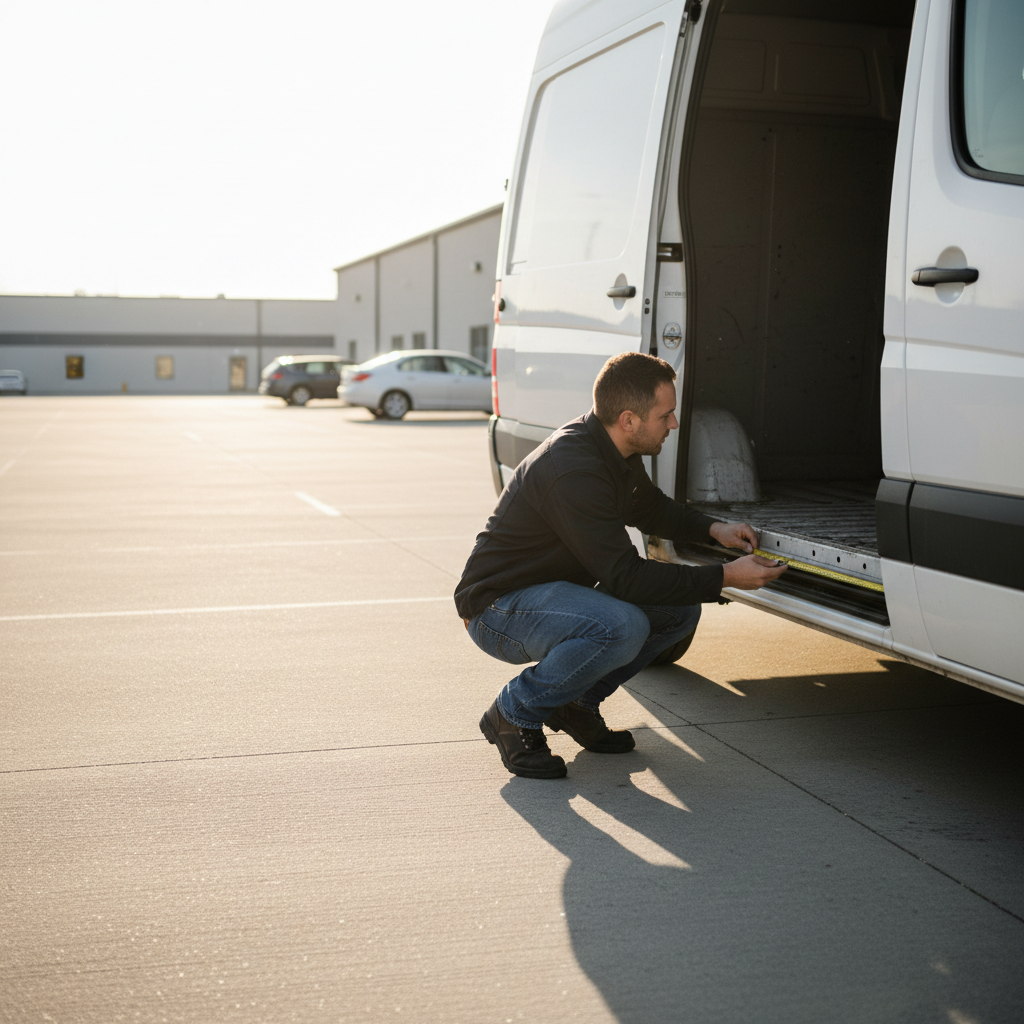



A weekend-only buyer standing in front of two camper vans, one priced at $45,000 and one at $22,000, is not looking at a simple deal. The gap between a new camper van and a comparable used one can easily exceed $20,000 in the US market, and that figure deserves more scrutiny than most buyers give it before signing.
The standard advice is to buy used and let someone else absorb the depreciation hit. For a lot of weekend buyers, that advice is genuinely sound. But the calculation changes fast once you factor in how often you'll actually use the van, what you're willing to deal with on a Saturday morning in a campground parking lot, and whether the specific used van in front of you has had its core systems checked by someone who knows what to look for.
This is not an article for buyers planning full-time van life or cross-country road trips. If you're converting a bare cargo van or outfitting for extended travel, the math here won't apply cleanly to your situation. This is specifically for the person buying a weekender: Friday-night departures, Sunday-afternoon returns, maybe 30 to 60 outing days per year.
The tension that most buyers never resolve is this: used vans save money upfront but shift risk onto you in ways that are hard to price until something goes wrong at an inconvenient time.
Why Depreciation Alone Doesn't Decide This
New camper vans in the US lose roughly 15 to 20 percent of their value in the first year, according to general RV and specialty vehicle depreciation patterns that dealers will confirm if you ask directly. On a $50,000 Class B van, that's $7,500 to $10,000 gone before you've taken a second trip. Buying used at the two- or three-year mark does let you sidestep that hit. That much is real.
Or rather: that framing misses something. The buyer who purchases new and holds the van for seven to ten years absorbs that first-year drop, yes, but they also get a known maintenance history, a factory warranty (typically three years bumper-to-bumper from major manufacturers like Winnebago or Thor), and no mystery fluids in the engine bay. The buyer who purchases a three-year-old used van at a $12,000 discount may be inheriting $4,000 worth of deferred maintenance that the previous owner didn't bother to document. Those numbers are close enough that the depreciation argument isn't automatically decisive.
What actually drives the decision for a weekend buyer is utilization math. If you use the van 40 weekends per year, a new van amortizes its premium across enough trips that the per-use cost shrinks to something manageable. If you use it 15 weekends per year, that same premium sits on the balance sheet a long time. A practical guideline, not an official threshold: buyers who expect fewer than 25 to 30 weekend trips per year get better value from a well-inspected used van. Above that frequency, the warranty and peace of mind that come with new start to earn their cost.
The alternative most buyers overlook is renting before buying at all. Outdoorsy and RVshare both list camper vans by the weekend, typically in the $150 to $350 per night range depending on region and van type. Two or three rental weekends will tell you more about whether you'll actually use a van 40 times a year than any amount of planning will. Buyers who skip the rental phase and purchase directly, then use the van eight times before it sits in a driveway, don't get that money back.
What a Used Van Actually Needs Before You Trust It
The mechanical systems that fail most often on used camper vans are not the ones that get the most attention in listings. Sellers lead with the bed, the kitchen, and the solar setup. The systems that will strand you or ruin a trip are the ones underneath: the house battery bank, the auxiliary electrical system, the roof seams, and the water pump.
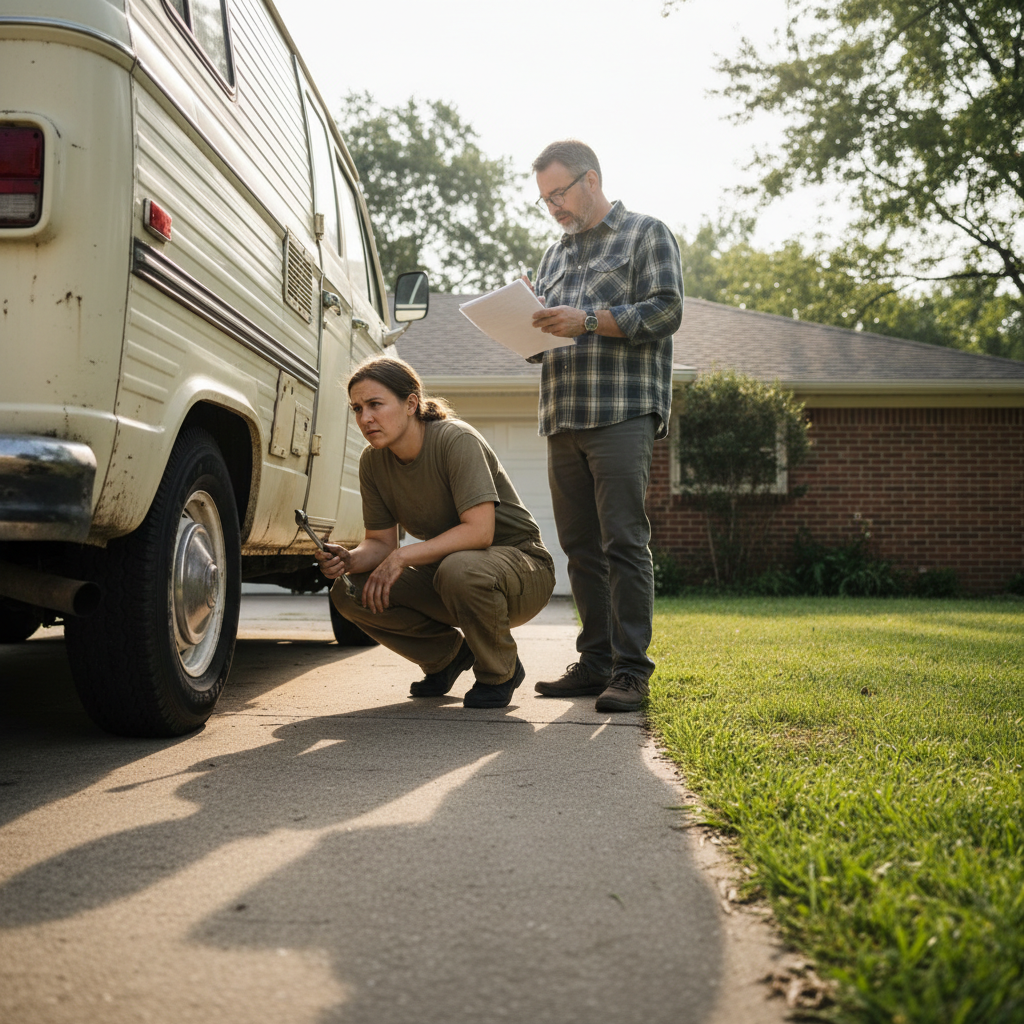
Before purchasing any used camper van, get these four things checked, in order of priority: a pre-purchase inspection (PPI) by an RV-certified technician (not a general automotive mechanic), a roof inspection for delamination or sealant failure, a load test on the house batteries, and a full drain-and-refill of the fresh water tank with a check for pump pressure. An RV-certified technician can be found through the Recreation Vehicle Industry Association (RVIA) technician locator. Expect to pay $150 to $300 for the inspection. That fee has saved buyers from vans with hidden water damage more times than dealers would like to advertise.
Roof delamination is the one defect that is expensive to repair and nearly invisible to an untrained eye. A soft spot anywhere along the roof skin, even a subtle one, usually means water has been sitting in the substrate for months. Repair costs on a delaminated roof can run $3,000 to $8,000 depending on extent, and that work is not covered by most used vehicle warranties. If you're buying privately rather than from a dealer, walk away from any van whose seller is reluctant to let you bring an inspector.
House batteries on a used van deserve their own conversation. Lead-acid batteries degrade after three to four years of weekend use; lithium iron phosphate (LiFePO4) batteries last longer but cost more to replace when they go. A load tester, which any RV shop will use during a PPI, will tell you whether the existing bank holds 80 percent or more of rated capacity. Below 80 percent, the bank is functionally degraded and needs replacement sooner rather than later. Budget $400 to $1,200 for a lead-acid swap or $1,500 to $3,000 for lithium, depending on bank size.
The Case for New: When It Actually Makes Sense
Buying new is not a mistake for a weekend buyer. It's a specific trade: you pay more upfront and get certainty in return. That trade is worth taking under identifiable conditions.
The buyer who will use the van heavily, who has no tolerance for mechanical surprises, or who plans to keep the van for ten or more years has a reasonable case for new. Warranty coverage from manufacturers like Winnebago (Travato, Solis) or Thor (Sanctuary) typically runs three years on the coach and one year on appliances, with drivetrain warranty dependent on the base vehicle manufacturer, usually Ford Transit or Mercedes Sprinter at two to three years. That coverage matters most in years two and three, when early manufacturing defects surface but the van is still relatively new.
There's also a financing angle worth knowing. New camper vans often qualify for RV loan rates from credit unions and specialty lenders at lower APRs than used vehicles, particularly for buyers with strong credit. The difference between a 7.5 percent used-vehicle loan and a 6 percent new-vehicle loan on a $45,000 purchase over ten years is roughly $4,200 in total interest, which partially offsets the depreciation disadvantage. Check with your credit union before assuming used financing will be cheaper overall.
And some buyers simply don't want to spend their first six months of van ownership troubleshooting someone else's electrical wiring decisions. That's a legitimate preference, not a failure of financial discipline.
When Used Makes Sense and When It Doesn't
Used wins on price when the van has a documented service history, passes a professional inspection, and is priced to reflect its actual condition rather than its aspirational listing value. The sweet spot in the US market is typically two to four years old, bought from an original owner who used it lightly and kept records. Avoid high-mileage vans over 80,000 miles unless the base vehicle (Sprinter, Transit, Promaster) has had its major service intervals completed and documented. Transmission and timing chain service records on a Sprinter, for example, are worth asking for specifically.
Used is the wrong call in three situations. First: if the van has had any roof repair or shows signs of prior water intrusion and the seller cannot document what was done and by whom. Water damage in an RV is rarely fully remediated; it migrates. Second: if you're buying from a private seller who acquired the van recently (under a year ago) and cannot explain why they're selling. Flip sellers exist in the used camper van market and some do light cosmetic work to mask structural problems. Third: if you genuinely lack either the mechanical confidence to handle a roadside breakdown or the roadside assistance coverage (Good Sam, AAA RV Plus, or similar) to get help when one happens.
If you do nothing else before buying used, do these three things: pay for the professional inspection, run a vehicle history report through Carfax or AutoCheck, and call the RVIA or your state's RV dealer association to verify whether the seller's claimed service history checks out against any warranty registration records.
Ignore the inspection and you're not saving money. You're deferring its cost to a worse moment.
Making the Final Call
If you expect to use the van more than 25 weekends a year and plan to keep it at least seven years, a new van from a manufacturer with a documented warranty and a strong dealer service network is the more defensible purchase. If you expect lighter use, have some mechanical tolerance, and can get a clean inspection on a two- to three-year-old van priced meaningfully below new, used is the smarter financial move for most first-time weekend buyers.
But the used van has to pass inspection. Not probably pass. Actually pass, with a written report from an RVIA-certified technician. A used van that skips this step is not a deal; it's a gamble with a four-figure minimum downside.
I'd start with a rental weekend or two before committing to either path. Not because buying is risky, but because 48 hours of actual use will answer questions about layout, sleep quality, and how much you actually cook in the van that no amount of YouTube walkthroughs will settle for you.
The buyer who buys on enthusiasm without that test run is the one most likely to sell the van in 18 months at a loss. The depreciation curve on a van you resell after two years looks a lot worse than the one you keep for a decade.