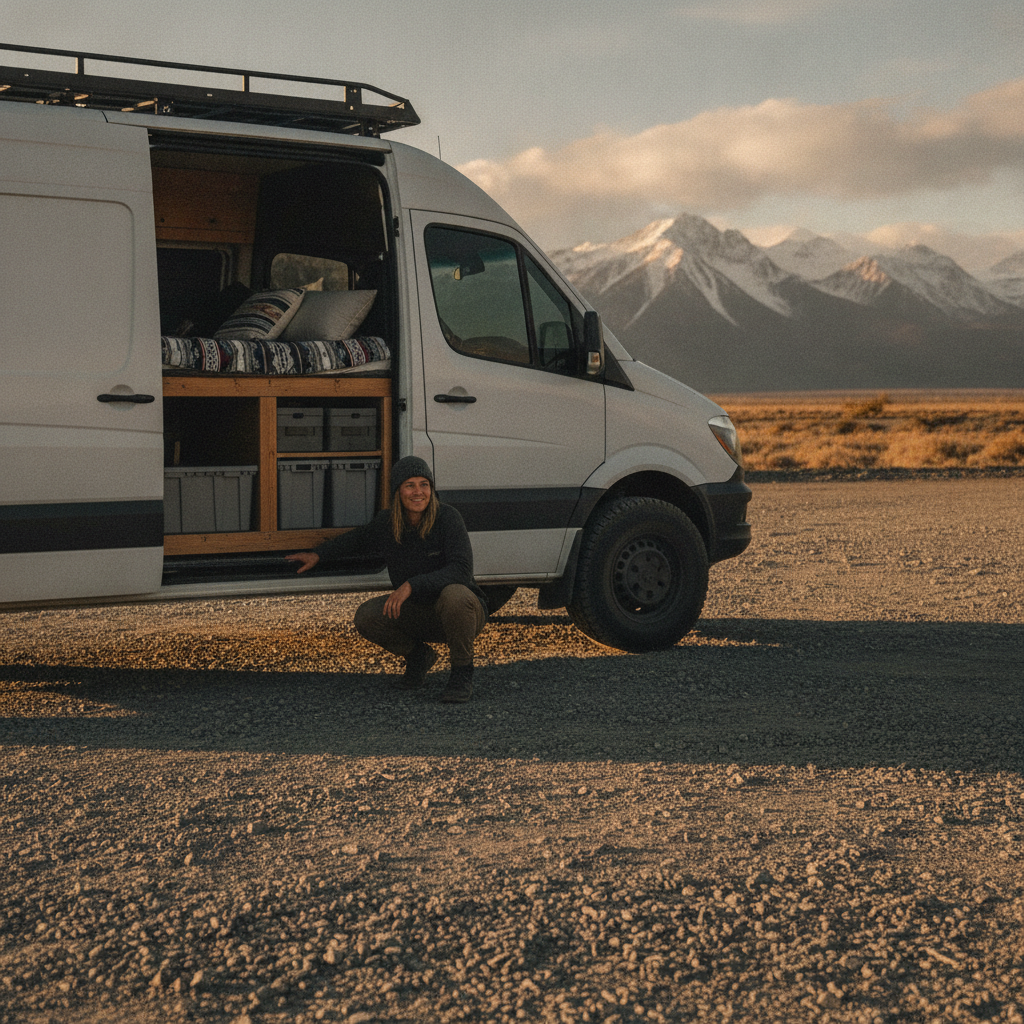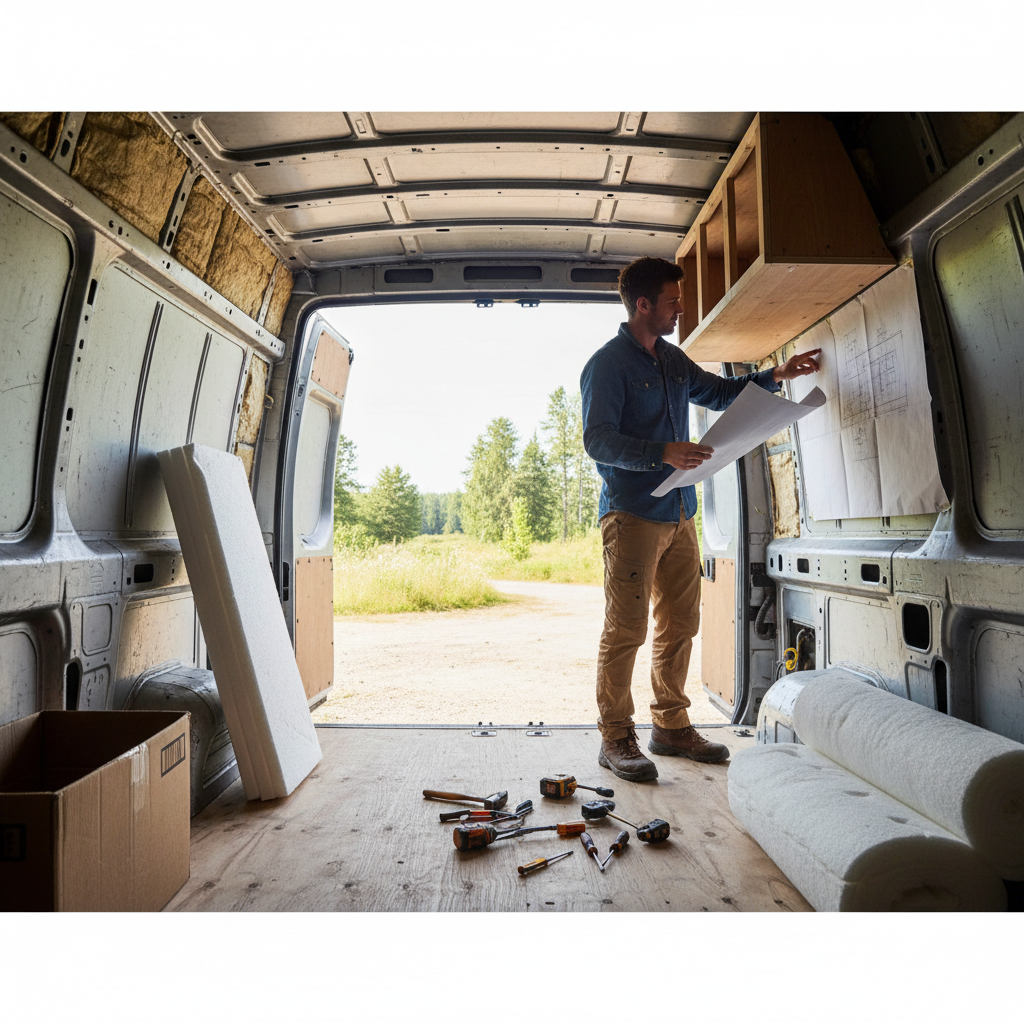




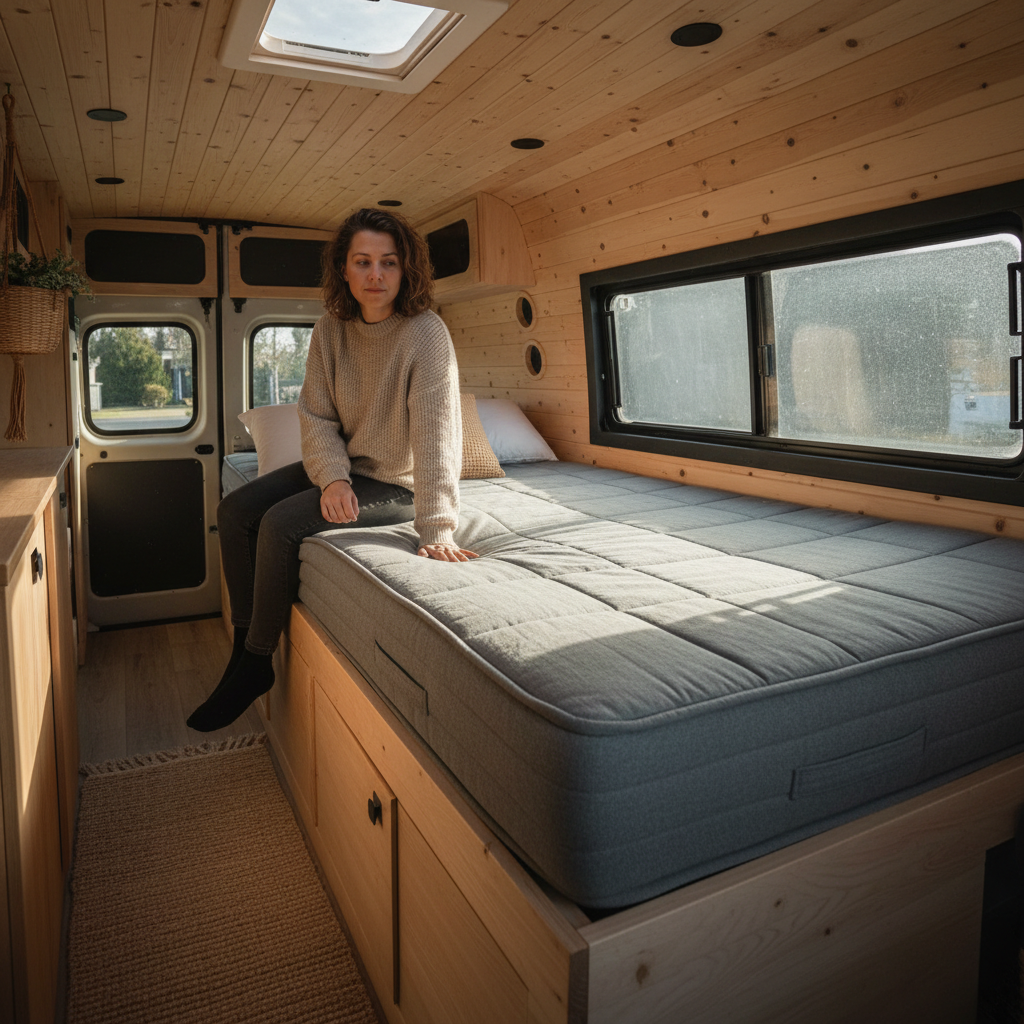









Van rental companies will tell you to book a test drive, then walk away satisfied. But anyone who has spent a weekend in a cargo van only to discover its blind spots on the highway, or its fuel economy under load, knows that a single rental barely scratches the surface. Two rentals change the math.
The question of whether renting the same van twice before buying is worth the cost turns on three variables most buyers underestimate: how different your use cases actually are, whether the first rental surfaced a problem you need to deliberately re-test, and what that rental spend represents as a fraction of the purchase price. Rent a sprinter-class van twice at $120 a day and you've spent maybe $500 with fees. On a $45,000 purchase, that's barely one percent.
Here's the tension most buyers never resolve: a single rental tells you how a van feels; a second rental tells you whether you can live with it. Those are not the same question, and conflating them is what sends buyers back to the dealership with regrets they could have avoided for the cost of a long weekend.
When the Second Rental Actually Changes the Decision
The case for a second rental is strongest when your first rental exposed something ambiguous rather than something clearly wrong. Clearly wrong is easy: if you hated the turning radius in a parking garage, you're done. But ambiguous is expensive. Maybe the driver's seat felt borderline after six hours. Maybe you weren't sure if the cargo floor was genuinely too short for your equipment, or if you'd loaded it poorly. A second rental lets you run a controlled re-test, not a repeat experience.
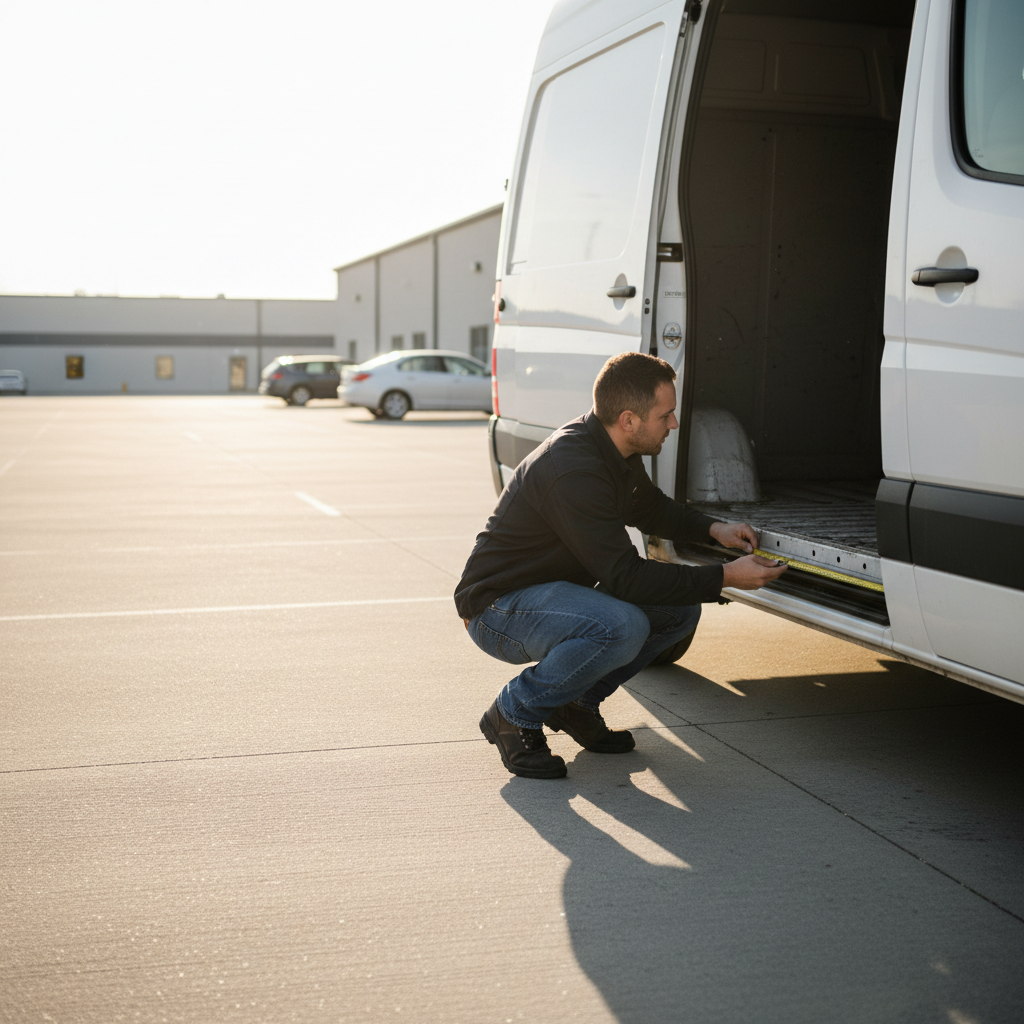
I'd start with a deliberate checklist before booking that second rental: the specific concern from rental one, the exact load or route you need to simulate, and the deal-breaker threshold you're trying to confirm or rule out. Check cargo length against your actual gear, maximum payload against your typical haul weight, and whether the driver position works across a full day, not just an hour. Without that structure, the second rental produces feelings, not data.
The second rental also earns its cost when you're choosing between two finalists. Renting model A once and model B once is a fair comparison. Renting model A twice when model B is still untested is a different calculation entirely, and probably the wrong one. That framing misses something: the second rental of the same van is most defensible when you're past comparison and into verification.
But here's who should skip the second rental entirely: buyers whose first rental was genuinely comprehensive, meaning a full day of actual work, actual cargo, and actual routes. If you already ran it hard and it passed, a second rental is unlikely to surface new information. Paying twice for the same confidence is waste, not diligence.
The Real Cost of Skipping Both Rentals
Buyers who skip pre-purchase van rentals altogether aren't saving money. They're deferring the cost of being wrong.
A van that turns out to be the wrong fit typically costs real money to exit. Selling a used van privately within the first year often means absorbing depreciation that runs several thousand dollars on a mid-sized cargo van. Trade-in values at dealerships are consistently lower than private sale prices, and that gap widens when you're trading a van you clearly didn't want long. Or rather: the issue isn't that buyers make bad choices on purpose. It's that they make reasonable guesses with insufficient information, then pay full price for the error.
There's also the time cost. Listing, showing, negotiating, and transferring a van you bought six months ago is easily a two-to-three week process in most US markets. Add the transaction friction, and a pair of rentals at $500 total looks like a bargain against an exit that costs you $3,000 in depreciation and three weeks of your calendar.
The counterfactual matters here. A buyer who skips both rentals and buys wrong doesn't just lose money on the sale. They also spend months operating a tool that doesn't fit the job, which has its own productivity cost that rarely gets counted.
What Two Rentals Can and Cannot Tell You
Two rentals of the same van model give you a reliable read on ergonomics, cargo fit, visibility, fuel behavior under your typical load, and how the van handles on the route types you actually drive. That's a meaningful data set. It's not a substitute for a pre-purchase inspection by an independent mechanic, and it won't tell you anything about the specific unit's maintenance history.
This article is not about whether to rent before buying in general. It's specifically for buyers who are past comparison shopping and are trying to decide whether a second rental of their leading candidate adds decision value. Buyers still choosing between three or four models should rent different vans, not the same one twice.
The used van market adds a wrinkle worth naming. If you're buying used, the rental van is likely a different year or trim than the unit you'll purchase. That gap matters more for older model years where known issues, like transmission behavior in certain mileage ranges on some Sprinter generations or the ProMaster's front suspension wear pattern, may not show up in a low-mileage rental unit. Two rentals can still validate the platform, but they won't validate the specific truck.
Put more precisely: renting twice validates your fit with the van's design and dimensions. It does not validate the individual vehicle's condition. Those are separate verifications, and conflating them leads buyers to over-rely on rental experience and under-invest in inspection.
The Break-Even Calculation
Running the numbers on two rentals versus the cost of a wrong purchase doesn't require a spreadsheet, but it does require honest inputs.
A common guideline among fleet buyers is that pre-purchase evaluation costs up to one percent of the purchase price are worth absorbing without further analysis. On a $35,000 used cargo van, that puts the no-brainer threshold around $350. Two day-rentals of a comparable van from a national rental company, including fees and insurance, typically land in the $250 to $500 range depending on the market and van class. That guideline suggests the math usually clears on its own for mid-range purchases.
Where it gets interesting is on the lower end. If you're buying a $12,000 used work van, two rentals at $450 total represent nearly four percent of the purchase price. That's a different conversation. At that ratio, the second rental only makes sense if your first rental surfaced a specific, unresolved concern that is genuinely worth $200 to answer. If the first rental was clean and the van checked out, book the inspection, not the second rental.
The derived number that matters: take your expected exit cost if the purchase goes wrong (a practical heuristic: budget 8 to 12 percent of purchase price for depreciation plus transaction costs in the first year) and compare it against rental spend. On most purchases above $20,000, two rentals cost less than five percent of your likely downside. Below $15,000, run the individual numbers before committing to a second rental.
Making the Second Rental Count
If you've decided the second rental is warranted, treat it as a structured test, not a repeat of the first.
Change at least one major variable: load weight, route type, or duration. If your first rental was a half-day urban run, book a full day with highway miles and cargo on board. If you tested it empty, bring the actual equipment or an equivalent weight. The second rental should answer the question your first rental left open, not confirm that you still like the van.
Three things to document during the second rental: how the driver position holds up past hour four, whether cargo access matches your actual workflow (not an imagined one), and fuel consumption against your anticipated mileage. That last number is worth calculating explicitly. If your use case is 18,000 miles per year and the van returns 16 mpg loaded versus the 20 mpg you budgeted for, that delta costs roughly $600 to $900 annually at current US average gas prices, depending on your region. That's real money across a five-year ownership window.
Book the second rental from a different location if the rental company's fleet allows it. Small differences in maintenance between units occasionally surface issues with the platform that a single well-maintained rental van would mask. It's not a guarantee, but it marginally increases the information value of the second outing.
Buyers sometimes skip both rentals and then describe the result as bad luck. It's not luck.