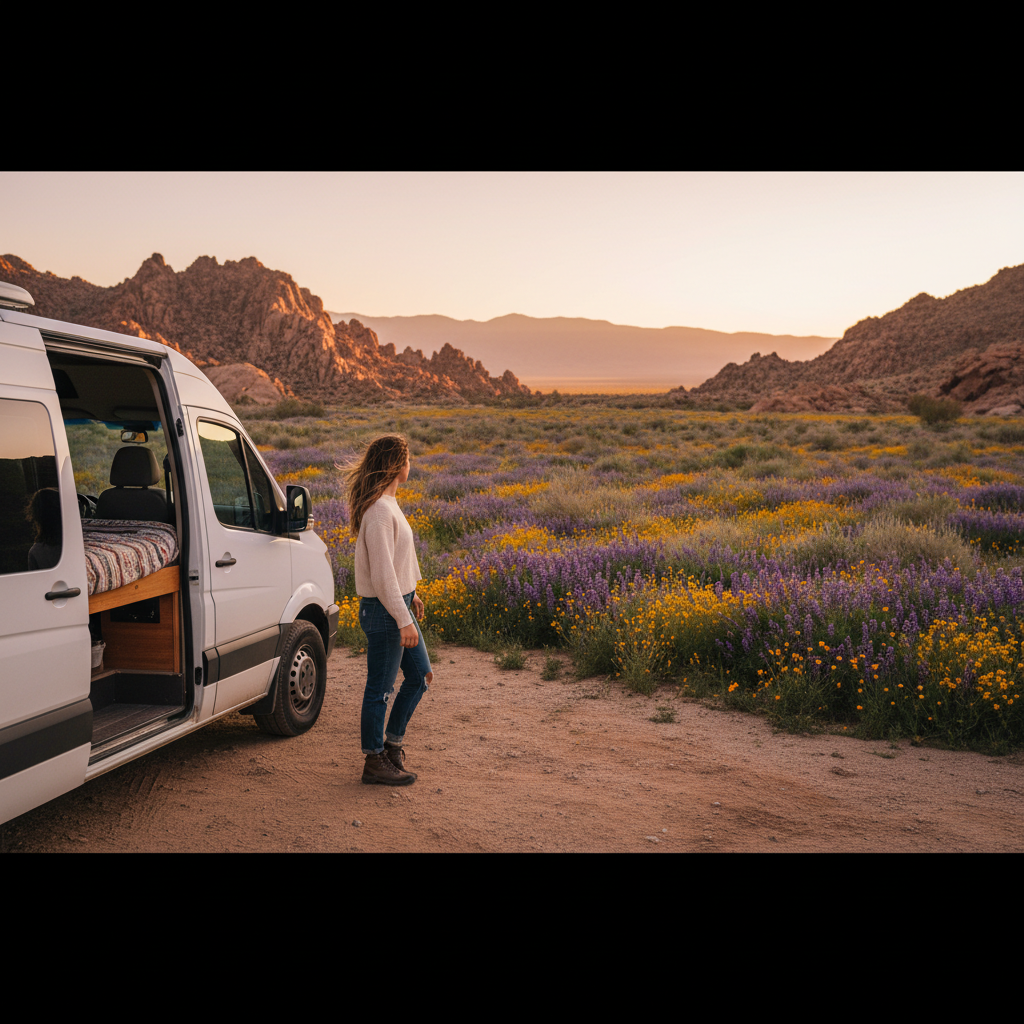
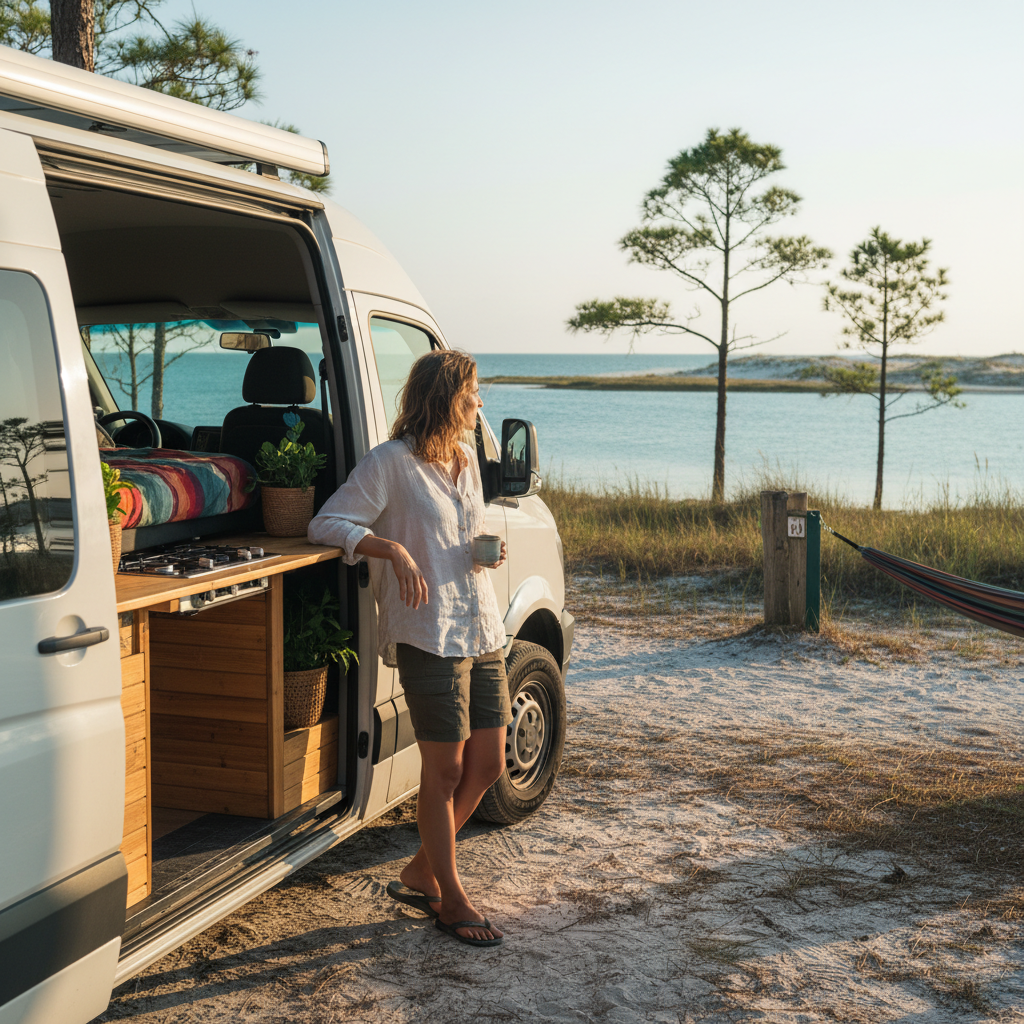
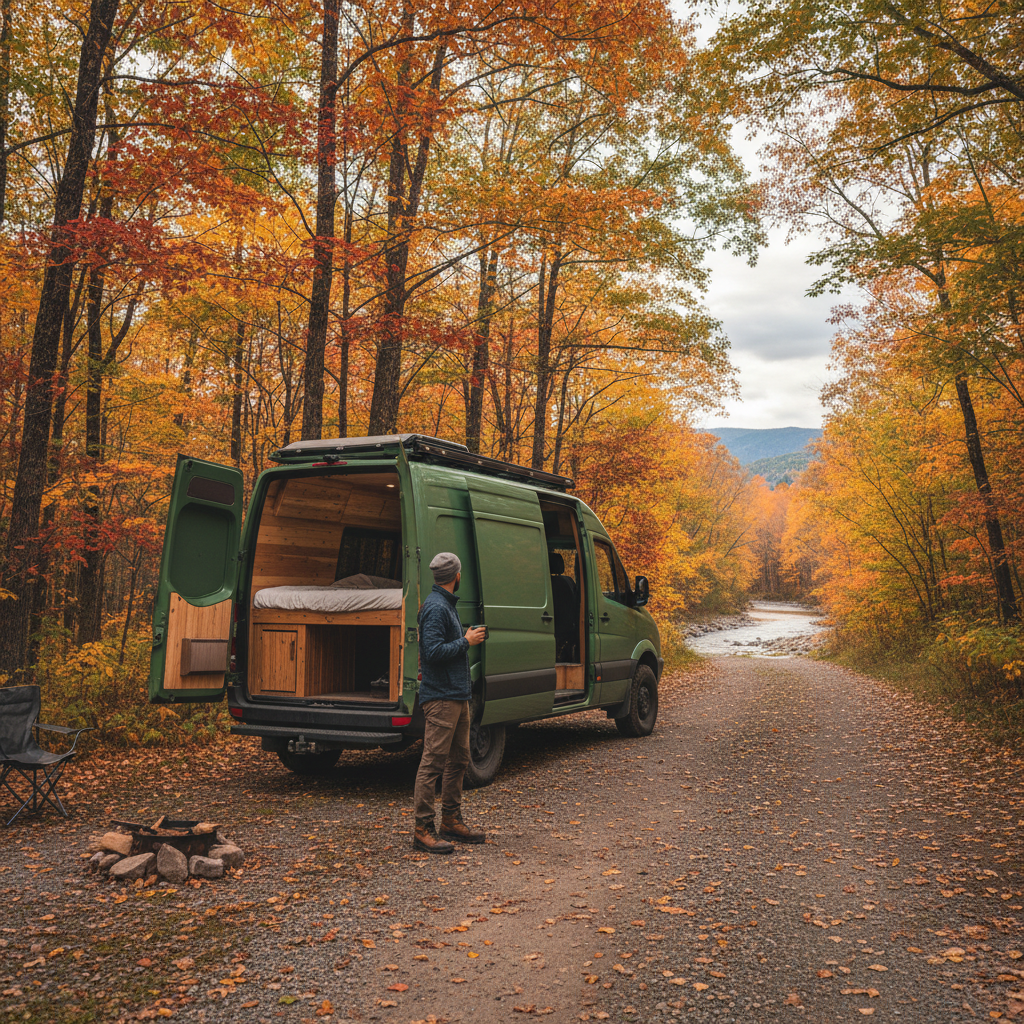
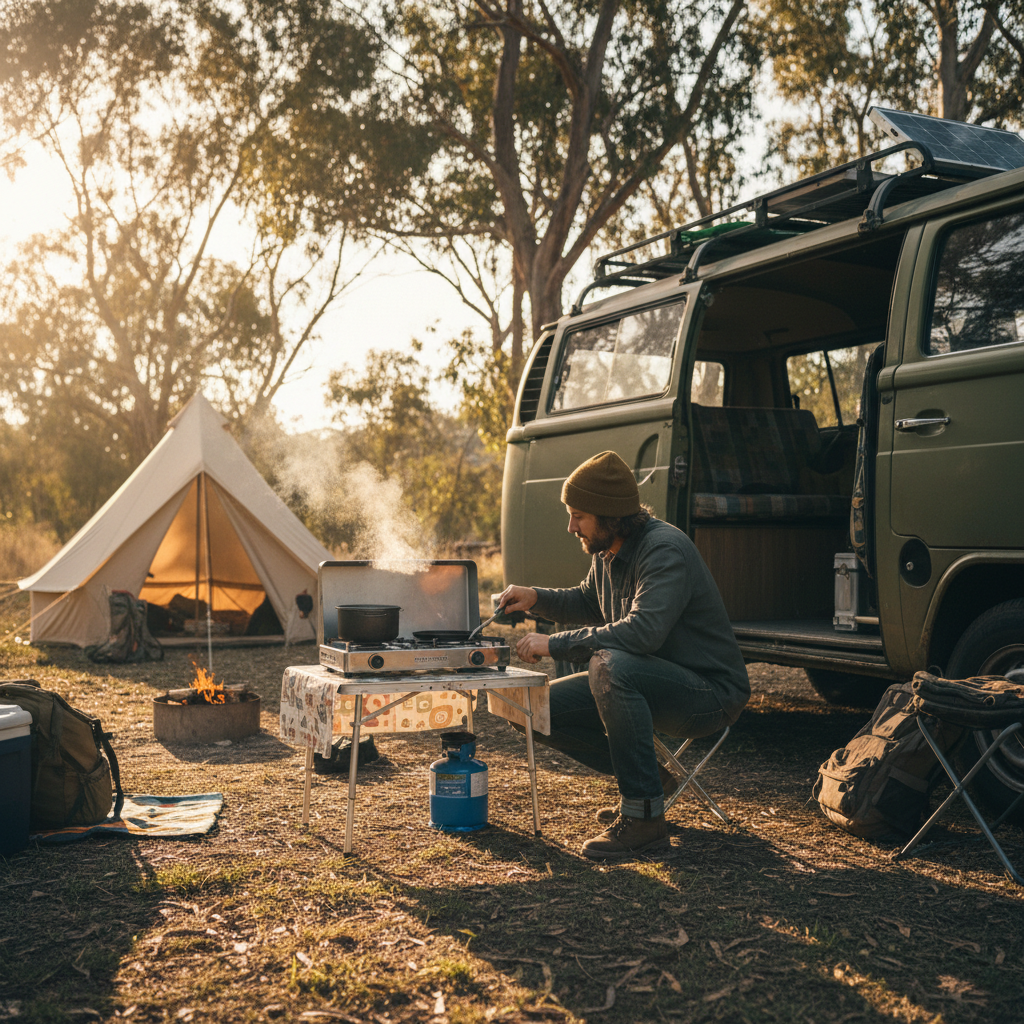
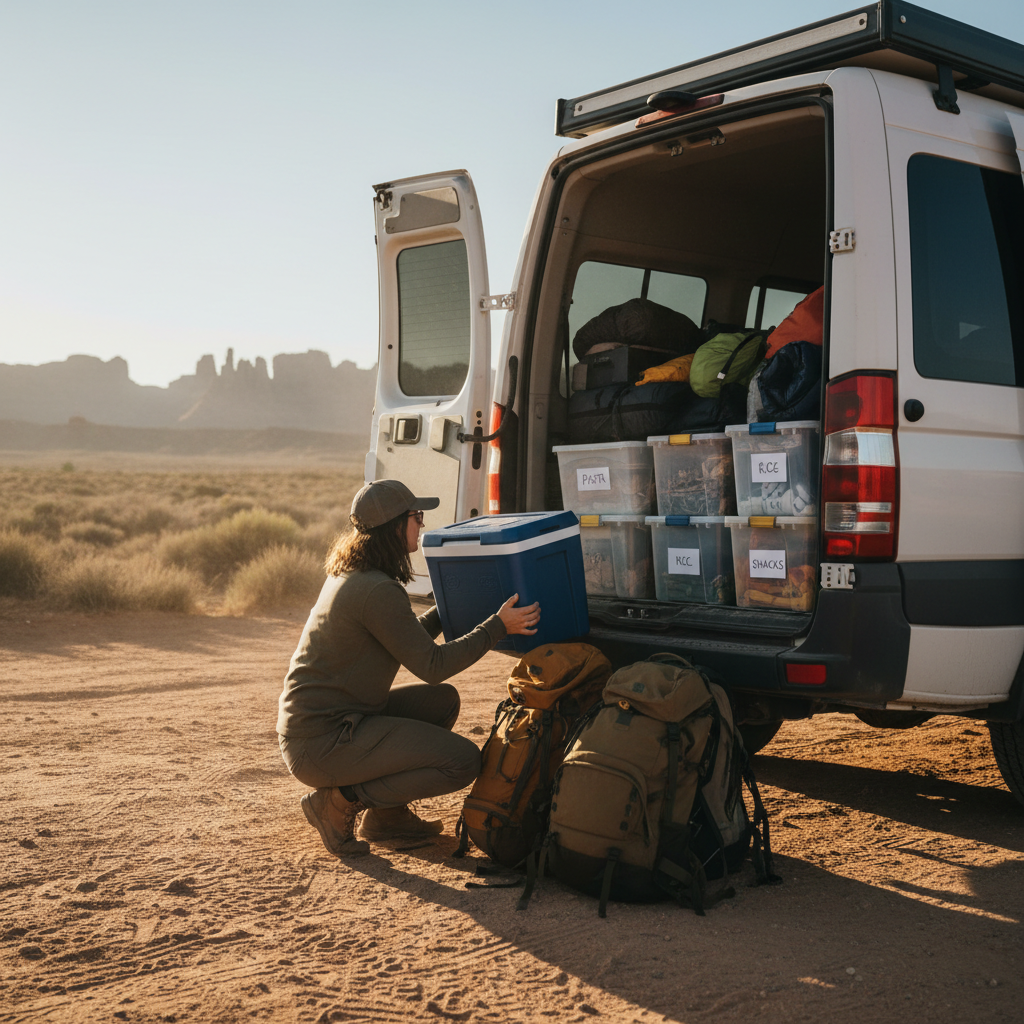


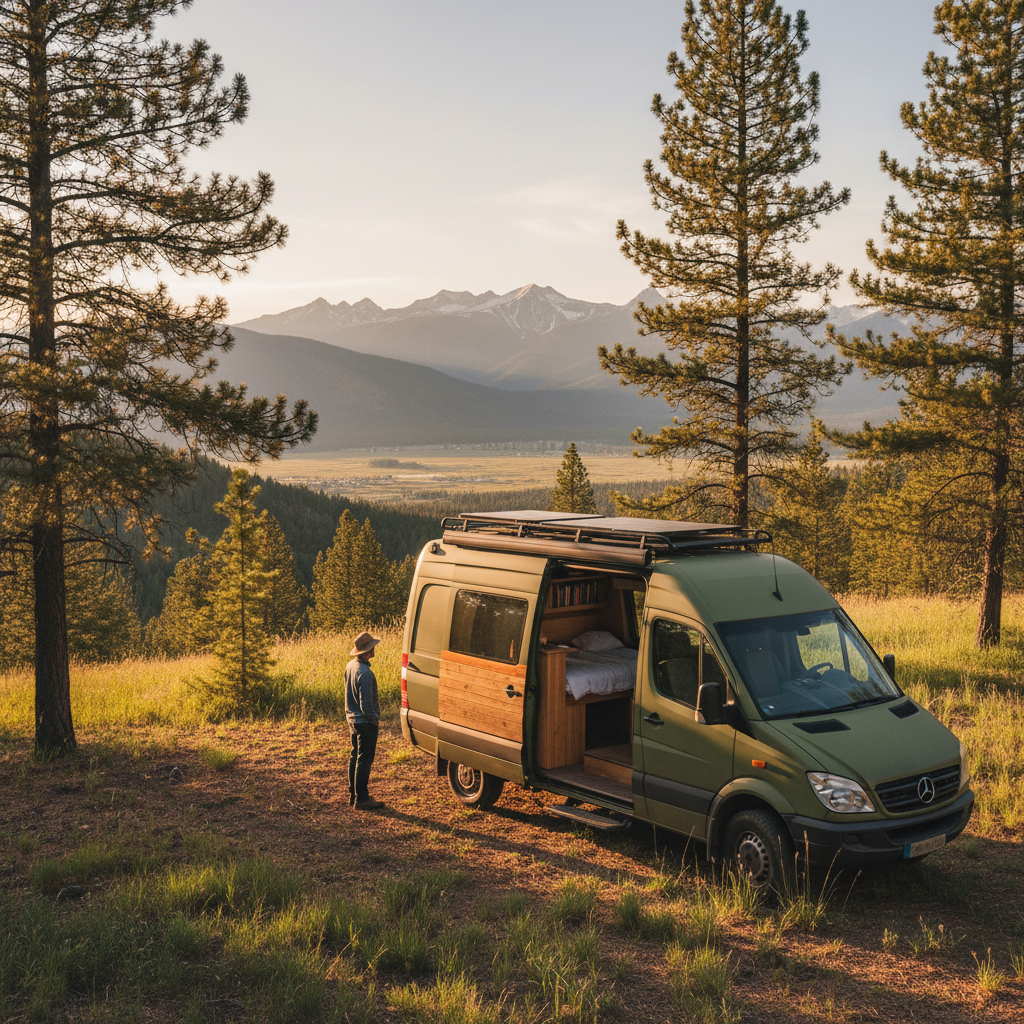
Rangers at national forests will tell you about dispersed camping before they mention anything else, and there's a reason for that. It's the single feature that separates a national forest from every other public land option for van travelers, and it changes how you plan your entire weekend. State park camping and national forest camping aren't just two versions of the same thing at different price points.
For a weekend van trip, the choice between a state park and a national forest turns on three variables most campground guides flatten into a single recommendation: whether you need hookups, how much you value spontaneity over a guaranteed spot, and which land system actually covers the geography you're targeting. That last one matters more than most people realize, because national forests don't exist everywhere, and state parks vary wildly in density by region.
Here's the tension that doesn't resolve cleanly: national forests offer more freedom on paper, but that freedom has real prerequisites your van needs to meet. If your rig depends on shore power or a reliable dump station, a dispersed site will strand you by Saturday afternoon.
What Each System Actually Offers
State parks are managed by individual state governments, which means rules, fees, and amenities differ by state but share a common logic: developed infrastructure, reservable sites, and predictable access. You'll generally find electrical hookups at a meaningful portion of sites, flush toilets, and dump stations at the larger parks. Reservations are the norm, often through a state's own booking portal or through Reserve America. The tradeoff is that you're paying for that infrastructure, typically somewhere in the range of $20 to $45 per night depending on the state and hookup type, and you're competing for reservations weeks in advance during summer weekends.
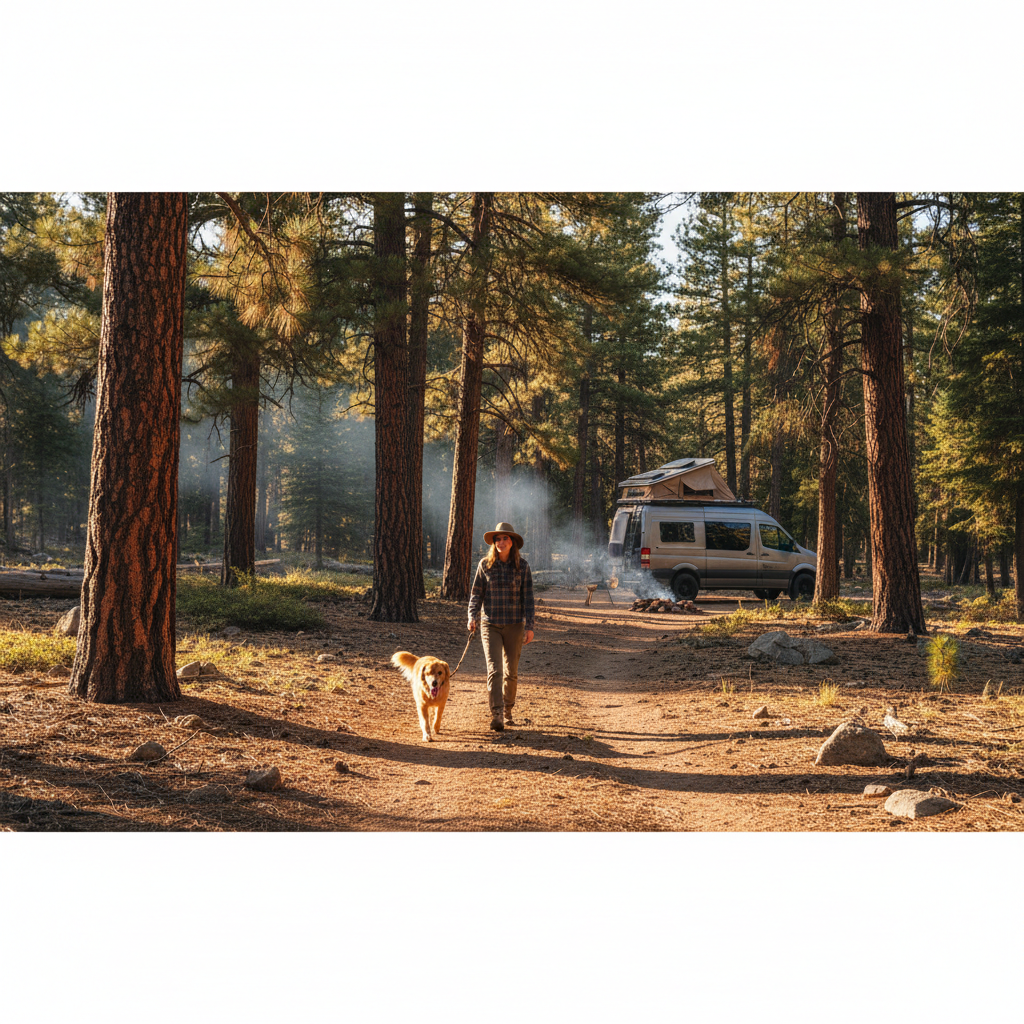
National forests are managed by the U.S. Forest Service (USFS), and they operate on a fundamentally different model. Most national forests allow dispersed camping, which means you can park your van on undeveloped USFS land for free, typically up to 14 consecutive days in one spot before you're required to move. Developed campgrounds also exist within national forests and do charge fees, but the dispersed option is what draws van travelers in numbers. No hookups, no facilities, no neighbors 15 feet away.
Or rather: the 14-day rule is the floor, not the ceiling for what you need to understand. Many national forests layer additional restrictions on top of USFS-wide policy, including fire restrictions, motorized vehicle corridors that limit where you can legally drive off a paved road, and wilderness area boundaries where camping regulations tighten further. The Inyo National Forest in California, for instance, requires a free wilderness permit for overnight travel in specific zones. Check the local ranger district's page, not just the USFS homepage.
The Comparison: Where Each System Wins and Fails
Choosing between them is a decision about what your van actually needs, not what sounds more adventurous. Here's how the two systems compare across the criteria that matter for a weekend trip.
| Criteria | State Park | National Forest (Dispersed) |
|---|---|---|
| Cost per night | $20 - $45 typical; free for developed sites in rare cases | Free for dispersed; $10 - $25 for developed campgrounds |
| Reservation required | Yes, usually weeks ahead in summer | No (dispersed); yes for developed campground sites |
| Electrical hookups | Available at many sites | Not available at dispersed sites |
| Dump station access | Common at larger parks | Rare; plan for self-containment |
| Cell signal | Often decent near entrance areas | Frequently poor or absent |
| Road surface | Paved or graded access roads typical | Dirt, rocky, or unmaintained roads common |
| Solitude | Limited; sites are defined and close together | High; you choose the location |
| Permit complexity | Low (reserve, pay, show up) | Variable; some zones require free permits |
What the table doesn't capture is the reliability gap. Book a state park site and barring a campground closure, that site exists and is yours. Drive toward a dispersed spot you found on a map and you may find a locked gate, a washed-out road, or a fire closure posted that morning. Experienced dispersed campers maintain two or three backup locations before every trip.
Dispersed Camping: What Your Van Actually Needs
The freedom of dispersed camping comes with a self-sufficiency prerequisite that trips up first-timers. Before committing to a national forest weekend, check your rig against four things: water capacity, power budget, waste capacity, and ground clearance.
Water is the clearest limiting factor. Most dispersed sites have no potable water source within practical distance. A van with a 20-gallon fresh water tank can support two people for two nights if you're conservative, but that's a specific calculation: about 1.5 to 2 gallons per person per day for drinking and minimal cooking, not including showers. If you're below that capacity or unwilling to do a water haul mid-trip, a state park with a water fill station keeps things simple.
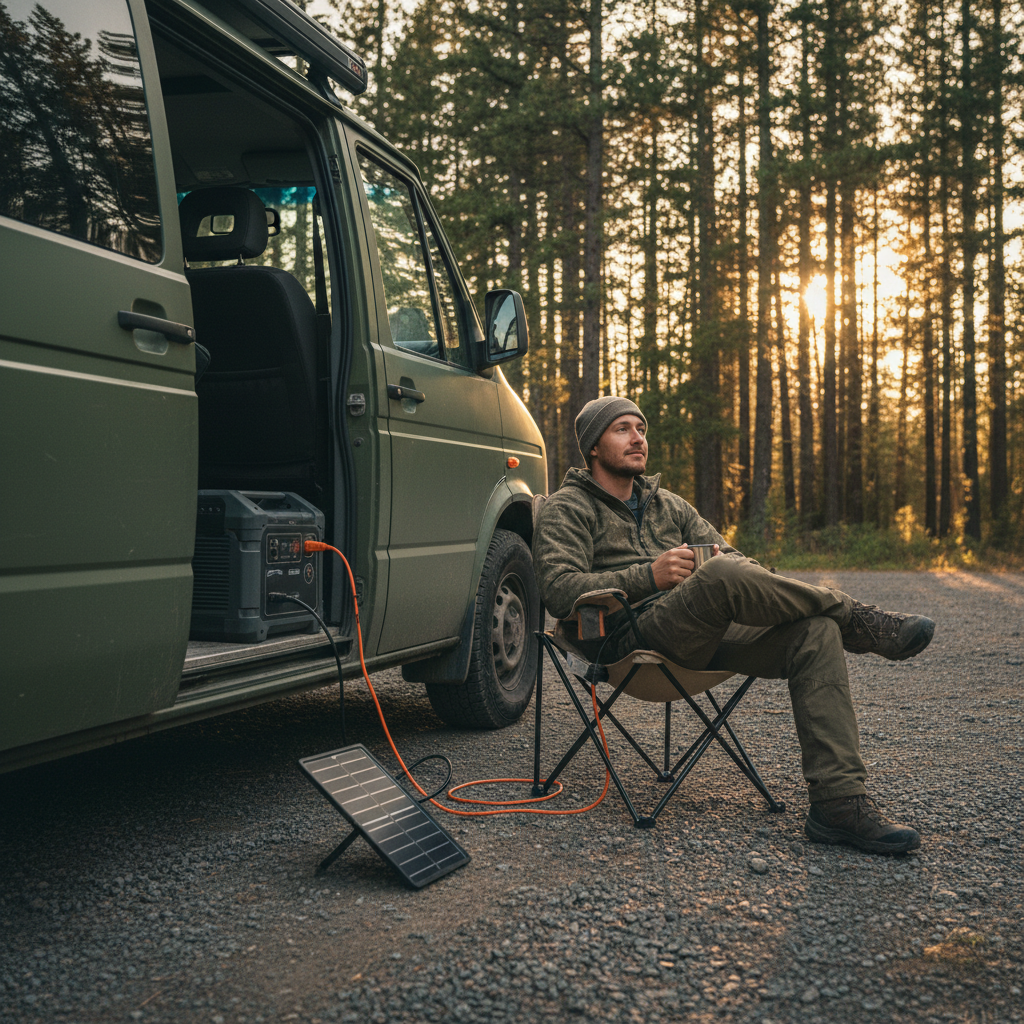
Power is where the gap widens for newer van travelers. A van relying entirely on shore power can't do dispersed camping. A solar setup with adequate battery capacity, typically 100 amp-hours or more of usable lithium storage per person for a weekend, handles most needs. That's not a magic number, it's a practical heuristic based on average loads from a refrigerator, phone charging, and lighting. Your actual draw depends on your specific appliances.
Waste capacity matters more than people admit. Black and gray water tanks, if your van has them, need to last the trip. Most USFS dispersed areas prohibit dumping gray water on the ground in concentrated amounts. A composting toilet or a van without plumbing keeps things legal and manageable. Don't assume a dispersed site means anything goes.
Ground clearance is the variable that ends trips before they start. Dispersed sites are often accessed via Forest Service roads rated for high-clearance vehicles. A low-slung campervan conversion on a Promaster or Transit can get to many of them, but not all. Check road condition reports on the local ranger district website, not crowd-sourced apps alone.
When a State Park Is the Right Call
State parks get unfairly dismissed in van travel communities as the boring option. That's wrong, and it costs people good weekends.
If you're taking a van trip with someone who isn't already bought into the dispersed camping lifestyle, a state park removes every friction point that could sour the experience: toilets, showers at larger parks, a defined site, and neighbors who aren't going anywhere. For a first or second van trip with a partner or family, that friction removal is worth $35 a night.
State parks also win on predictability for short windows. A Friday-to-Sunday trip in summer doesn't forgive a two-hour search for a legal dispersed site that turns out to be inaccessible. Book a state park site three weeks out, confirm the reservation, and spend that Friday energy on the drive instead of the scout.
There's a regional dimension here too. In the eastern United States, national forests exist but dispersed camping access is patchier than in the West. States like Virginia, North Carolina, and Tennessee have national forest land with dispersed options, but the density of accessible dispersed sites per square mile is lower than in Colorado, Montana, or Oregon. In the Northeast, state parks often fill the outdoor access role that national forests play in the West. Know your region before defaulting to a strategy built around Western van trip content.
One honest warning: if you skip the reservation and show up at a popular state park on a summer Saturday hoping for a walk-in site, you'll likely be turned away. Walk-in availability at developed state parks during peak weekends is close to zero in most states. Book or go elsewhere.
Making the Call for Your Specific Weekend
The reframe that matters here: the better question isn't which system is superior, it's which system matches the van you're actually driving and the people actually in it.
If you need shore power, book a state park with hookups. If your van is self-contained and you value solitude over convenience, target a national forest with known dispersed access. If your group includes anyone whose enthusiasm depends on a hot shower, the developed option wins regardless of the adventurous case for dispersed freedom.
Run through these before you commit: confirm your water and power can support a hookup-free night, identify two dispersed site options plus one fallback, and check the relevant ranger district page for current fire restrictions and road closures. That three-part check takes 20 minutes and prevents the kind of Saturday afternoon scramble that ruins a weekend.
I'd start with a hybrid approach for a first national forest weekend: drive toward your dispersed target but have a nearby developed campground reserved as insurance. You can cancel most state park reservations for a partial refund if you do it early enough; check the specific state's policy since cancellation windows vary. The cost of that insurance reservation is usually under $10 in lost fees if you cancel in time. That's cheap compared to a night in a Walmart parking lot because the forest road was gated.
And if you skip all of this and simply drive toward the mountains on a Friday night with no plan? You'll either get lucky and find a perfect spot, or you'll spend two hours on your phone at the trailhead parking lot, and that's if you have signal.
The Short Answer by Van Type
Not every van traveler needs the full decision tree. Here's the quick read based on common setups.
Shore-power-dependent van: Book a state park with electrical hookups. National forest dispersed camping isn't viable without a power source.
Solar-equipped, self-contained van with a high-clearance capable chassis: National forest dispersed camping is your best option for a solo or two-person weekend. The free cost and solitude are hard to beat.
Entry-level van conversion, limited water, no real offroad capability: A state park developed site keeps the weekend enjoyable. This isn't a downgrade; it's the right tool for the setup.
Group trip, mixed experience levels: State park. The shared facilities reduce friction and the reserved site means everyone shows up to the same place. Dispersed camping for groups requires coordination that kills spontaneity anyway.
But here's what almost no planning guide addresses directly: the best camping spot for a van trip is the one you'll actually get to and enjoy, not the one that sounds most impressive in a trip report. Optimize for that.
Before You Leave
If a state park weekend is the call, book your site now. Summer weekends at well-known parks fill weeks out, not days. Use your state's reservation portal directly; third-party aggregators sometimes show availability that doesn't exist.
If a national forest is the target, pull up the relevant ranger district page before the trip and look for three things: current fire restrictions (updated frequently in dry seasons), road closure notices for the access roads to your intended area, and whether your target zone requires a free permit. The USFS website is organized by forest and then by ranger district, so the information you need is one level deeper than the forest's main page.
Either way, have the other option's information ready. The best-prepared van travelers aren't the ones who picked the perfect spot in advance; they're the ones who adapted when the perfect spot didn't cooperate.