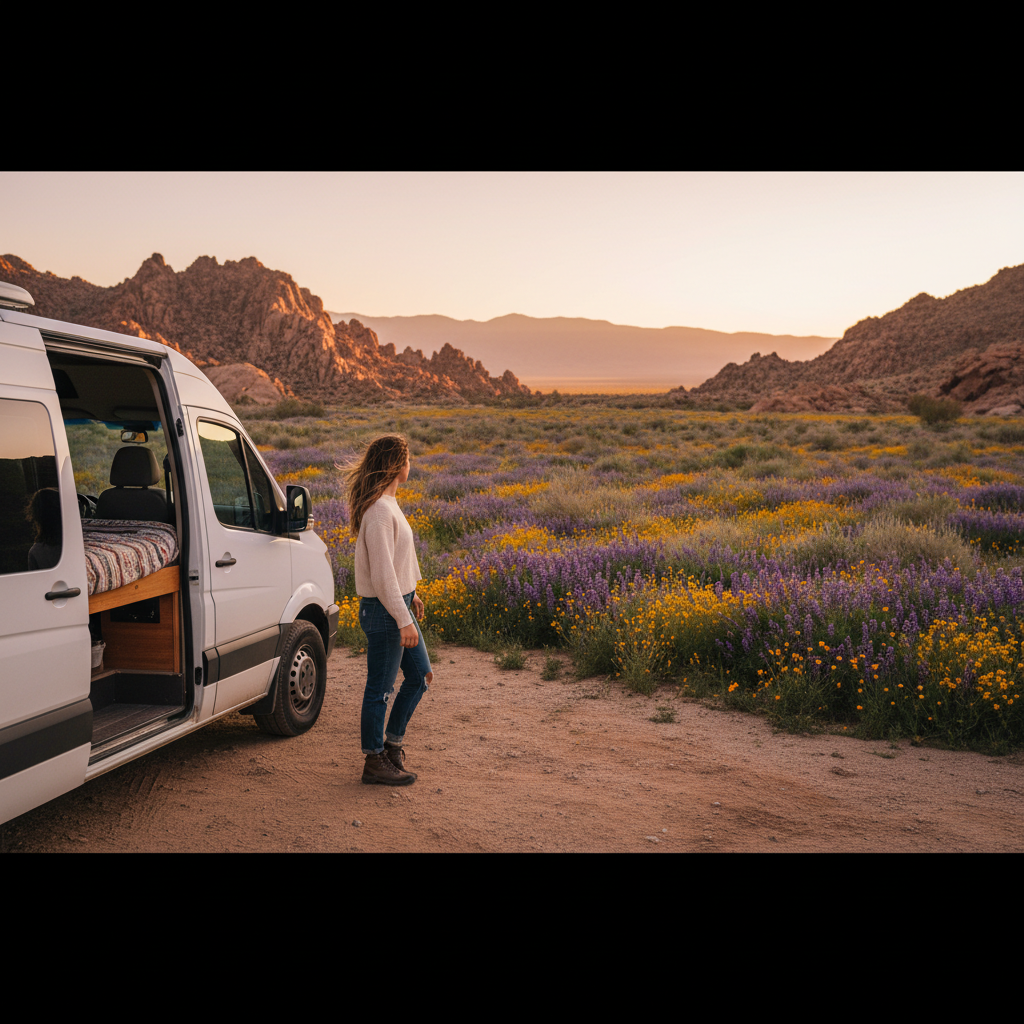
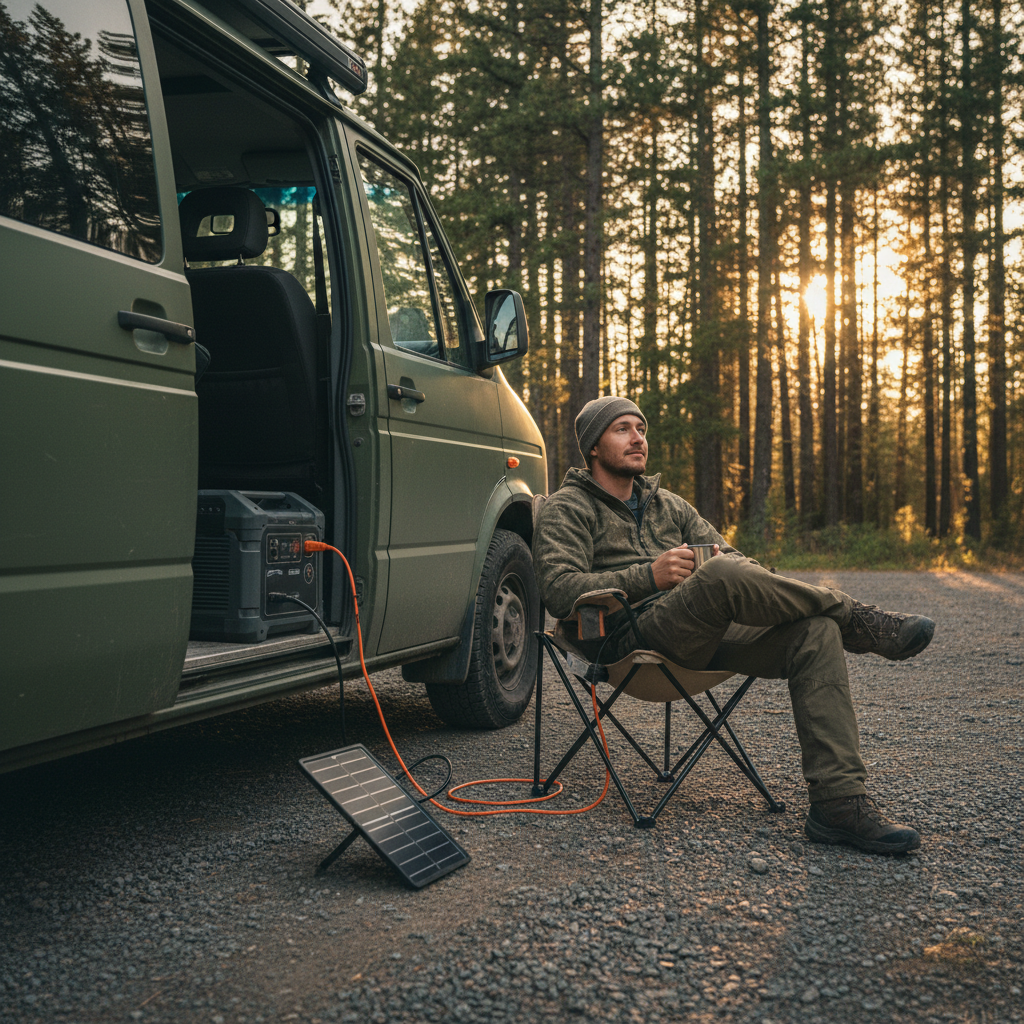
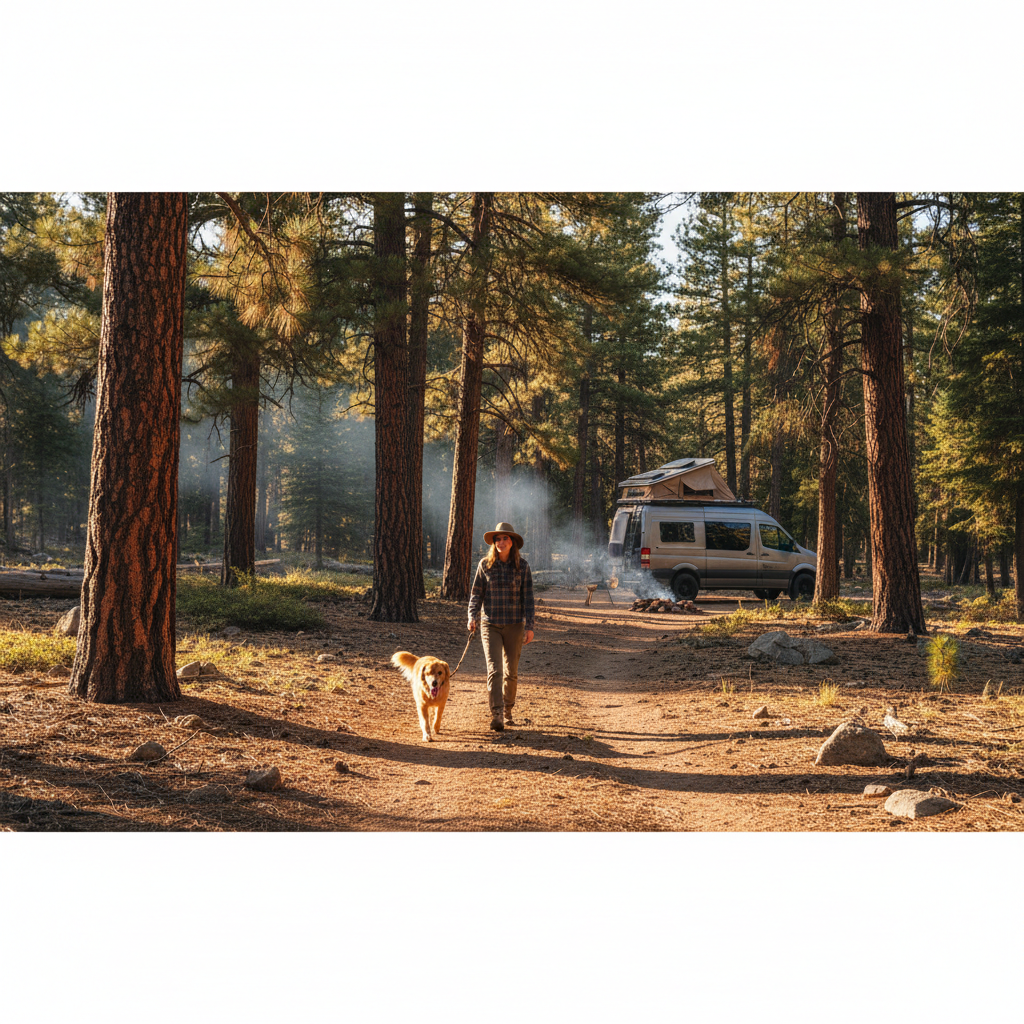
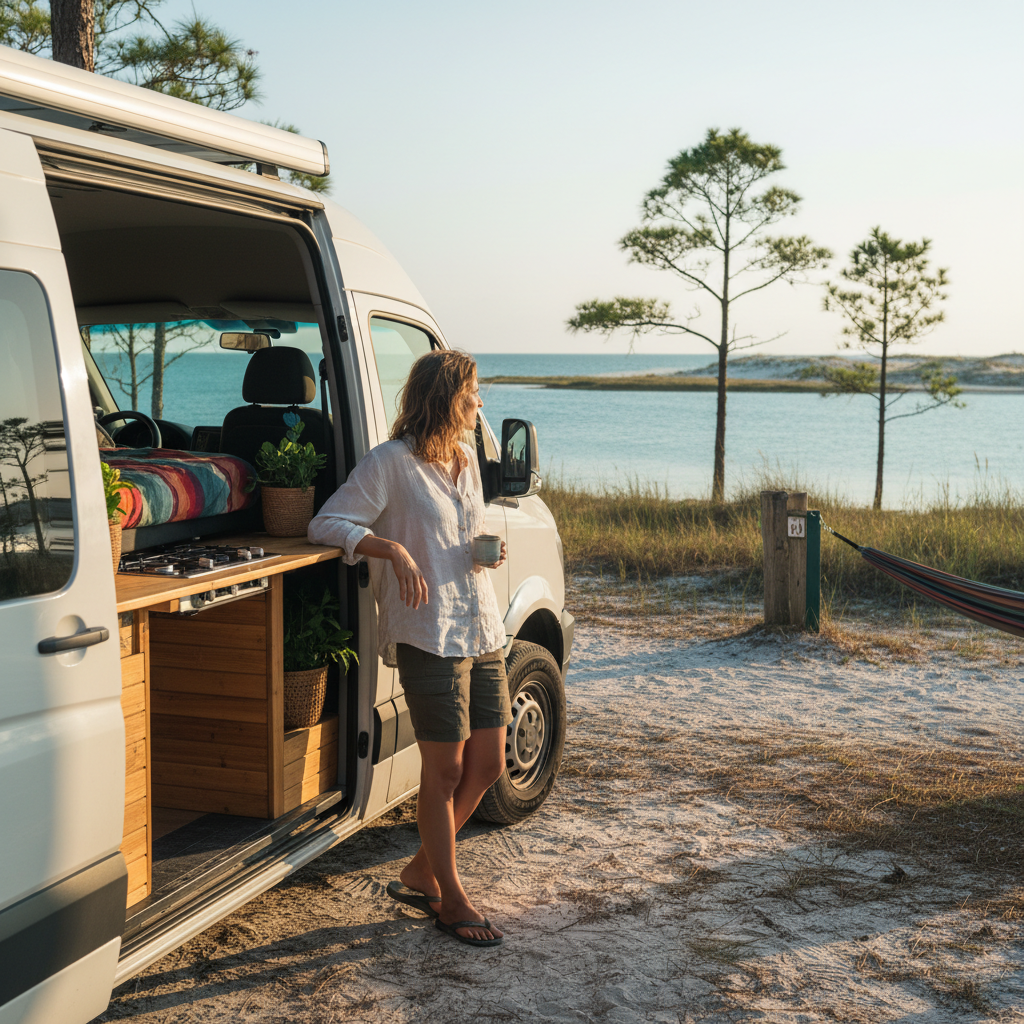
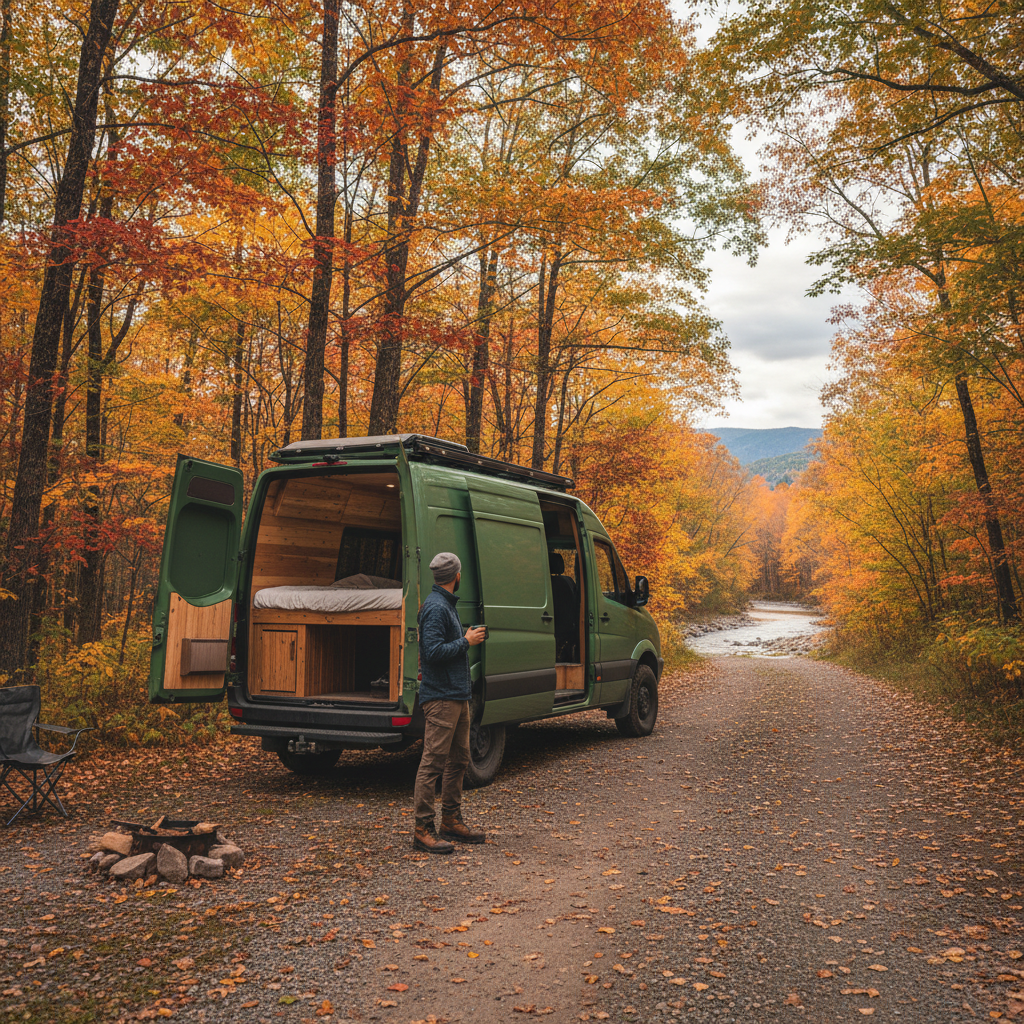
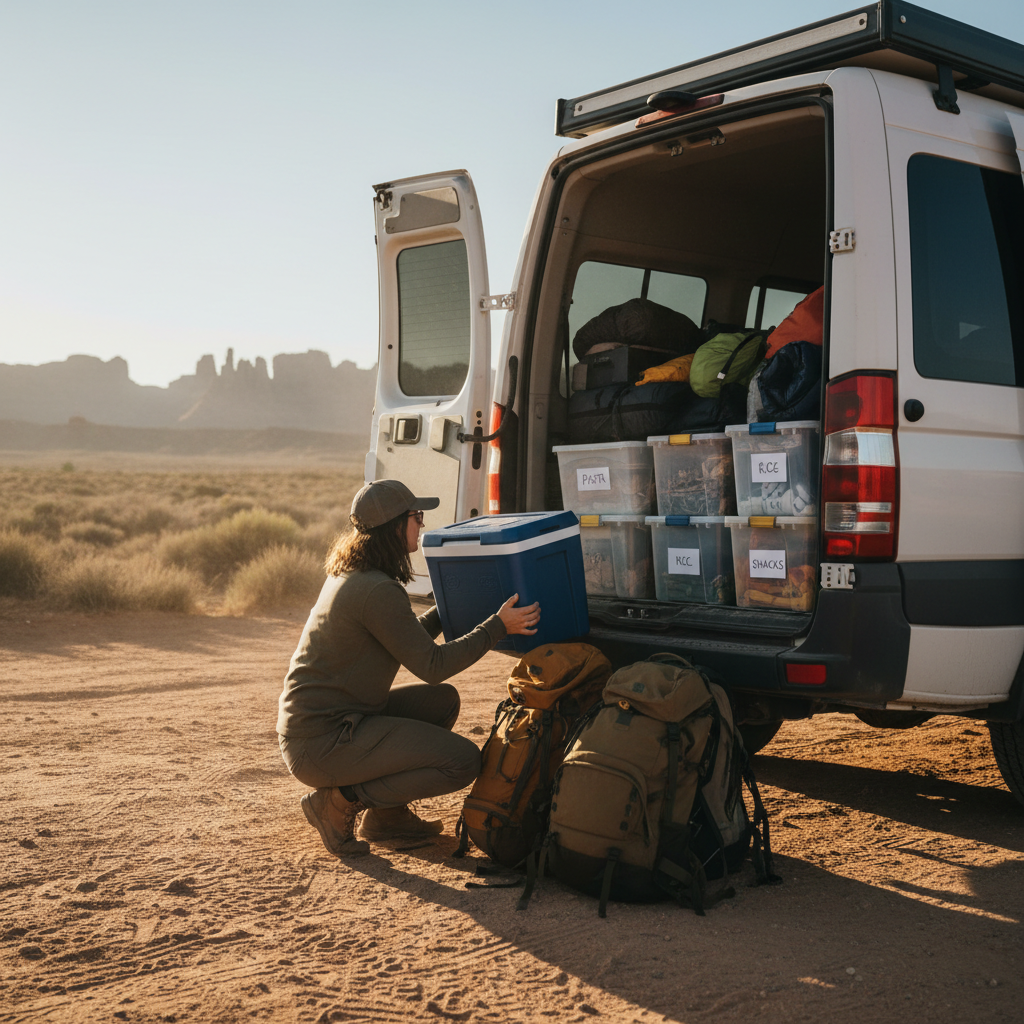
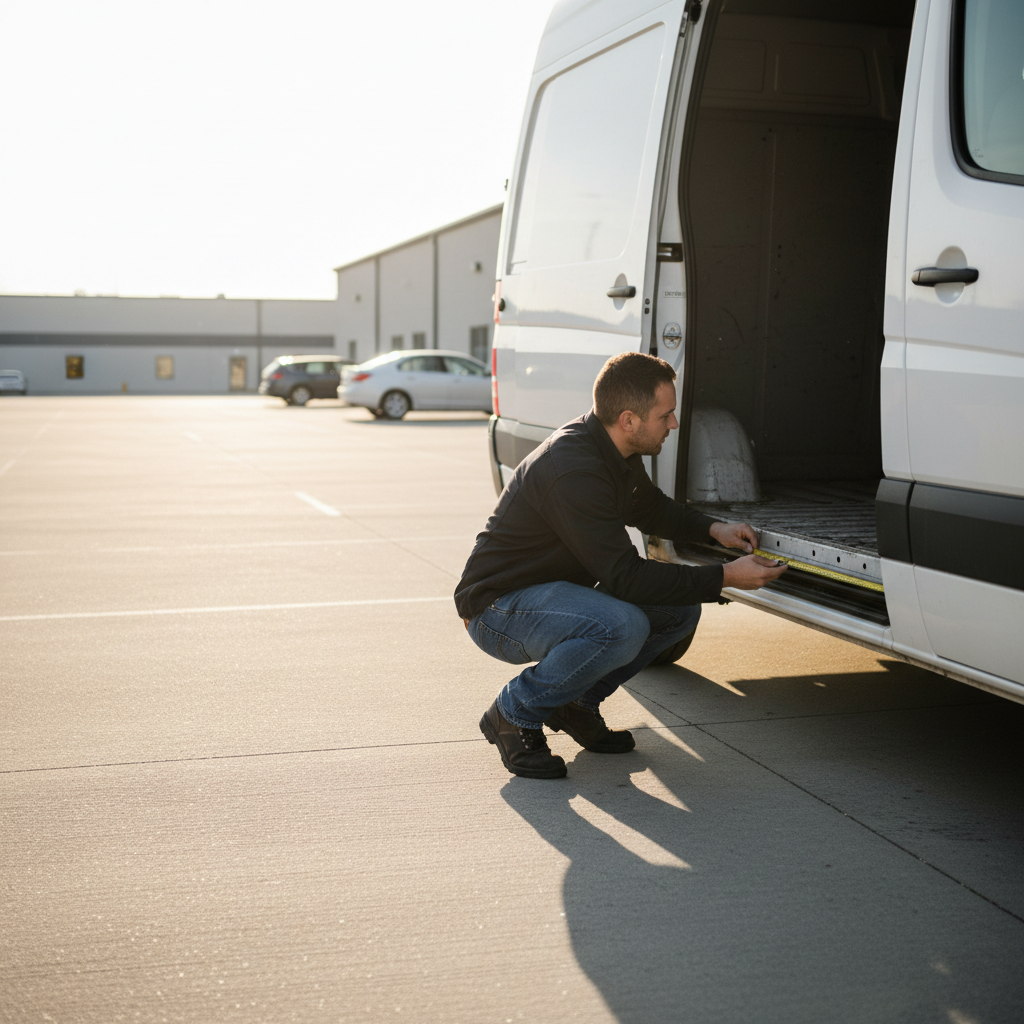

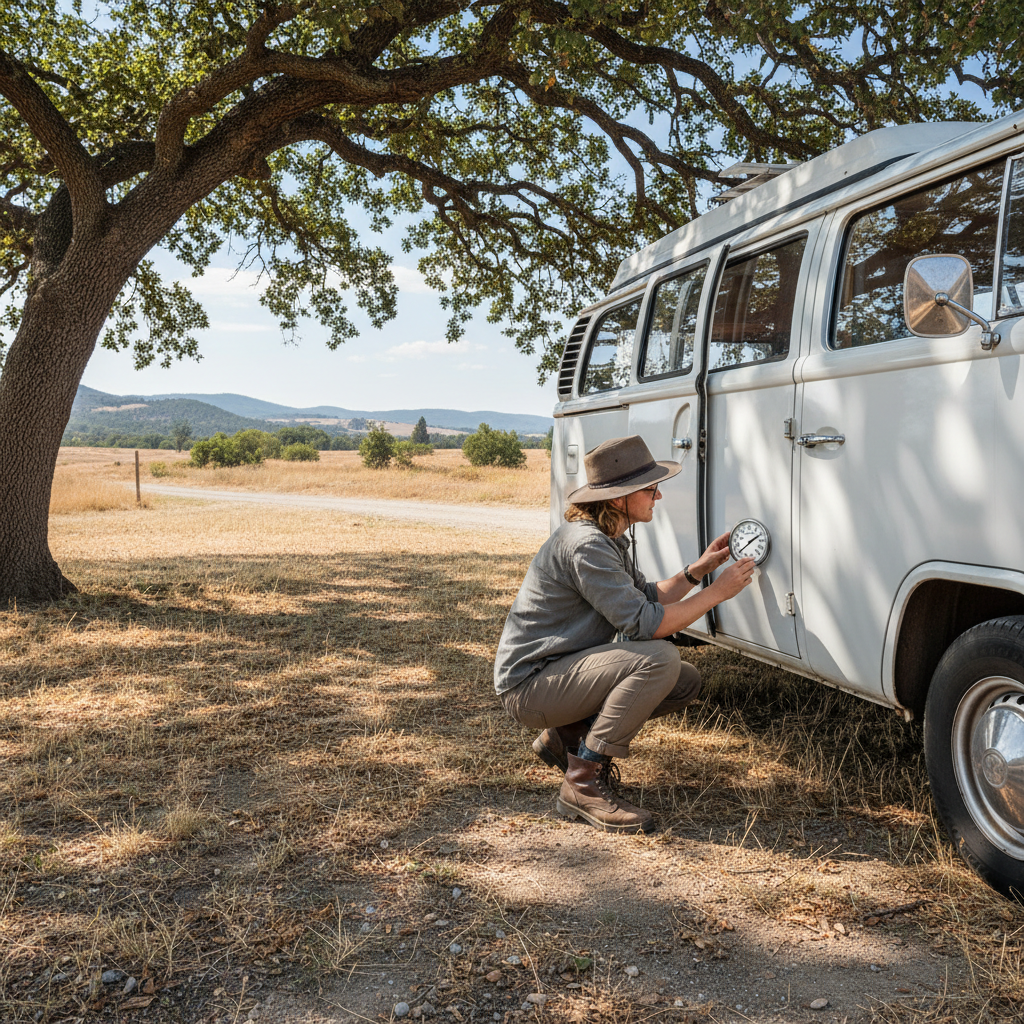

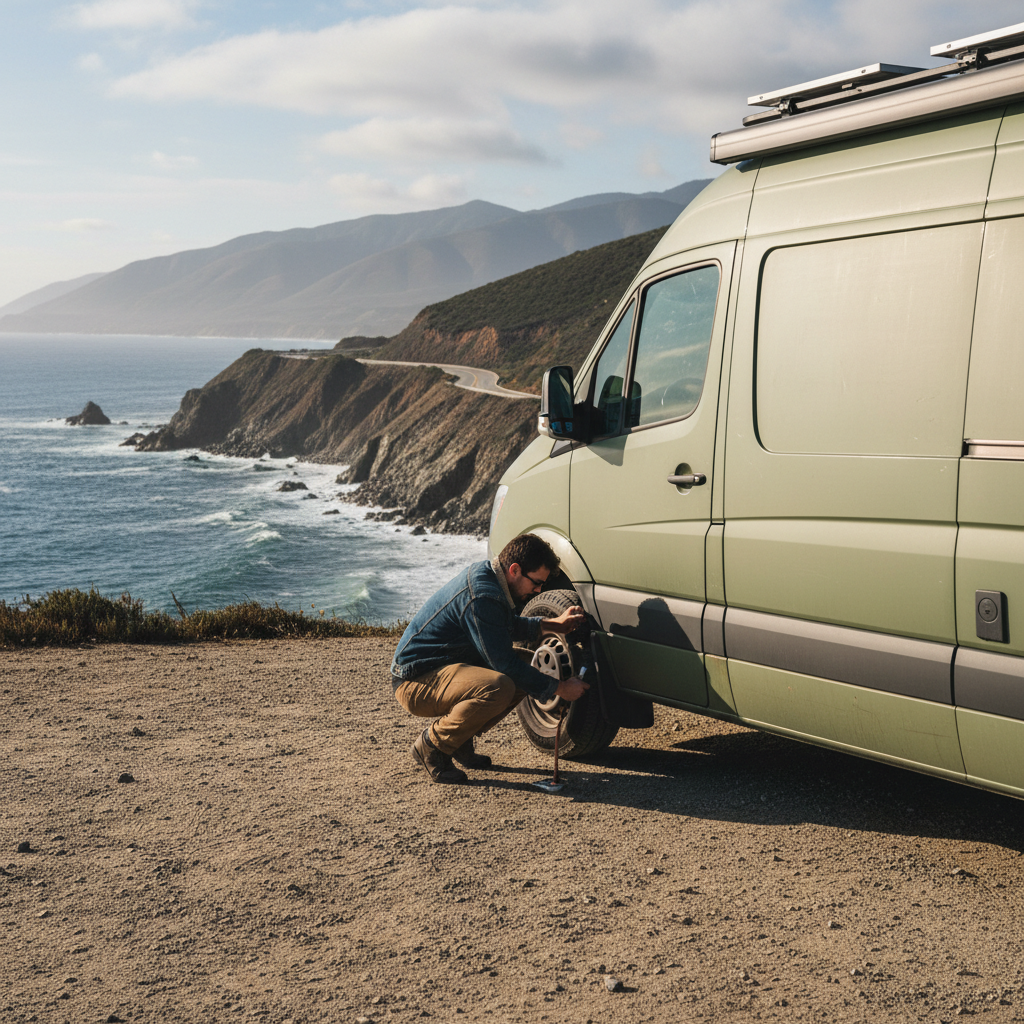
Van-lifers who've done both routes will usually tell you the same thing before they say anything else: the coast forgives you, and the mountains don't. That's not a scenic judgment. It's a mechanical one, and it matters a lot when you're planning your first van road trip and you don't yet know what your rig can handle.
The choice between a coastal route and a mountain route isn't just about landscapes. It comes down to three things that most first-timers don't weigh equally: your van's power-to-weight ratio, the elevation profile of your planned roads, and what time of year you're leaving. Get those wrong in the mountains and you're looking at a blown transmission on a switchback above 9,000 feet, with no cell signal and a tow bill that can run well into four figures.
There's a real tension here that planning guides tend to skip past: the mountain routes are genuinely more photogenic and often more memorable, but they're also where first-time van trippers most commonly hit mechanical or logistical trouble. The coast is easier to manage, but it's also more expensive, more crowded at peak season, and harder to find free camping. Neither option is clean. That's the actual decision you're making.
What Makes Coastal Routes Beginner-Friendly (and Where They Bite Back)
The Pacific Coast Highway along California's Highway 1 and the Atlantic's US Route 1 through Maine are the two routes most first-timers picture. Both follow sea level for most of their length, which means your van's engine isn't working hard on grades. That's the real advantage, not the views. A van running flat road at 60 mph puts far less stress on cooling systems, brakes, and transmission than one climbing a 6% grade at altitude. For a first trip, that margin matters.
But coastal routes have a trap: campsite availability. State park sites along the California coast book out 6 months in advance for summer weekends through the ReserveCA system, and private campgrounds in peak season run $55 - $90 a night in areas like Big Sur and Marin County. If you're planning a spontaneous or semi-spontaneous trip, the coast will punish that. You either plan your stops months out or you accept that some nights you'll be driving well past dark looking for a spot, which is a bad situation in a van you're still learning.
Coastal weather is also less stable than it looks on a map. Northern California coast and the Pacific Northwest push marine layer fog through July and August that can keep a van interior cold and damp for days. Condensation inside a van isn't just uncomfortable. It accelerates mold in bedding and cushions if your ventilation isn't dialed in. A Maxxair or Fan-Tastic roof vent running on low overnight handles this, but it's a detail that new van owners often haven't sorted yet.
Or rather: the coast is easier to drive, but it's not easier to camp. That distinction is exactly where first-timers get tripped up, because they optimize for the drive without thinking through where they'll actually stop.
Mountain Routes: The Real Risks and Why They're Not Dealbreakers
The mountain route question for US van trippers usually comes down to corridors like US-550 in Colorado (the Million Dollar Highway), the Beartooth Highway in Montana and Wyoming, or the Blue Ridge Parkway in the Appalachians. These are genuinely different in character. The Beartooth climbs to 10,947 feet. The Blue Ridge tops out around 6,000 feet. The difference matters mechanically, not just scenically.
Older vans with carbureted engines, anything pre-1990 roughly, lose meaningful power at altitude because carburetor fuel mixtures don't self-adjust. Modern fuel-injected vans handle altitude better, but they still run hotter on sustained climbs because the thinner air moves less heat through the radiator. A common guideline among experienced van mechanics is to watch your temp gauge on any grade longer than 5 miles and pull over if you're trending toward the red, rather than waiting for the warning light. That's not a regulation. It's a hard-learned heuristic.
The bigger practical issue is that mountain free camping is genuinely abundant in ways that coastal free camping is not. National Forest dispersed camping on lands managed by the US Forest Service allows free overnight camping in most non-wilderness zones, typically with a 14-day stay limit, and mountain corridors in Colorado, Wyoming, Montana, and the Southwest are laced with it. Apps like iOverlander and the Freecampsites.net database catalog thousands of these spots with user-submitted conditions and road quality notes. A first-time van tripper who does their homework on dispersed camping can run a week in the Rockies with near-zero campsite costs.
What you cannot improvise on mountain routes is brake management. Descending long grades in a loaded van without using engine braking is how brake fade happens, and brake fade on a switchback is not a recoverable situation. Drop to a lower gear before the descent begins. Don't wait until you're already on the grade. This is the single most important mechanical skill for mountain van travel, and it takes about ten minutes to learn and remember.
How to Match Route to Rig: A Practical Comparison
The table below maps common first-van scenarios against both route types. This isn't a scenic ranking. It's a decision tool based on what actually breaks, what actually costs, and where first-timers actually get stuck.
| Van Type and Situation | Coastal Route | Mountain Route |
|---|---|---|
| High-top diesel (e.g., Mercedes Sprinter, Ford Transit diesel), well-maintained | Works well. Overkill for flat roads, but no issues. | Best match. Diesel torque handles grades. High-top fits most campsite clearances. |
| Older gasoline van (pre-2000, e.g., Ford Econoline, Chevy Express), unknown history | Recommended. Low-stress on engine. Closer to mechanics and parts. | Risky. Cooling and carb issues surface on climbs. Avoid sustained grades above 6,000 ft. |
| Newer gasoline AWD or 4WD van (e.g., 4WD Transit, Gladiator-based camper) | Fine but AWD advantage wasted on pavement. | Good fit. AWD useful for dispersed site access on Forest Service roads. |
| First trip, no mechanical experience, rented or recently purchased van | Start here. Forgives errors. Better cell coverage. Easier roadside help. | Do a shakedown trip first. Mountains surface problems you didn't know existed. |
The pattern the table shows is straightforward: mountain routes reward preparation and punish ignorance, while coastal routes allow you to learn on the road. That's not a knock on mountain routes. It's a sequencing argument. For most first-timers, one coastal trip followed by a mountain route produces better outcomes than jumping straight to altitude.
I'd start with the coast if you haven't yet confirmed your van's cooling system, brake condition, and transmission fluid are all fresh. Not because the mountains are impossible, but because finding out those things need attention at 8,000 feet in July is a significantly worse experience than finding out in a beach town with a parts store two miles away.
The Season Variable No One Weights Heavily Enough
Route choice and season are so tightly coupled that picking a route without pinning down your travel month is answering half the question. The Beartooth Highway closes entirely from mid-October through late May, depending on snowpack. The Blue Ridge Parkway sections above 4,000 feet close on ice, sometimes without much notice. Highway 1 south of San Francisco is open year-round but subject to mudslide closures, most recently in 2023 and 2024 near Big Sur, that can strand you or require significant detours.
Summer (June through August) is when most first-timers go, and it's when both route types are at their most crowded and, for the coast, most expensive. The better argument for a summer mountain trip is thermal: high-country temps stay in the 60s and 70s Fahrenheit during the day, which means you can sleep comfortably without air conditioning. Coastal California and the Southeast coast in July are brutal in a van without serious insulation and ventilation. Heat at sea level is a real comfort problem. Altitude solves it for free.
Fall is the season that changes the calculus most. September and early October in the Rockies and Appalachians offer peak foliage, lower campsite competition, and temperatures that are genuinely comfortable for sleeping. The risk is the first hard freeze, which can come early and unexpectedly above 7,000 feet. If you're not set up for below-freezing nights, that matters. But a week in Colorado in late September before the first hard freeze is probably the single best first van experience available in the US, and it's one that coastal routes simply can't replicate at that price point.
What Happens If You Pick the Wrong Route
If you take a marginal van onto a sustained mountain route without checking your cooling system and you ignore the temp gauge, you're most likely looking at an overheating event. Best case: you pull over, let it cool, add water, limp to the next town. Worst case: you warp a head gasket, which is a $1,500 - $3,500 repair depending on the engine, and you're waiting days for a part in a mountain town that may not stock it. Towing from altitude can run $300 - $600 just to get to a shop.
If you take a spontaneous coastal trip in peak summer without reservations, you don't risk a breakdown, but you risk spending $70 - $90 a night at a KOA because every free or cheap site within range is taken. Do that for a week and you've spent more on sleeping than on fuel. The financial consequence isn't catastrophic, but it's a surprise that poisons the trip for first-timers who budgeted on the assumption that van travel is cheap.
And this is worth saying plainly: skipping the shakedown entirely, just loading up and heading out on either route without a shakedown day or weekend nearby, is where most first-trip disasters originate. You need to know how your van handles before you're three hours from the nearest dealer. That's not a scenic consideration. It's a basic operational one.
Making the Final Call
If your van is new to you, mechanically unverified, or if you have no prior van camping experience, take the coast first. Pacific Coast Highway from Los Angeles to San Francisco, or US-1 from Portland, Maine, south to Cape Cod, give you manageable days, abundant (if competitive) camping options, and urban proximity when something needs fixing. Book your key stops at least 60 days out through Recreation.gov or the relevant state park system.
If your van is mechanically sound, you've confirmed cooling system and brakes, and you're traveling in September or early October, the mountain route is the stronger experience by a significant margin. Identify your dispersed camping zones on National Forest maps before you leave, download offline maps via Gaia GPS or OnX Backcountry for the areas you're entering, and carry an extra gallon of coolant and brake fluid. Not because you expect to use them. Because you won't need to if you have them.
The reframe that actually changes this decision: the coast is where you learn your van, and the mountains are where you learn what your van can do. Both are worth doing. The question is which comes first.