


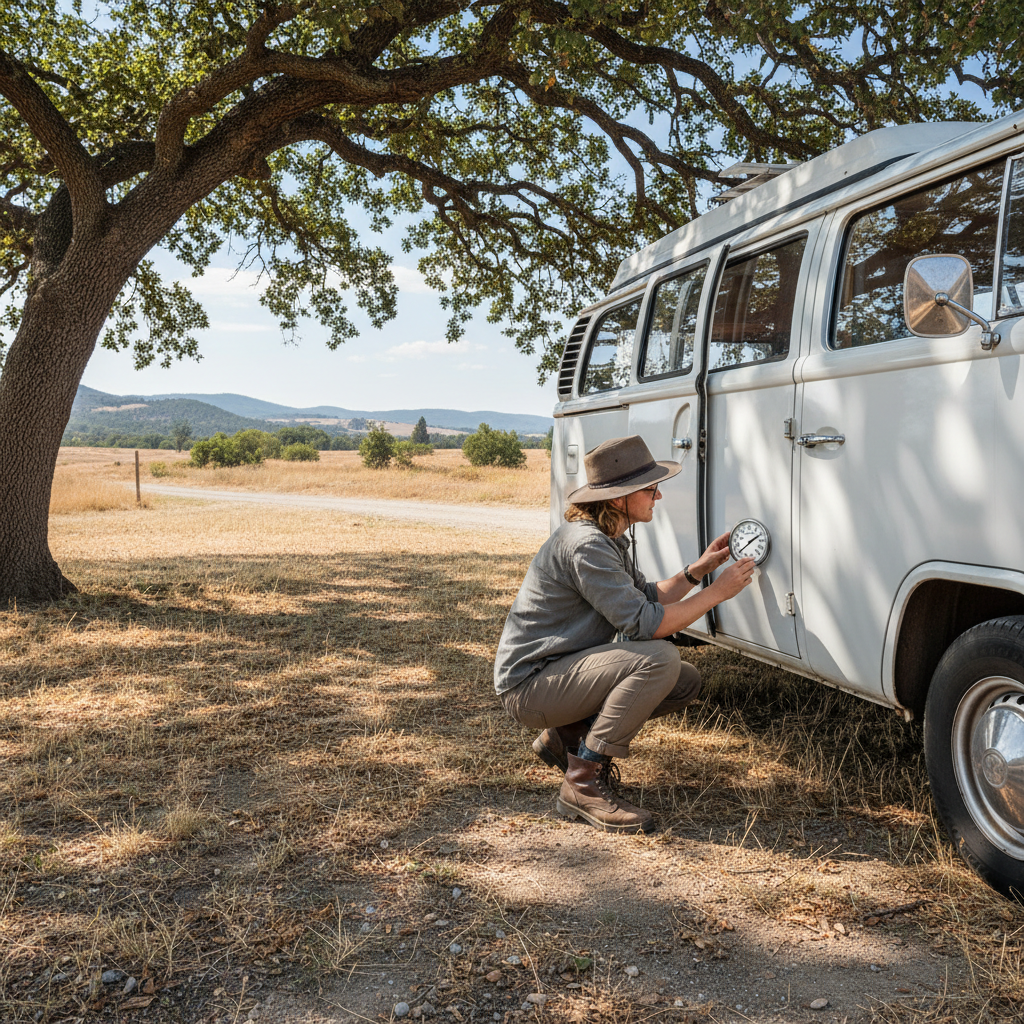

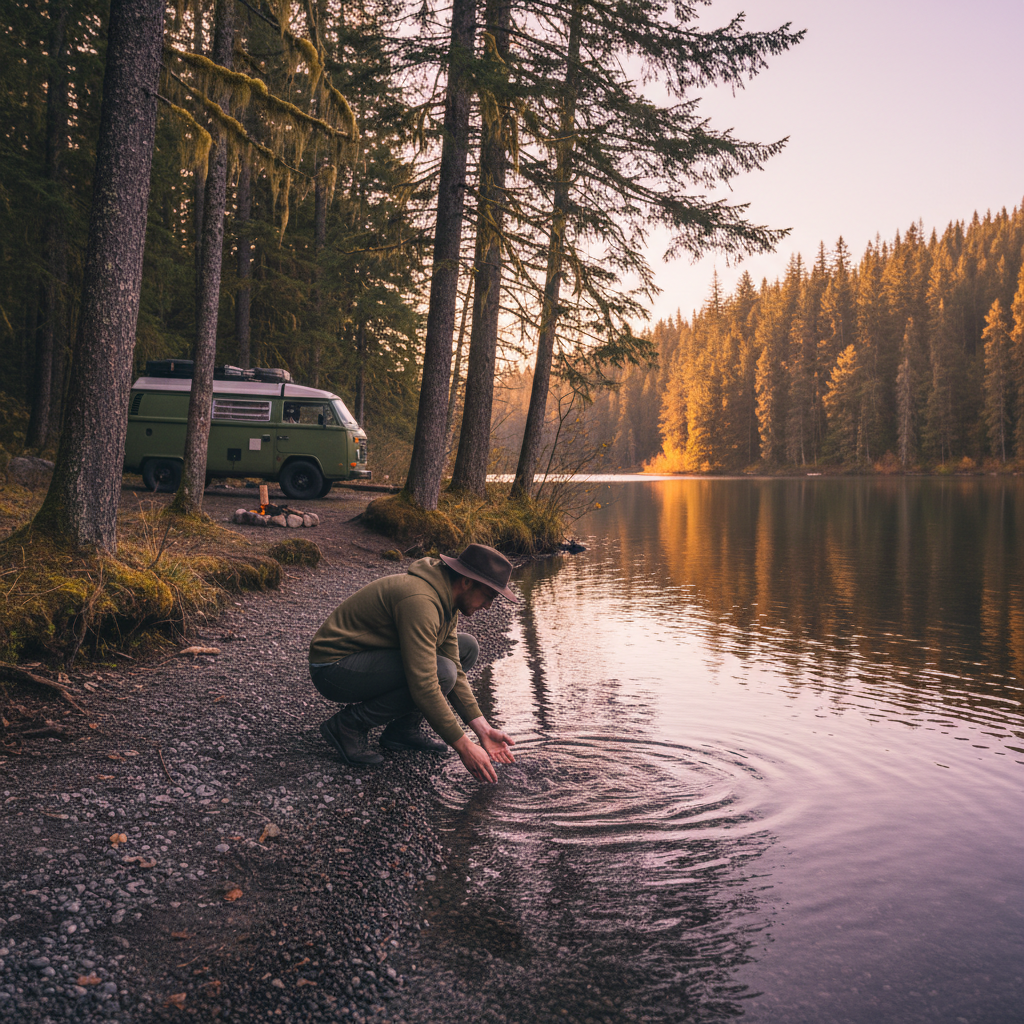
Campground rangers will tell you availability windows close faster than most campers expect, and there's a reason they post that warning at the top of every reservation page. Lakeside campsites for summer van weekends are among the most competitive spots in the U.S. outdoor recreation system, and the difference between landing one and staring at a "no availability" screen comes down to a handful of decisions you make weeks before you ever load the van.
The core problem isn't that there aren't enough lakeside sites. It's that the booking window on most federal and state campgrounds opens exactly six months out, and the best waterfront spots in places like national forests and state parks get claimed within minutes of that window opening. If you're planning around a mid-July Saturday night, the reservation clock opened in January.
What makes this genuinely complicated is that the right move depends on which public land system you're booking through, how close your target date falls to a holiday weekend, and whether your van setup requires hookups or you're running off-grid. None of those factors sort themselves out the same way, and conflating them is how people end up with a "lakeside" site that's technically 400 feet from shore with a bathroom block between them and the water.
Understand Which Booking System Controls Your Campground
The first thing you need to know before you touch a search bar: not all public lakeside campgrounds book through the same platform, and assuming they all live on Recreation.gov is one of the most common mistakes van campers make. Federal campgrounds on land managed by the U.S. Forest Service, Army Corps of Engineers, and the National Park Service generally run through Recreation.gov. State park lakeside sites run through state-specific portals, and those vary by state. California uses ReserveCalifornia. Michigan uses MiDNR Campground Reservation System. Florida uses ReserveAmerica. Texas state parks use the Texas Parks and Wildlife reservation system. If you search Recreation.gov for a Florida state park lakeside site, you won't find it, and you'll assume it's full when it may have spots open.
Or rather: the real problem isn't the platform confusion itself, it's the release schedule that goes with it. Each system has its own rolling window. Recreation.gov typically opens sites six months out at 10 a.m. Eastern. ReserveAmerica-powered state systems often use different release windows, sometimes five months, sometimes less. If you're targeting a specific lake in a state park, go directly to that state's park reservation portal and find its stated release schedule before you ever pick a date.
Army Corps of Engineers lakes are worth singling out here. The Corps manages over 400 lakes across the country and operates many of the most accessible and underutilized lakeside campgrounds in the Midwest and Southeast. Sites on Corps lakes often have better shore access than comparably rated national forest sites, and they tend to attract less competition from the destination-camping crowd. Check Recreation.gov's "Corps of Engineers" filter and compare site density before defaulting to the headline parks.
The Six-Month Window Is Real and You Need a Calendar Alert
Pick your target weekend first. Then count back exactly six months and set a phone alert for 9:45 a.m. Eastern on that date. That's it. That single habit separates people who land first-row lakeside sites from people who book their backup spot in an overflow lot.
Here's the mechanism. Recreation.gov releases campsites on a rolling six-month window, meaning July 19 sites become available on January 19. At 10 a.m. Eastern on release day, bots and experienced campers flood the queue simultaneously. Popular lakeside spots at places like Lake Wenatchee State Park in Washington or Nickajack Lake campgrounds in Tennessee can go from fully available to fully booked in under ten minutes. If you log in at 10:15, you're already picking through leftovers.
A few things to have ready before the window opens: an active account on the relevant platform with payment information saved, a shortlist of at least three specific sites (not just a campground, but individual site numbers), and a backup campground on a different lake in case your first choice sells out. Browsing for site numbers the morning of is a waste of the window. Do that research the week before, when there's no pressure, and screenshot or save the site IDs you want.
If you miss the initial release, don't give up on the platform entirely. Cancellations on Recreation.gov show up in real time, and sites at popular lakeside campgrounds do come back, especially 2 to 3 weeks before the stay date as people adjust travel plans. Set up account notifications if the system supports them, and check back on weekday mornings when cancellations from the weekend tend to process.
Reading Site Maps: What "Lakeside" Actually Means
Not all lakeside sites deliver the same experience, and this is where doing the research pays off more than almost anything else in the process. Campground maps on Recreation.gov display individual site markers relative to the lake shore, but the map scale can be misleading. Site 12 labeled "waterfront" might have an unobstructed view and direct lake access. Site 14 in the same loop might be technically within the waterfront loop but screened by dense brush with access via a shared path shared by 20 other campers. Those are different experiences.
The best research tool most van campers skip is the Campground Reviews section on Recreation.gov itself, combined with The Dyrt and Campendium. Search the specific campground name on The Dyrt and filter by reviewer photos. Reviewers who post photos almost always caption them with site numbers. Within 10 minutes of cross-referencing, you can identify which specific site numbers have direct shore access, which have the best morning light for that east-facing lake, and which sit next to the generator-running RV crowd. This is domain knowledge that doesn't appear in the official site description.
For van camping specifically, pay attention to site length and surface. A site listed as "tent/RV" can mean anything from a generous paved pad to a gravel pull-through designed for 40-foot rigs. Vans do fine on gravel, but if your setup requires level ground for sleeping, look for sites marked "paved" or where reviewers specifically mention a flat surface. Lakeside sites in older campgrounds, especially at Army Corps lakes, tend to have more variation in pad conditions than newer recreation areas.
The Dyrt Pro subscription (a paid tier) gives access to offline maps and expanded site-level details that can be useful for remote lake campgrounds where cell signal is limited, though the free tier is sufficient for most booking research.
When Reservations Won't Work: Walk-In Windows and Dispersed Camping
Some lakeside experiences genuinely can't be reserved, and that's either a problem or an opportunity depending on how your van weekend works. First-come, first-served sites exist in most national forests and many Bureau of Land Management areas. These are unreservable sites that operate on arrival order, and on summer Fridays they fill by noon at popular lakes. If you're targeting one of these, plan to arrive Thursday evening or very early Friday morning.
Dispersed camping on national forest and BLM land near lakes is the other path, and it's the one most planning guides underexplain. On most national forest land, you can camp within a certain distance of a water source under dispersed camping rules, which generally allow stays of up to 14 days and require no reservation. The key constraint: dispersed camping is typically prohibited within a quarter mile of developed recreation sites, including boat ramps and campgrounds. Check the specific forest's Motor Vehicle Use Map and the relevant ranger district's dispersed camping rules before you go, because restrictions vary by forest and sometimes by watershed.
The tradeoff with dispersed is real. You get solitude and a potentially better lake position, but you're without any developed facilities, and you need to be fully self-contained. For a van setup running solar and carrying water, that's workable. For a van that depends on campground water spigots or dump stations for gray water, dispersed camping near a lake adds logistical weight that a reservable site doesn't. Know your rig's limits before you commit to that option.
Skip dispersed camping if you're planning for a holiday weekend with low experience in Leave No Trace practices. Overused dispersed sites near popular lakes see real environmental damage, and in drought years, some national forests close dispersed camping near lakes entirely due to fire risk. Check current conditions with the relevant ranger district before your trip.
Holiday Weekends and the Sites Worth Skipping
Memorial Day, Fourth of July, and Labor Day weekends operate by different rules. On those weekends, even mediocre sites at marginally lakeside campgrounds are gone within hours of the six-month window opening. The competition shifts from experienced campers to the full spectrum of occasional campers, and the result is that booking strategies that work for a regular July weekend become insufficient.
For holiday weekends, you need either a longer lead (book the moment the window opens, with multiple browser tabs open for backup sites), or you target campgrounds that most campers overlook. Army Corps lakes in the Midwest and South tend to be less searched than national forest lakes in the West. Reservoirs on state and county park systems that don't appear in the top search results for "best lake camping" often have availability that destination campgrounds don't. The campgrounds that appear on ranked listicles are the ones that sell out first. That's not a coincidence.
If you wait until two weeks before a holiday weekend to start searching, your realistic options are walk-in sites, dispersed camping, or private campgrounds. Private campgrounds near popular lakes (think KOA-style or independent operations) typically have more availability because they're not part of the public reservation systems and because they're more expensive. Expect to pay $50 to $80 per night for a lakeside site at a private campground near a popular recreation lake during peak summer. That's a real cost, not a throwaway estimate, though rates vary significantly by region and facility quality.
The Sites Worth Booking and What to Do Once You Have One
Once you've landed a lakeside reservation, a few things matter more than most guides mention. Confirm your site length is compatible with your van before you arrive. Call the campground directly if the reservation platform doesn't list dimensions, especially at older campgrounds where site records are sometimes inaccurate. Showing up to find your site is a 20-foot pull-through when you're driving a high-top Transit is the kind of problem that derails a weekend.
Check the campground's quiet hours and generator rules. Van setups running inverter generators for air conditioning or battery charging have caused friction at campgrounds that don't allow generators after 9 or 10 p.m. That information is on the campground detail page on Recreation.gov and is worth confirming. I'd start by reading the full rules section rather than assuming standard national forest quiet hours apply, because many campgrounds have site-specific restrictions that supersede forest-wide rules.
The reframe worth carrying into every lakeside campsite search: the best lakeside site isn't the most photographed one on Instagram, it's the one with direct water access, level ground for your van, and neighbors who aren't running a generator at midnight. Those three criteria together narrow the field faster than any amenity filter on any booking platform.
If you don't build the six-month calendar alert habit this season, the realistic outcome is another summer of logging in on a Tuesday in June and finding the fourth row of sites at a campground where "lakeside" means "same watershed." The calendar alert costs nothing. Use it.
Campsite Selection Quick Reference
Before you commit to a reservation, check these factors against your specific van setup and target dates.
| Factor | What to Check | Where to Find It |
|---|---|---|
| Booking platform | Federal vs. state system; don't assume Recreation.gov covers all | Search the campground name + state directly |
| Release window | Exact date and time availability opens for your target weekend | Recreation.gov FAQ or state park portal rules |
| Site-level access | Direct shore access vs. shared path; brush screening | The Dyrt or Campendium photo reviews with site numbers |
| Pad surface and length | Paved, gravel, or dirt; site length vs. your van | Recreation.gov site details; call ranger if unclear |
| Generator rules | Allowed hours; electric hookup sites vs. dry camping | Campground rules section on reservation page |
| Holiday weekend flag | Is your date within 3 days of a federal holiday? | Calendar; book at window opening or use alternative lake |
Run through this list before booking, not after. A site that fails two or more of these checks for your specific rig is a site worth skipping, regardless of how good the photos look.
What Happens If You Skip This Entirely
Van campers who don't build a reservation strategy typically end up in one of three places: a gravel overflow lot at a popular campground, a private campground at peak pricing with minimal water access, or a dispersed site they found at the last minute without checking fire restrictions or site conditions. None of those are bad by default, but none of them are what you were after when you started planning a lakeside van weekend.
The deeper cost isn't the one weekend you miss. It's the pattern. If you try to book a summer lakeside site without understanding the six-month window and the platform fragmentation, you'll spend two or three summers assuming good lakeside sites are just unavailable to people who don't know the right campground insiders. They're not unavailable. They're just gone by 10:05 a.m. on a Tuesday in January.
But the system rewards people who learn it once. Set the alert. Know your platforms. Read the site-level reviews before you book. One season of doing this correctly changes your baseline expectation for every summer after it.