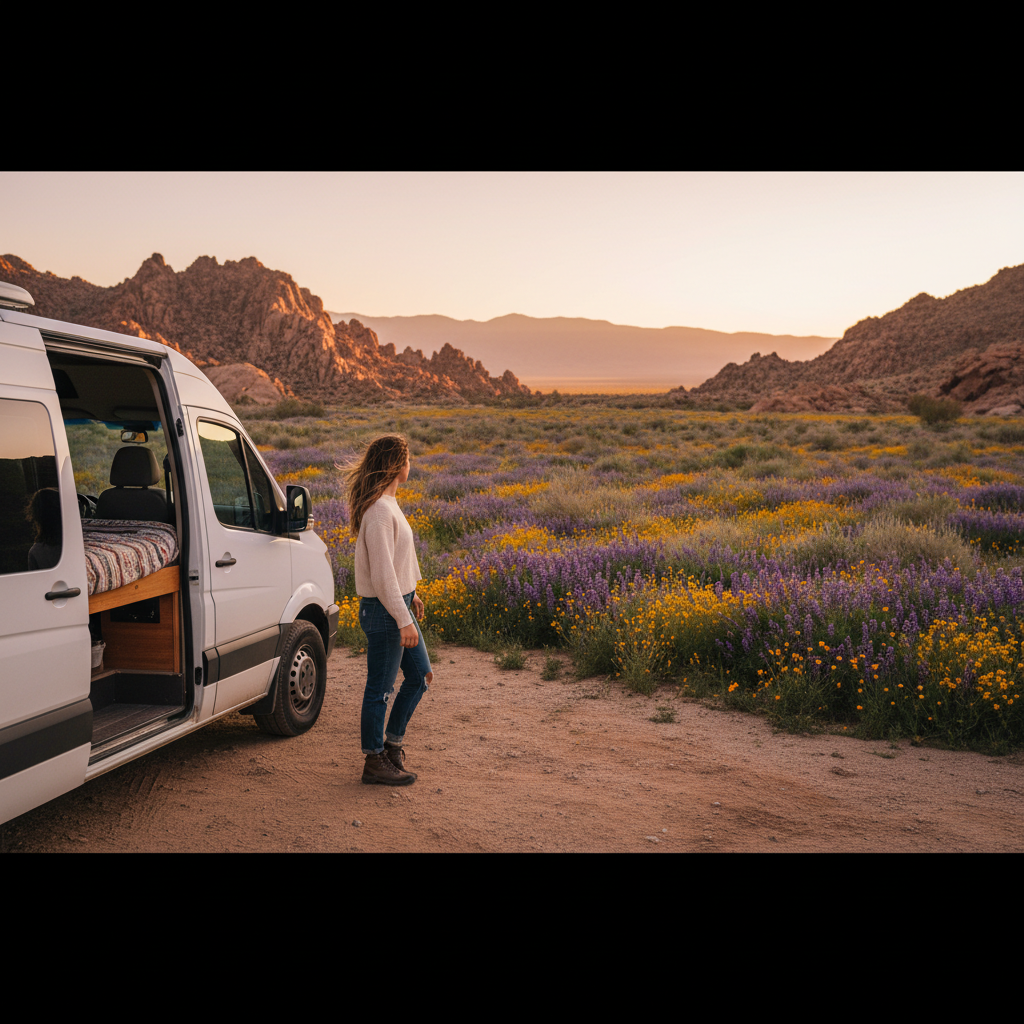
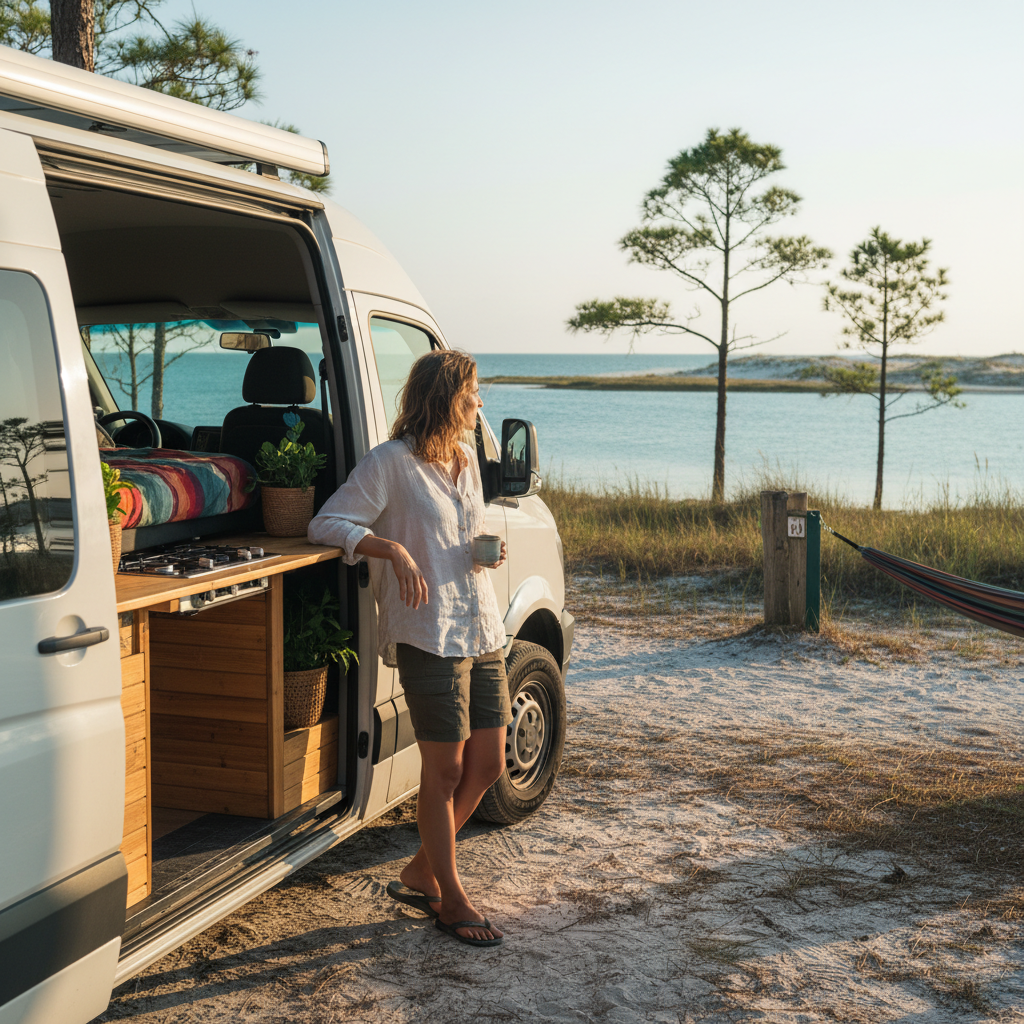
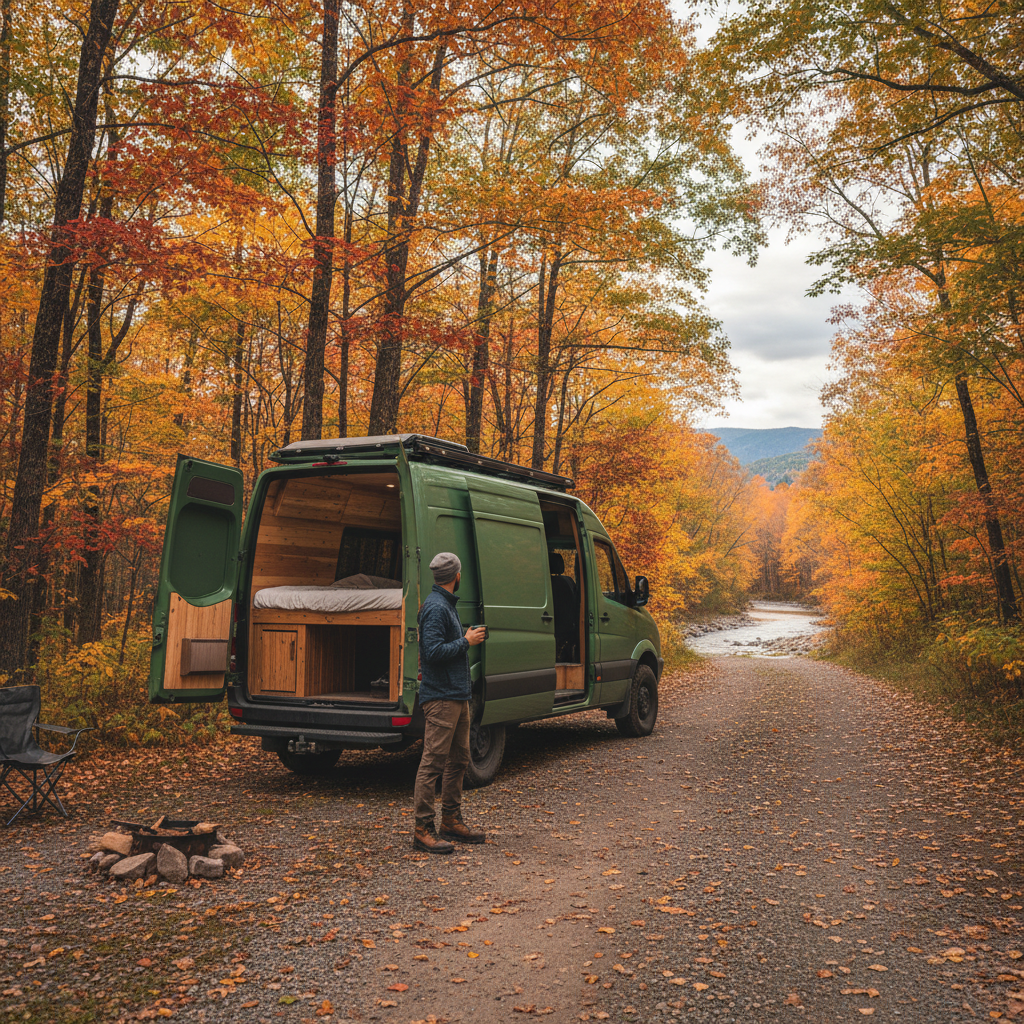
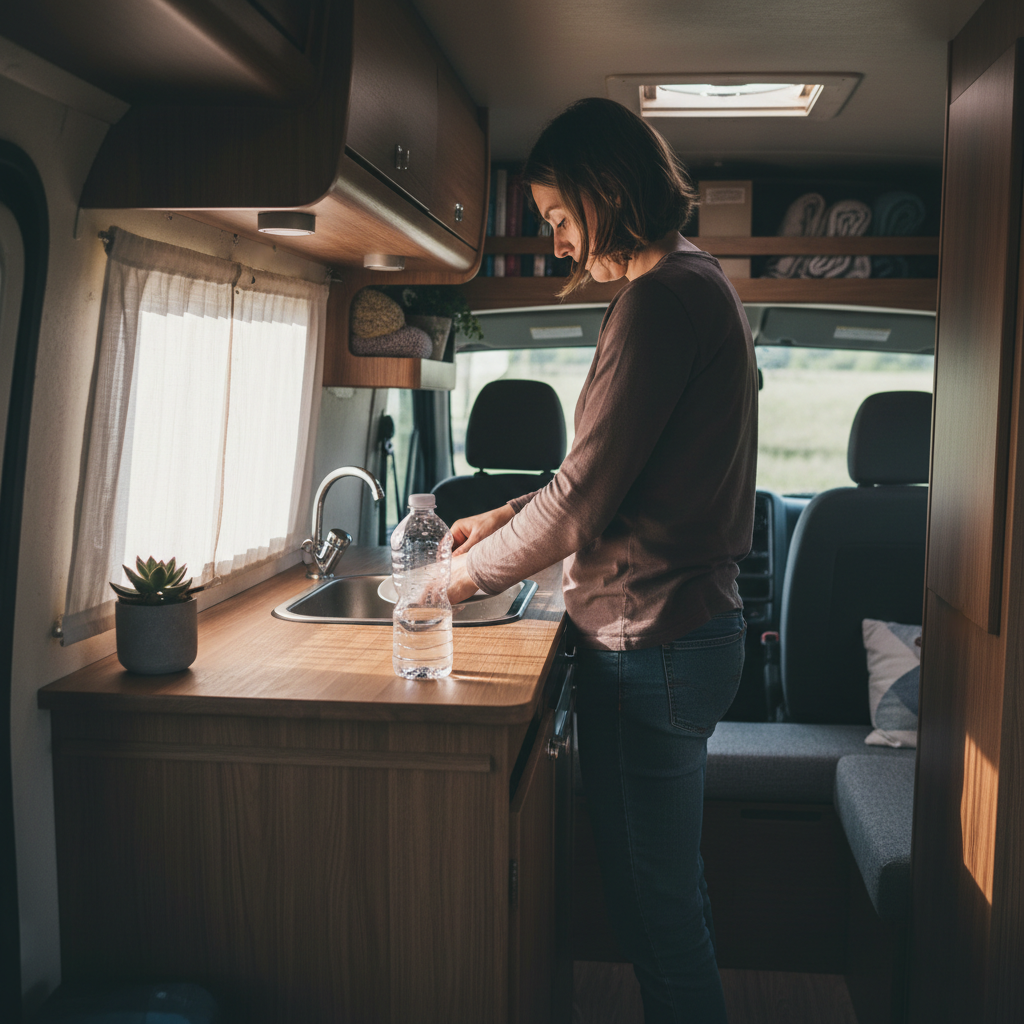
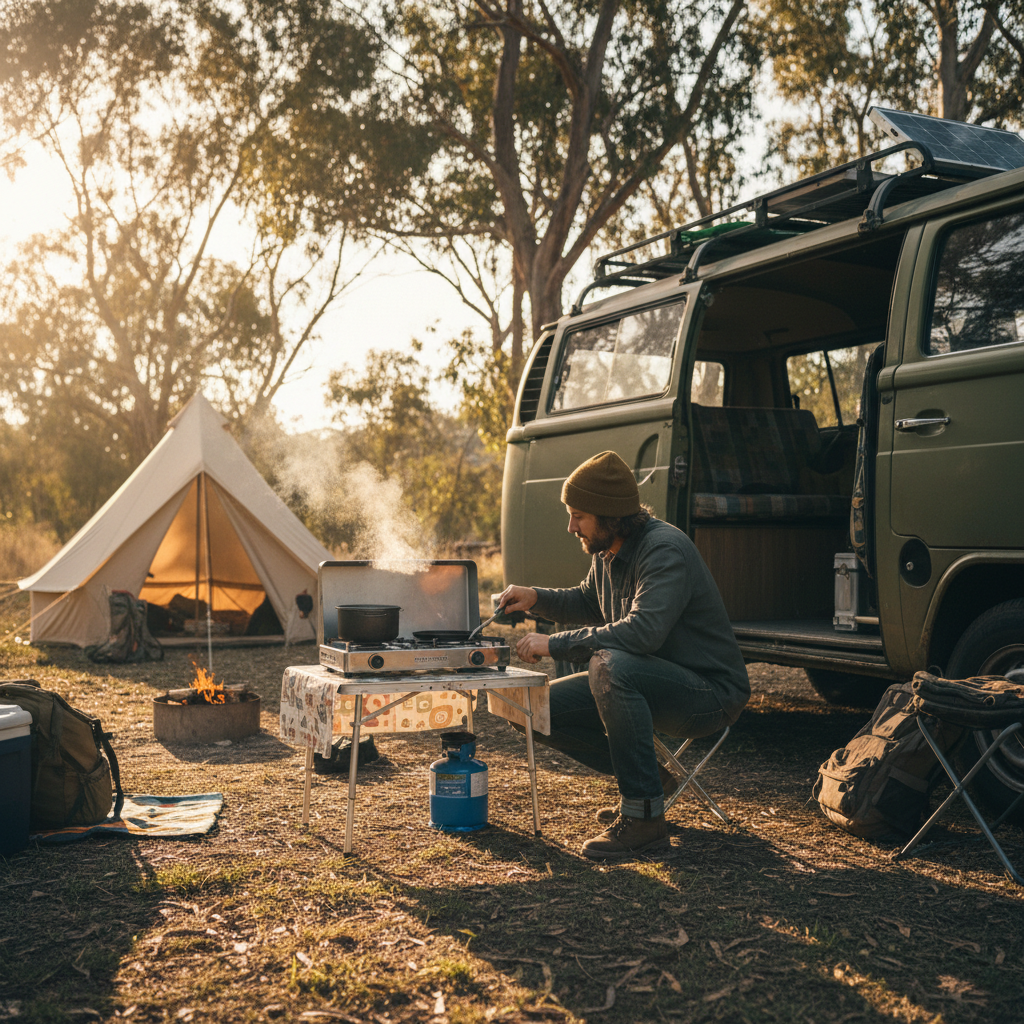
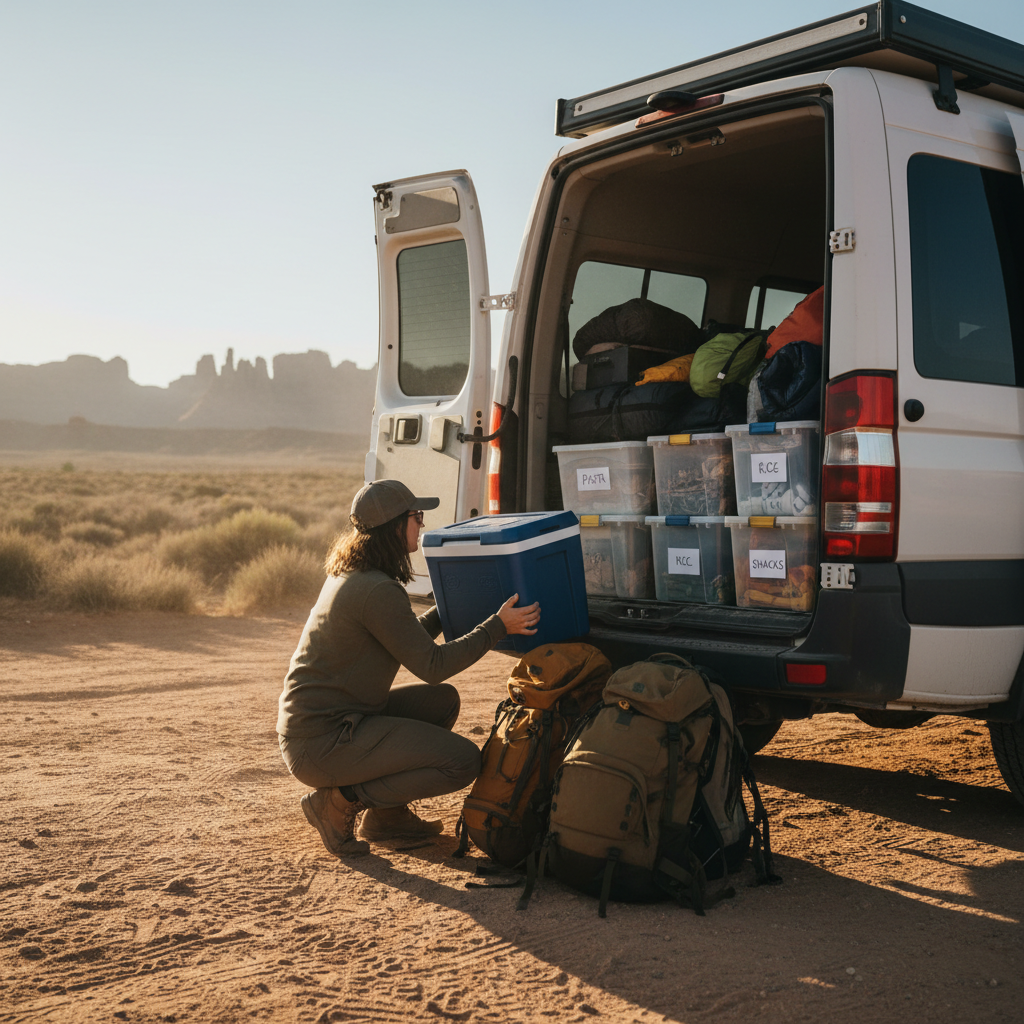

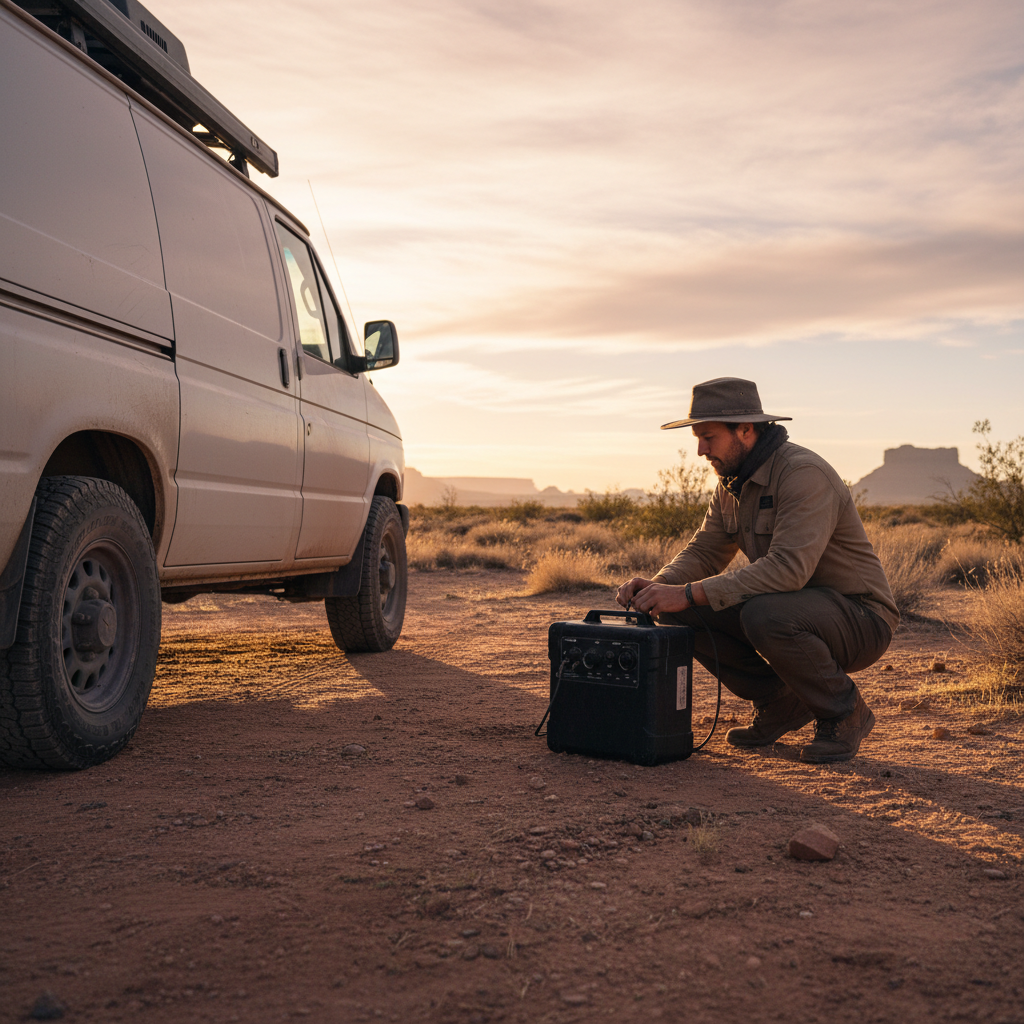
Experienced van dwellers will tell you the first night off-grid teaches you more than a dozen nights at a full-hookup campground, and there's a reason they say it with a smirk. Boondocking strips away the infrastructure you've been quietly depending on: shore power, potable water on tap, and a dump station fifty steps from your door. What's left is just you, your rig, and whatever systems you actually built correctly.
For nervous first-timers, that exposure is exactly the problem. The question isn't whether boondocking is worth it in the abstract. It turns on three variables that most camping content leaves unexamined: your battery bank's real usable capacity, how many nights your water storage buys you at your actual consumption rate, and whether the specific public land you're targeting requires a permit or has a stay limit. Get those wrong and a liberating experience becomes a stressful one fast.
There's a real tension here that the van-life highlight reel tends to skip. Free dispersed camping on Bureau of Land Management land is genuinely accessible and widespread across the American West, but "accessible" is doing a lot of work in that sentence. Accessible to whom, with what build, and under what conditions? That gap between the Instagram version and the operational reality is where first-timers get burned.
What Boondocking Actually Demands from Your Rig
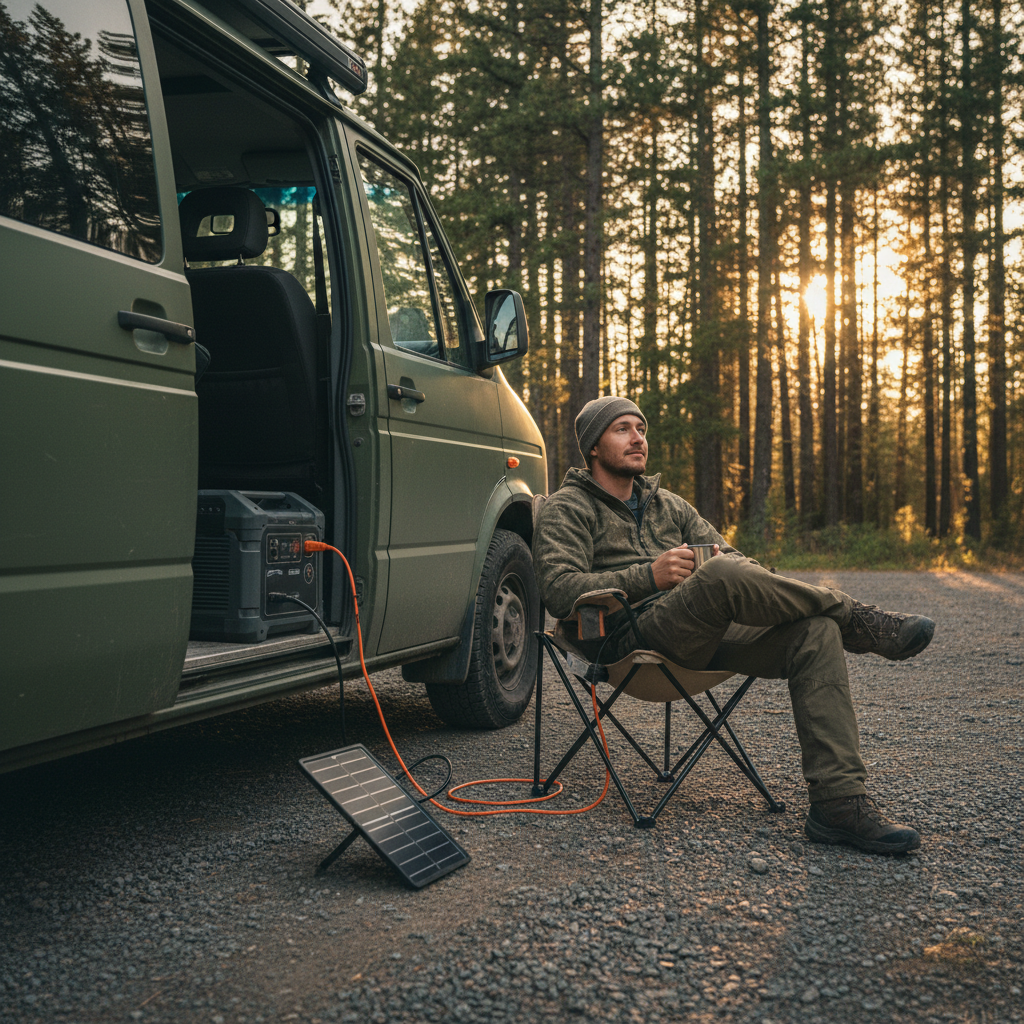
Strip boondocking down to its mechanical core and it's a resource management problem. You have finite electricity, finite water, and a waste tank with a hard ceiling. Every day you're drawing down two of those and filling up the third. The math is unforgiving, which is actually useful: it forces you to understand your own systems before you need them at 11 PM on a remote two-track.
Battery capacity is where first-timers most often miscalculate. A 200Ah lithium battery bank sounds substantial until you run a compressor fridge (roughly 30-50Ah per day depending on ambient temperature), charge devices, run a fan overnight, and realize you've consumed 70-80Ah before noon. Lithium chemistry gives you about 80% usable capacity without damage; lead-acid drops that to 50%. Or rather: the number on the label is not your operational budget. Your operational budget is the label number multiplied by your chemistry's usable depth, minus a 10-15% buffer for aging and inefficiency. A common guideline among experienced van builders is to size your solar and battery for 1.5x your expected daily draw, but that's a planning heuristic, not a manufacturer threshold.
Water is simpler arithmetic but equally unforgiving. A 20-gallon fresh tank at roughly 2 gallons per person per day for cooking, drinking, and minimal handwashing gets a solo traveler about 10 days. Add a partner and that's 5 days. Start taking any kind of shower and you're refilling every 3. Know which number applies to your trip before you leave cell range.
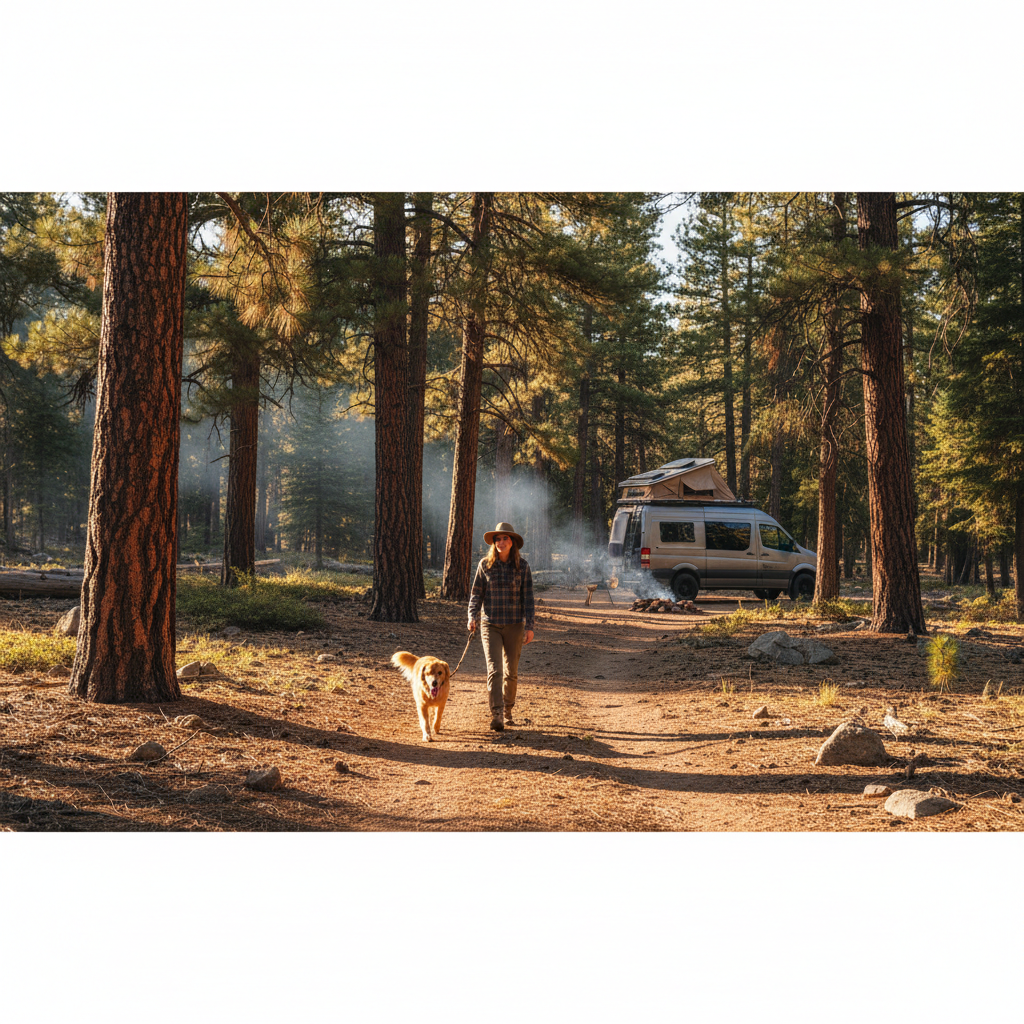
The piece most guides underweight is BLM dispersed camping rules. The Bureau of Land Management oversees roughly 245 million acres of public land, primarily in the western United States, and the default stay limit on most dispersed areas is 14 days within a 28-day period before you must move at least 25 miles. Some popular areas, particularly around Quartzsite, Arizona and Moab, Utah, have specific closure orders and seasonal restrictions posted on the relevant BLM field office websites. Checking your specific field office before departure isn't optional; it's the difference between a legal stay and a citation.
The Honest Case for Starting with a Shakedown Night
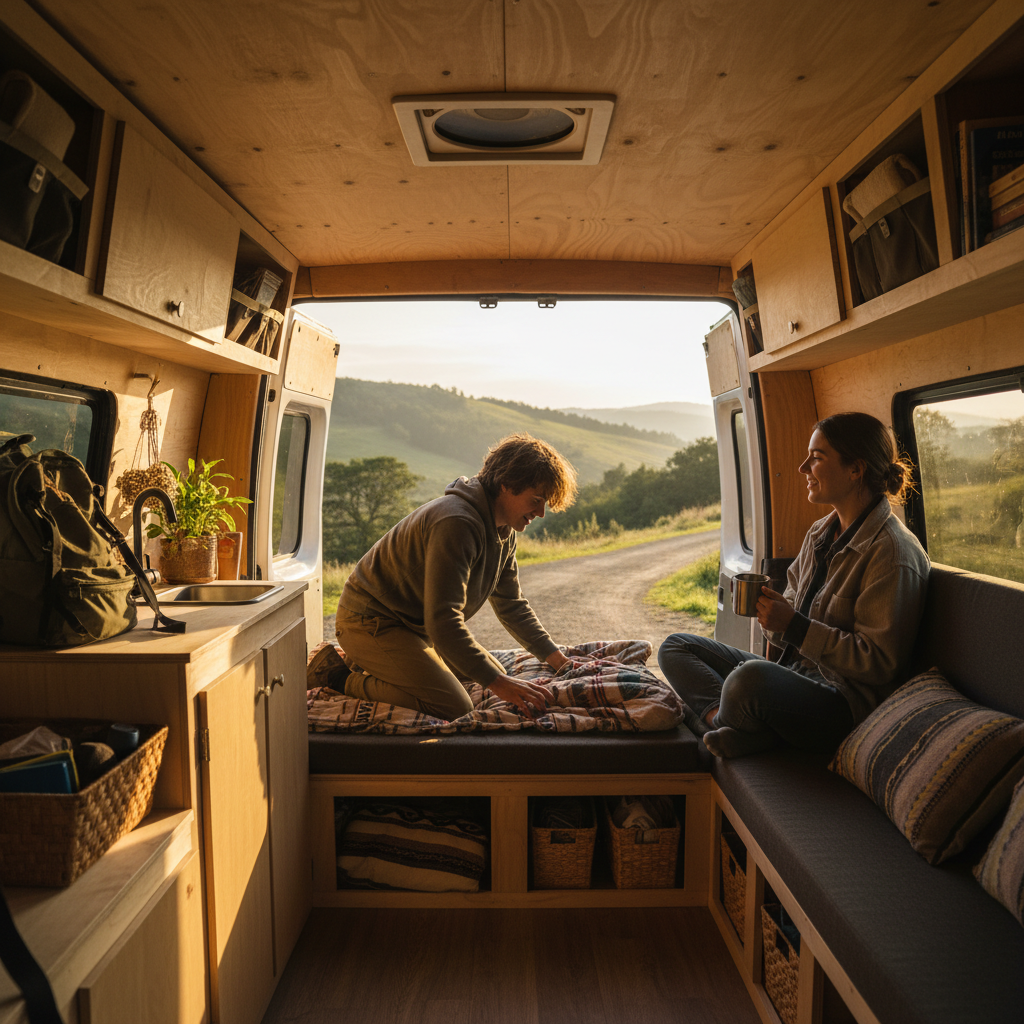
Before committing to five nights at a remote site, spend one night boondocking within 30 minutes of home. This sounds overly cautious until you've watched someone discover their inverter won't run their CPAP at 1 AM, two hours from help. The shakedown night is standard practice among experienced van dwellers for a reason: it converts theoretical system knowledge into operational knowledge under low-stakes conditions.
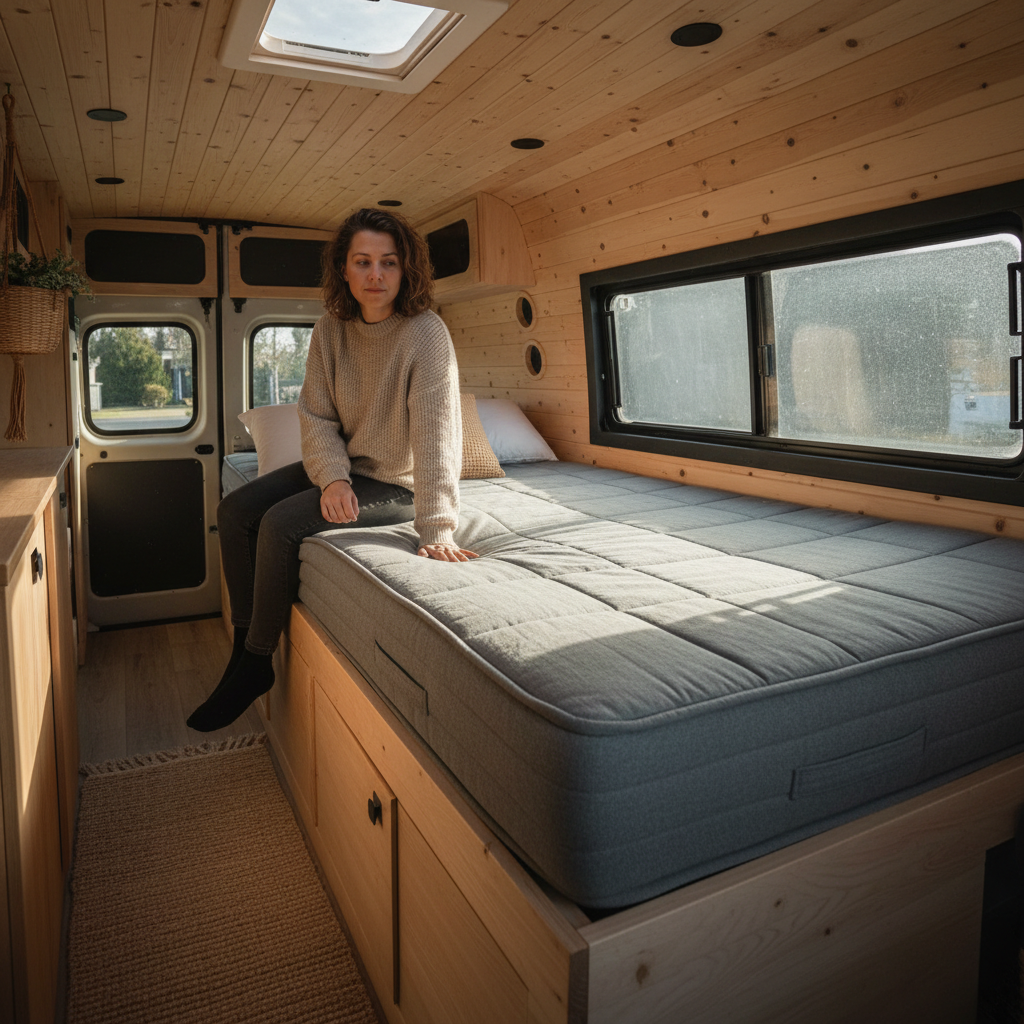
What you're actually testing: battery draw over a real overnight cycle, whether your ventilation handles condensation, how your sleep quality holds without ambient campground noise, and whether any component behaves differently than expected. That framing misses something important, though. You're also testing yourself. Anxiety about self-sufficiency is real and legitimate, and one successful low-stakes night recalibrates your baseline confidence in a way that no amount of YouTube research does.
If you skip the shakedown and go straight to a remote location, you're not being bold. You're borrowing confidence you haven't earned yet and the debt comes due at the worst possible time. A mechanical issue 40 miles down a dirt road with no cell signal is a genuinely different problem than the same issue in a Walmart parking lot.
When Boondocking Is the Wrong Call
Boondocking is not the right choice for every first-timer, and pretending otherwise does real harm. If your build relies on shore power for a medical device you cannot run on battery alone, dispersed camping is not appropriate until you've verified your electrical system can reliably handle that load for the duration of your stay, with margin. This article is not for van campers whose primary use case is medical equipment dependency without a verified off-grid power solution.
Extreme heat is a second hard limit. Running air conditioning off battery and solar is possible but demands a serious electrical build: typically 400Ah or more of lithium capacity and 400+ watts of solar at minimum, and even that is marginal on overcast days in humid climates. If you're in the Southeast in July and your van doesn't have that capacity, boondocking without hookups can become a heat safety issue, not just a comfort issue. The BLM land distribution in the United States skews heavily western and arid; the Southeast and Midwest have significantly less dispersed camping access, which changes the practical calculus for campers in those regions.
New van builders who haven't completed a full systems test, travelers with pets requiring climate control they can't guarantee off-grid, and anyone whose anxiety spikes at the thought of no cell service for 48 hours should consider their first foray to be a campground with partial hookups, or a location like a Harvest Hosts site that provides a structured environment without full hookup dependency. Ignoring this and pushing into remote boondocking anyway doesn't build confidence; it builds negative associations that take longer to overcome than just starting at the right level.
Free Camping Resources That Actually Work in the US
The practical toolkit for finding legal boondocking spots in the United States is smaller than the internet suggests. Three sources consistently deliver reliable, verified information: the BLM's own Recreation.gov and field office pages for dispersed camping on federal land; the iOverlander and FreeRoam apps for user-reported free camping with recent check-in data; and the Campendium database, which combines reviews with GPS coordinates and cell signal reports.
Freecampsites.net gets recommended constantly and is genuinely useful for initial discovery, but treat individual site reports as leads to verify, not confirmed information. Conditions change, closures get added, and a five-year-old report about a beautiful spot outside of Moab may describe land that now has a seasonal closure order. Cross-reference anything you find there against the relevant BLM field office website before you go.
A practical pre-departure checklist for your first boondocking trip: confirm the specific site's stay limit and any permit requirements, download offline maps (Gaia GPS and CalTopo are the standard tools for this), note the nearest potable water refill point, and tell someone your coordinates and expected return date. The last item costs you sixty seconds and is the kind of thing that matters when it matters.
The realistic value proposition of boondocking isn't just the $0 nightly cost, though that compounds meaningfully over a season of travel. It's the quality of location access. A BLM dispersed site outside of Escalante, Utah or in the Owens Valley near Bishop, California puts you in landscape that no fee campground can match. That's what experienced van campers mean when they say it's worth it. They're not talking about frugality; they're talking about where you wake up.
Making the Call: A Framework for Nervous First-Timers
I'd start with a simple yes-or-no inventory before any trip planning begins. Can you answer these four questions with specific numbers, not approximations: your usable battery capacity in amp-hours, your daily draw in amp-hours, your fresh water tank size in gallons, and your daily water consumption per person? If you can't answer all four, you're not ready to boondock remotely yet, and that's a preparation gap, not a character flaw.
Buyers who skip this inventory and head out anyway often return not because they hated boondocking but because something failed they didn't anticipate, and they associate the experience with the failure instead of with the gap in preparation. That's a waste of a potentially formative trip.
For those who can answer all four: run the math. Divide your usable battery capacity by your daily draw to get your theoretical days of autonomy without solar input. Divide your tank by your daily per-person consumption. The lower of those two numbers is your operational ceiling. Plan your first trip to use 60-70% of that ceiling. That buffer absorbs the surprises that every first trip produces.
Check the BLM field office page for your target area, download offline maps, do the shakedown night, and go. The nervous feeling doesn't fully go away on night one. But it does go away, and what replaces it is something closer to competence than confidence, which is the more durable version.