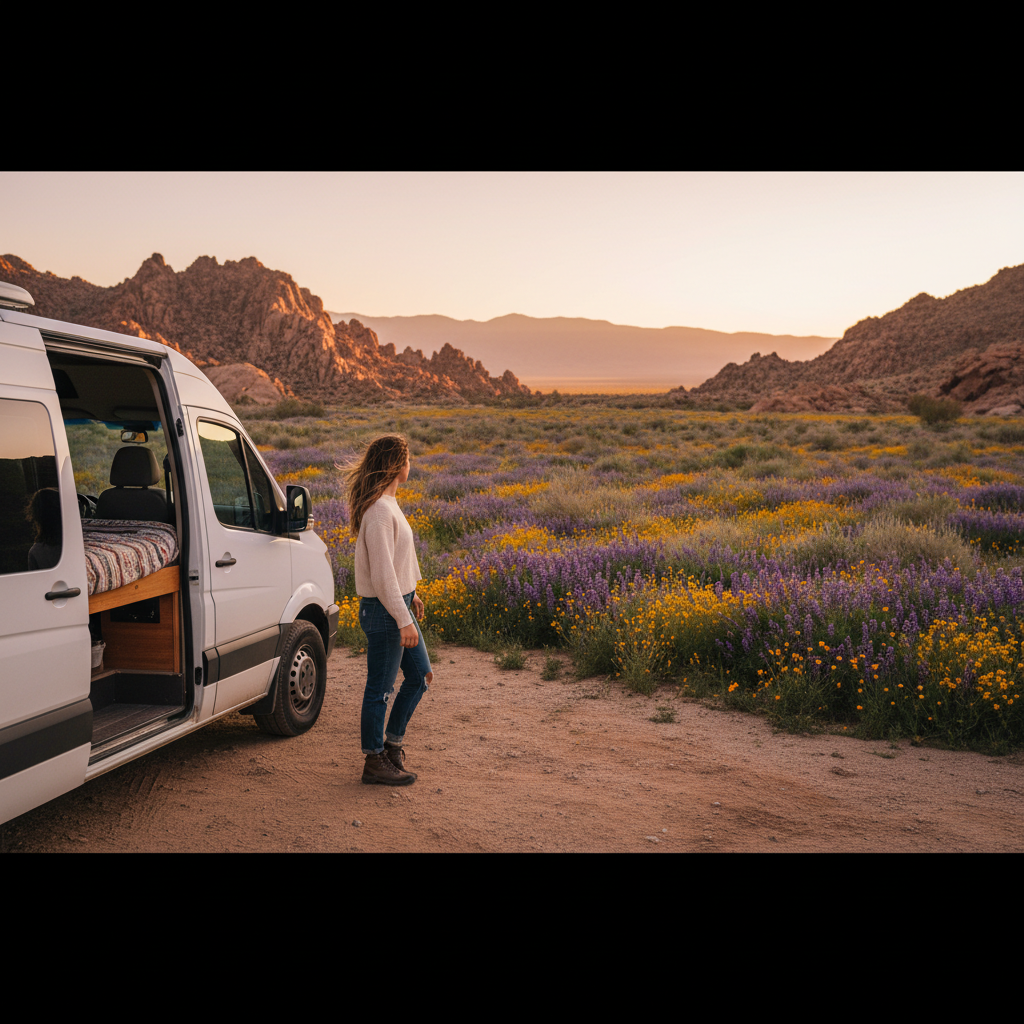

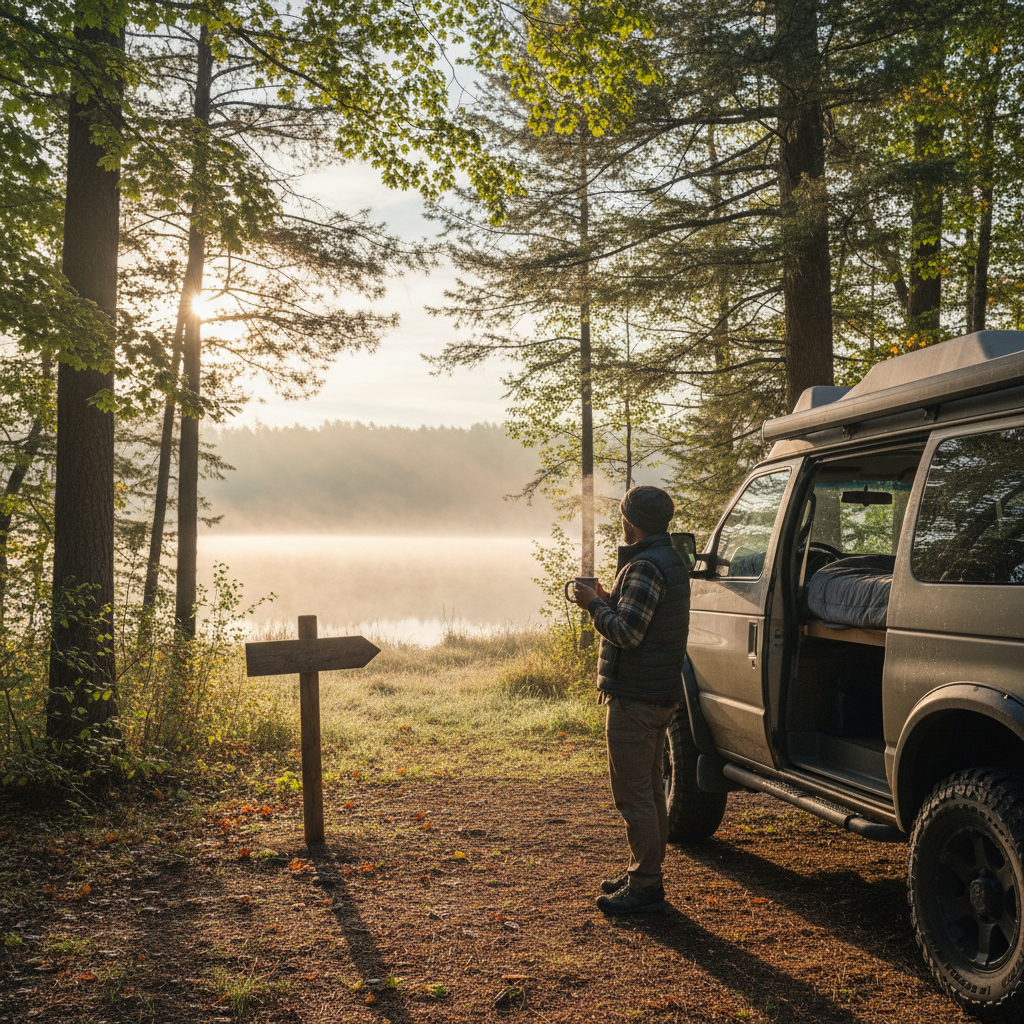
Park rangers will tell you the booking window before they mention anything else about state park camping, and there's a reason for that. Reservations at popular state parks fill months out, sometimes within minutes of opening on reservation platforms like Recreation.gov or individual state systems. For a spontaneous van getaway, that single logistical fact changes almost every calculation you'd otherwise make about private campgrounds versus state parks.
The comparison comes up constantly in van life circles, and it's genuinely unsettled. State parks carry the appeal of cheaper nightly rates and wilder settings. Private campgrounds offer electrical hookups, reliable Wi-Fi, and same-week availability. Neither one wins cleanly. What matters is which tradeoffs fit your rig, your trip window, and your tolerance for amenity gaps.
The tension nobody talks about clearly: state parks were built for tent campers and pull-through RVs with reservations. Vans occupy a weird middle ground where you don't need a full hookup site but you might need a power source, and whether that's available depends entirely on the specific park, not the category. Getting that wrong means either overpaying for infrastructure you won't use or dry camping somewhere you expected shore power.
What State Parks Actually Offer Van Campers
State parks are managed by individual state agencies, so there's no single standard. What you get in a California State Parks site differs substantially from what a Virginia or Colorado state park provides. That said, most developed state park campgrounds include a designated site with a fire ring, a picnic table, vault or flush toilets, and potable water nearby. Electrical hookups exist in some state parks but are far from universal, and where they do exist they're typically 20-amp or 30-amp pedestals, not the 50-amp service a large motorhome needs.
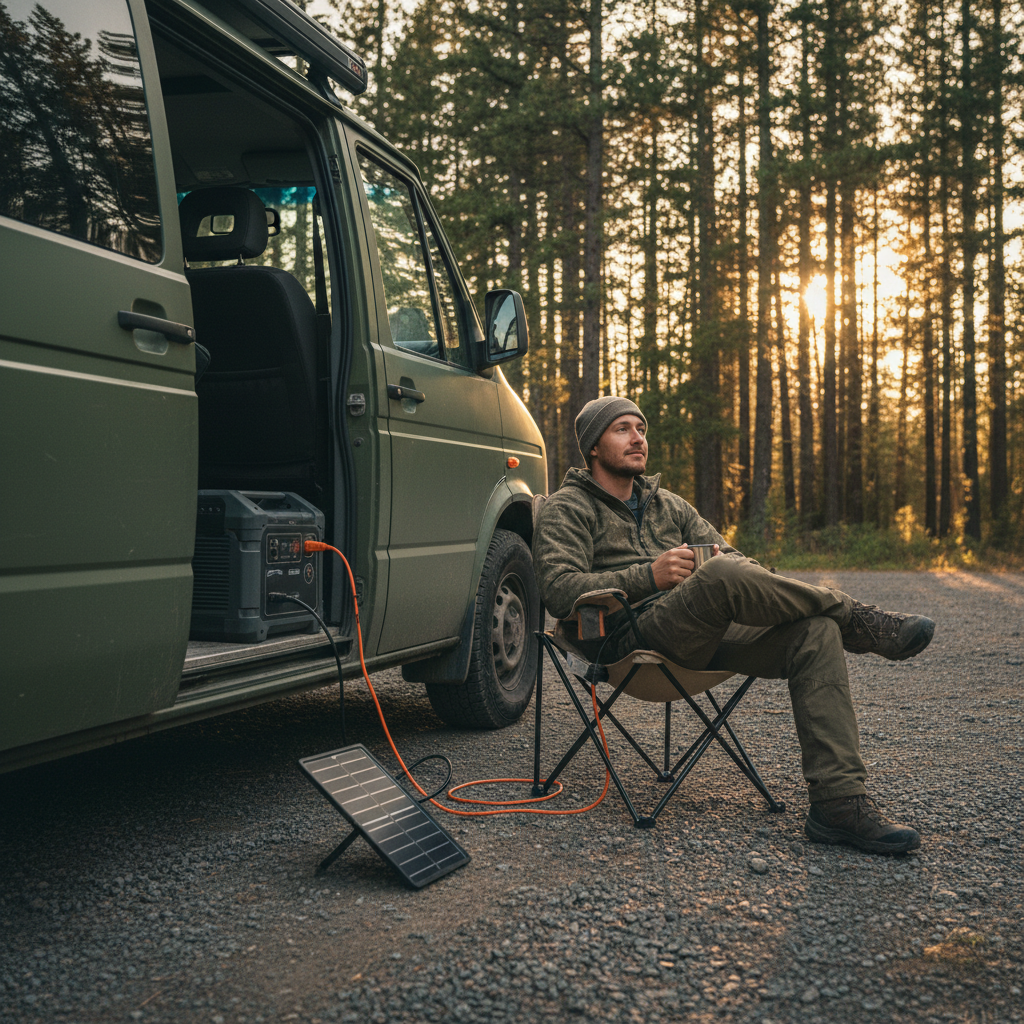
For a van build with a modest 12V system and a battery bank, those electrical hookups are genuinely useful for topping off lithium batteries without running your alternator or a generator. But you don't need them the way a Class A RV does. That understates it. For many van setups, especially those with rooftop solar, state park hookups add convenience without being essential, which shifts the math entirely: you're paying a premium rate for a hookup site you might use for four hours overnight.
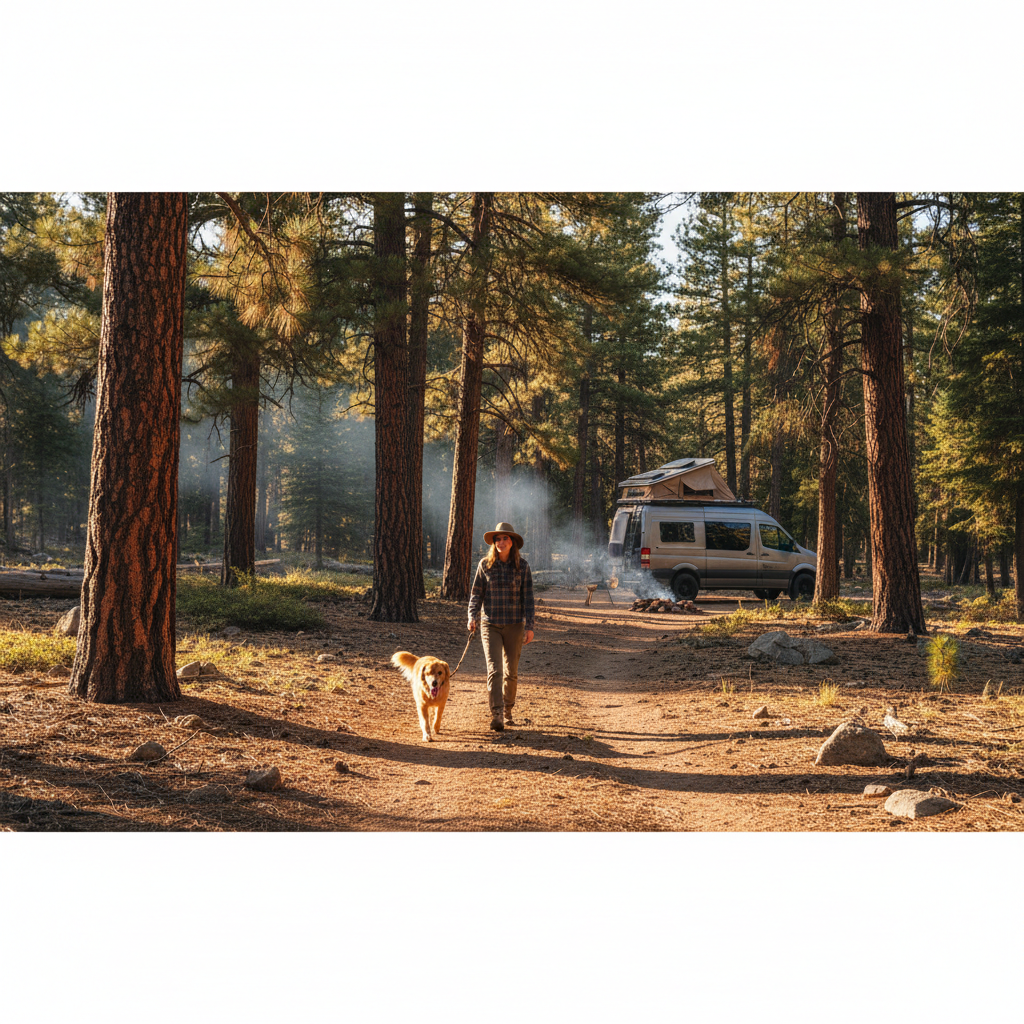
The stronger argument for state parks is scenery density. You're typically paying $25 to $45 per night (rates vary widely by state and site type, and these are approximate ranges based on publicly posted state agency fee schedules) for a site that's inside or adjacent to a protected natural area. Privacy between sites varies, but developed state park loops are usually less cramped than budget private campgrounds. If dispersed camping or primitive sites are available within the park, those are often cheaper still and fine for self-contained vans.
What state parks won't give you: consistent cell signal, laundry, a camp store, or any guarantee that a neighboring loop isn't hosting a family reunion. The experience is more variable and more dependent on which specific park you pick. Buyers skip the individual park research until they've been burned once by a noisy loop that looked quiet on the map.
What Private Campgrounds Actually Deliver
Private campgrounds in the US operate under no unified regulatory framework for amenities. What you get is whatever the owner has built and maintained. That means the category spans everything from a bare gravel lot with a single bathhouse to a resort-caliber operation with a pool, Wi-Fi rated for streaming, and full 50-amp hookups at every site. The variance is enormous and the category label alone tells you almost nothing.
The reliable advantages are availability and infrastructure. Private campgrounds, including KOA franchises and independent parks, almost always accept same-week or same-day bookings outside peak summer weekends. If you're planning a van trip five days out, private campgrounds are generally your only realistic option in popular regions. State park reservations in high-demand areas can be gone six months ahead.
For vans specifically, private campgrounds offer two things state parks often don't: 30-amp hookups at the majority of developed sites, and amenities like showers and laundry that matter if you've been on the road for several days. The nightly rate runs higher, typically $45 to $70 at mid-range private parks (again, approximate, and heavily regional), but that rate includes infrastructure that a van with limited onboard systems genuinely uses. The math changes when your alternative is driving to a laundromat twice during a four-day trip.
The honest downside: many private campgrounds, especially budget-tier independents, were designed for large RVs and feel like parking lots. Sites are close together, the aesthetic is industrial, and if what you want from van camping is some separation from other humans, a private campground in peak season won't deliver it. The experience is functional, not restorative.
The Decision Framework: Four Questions That Separate Them
Rather than picking a winner, the more useful exercise is running your specific trip through four questions. Check your build, your dates, your region, and your purpose first.
Do you need shore power? If your van has rooftop solar and a lithium battery bank that handles overnight draws comfortably, shore power is a convenience, not a requirement. You can book a standard state park site, skip the hookup premium, and come out ahead on both cost and scenery. If you're running a compressor fridge, a CPAP, and a laptop setup without adequate solar, shore power becomes essential and state parks become unreliable.
When are you going? Summer weekends at popular state parks in the western US are effectively sold out months in advance. The same parks in the shoulder season, say late September through early November in most regions, often have same-week availability and reduced rates. Private campgrounds absorb the overflow in summer but feel less necessary once state park reservation pressure drops.
What does your van need in terms of clearance and site size? Some state park loops have tight turns and low-hanging branches that suit tent sites. Most standard conversion vans and smaller high-top builds fit fine, but if you've got a long extended-body van or an elevated roof profile, call ahead. Private campgrounds designed for RVs almost always have pull-through sites with generous clearance.
Or rather: it's not just clearance. Check the road surface too. State park roads in wet weather can be soft gravel or packed dirt. Two-wheel-drive high-top vans have gotten stuck on campground access roads that looked fine in dry-season photos.
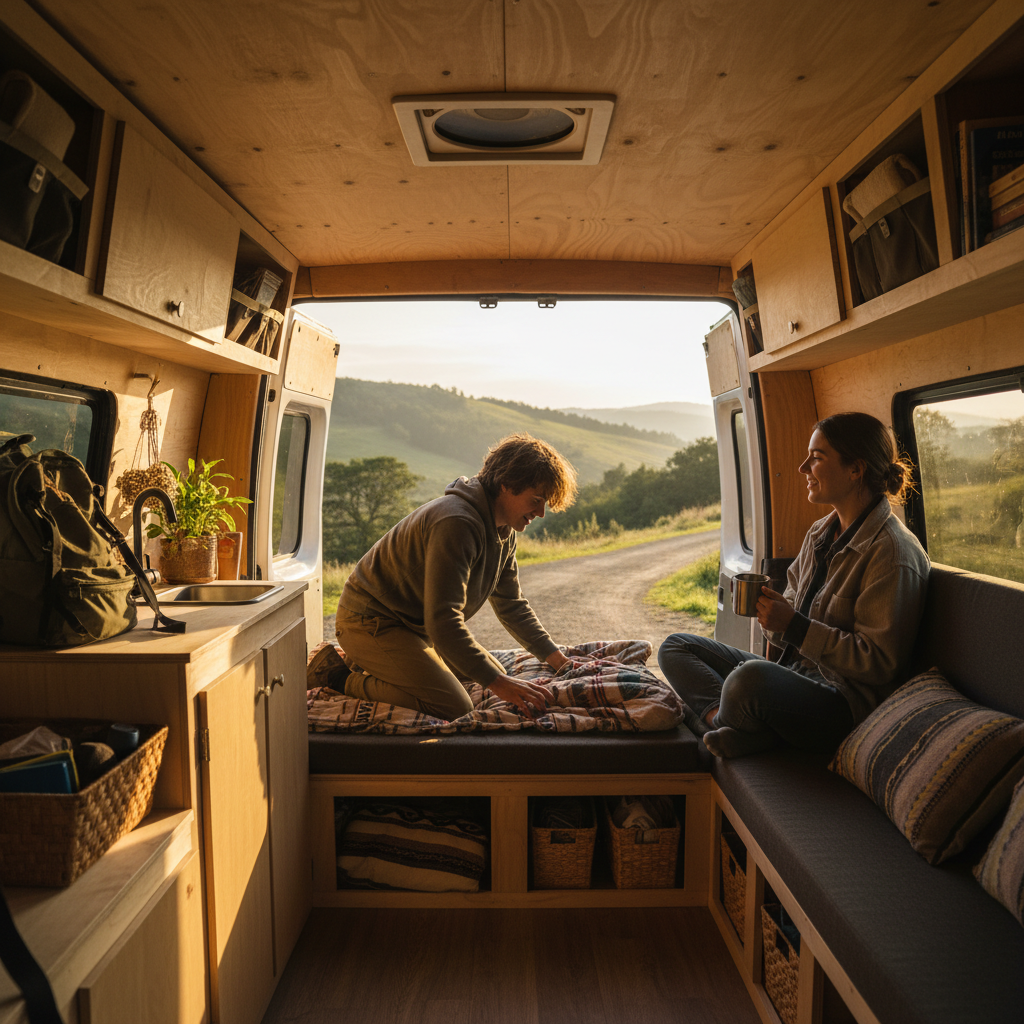
What do you actually want from the trip? This sounds obvious, but it's the question people skip. If the goal is two nights of quiet, a fire, and morning coffee outside with no one nearby, a state park primitive site beats a private campground on nearly every axis. If the goal is a comfortable base for a road trip leg where you need showers, reliable power, and a camp store, a mid-range private campground is the honest answer. Forcing yourself into a state park for the experience when you need infrastructure is a mistake. So is paying for private amenities when all you want is a fire ring and a tree line.
When State Parks Are the Wrong Call
State parks fail van travelers in predictable circumstances. Knowing when to skip them saves both the booking frustration and the on-site disappointment.
First, the full-hookup van. If your build depends heavily on shore power because solar wasn't part of the original design, many state park sites won't support your electrical needs without an extension cord run across a site you don't own. That's not a minor inconvenience; it's a safety and campground-rule issue at once.
Second, last-minute trips to high-demand parks. In California, Oregon, and Colorado, among others, the most desirable state park campgrounds book out within hours of the reservation window opening, often six months ahead. Arriving without a reservation at a no-reservation-accepted state park in July and hoping for a first-come, first-served site is a plausible plan in the off-season and a bad bet in summer. Show up to a full park and you're back on the highway looking for a private campground at 7 PM anyway.
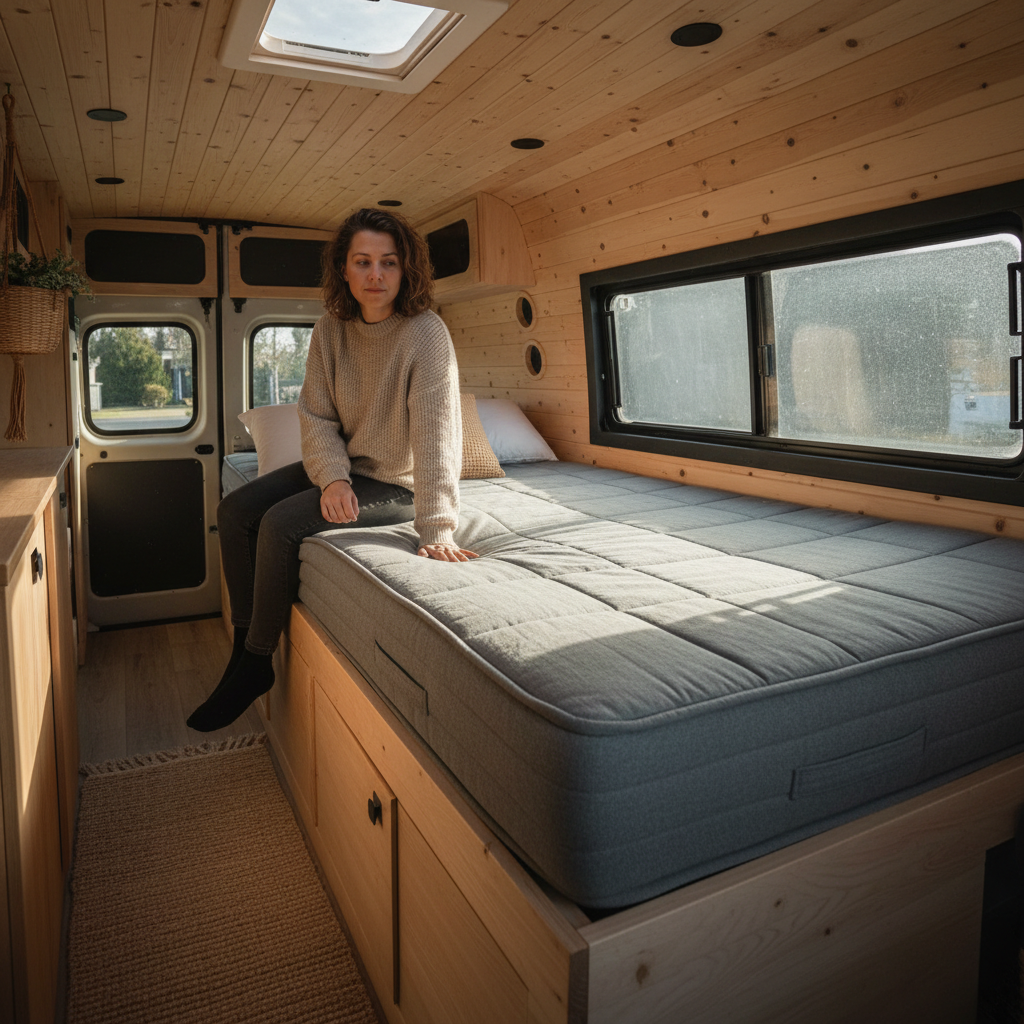
Third, van travelers who need full-service amenities for extended legs. State parks don't have laundry. Most don't have camp stores. Cell signal in protected natural areas is genuinely unreliable in many regions. If you're working remotely for part of the trip, need to resupply, or want the option of a hot shower that isn't dependent on a camp host's maintenance schedule, private campgrounds are the more honest choice.
If you skip this framework and default to state parks for every van trip because they're cheaper and more photogenic, you'll eventually spend a night at a full park without a site, or a night without the power you needed, or both. The consequence isn't catastrophic but it's a wasted day and a frustrated trip.
Cost Comparison and Where the Math Lands
A straightforward cost comparison across a three-night weekend van trip illustrates where the real numbers land. The inputs: a single van traveler, one standard site per night, and realistic mid-tier options in each category.
| Category | Nightly Rate (Approx.) | Hookups | Showers | Booking Lead Time | Best For |
|---|---|---|---|---|---|
| State Park (standard) | $25-$45 | Some sites; not guaranteed | Usually included | Weeks to months in advance | Self-contained van, planned trips |
| State Park (primitive/dispersed) | $10-$25 | None | No | Variable; often same-day | Solar-equipped, off-grid builds |
| Private (budget independent) | $35-$55 | 30-amp common | Yes | Same week to same day | Last-minute, needs hookup |
| Private (KOA or mid-tier resort) | $55-$80 | 30/50-amp standard | Yes, often heated | Flexible; book day-of peak season | Extended trips, remote work needs |
Over three nights, the gap between a state park standard site and a mid-tier private campground runs roughly $60 to $105 (using the midpoints of the approximate ranges above). That's not trivial, but it's not decisive either. What changes the math is whether you'd spend that difference anyway on a laundromat, a campsite shower fee, or fuel from extra driving. A common guideline in van travel circles is to treat the hookup premium as worth it if you'd otherwise need external services on the same trip.
The derived comparison: a three-night state park trip for a van without solar, needing two laundromat runs and one shower facility outside the park, could easily add $25 to $40 in service costs, closing the gap with a private campground that bundles those amenities. That math shifts depending on your region and build.
Making the Call Before You Book
Before you open a booking platform, settle three things: your van's power independence (solar-capable vs. hookup-dependent), your trip lead time (more than four weeks vs. less), and your primary trip purpose (restorative escape vs. functional base). Those inputs determine the answer more reliably than any single recommendation I could give here.
I'd start with Recreation.gov or your target state's parks reservation system first, not because state parks always win, but because availability there is the limiting constraint. If your dates are open and the site type fits your build, state parks are almost always the better value. Book the private campground only when state parks are sold out, when your hookup needs exceed what's available, or when last-minute planning is the reality.
This article isn't for van travelers with full-hookup Class C rigs or those planning tent-only trips. The specific calculation above applies to purpose-built or converted vans where power independence is partial, amenity needs are moderate, and the camping style sits between primitive and resort.
If your dates are flexible, the state park wins on value and experience for most van builds. If they're not, stop fighting the booking window and find a solid private campground. Either way, check the specific site's hookup availability and road surface before you commit. General category advice only gets you so far.