
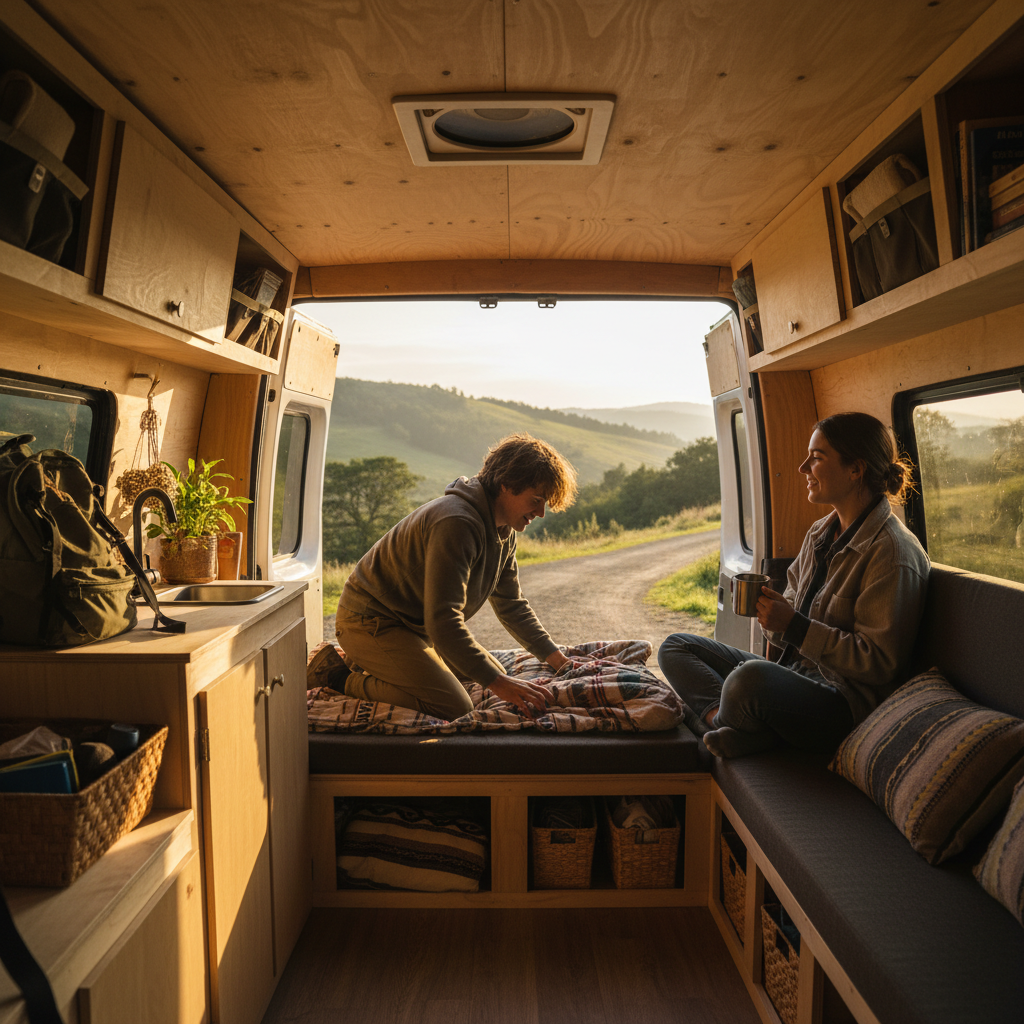
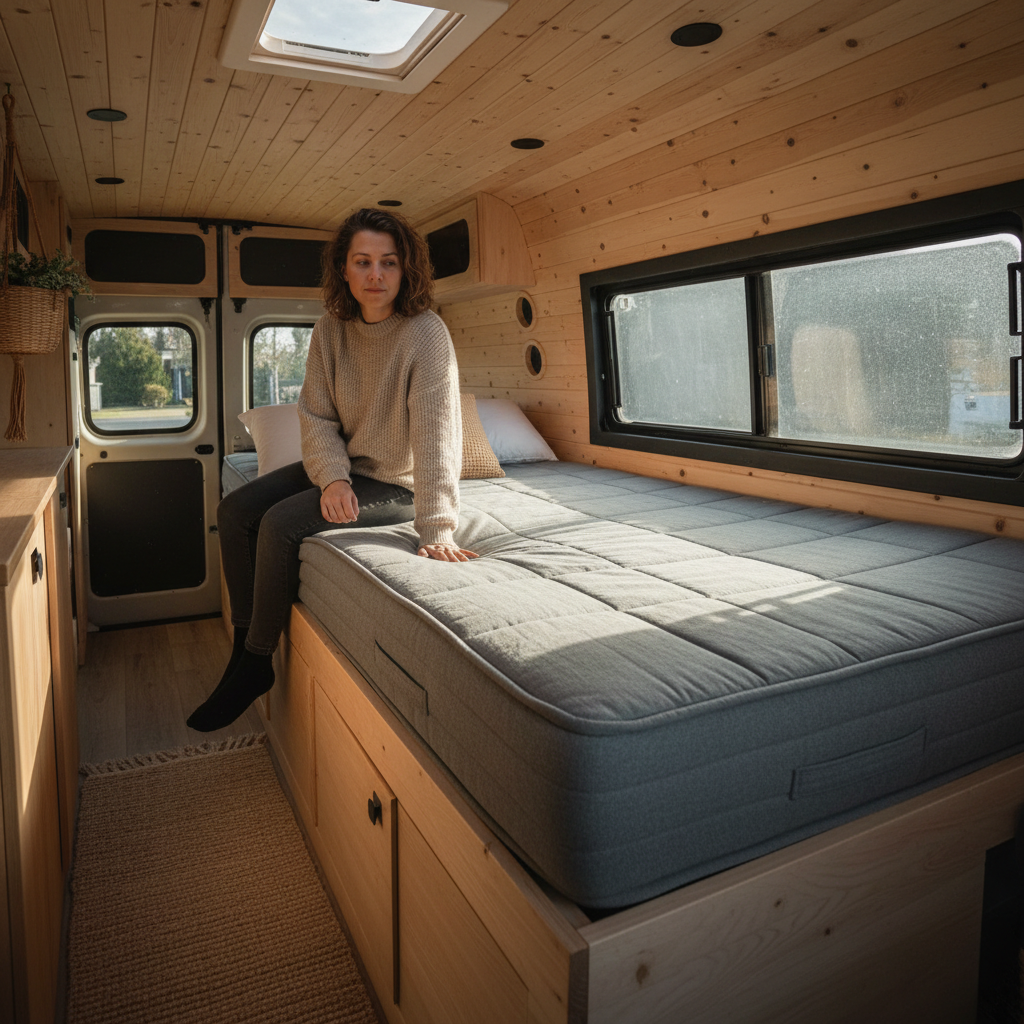
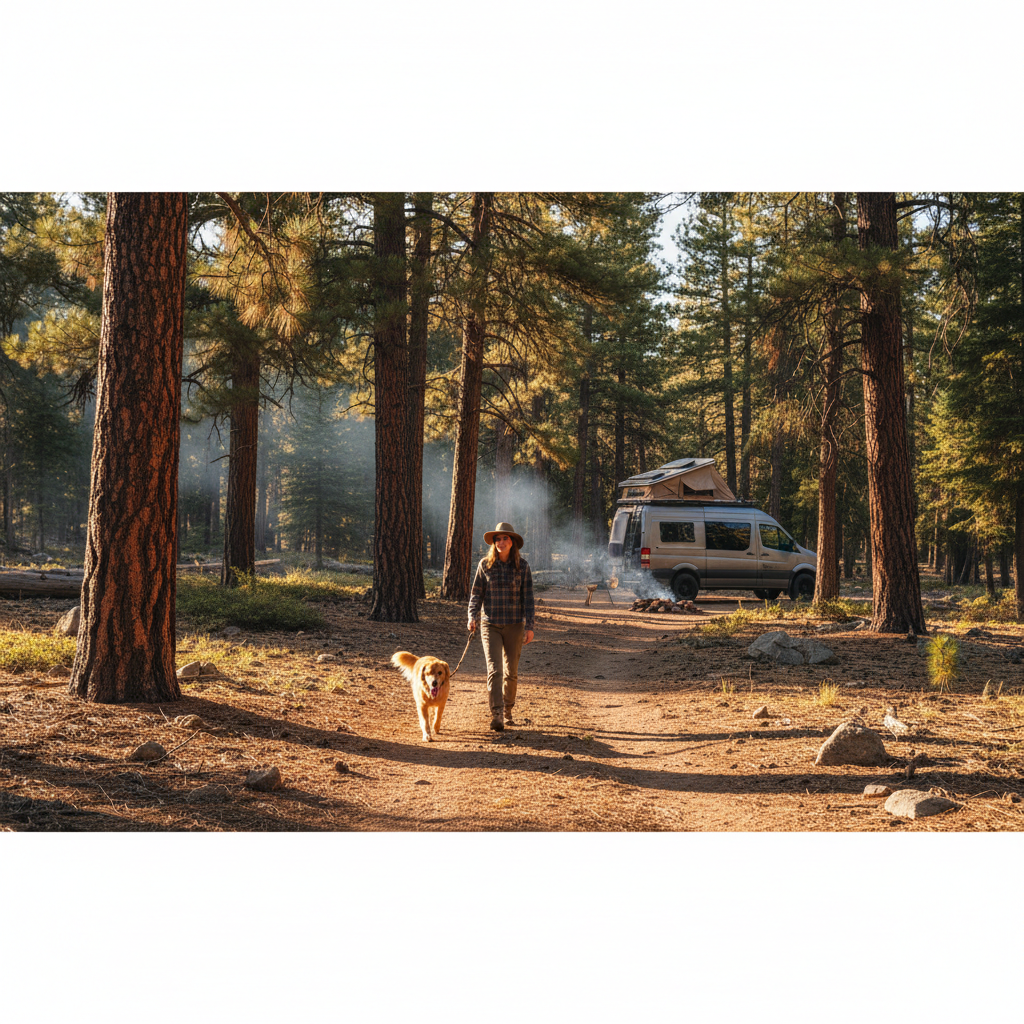
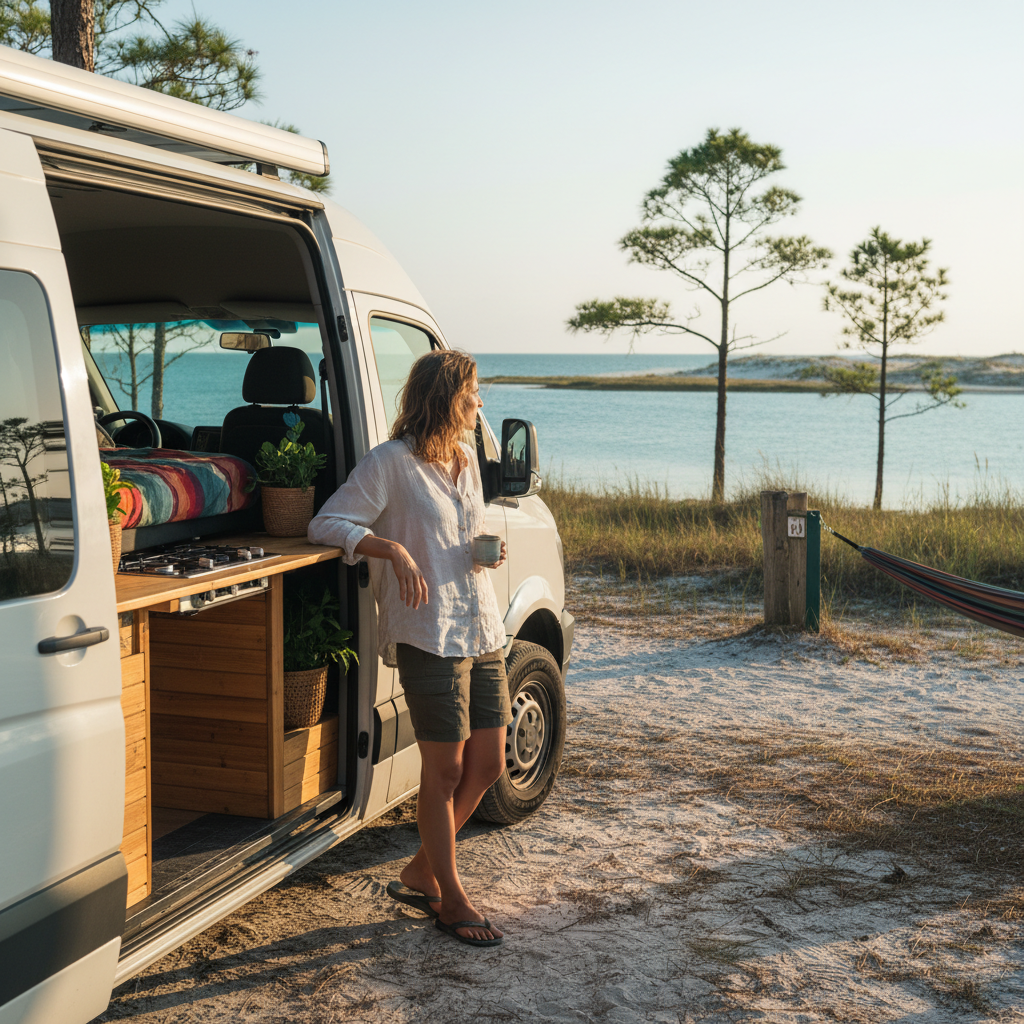


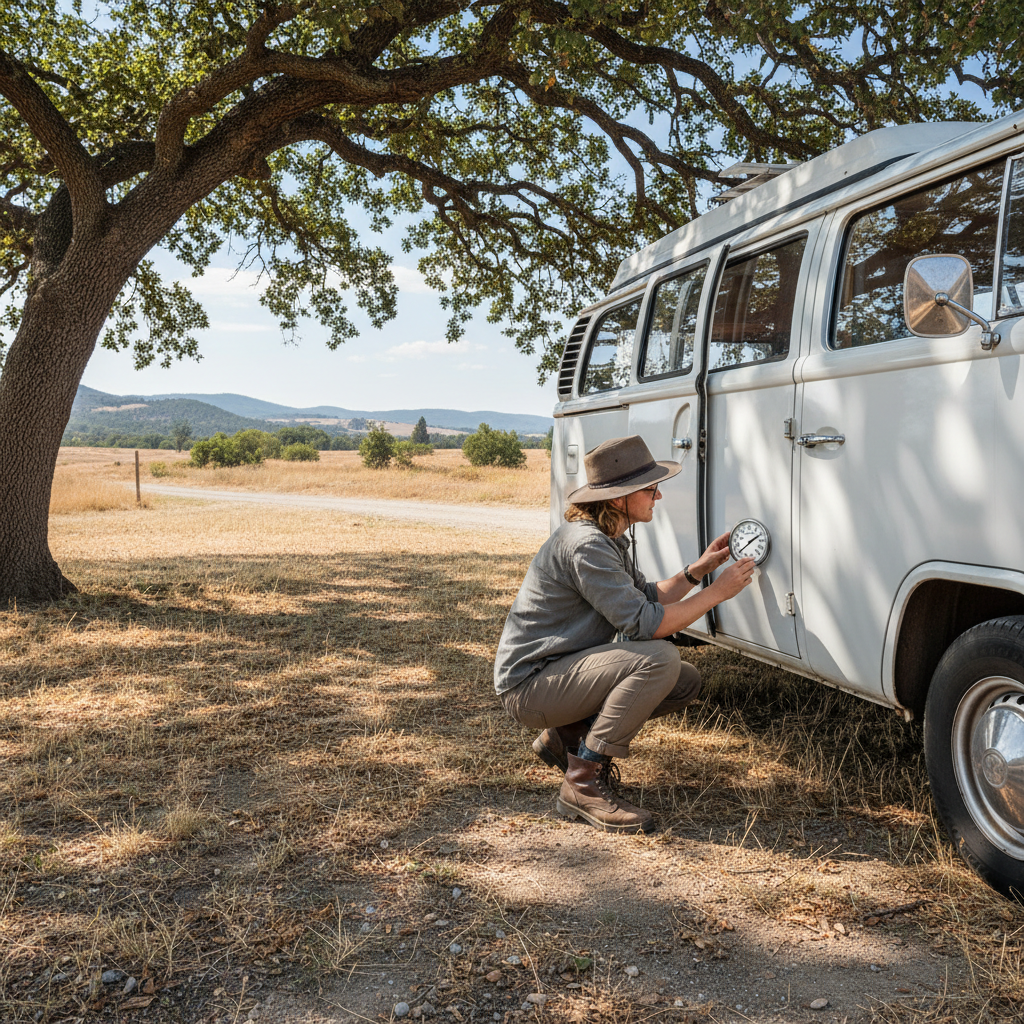

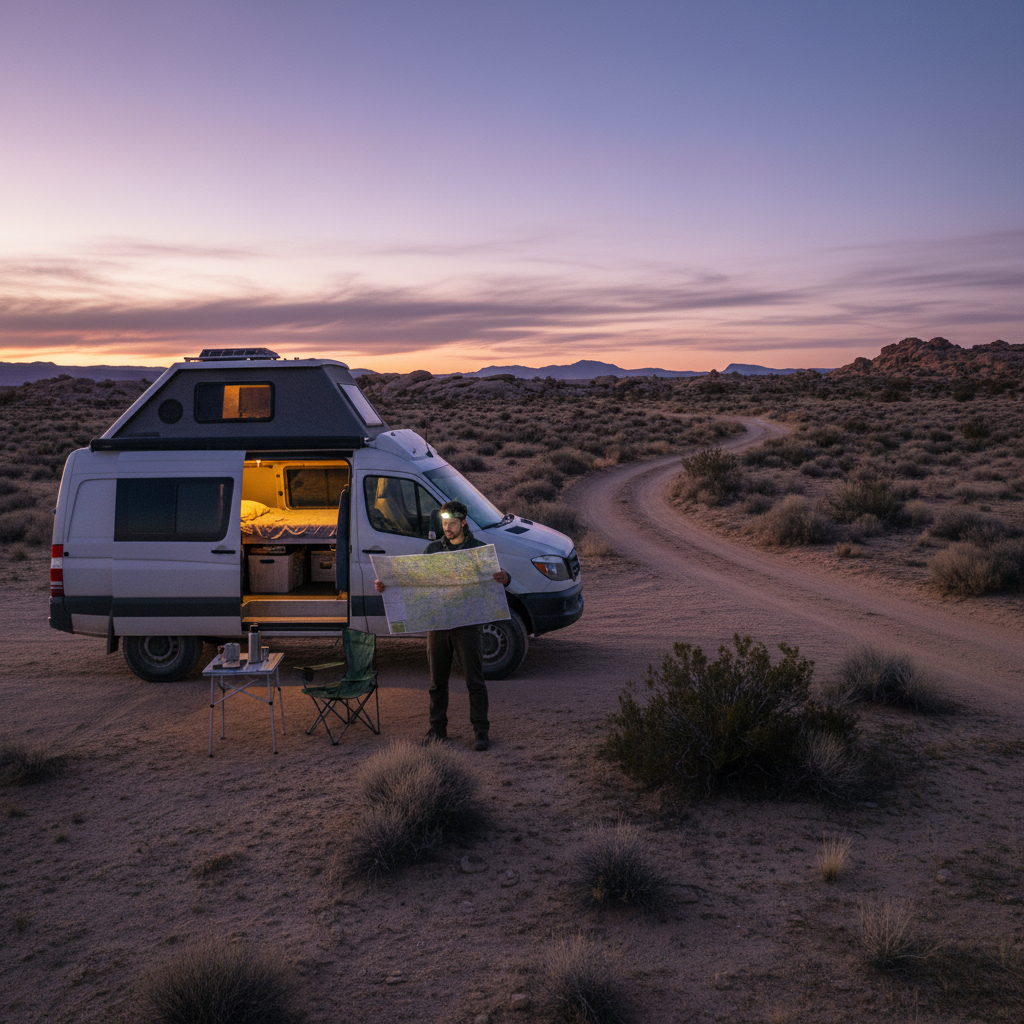
Park rangers will tell you to check availability before you leave the driveway, and there's a reason for that. Spontaneous van travel sounds freeing until you pull into a full campground at 8 PM with nowhere legal to park for the night. The tension between reservable and first-come-first-served sites sits at the center of every unplanned road trip, and it doesn't resolve the same way for everyone.
The honest answer depends on where you're going, what time of year you're traveling, and how much flexibility your rig actually gives you. Campground booking windows, BLM dispersed-use rules, and the difference between a developed Forest Service site and a host-managed state park site all push the math in different directions. None of those variables are obvious from a Google search.
This isn't a guide for planned two-week vacations with a fixed itinerary. If you already know your dates and destinations, book through Recreation.gov and be done with it. This is for van travelers who decide to move on Tuesday morning and want to know whether to grab a reservation or just drive.
How Reservable Campgrounds Actually Work
Reservable campgrounds in the US fall under a few systems worth knowing by name. Recreation.gov handles the majority of federal sites, covering national parks, national forests, and Army Corps of Engineers campgrounds. Reserve America handles many state park systems. Some sites run their own portals entirely.
Booking windows matter more than most trip-planning articles admit. National park campgrounds commonly open reservations six months in advance, and popular sites like those at Yosemite Valley or the Oregon coast fill within minutes of that window opening. If you're traveling spontaneously, you're not competing for those sites on equal terms.
That framing misses something. Reservable campgrounds almost always hold a percentage of sites for walk-up or same-day booking, and that percentage varies by park and season. Yellowstone's Fishing Bridge RV Park, for instance, has historically required full hookup reservations far ahead, while some adjacent Forest Service sites off the park boundary take walk-ups freely. Knowing which tier a campground sits in before you arrive is the actual skill.
For spontaneous travel, the most useful reservable-system habit is the cancellation check. Cancellations on Recreation.gov appear in real time, and sites at even the most competitive campgrounds open up regularly, especially Sunday through Wednesday. Checking the app around 9 AM tends to catch the previous night's no-show releases. That's a practical heuristic, not a guarantee, but it changes the math on whether to bother.
First-Come-First-Served Sites: The Real Odds
First-come-first-served (FCFS) campgrounds are not equally accessible across seasons. A Forest Service FCFS site in northern Montana in late September might have you choosing from a dozen open spots. That same site on a Friday in July will likely be full by noon. The spontaneous van traveler who treats FCFS as a reliable fallback year-round is setting themselves up for a bad night.
Arrival time is the controlling variable. FCFS sites in popular areas during peak season require arriving by early afternoon on weekdays, and by late morning on Fridays. Host-managed sites often enforce a strict first-come rule with no holding: if a site is physically occupied, it's taken. Some dispersed areas near trailheads fill even earlier because hikers stage overnight before a morning start.
And yet FCFS sites carry a real advantage that reservable systems can't match: geographic density. National forests contain roughly 193 million acres of federal land, and a substantial portion of that allows dispersed camping with no site assignment at all. You're not competing for a numbered pad. You're looking for a flat spot at least 200 feet from water and the trail, which is the Leave No Trace standard distance guideline. That's a fundamentally different kind of availability.
The failure mode for FCFS reliance isn't just a full campground. It's arriving tired after a long drive, finding no legal option, and making a bad decision: illegal overnight parking, sleeping at a trailhead when the sign prohibits it, or driving another two hours on depleted energy. Van travelers who ignore the FCFS odds in high-season corridors like Highway 1 in California or the Colorado Front Range tend to learn this the hard way.
BLM and Dispersed Camping: The Van Life Baseline
Bureau of Land Management land is the backbone of spontaneous van travel in the western US. BLM land covers roughly 245 million acres, concentrated in the 11 contiguous western states plus Alaska, and the default rule on most of it is 14-day dispersed camping at no cost. That rule has real constraints: you must move at least 25 miles (a common BLM guideline, not a universal regulation) after 14 days to avoid establishing residency, and some high-use areas have designated camping zones with enforced boundaries.
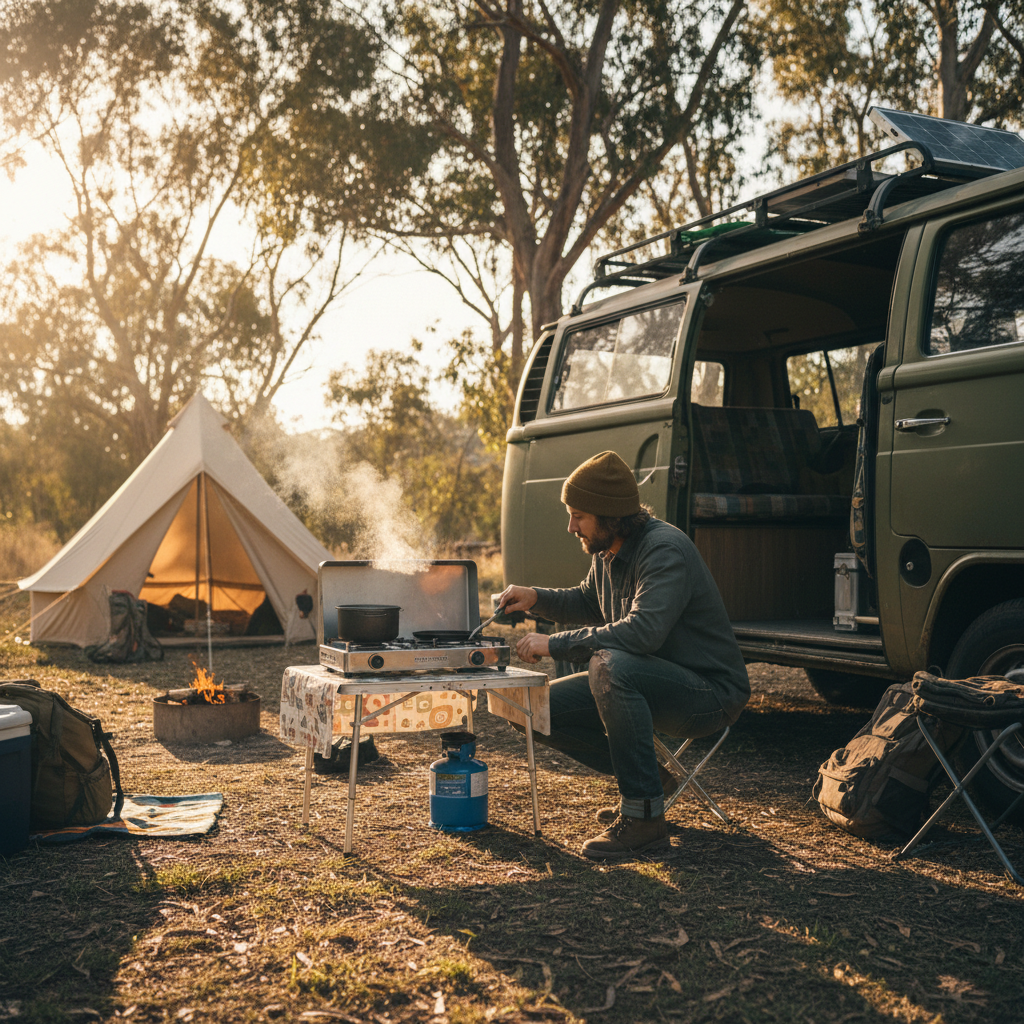
The practical difference between BLM dispersed camping and a developed FCFS campground is amenities, not freedom. BLM gives you the spot; it does not give you a fire ring, a bear box, a vault toilet, or cell signal. For a van traveler with a water supply, a composting or cassette toilet, and an electrical system, those absences are manageable. For someone who needs shore power or a dump station every 48 hours, BLM dispersed camping is not a substitute.
Or rather: it's a partial substitute. Many BLM areas near towns have established informal camping communities, and the Quartzsite, Arizona area in winter is the clearest example, drawing tens of thousands of van and RV travelers to free long-term BLM zones outside the paid La Posa LTVA area. That scale of established free camping is unusual. Expecting it everywhere leads to disappointment.
National Forest dispersed camping operates under similar principles to BLM but with different administrative boundaries. The Dispersed Camping rules on any given National Forest are set by the local ranger district, and they vary. Some districts require a free campfire permit. Some restrict camping within a certain distance of designated wilderness. Calling the local ranger district before entering a new forest takes about four minutes and prevents most surprises.
When to Book, When to Roll, and When the Answer Changes
The decision between reserving and rolling in depends on three inputs: month, geography, and your rig's self-sufficiency level. I'd start with month, because season overrides everything else.
Between Memorial Day and Labor Day, in any high-traffic corridor (coastal California, Colorado Rockies, Pacific Northwest, national park gateway towns), the default should be to reserve or to camp outside the corridor entirely on BLM or Forest Service dispersed land. FCFS campgrounds in those corridors fill reliably. The alternative is arriving late and taking whatever's left, which is often nothing.
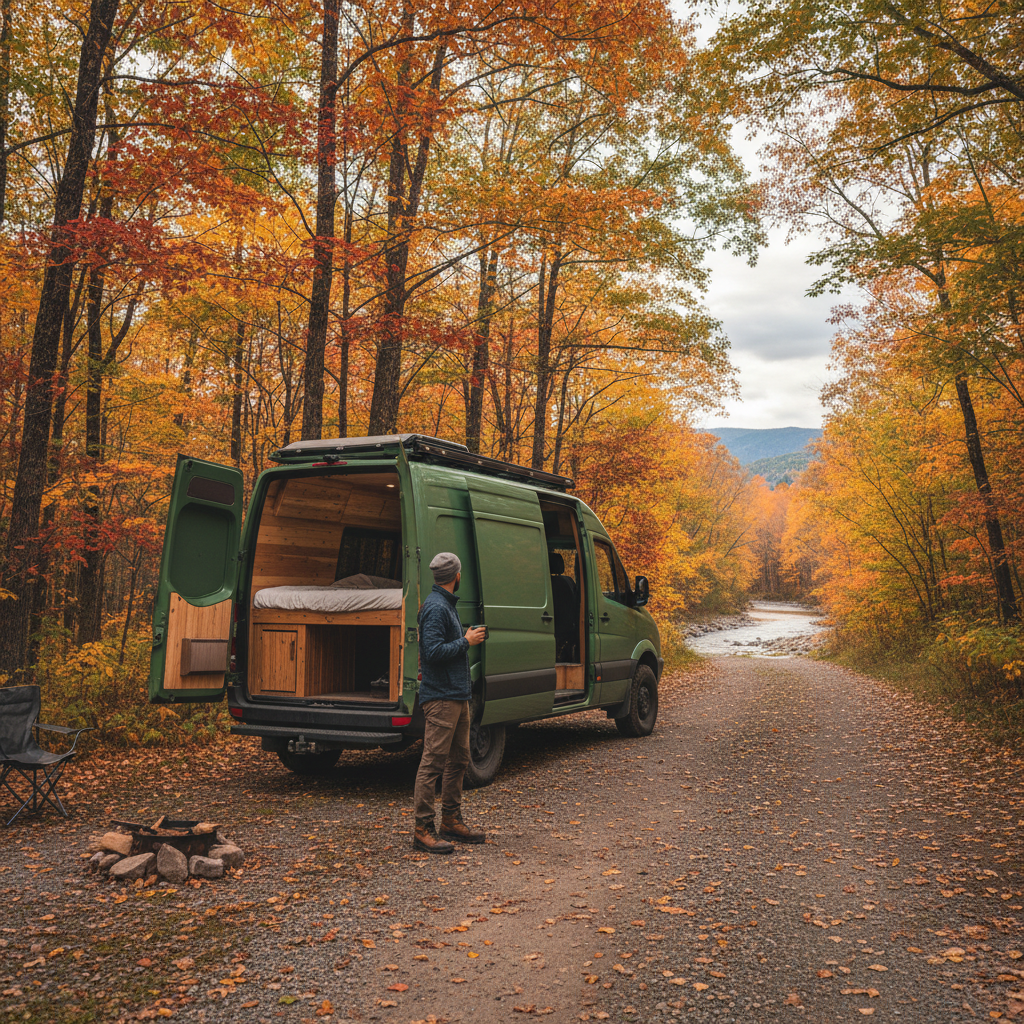
Outside peak season, the calculation reverses. September through early November and April through mid-May offer the best spontaneous camping conditions in the US. Campground hosts have left for the season, gates are open, FCFS sites have vacancy, and the weather in most regions is still workable. That window is genuinely underused by van travelers who over-index on summer travel.
Geography matters independently of season. The eastern US has far less federal public land than the west, which means fewer FCFS and dispersed options. A spontaneous trip through Appalachia or New England relies more heavily on state park reservations, private campgrounds, and the Harvest Hosts or Boondockers Welcome networks (memberships that grant overnight stays at farms, wineries, and other private properties). Treating eastern and western van travel as interchangeable on this question is a mistake that leaves people scrambling.
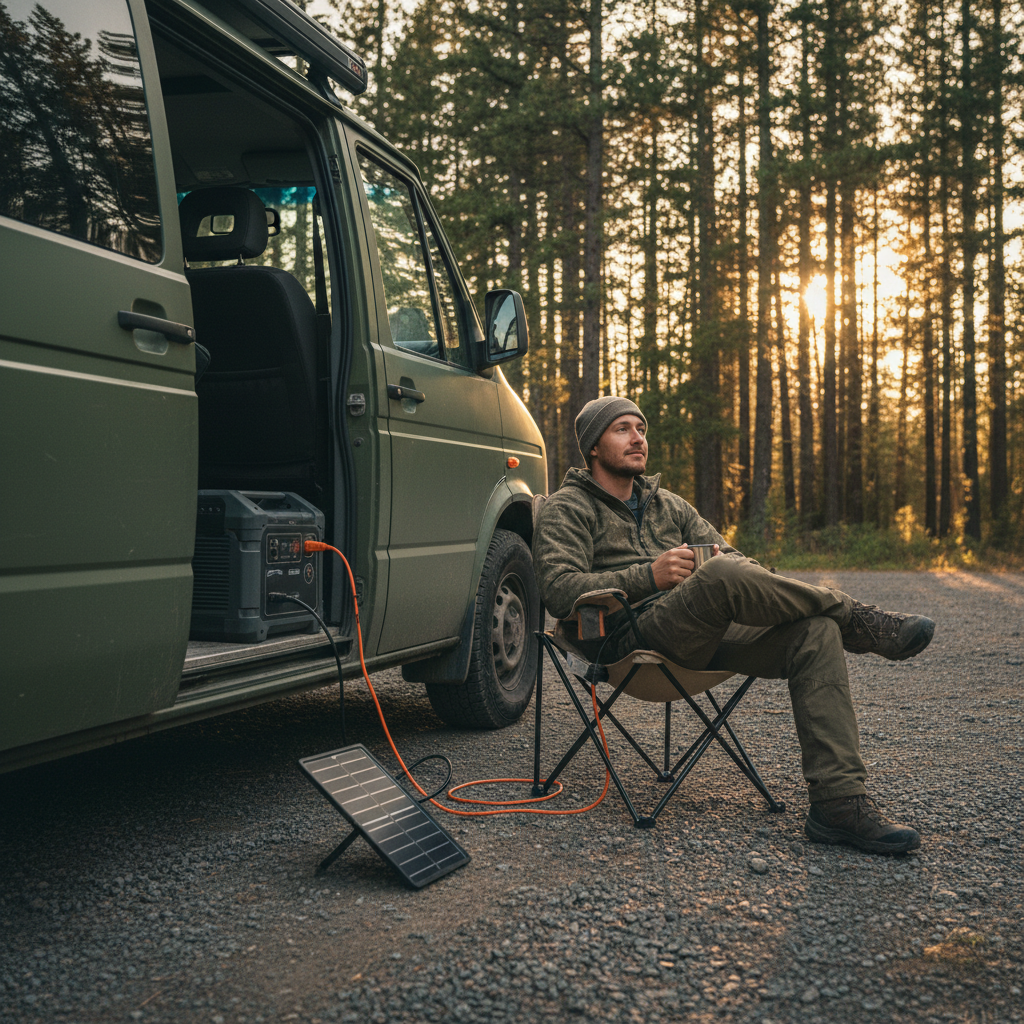
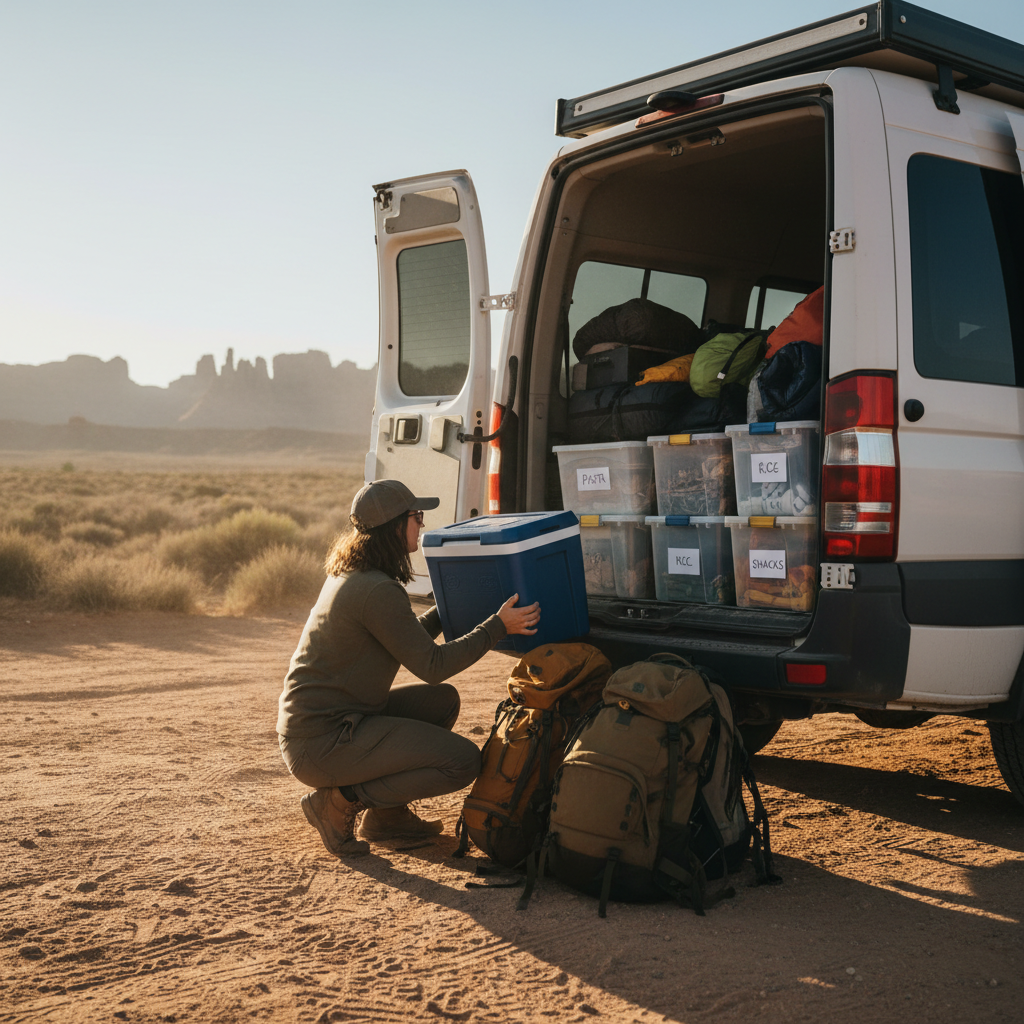
Your rig's self-sufficiency is the third variable. A van with a 40-gallon fresh water tank, a roof-mounted solar array, and a self-contained toilet system can camp anywhere legal. A van that needs electricity for a CPAP machine, or that relies on campground water every day, is functionally limited to developed campgrounds, which means reservations matter far more. Knowing your actual constraints before you leave matters more than any general rule about reservations.
The Hybrid Strategy That Actually Works
Experienced van travelers rarely operate at either extreme. They don't book every night weeks ahead (which defeats the point of spontaneous travel), and they don't rely purely on showing up (which fails in peak season). The strategy that holds up across conditions is a rolling one-night buffer.
Here's how it works in practice: keep one reservation active at all times, booked 24 to 48 hours ahead, as an insurance policy. Use Recreation.gov or the state park system for that anchor. During the day, look for BLM or Forest Service dispersed options that would let you cancel the reservation if you find a better spot. If you find one by 3 PM, cancel and camp free. If you don't, drive to your reserved site knowing you have a guaranteed legal place to sleep.
The cancellation window on Recreation.gov is two days for most campgrounds without penalty, though this varies by site, so check the specific cancellation policy for each booking. That window is what makes the buffer strategy work. You're not paying for nights you don't use.
Buyers skip this approach until they've been burned once. A single night of driving aimlessly through a full campground corridor at 9 PM converts most van travelers to some version of the buffer strategy immediately. The cost of the anchor reservation is low. The cost of not having it is a bad night and a compromised next day.