







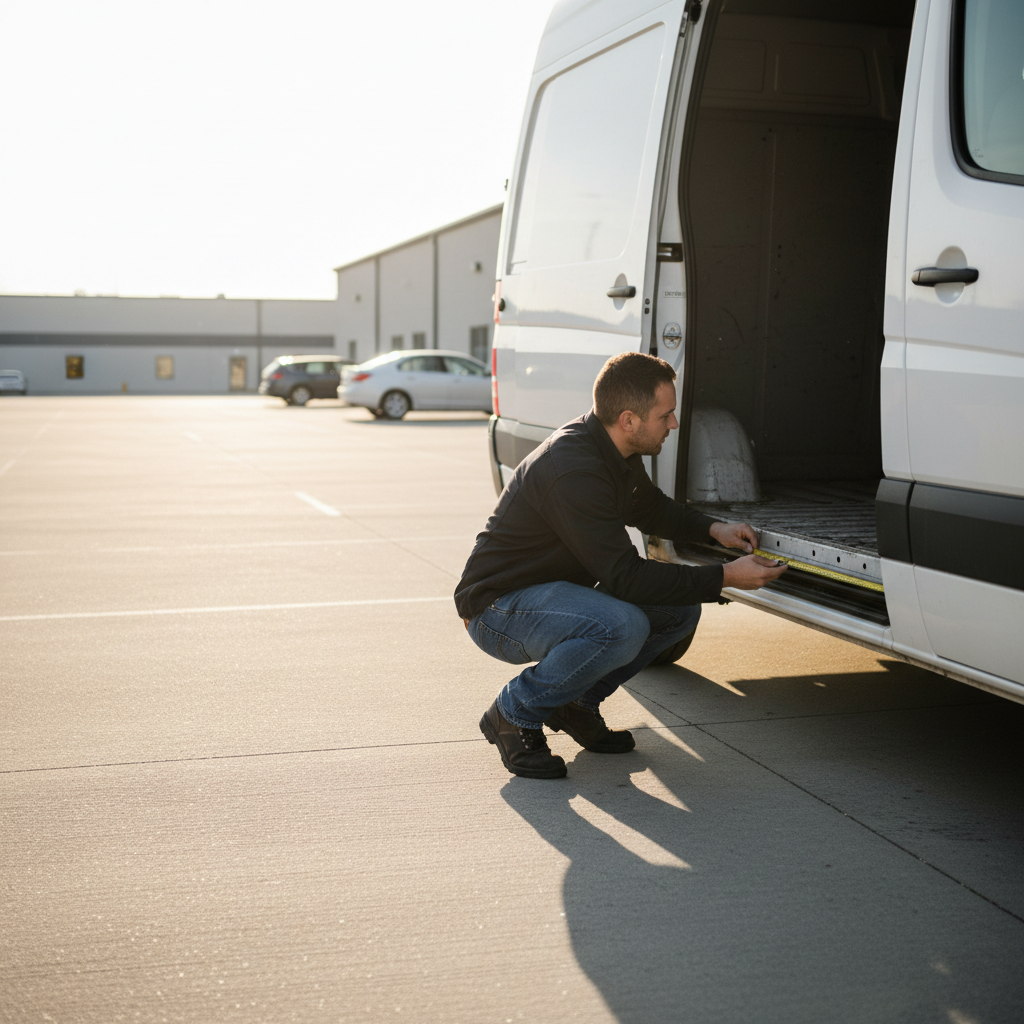



A used cargo van sitting at $8,000 on Craigslist looks like a deal until you price a replacement transmission. New camper van buyers consistently underestimate the gap between sticker price and road-ready cost, and that gap is where most beginner builds collapse financially before they ever leave the driveway.
The market for small camper vans in the US has real options at reasonable prices, but the choices are more specific than most buying guides admit. Cargo height, wheelbase, and parts availability vary enough between platforms that picking the wrong base vehicle can add thousands in custom fabrication costs, regardless of how simple your build plan is.
Reliability data from owner communities, NHTSA recall records, and the aftermarket parts ecosystem all matter here in ways that don't show up in a price listing. This article focuses on the platforms that are genuinely beginner-friendly: mechanically accessible, parts-available at any AutoZone, and sized for solo or couples travel without requiring a CDL or a second mortgage.
This isn't a guide for full-time van lifers building out $40,000 Sprinters, and it won't cover truck campers or Class B motorhomes already factory-converted. If you're starting from scratch, working with a budget under $20,000 total, and want to understand why some platforms make your first build dramatically easier, read on.
Why Platform Choice Is the Only Decision That Compounds
Van conversion guides spend most of their space on insulation and bed frames. That's backwards. The base vehicle determines every constraint that follows: how tall you can stand, how much you'll spend on repairs three years from now, and whether a local mechanic can fix it when something breaks in rural Wyoming.
The Ford Transit Connect, Ford Transit (full-size), Ram ProMaster City, and Toyota Sienna (converted minivan) represent the realistic short list for US beginners on a budget. Each has a different ceiling, literally and figuratively. The Transit Connect's 47.8-inch cargo height rules out a standing kitchen for most adults. The full-size Transit's 148-inch extended wheelbase gives you the space, but its turning radius in a campground requires practice. These aren't vague trade-offs: they're specific numbers that change what your build looks like.
Or rather: platform choice doesn't just affect comfort. It determines your repair options when you're 200 miles from the nearest dealer. Ford Transit parts are stocked at O'Reilly Auto Parts in towns of 8,000 people. Dodge Sprinter parts, by contrast, often require a Mercedes-Benz dealer or a specialty shop, and that bottleneck has stranded more than a few beginners on their first long trip.
Parts availability as a decision criterion is the thing most comparison articles skip until page three, by which point the reader has already fallen in love with a vehicle on looks alone. Check it first.
The Four Platforms Worth Considering (and One to Avoid)
Before comparing, a note on the evaluation criteria used here: cargo height (standing room), parts availability score based on national chain stocking, typical used market price in the $8,000 - $18,000 range, and mechanical complexity for a first-time owner doing basic maintenance. These four factors separate genuinely beginner-friendly vans from aspirational ones.
Comparison of Budget-Friendly Camper Van Platforms
| Platform | Cargo Height | Typical Used Price | Parts Availability | Beginner Friendliness |
|---|---|---|---|---|
| Ford Transit (high-roof) | ~56 inches | $12,000 - $18,000 | Excellent | High |
| Ford Transit Connect | ~48 inches | $8,000 - $13,000 | Excellent | High (seated builds only) |
| Ram ProMaster City | ~50 inches | $9,000 - $14,000 | Good | Moderate |
| Toyota Sienna (minivan) | ~40 inches (flat) | $7,000 - $12,000 | Very Good | High (minimal builds) |
| Mercedes Sprinter (pre-2007) | ~59 inches | $8,000 - $15,000 | Poor - Moderate | Low |
The cargo height column is the one most beginners ignore when shopping online. A 56-inch cargo height in a high-roof Transit means a 5-foot-8 person can stand straight up while cooking. A 48-inch height means you're crouching at the stove every morning, which sounds minor until you've done it for four consecutive days in a rainstorm.
The Sprinter belongs on this list specifically as a caution. Pre-2007 diesel Sprinters show up constantly in the $10,000 - $14,000 range and look like extraordinary value for the space they offer. But the diesel injection system on those vans, particularly the OM647 engine, requires specialized diagnostics that standard OBD-II scanners don't fully read. A single injector replacement at a Mercedes dealer can run $800 - $1,200 per injector. That's not a one-time event on a high-mileage example. Budget beginners who buy Sprinters on price alone frequently find they've purchased the most expensive van in the parking lot before the first oil change.
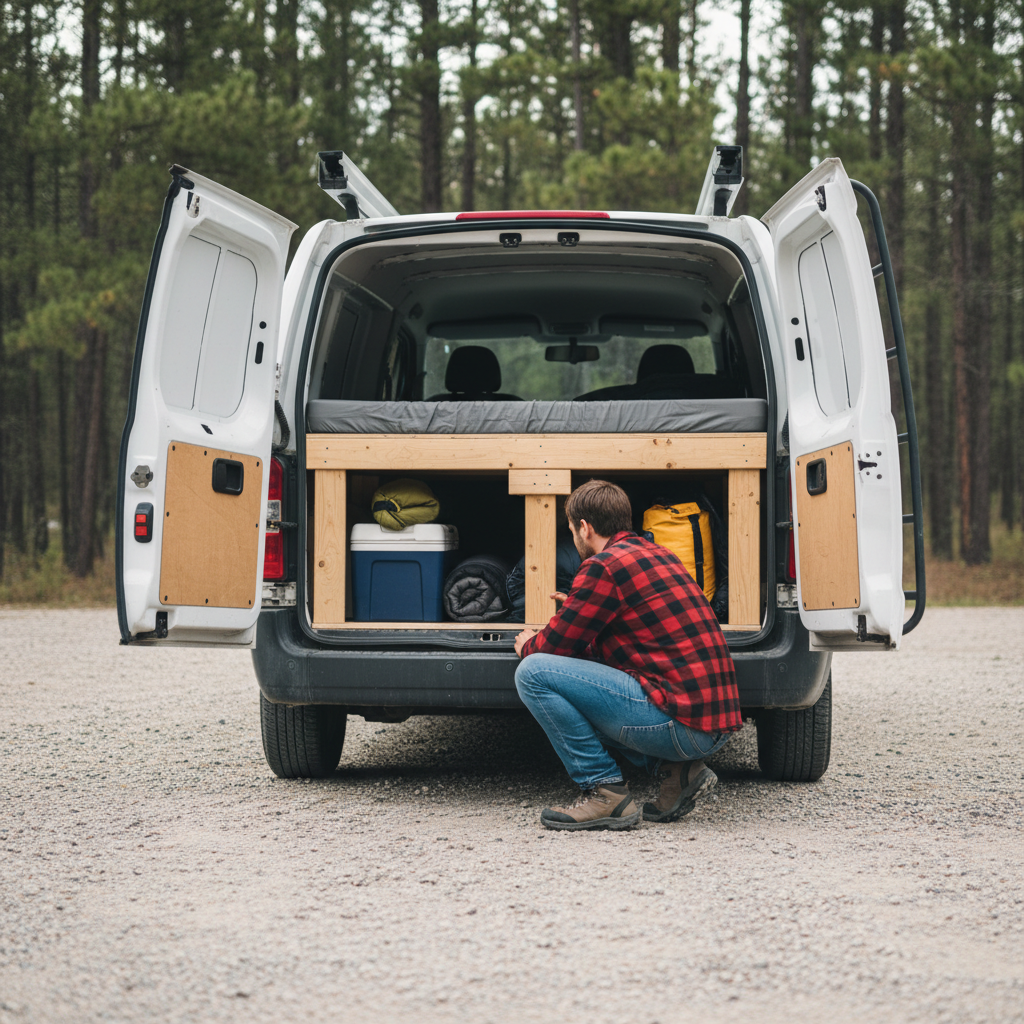
The Toyota Sienna conversion deserves more attention than it gets. Fold the rear seats flat, add a sleeping platform and a small cooler, and you have a functional weekend van for under $10,000 total. It doesn't offer standing room, but the Toyota reliability record and national parts availability make it genuinely low-risk for someone doing their first build. Think of it as a proof-of-concept platform: build simple, travel, understand what you actually need, then upgrade.
What "Budget" Actually Means Across the Full Build
A $10,000 van with a $12,000 build is a $22,000 camper van. That math seems obvious, but first-time buyers consistently anchor on the vehicle purchase price and treat the conversion as a separate, optional expense. It isn't. The build cost is as real as the sticker.
A basic but functional build on a Transit Connect (sealed floor, sleeping platform, insulation, basic ventilation fan, and a 12V power system with a 100Ah lithium battery) runs $2,500 - $4,500 in materials if you do the work yourself, based on current pricing at Home Depot, Amazon, and suppliers like Renogy for electrical components. That puts a road-ready Transit Connect at $11,000 - $17,500 all-in, which is achievable. A full-size Transit high-roof with the same spec build runs $14,500 - $22,000+ depending on year and mileage.
The 100Ah lithium figure is worth unpacking. A 100Ah lithium battery at 12V holds roughly 1,200 watt-hours of usable energy (lithium runs to about 80% depth of discharge safely, versus 50% for lead-acid). Running a typical 45-watt MaxxAir fan for eight hours pulls 360 watt-hours. Charging a laptop (65 watts) and phone (18 watts) for four hours adds another 332 watt-hours. You're at 692 watt-hours on a warm night, well within that bank without solar. Add a 100-watt roof panel and you're topping up the battery most sunny days. That calculation matters because undersizing your electrical system is the single most common and most expensive beginner mistake: people buy lead-acid batteries because they're cheaper upfront, then replace them twice before switching to lithium anyway.
Buy the lithium battery first. Lead-acid is not a beginner-friendly savings.
When This Approach Fails: The Honest Limits
The budget-van-conversion path has real constraints that full-time van life content rarely discusses honestly. If your situation matches any of the following, the economics shift significantly.
First: if you live in a jurisdiction with strict vehicle registration or safety inspection rules, a heavily modified cargo van may not pass. California's CARB regulations, for example, complicate diesel vehicle registrations in ways that can affect older Sprinters you're importing from another state. Check your state's DMV requirements before purchasing any vehicle you plan to modify significantly.
Second: solo travel in a cargo van has genuine safety considerations. A van without windows in the rear cargo area provides privacy, but it also means less situational awareness when parked. This isn't a dealbreaker, but it affects where you can safely sleep, and "I'll figure it out" is not a plan. Established free camping databases like Freecampsites.net and iOverlander are practical resources here, not optional extras.
Third: if you're mechanically illiterate and unwilling to learn, budget vans will cost you more than alternatives. A $1,200 mechanic visit for something a YouTube tutorial could have taught you is a recurring tax on the experience. The Ford Transit's popularity means there are genuinely excellent repair resources online, but you have to be willing to use them.
The reader who should skip this path entirely: someone who needs reliable transportation for daily commuting, plans to carry more than two adults regularly, or has a budget under $7,000 total for vehicle and build. Under that number, a used tent and a reliable car is a better outdoor travel investment than a van that needs $3,000 in deferred maintenance before you can trust it on a mountain pass.
The Practical Build Order for First-Timers
Buy the van, then plan the build. This sounds obvious, but the number of people who design an elaborate build around a van they haven't purchased yet, then discover the ceiling height or wheelbase doesn't match their drawings, is genuinely staggering.
I'd start with the Ford Transit Connect as the first vehicle if your budget is tight, your use case is weekend trips, and you can sleep on your side. It's the lowest-risk entry: cheap to buy, cheap to insure (commercial van rates apply in many states), straightforward to work on, and easy to resell if van life turns out not to be your thing. For solo travelers under 5'10" or couples comfortable with a cozy build, it covers 90% of trips without the complexity of a full-size van.
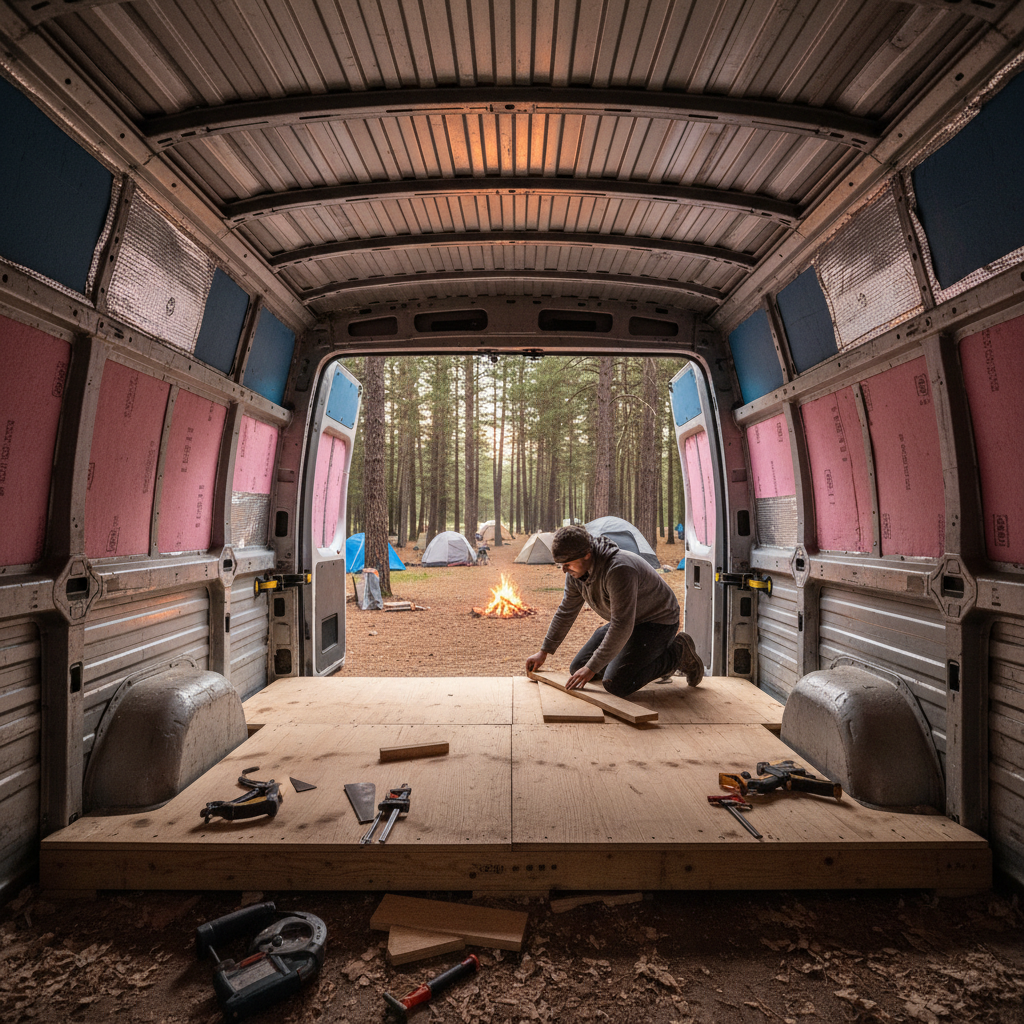
The build sequence that causes the fewest problems: insulation first, then flooring, then electrical rough-in, then the sleeping platform, then everything else. Skipping to the sleeping platform before insulation is the most common sequencing error, and it means tearing out finished work when you realize condensation is forming under your nice plywood.
For the electrical system, get the wiring right before you install anything permanent. Size your wire gauge to your planned amperage draw (a common guideline from 12V electrical communities is to add 20% headroom to your calculated peak draw), use a fuse within 18 inches of the battery positive terminal, and run your shore power inlet before you close up the walls. That framing misses something if it sounds like overkill: an electrical fire in a sealed van interior is not a recoverable situation.
Check cargo height, electrical sizing, and parts availability first. Those three inputs determine whether your build finishes inside your budget or outside it.
Making the Call: Which Van for Which Situation
If your total budget including build is under $15,000, the Ford Transit Connect is the honest answer for most beginners. It won't give you standing room, but it will give you a reliable, parts-accessible platform that you can learn on without major financial exposure.
If your budget reaches $18,000 - $22,000 and you want to stand up while cooking, the Ford Transit high-roof (2015 or newer, gasoline engine) is the recommendation with the best risk profile for a beginner. The 3.7L V6 in those earlier years is simpler mechanically than the EcoBoost variants, easier to diagnose, and has a deep pool of documented repairs in owner communities like FordTransitUSA.com.
If you ignore the parts-availability criterion and buy whatever van has the most Instagram appeal at your price point, you're likely to spend an extra $2,000 - $4,000 in the first 18 months on repairs that would have been trivial on a platform with better domestic support. That's not a scare tactic. It's what the Sprinter owner communities document with uncomfortable regularity.
Skip the Sprinter unless you have a dedicated Mercedes-Benz indie shop within 30 miles of your home base, you've budgeted $3,000 in a separate repair reserve, and you're comfortable with the diagnostic complexity. For everyone else, the Ford ecosystem is where beginner builds go right.