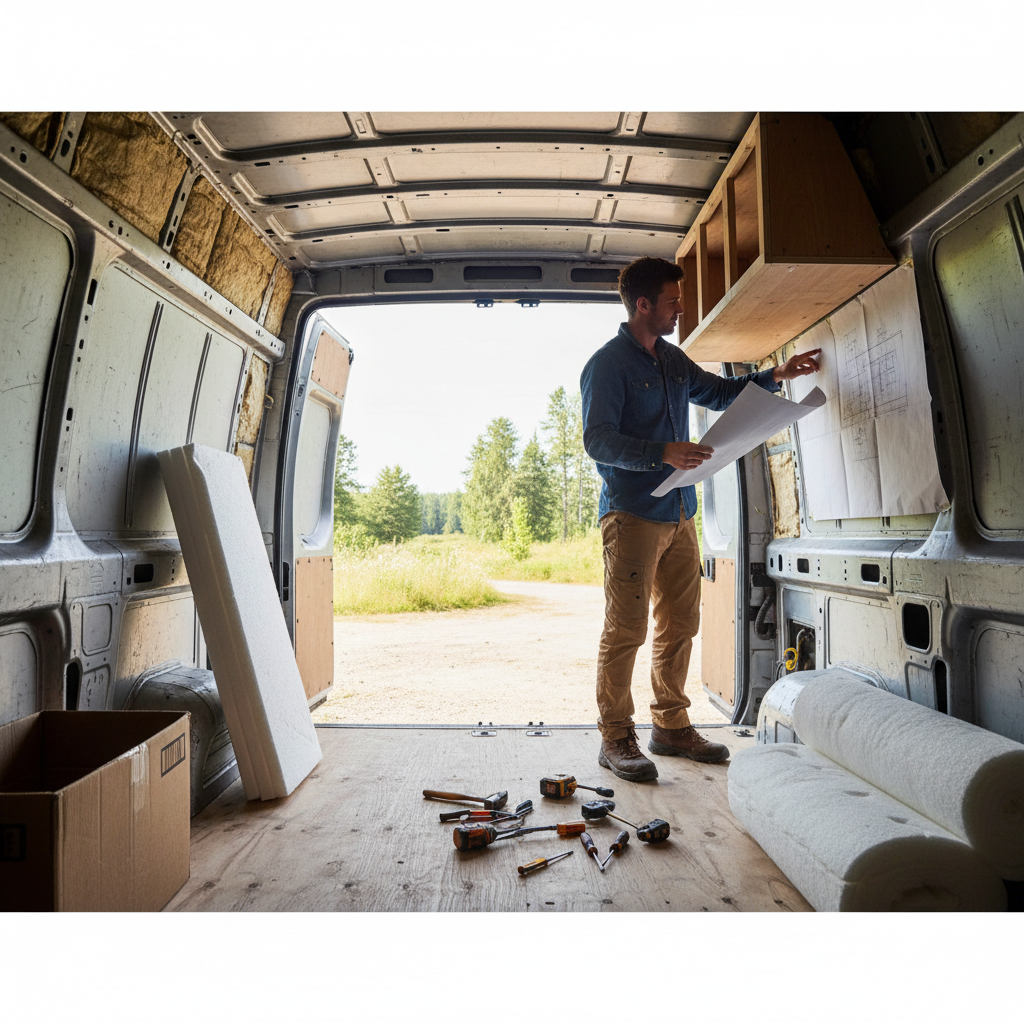











A used cargo van sitting in a dealer lot has a sticker price, and then it has a second price nobody writes down: the cost to make it livable. Those two numbers combined are what a DIY camper van build actually costs, and the gap between a $3,000 budget conversion and a $30,000 rolling apartment comes down to a handful of decisions most people make before they fully understand the consequences.
Van conversion costs in the US break into four distinct spending layers: the van itself, the insulation and shell, the electrical system, and the furniture and systems (bed, kitchen, storage). Each layer has a floor and a ceiling, and they don't scale together. A cheap van with an expensive electrical system is a real combination. So is an expensive van with a bare-bones build.
The tension worth naming early: the advice to "just buy a cheap van and build simple" assumes you won't need reliable power, climate control, or enough space to work remotely. For anyone who does, that framing leads to a rebuild six months in, which costs more than doing it right the first time.
The Van Itself: Your Biggest Single Variable
Before you buy a single sheet of plywood, the van purchase sets the floor on everything. A high-roof extended Ford Transit or Mercedes-Benz Sprinter in the 150,000-mile range typically runs $15,000 - $25,000 from a private seller as of 2024, while a Ram ProMaster with similar mileage often comes in $3,000 - $5,000 cheaper. Those aren't arbitrary brand preferences: the Sprinter's standing height and parts availability make it the default choice for full-time van lifers, but its diesel repair costs are a real downside if you're not mechanically inclined or don't live near a shop that services European diesels.
Budget builders often start with a Ram ProMaster or an older Chevy Express for $8,000 - $12,000. That's a legitimate path. But a van with deferred maintenance, rust in the floor, or an aging transmission can turn a $10,000 purchase into a $14,000 one before the build even starts. Get a pre-purchase inspection from an independent mechanic ($100 - $150) before committing. That's the single highest-ROI expense in the entire project.
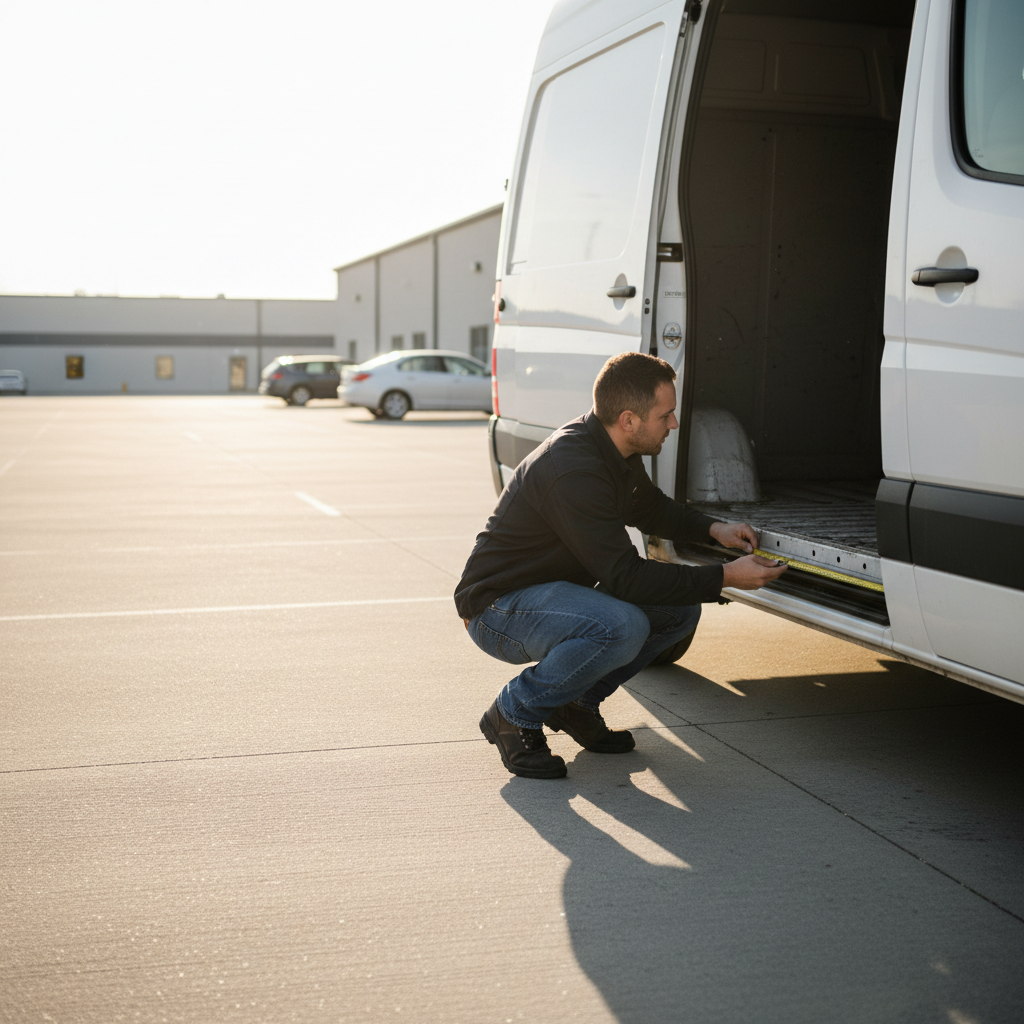
Or rather: the van isn't just a budget line. It determines your interior dimensions, your ceiling height, your wheel well placement, and therefore your entire floor plan. Buying on price alone and ignoring cargo volume is how you end up with a bed that doesn't fit flat or a kitchen wedged against the rear doors.
This article covers the conversion build cost, not the ongoing costs of van life (insurance, fuel, campsite fees, maintenance). Those are real numbers, but they belong in a separate conversation.
Insulation and Shell: Where Cheap Decisions Get Expensive
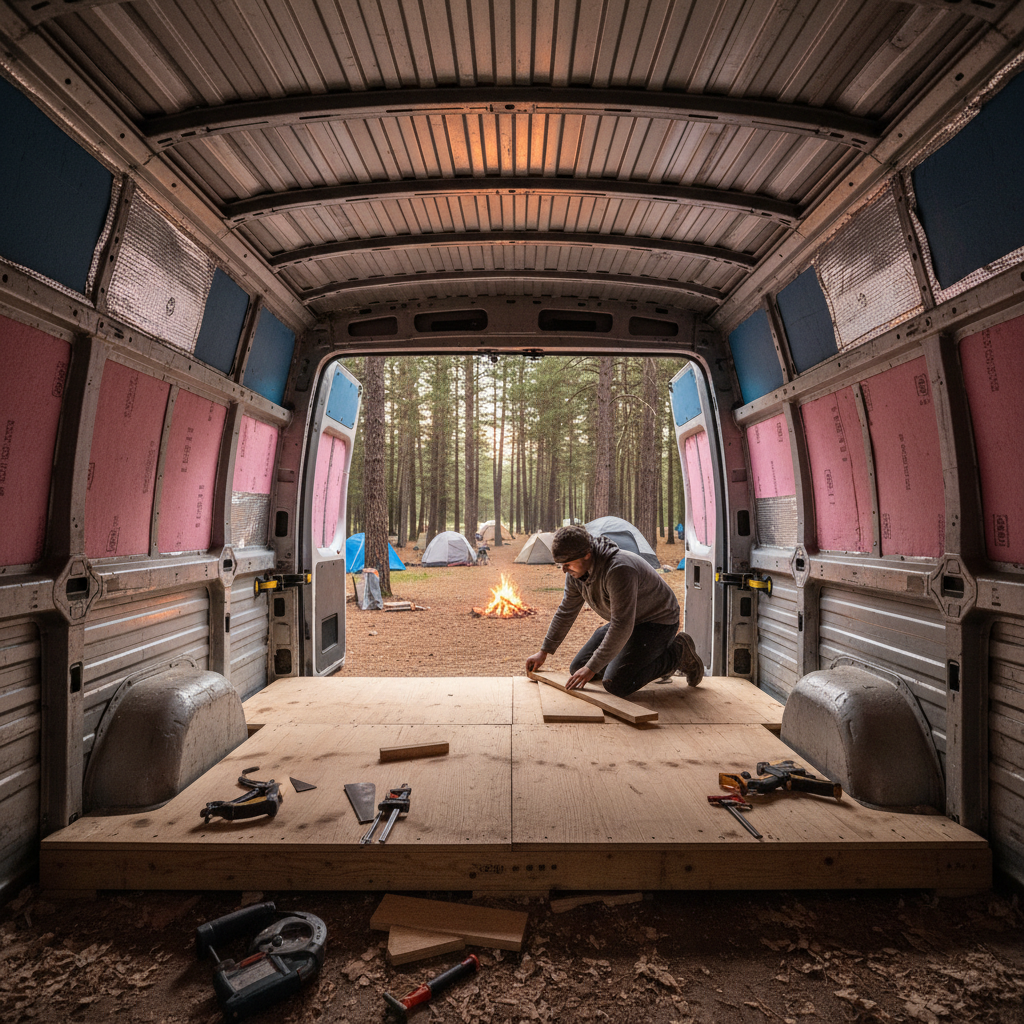
Insulation is the most skipped budget line and the one that determines whether your van is comfortable or miserable in temperature extremes. A complete insulation job using closed-cell spray foam on the walls and ceiling, supplemented with Thinsulate or rigid foam board in cavities, runs $400 - $900 in materials for a standard high-roof Transit. That's a practical heuristic based on typical material quantities, not a manufacturer's specification.
The common mistake buyers skip until burned: using fiberglass batts or cheap foam board without addressing thermal bridging through the van's metal ribs. Metal conducts cold directly, so insulating between the ribs and ignoring the ribs themselves produces a van that's cold in January no matter how much R-value you stuffed in the walls. 3M Thinsulate (typically around R-4.8 per inch) is the product most experienced builders use specifically because it handles the bridging problem and doesn't trap moisture the way fiberglass does.
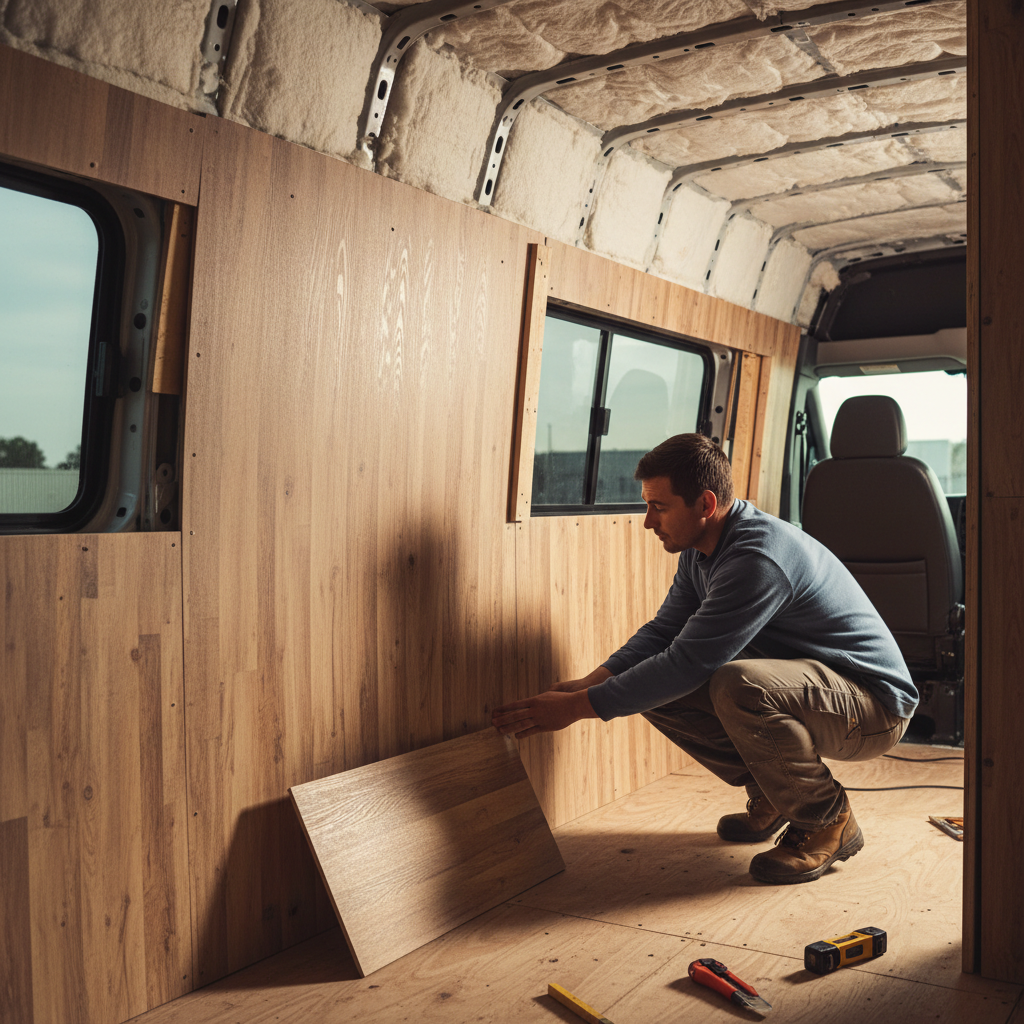
Wall and ceiling paneling adds $200 - $600 depending on whether you use thin plywood, cedar tongue-and-groove, or a finished hardboard product. Flooring typically runs $150 - $400 for luxury vinyl plank over a plywood subfloor. Total shell cost (insulation plus paneling plus floor): a realistic $800 - $1,900 for a DIY build on a standard cargo van.
And the floor matters more than people expect. A cold floor radiates cold upward all night. Rigid foam board under the subfloor isn't optional if you're building for four-season use.
Electrical: The Cost That Separates Basic Builds From Livable Ones
Electrical is where DIY van build budgets diverge most sharply, and it's the area where underbuilding creates the most misery. A basic 12V system with a 100Ah lithium battery, a 200W solar panel, a charge controller, and a simple fuse block runs approximately $800 - $1,200 in components. That powers phone charging, LED lighting, a USB-C device, and a small fan. It does not power a compressor refrigerator reliably or run a laptop for eight hours of remote work.
A livable off-grid electrical system for someone working remotely typically requires 200Ah of lithium battery capacity (not lead-acid, which delivers only about half its rated capacity before damage), 400W of solar, a DC-DC charger for charging from the alternator while driving, and a proper inverter if you need AC power for devices. Component cost for that setup: $2,000 - $3,500 depending on brand and whether you buy a pre-wired kit or source components individually. The derived number that matters: a remote worker averaging 6 hours of laptop use plus refrigeration plus lighting pulls roughly 100 - 120Ah per day, which means a 100Ah bank runs dry before dinner. You need double that capacity minimum, plus a 20% buffer for cloudy days.
That framing misses something. The electrical system is the one build component where a sizing error isn't cosmetic. Undersized wiring is a fire risk. A battery bank that can't meet demand leaves you without refrigeration for food safety. This is the section where spending the extra $500 - $800 to right-size the system is not optional for full-time or extended use.
Buyers who ignore electrical planning and assemble parts based on YouTube videos without calculating their actual load often end up replacing the entire system within a year. That's a $2,000+ do-over on top of the original spend.
Furniture, Kitchen, and Systems: Your Floor Plan in Dollars
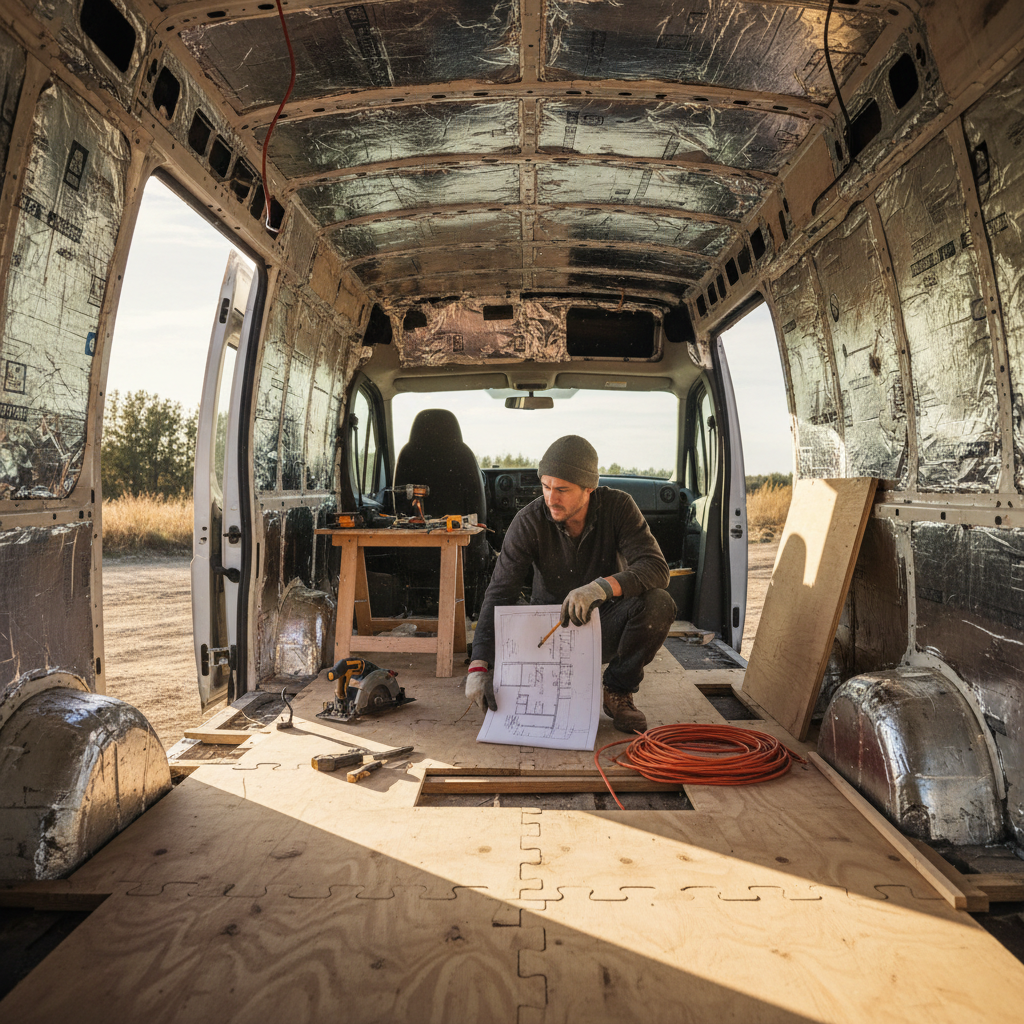
Bed platform, kitchen cabinet, water system, and storage are where most DIYers either shine or blow the budget, depending on woodworking skill and how well they planned the floor plan before buying materials.
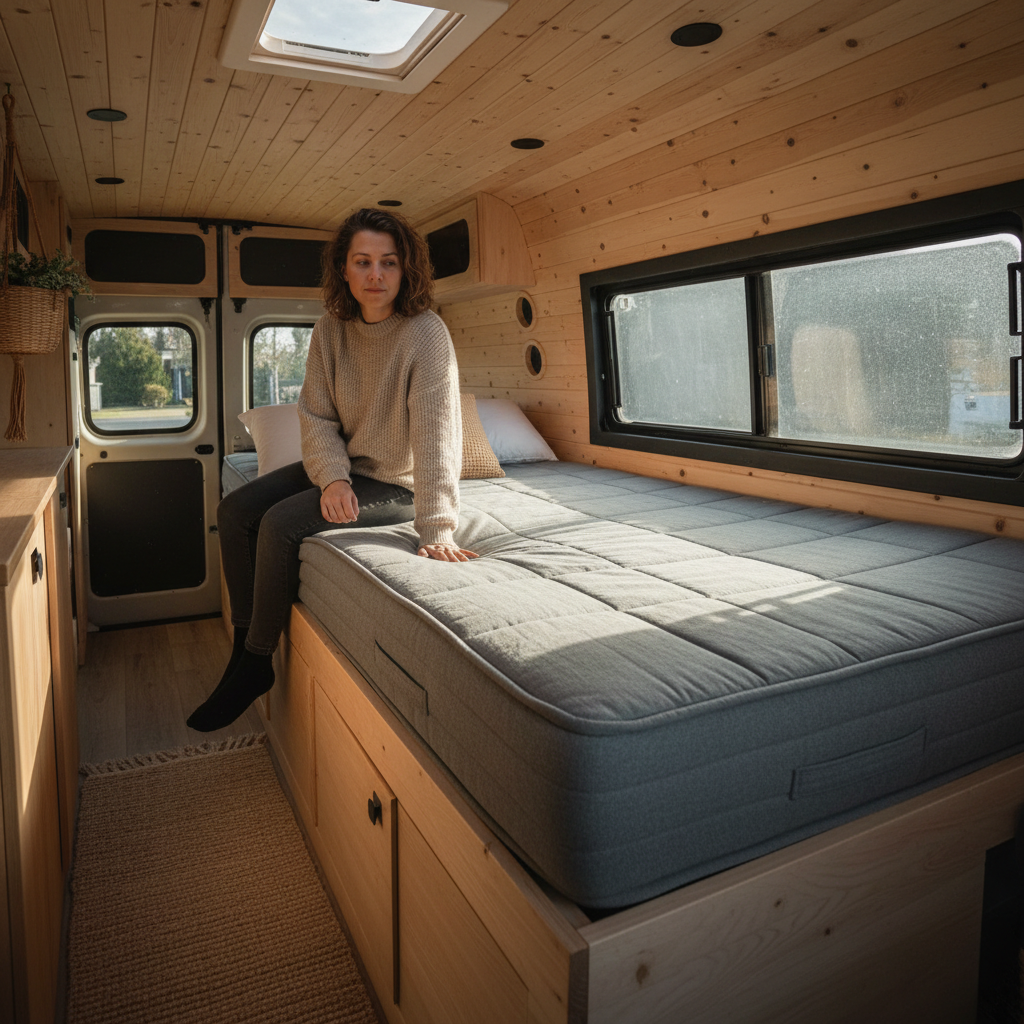
A bed platform built from 3/4-inch plywood with drawer storage underneath runs $150 - $300 in materials. A basic kitchen setup (plywood cabinet, a two-burner propane stove, a stainless sink, and a 5-gallon fresh water tank with a 12V pump) adds another $300 - $700. A 12V compressor fridge, which is far more efficient than an ice chest and necessary for food safety on extended trips, costs $300 - $600 for a reputable unit (BougeRV and Iceco are common mid-range choices; ARB and Dometic are the premium tier). Total for a functional furniture and kitchen build: $800 - $1,600 in materials, not counting the van conversion tools you'll need to buy or rent.
What most guides undercount is fasteners, adhesive, wire connectors, ventilation (a fan like the Maxxair or Fan-Tastic Vent runs $130 - $200 installed), and the miscellaneous hardware that accumulates across a 4 - 6 week build. Budget $200 - $400 for this category. Skipping it in your estimate is how you end the build $400 over your number and can't figure out where it went.
I'd start the furniture planning with the bed, because every other element in the van has to work around it. Get the bed dimensions locked before you buy a single board.
What a Complete Basic Build Actually Costs
Adding the layers together honestly:
| Build Layer | Budget Tier | Mid-Range Tier |
|---|---|---|
| Van purchase | $8,000 - $12,000 | $15,000 - $22,000 |
| Insulation and shell | $800 - $1,200 | $1,200 - $1,900 |
| Electrical system | $800 - $1,200 | $2,000 - $3,500 |
| Furniture and kitchen | $800 - $1,200 | $1,200 - $1,800 |
| Miscellaneous hardware | $200 - $300 | $300 - $500 |
| Total (build only) | $2,600 - $4,900 | $4,700 - $7,700 |
| Total (van + build) | $10,600 - $16,900 | $19,700 - $29,700 |
The budget tier assumes significant DIY skill, secondhand materials where possible, and a basic electrical setup not suited for full-time remote work. The mid-range tier reflects a purpose-built livable conversion with a right-sized electrical system and new materials throughout. These ranges are practical heuristics based on widely reported builder costs, not contractor bids or manufacturer specifications.
The alternative most people compare against is buying a used professionally converted van, which typically lists for $35,000 - $65,000 for a comparable build on the resale market. The DIY path saves real money. But the savings evaporate quickly if you underplan the electrical, choose the wrong van, and end up with a partial rebuild at month six. Plan the full build on paper before you buy the van.
When the Budget Build Fails: Conditions That Change the Math
A $10,000 - $17,000 all-in budget build is achievable, but it has a specific profile: buyer has basic carpentry skills, lives in a mild climate zone, doesn't work remotely full-time, and buys a mechanically sound van. Change any one of those conditions and the number moves.
Four-season use in the northern US changes insulation requirements significantly. A thin DIY insulation job that works in San Diego is genuinely inadequate in Minnesota winters. Adding a diesel or propane heater (a Vevor diesel heater runs $100 - $180 installed; a Webasto or Espar runs $700 - $1,200) shifts the build cost upward and isn't optional in sub-freezing temperatures where propane stoves don't reliably ignite.
Remote workers need to right-size the electrical system from the start. A 100Ah setup that works for a weekend warrior is a point of daily frustration for someone whose income depends on their laptop staying charged. Budget $2,000 - $3,500 for electrical if this is you, not $800.
And if you have no woodworking or electrical experience, honest advice is this: hire out the electrical rough-in at minimum. Incorrectly wired 12V systems with undersized wire gauges are a documented fire risk in van builds. The framing cost of a licensed 12V installer ($300 - $600 for a design review and wire sizing check) is worth it.