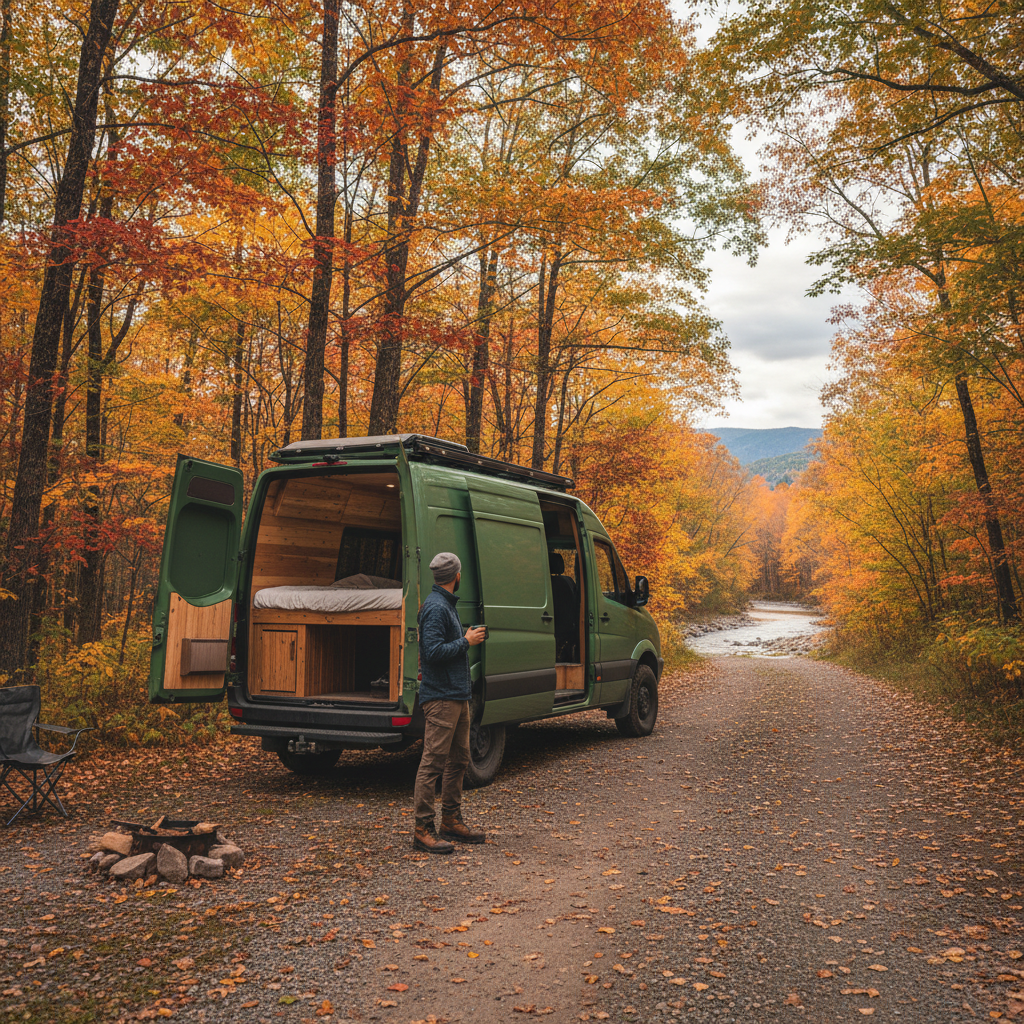



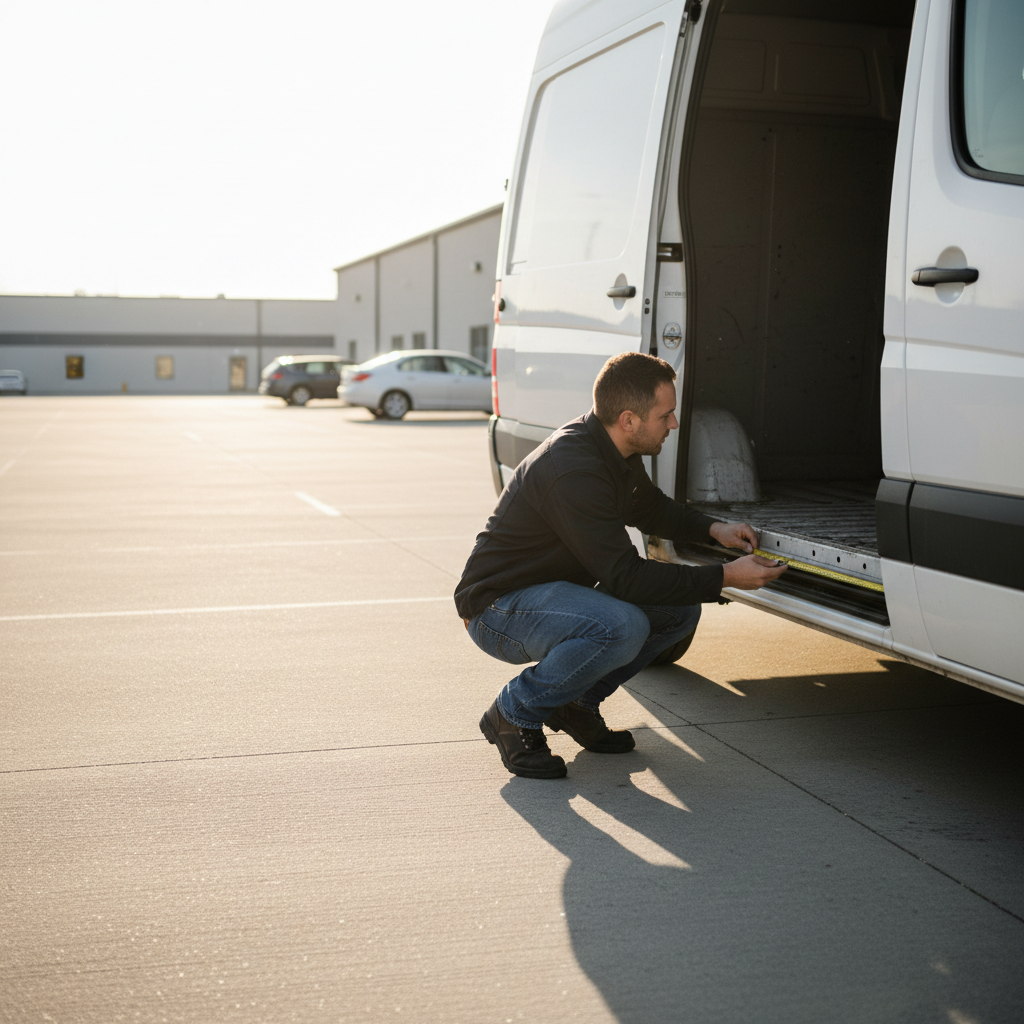




A fully outfitted prebuilt camper van runs anywhere from $60,000 to well over $150,000, and that price tag does something strange to a buyer's judgment. The number feels like the whole question, but the math that actually matters is how many nights per year you'll sleep in it, and how honestly you can answer that.
Prebuilt camper vans for weekend use sit in genuinely uncomfortable territory. They're priced like a primary vehicle, used like an occasional one, and depreciate the moment you drive off the lot. The tension isn't whether they're pleasant to own. They usually are. The tension is whether pleasant ownership justifies what amounts to a second mortgage payment in opportunity cost.
What determines the outcome isn't the van itself. It's the spread between your actual use rate, your all-in carrying costs including storage and insurance, and whether the alternative you're comparing against is honestly priced. Get those three numbers wrong and the decision looks very different than it does in the dealer showroom.
What You're Actually Paying Per Night
The per-night cost framing is where most buyers should start, not finish. Take the total purchase price, subtract a realistic resale value at five years (roughly 40 to 50 percent of purchase for a well-maintained unit, based on patterns in the RV resale market), add cumulative storage, insurance, and maintenance over that period, then divide by the number of nights you'll actually use it. That figure is your real cost per night.
Run it at 20 weekend nights per year across five years. On a $90,000 van with $800 per month in carrying costs (storage, insurance, loan interest if financed), you're at roughly $200 to $250 per night before a single tank of gas. A decent hotel room in most US markets costs less. A rental van through platforms like Outdoorsy or RVshare typically runs $150 to $250 per night all-in, with zero depreciation exposure on your end.
Or rather: that comparison only holds if you're flexible on dates and destinations. Rental availability during peak weekends in popular regions like the Pacific Northwest or mountain West is genuinely unreliable. If your trips cluster around holiday weekends, a rental calculus breaks down fast, and that's not a small caveat.
The math favors ownership when your use rate clears roughly 35 to 40 nights per year. That's a practical heuristic, not an official threshold, and your carrying costs will shift it. But 20 nights is where most weekend-only buyers land, and at 20 nights the numbers don't close unless you're buying used or your storage costs are near zero.
What Prebuilt Actually Gets You (and What It Doesn't)
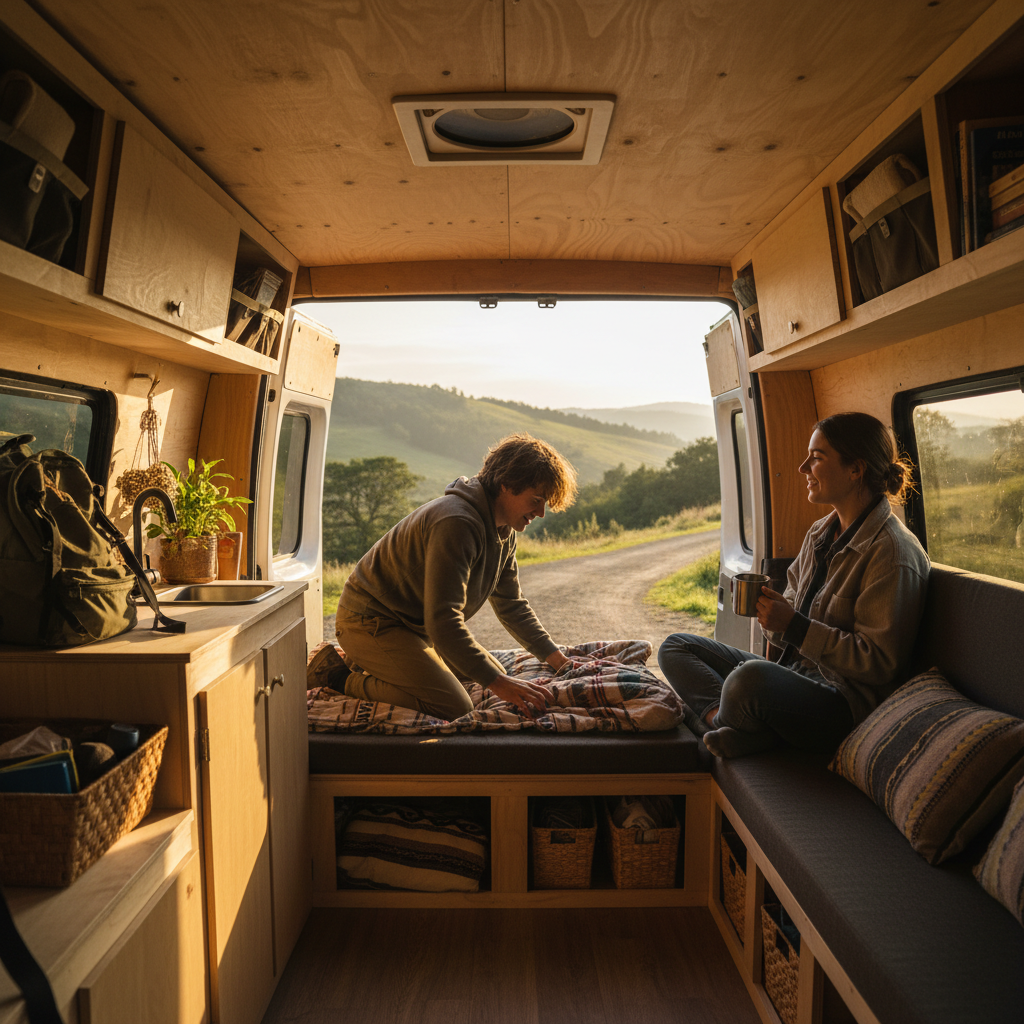
Conversion quality is the sharpest dividing line in this market. A prebuilt van from a reputable builder like Winnebago (the Solis line), Storyteller Overland, or Outside Van carries engineered electrical systems, warranty coverage, and build consistency that a DIY conversion done in a driveway over six months can't reliably match. The lithium battery systems, shore power management, and ventilation in a $100,000 Solis 59P are designed by engineers, not YouTube tutorials.
That matters practically. When you're two hours from the nearest town and your electrical system faults, a manufacturer warranty with dealer network access is worth real money. DIY builds have no such backstop. This is where prebuilt genuinely earns its premium for buyers who aren't mechanically confident.
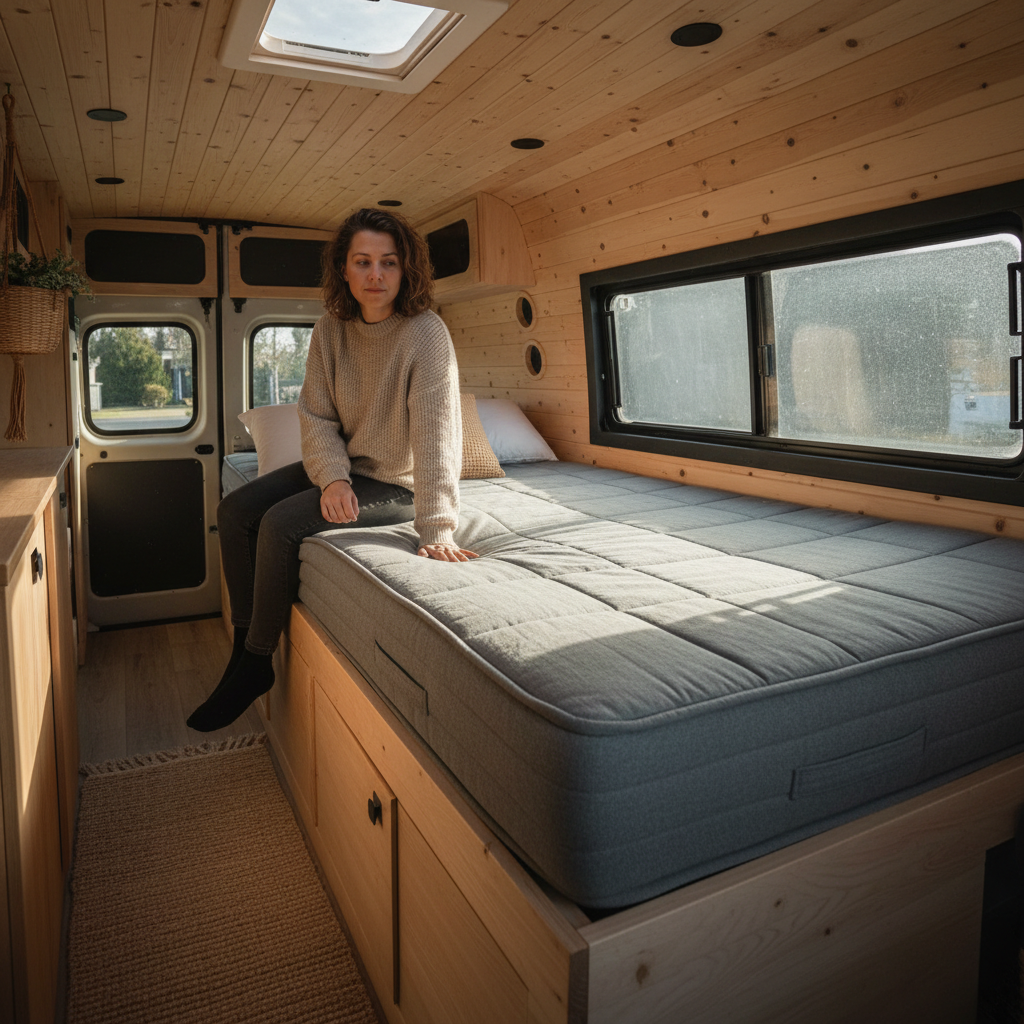
What prebuilt doesn't get you is a layout tailored to your body and your gear. Most production builds optimize for a median user who is neither very tall nor very short, neither a mountain biker with four bikes nor a photographer with three pelican cases. If you're 6'4" or you need a garage-style rear cargo bay for bulky equipment, the production catalog gets thin quickly. Storyteller's MODE builds offer more modularity than most, but even those have hard constraints.
The buyers who consistently regret going prebuilt are the ones who compromised on layout because the price was right. The ones who don't regret it are the ones who found a production floor plan that actually fits how they travel, bought used to absorb the first depreciation hit, and use the van at least 30 nights a year.
The Real Competitor Isn't a DIY Van
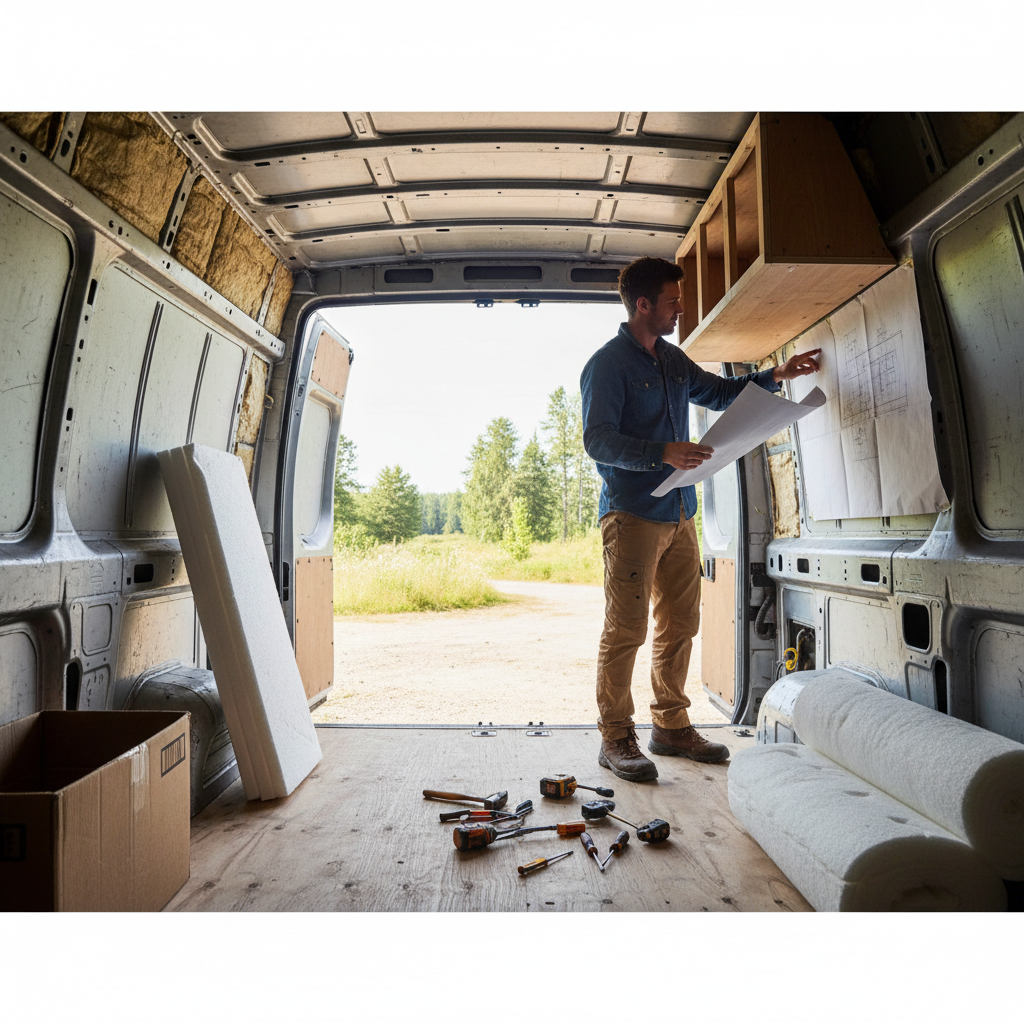
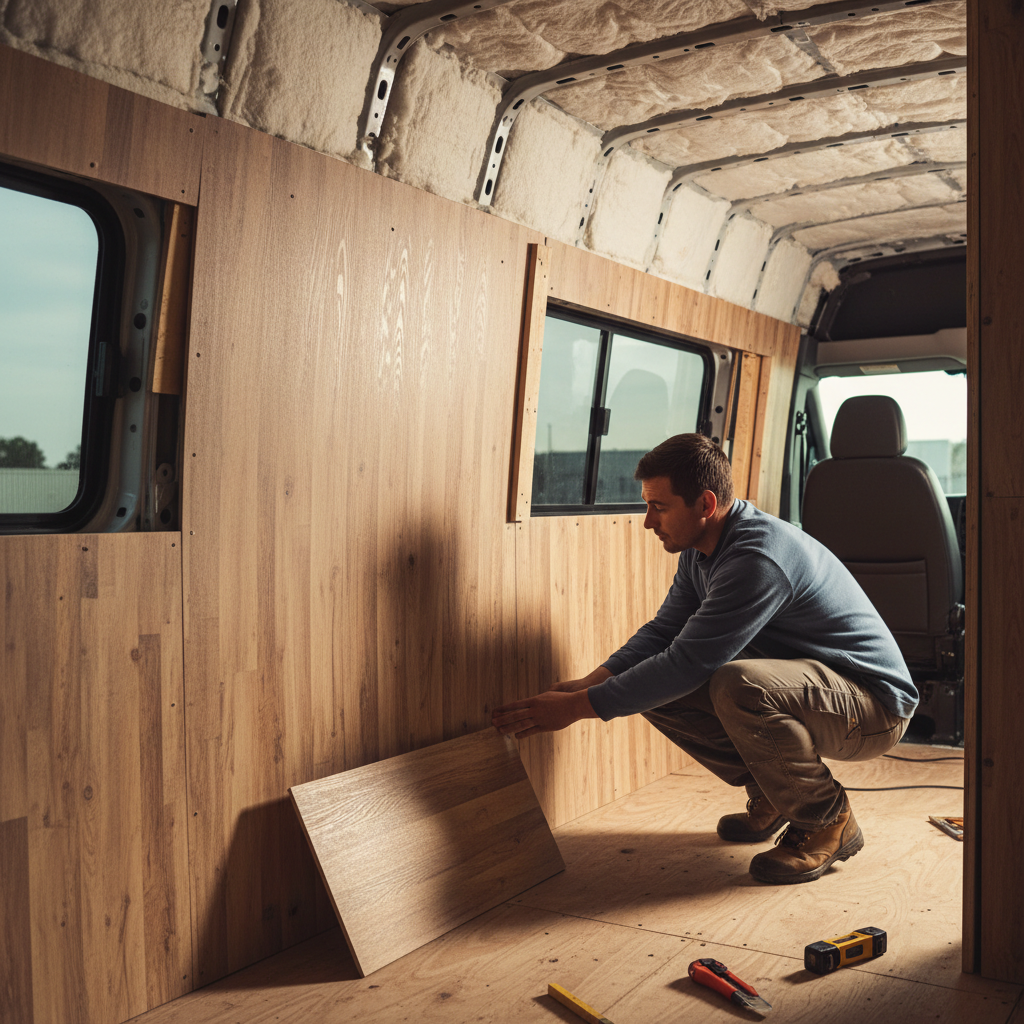
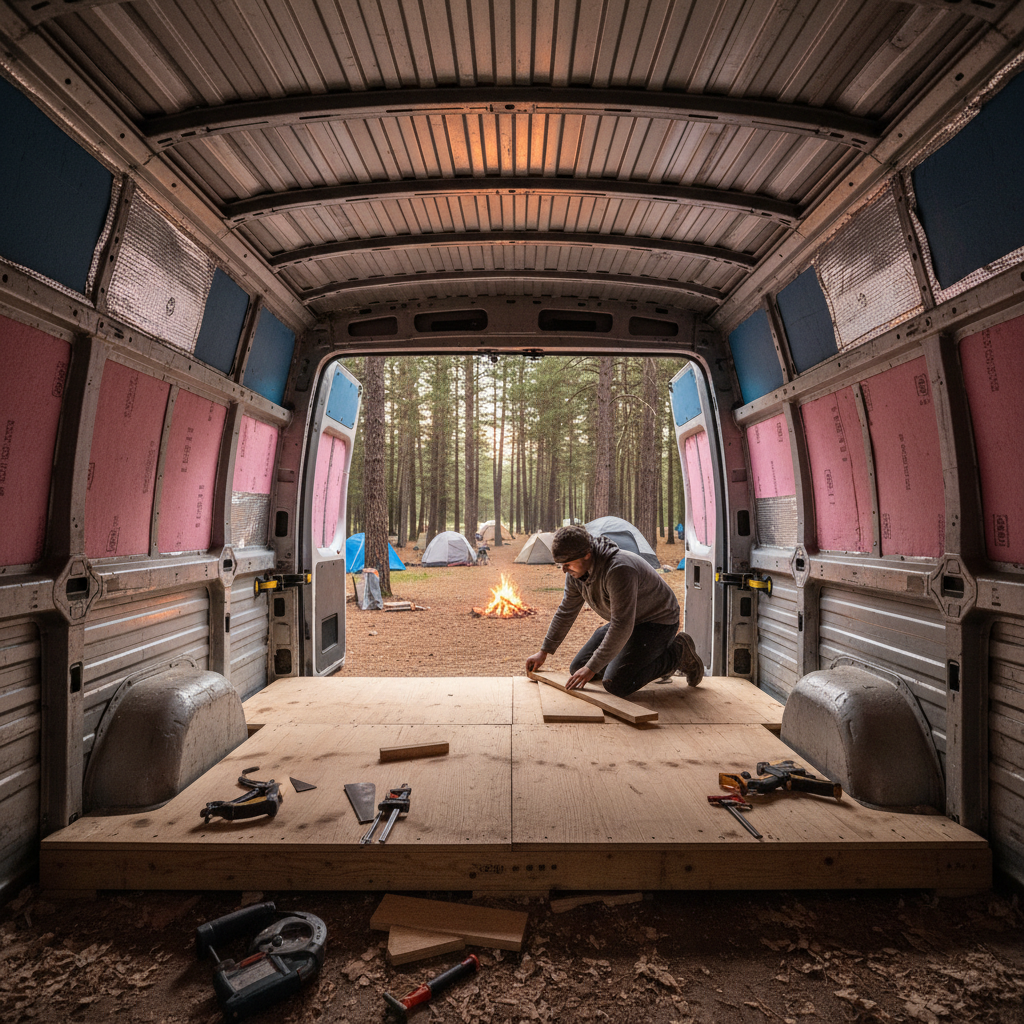
Buyers tend to frame this as prebuilt versus self-converted, but that's rarely the honest comparison. A DIY conversion on a used Sprinter or Transit takes 400 to 600 hours to execute well, costs $15,000 to $40,000 in parts alone beyond the donor vehicle, and carries zero warranty on the systems you built. For a weekend-only user who works full-time, that labor cost is not free. It's time that was worth something else.
The more honest competitor is a truck camper or a small travel trailer. A well-specced Four Wheel Camper pop-up on a half-ton truck, for example, runs $20,000 to $40,000 total, stores in a standard garage, tows off a vehicle you may already own, and delivers a functionally similar weekend camping experience. It won't feel as seamless as a purpose-built van. But it costs half as much, retains value better on a percentage basis, and eliminates the dedicated-vehicle carrying cost problem entirely.
Truck campers get overlooked because they don't photograph as well and they lack the cultural cachet of the van life aesthetic. That's a real thing. Just don't make a $90,000 decision based on it.
If the comparison is genuinely van versus van, buying a two-to-three-year-old prebuilt unit privately absorbs the steepest depreciation curve. The first owner takes the hit from $100,000 to roughly $65,000 to $75,000. You buy in at that number, use it for five years, and your total cost of ownership looks significantly different. The new-versus-used question is often more consequential than the prebuilt-versus-DIY question.
When a Prebuilt Van Is the Right Call
There's a profile where a prebuilt van is genuinely the best answer, and it's more specific than the marketing suggests.
You're a strong candidate if your use rate will realistically exceed 35 nights per year (weekends plus a few longer trips), you have low-cost or free storage, you can absorb the depreciation on your balance sheet without financing stress, and you've identified a production floor plan that actually fits your travel style without compromise. Hit all four and the math and the experience both work.
Weekend-only buyers with high storage costs, fewer than 25 nights of annual use, or significant layout requirements that no production build satisfies should look harder at used units, truck campers, or rental strategies before committing. This article isn't for full-timers or people planning extended travel, where the calculus shifts substantially in favor of ownership.
If you ignore this and buy a $110,000 new van for 15 weekend nights a year, you'll likely enjoy those trips. You'll also be paying somewhere north of $400 per night for the privilege, watching the value drop roughly 20 percent in year one, and eventually selling at a loss to someone who uses it more than you did. That's not a hypothetical. It's the most common outcome in this category.
How to Evaluate a Specific Prebuilt Unit
Narrowing down a specific van comes down to four practical checkpoints: electrical system capacity (lithium vs. AGM matters for off-grid winter use), fresh and gray water tank sizing relative to your typical trip length, roof height clearance for your tallest gear or your own height, and the builder's warranty terms including what's covered at remote locations versus dealer-only service.
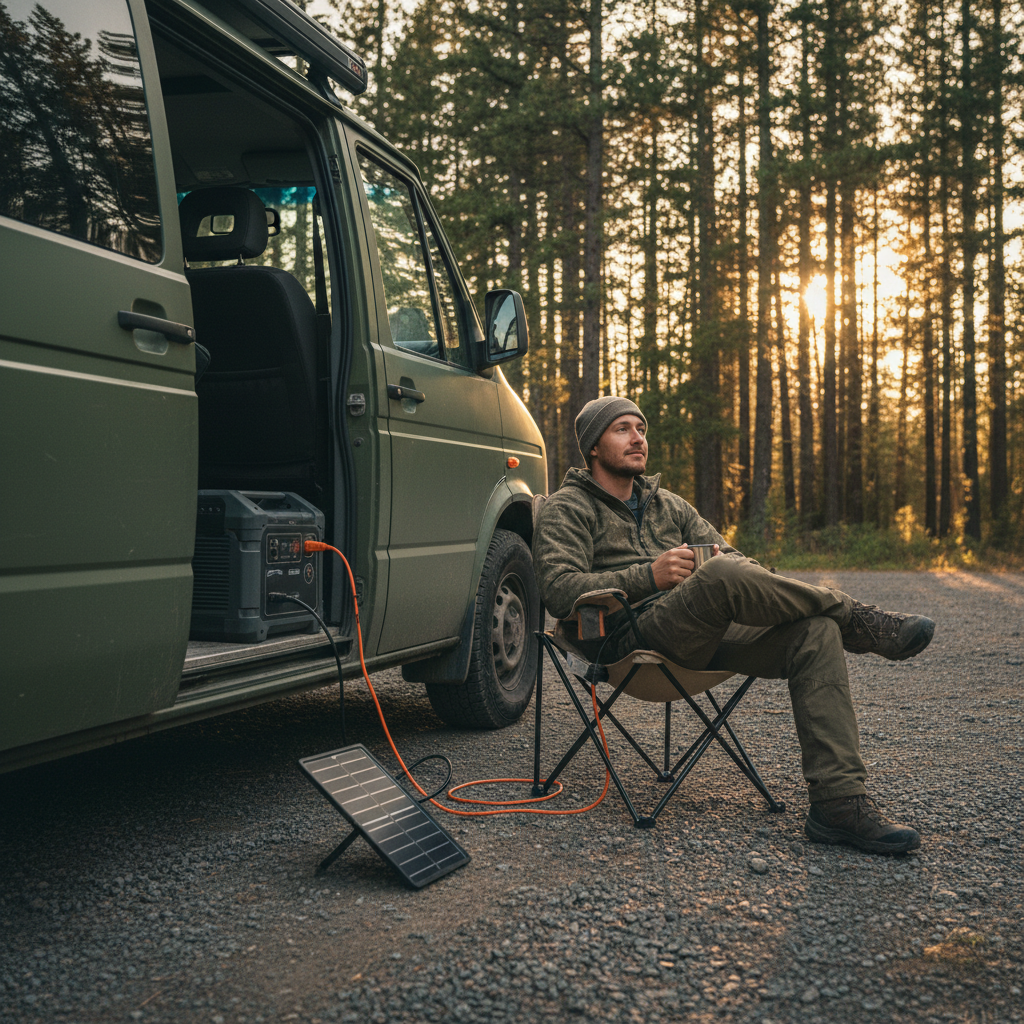
I'd start with the electrical spec before anything else. A 200Ah lithium system with 200W of solar is fine for two people on a summer weekend. Add a cold-weather trip, a CPAP machine, or a roof fan running overnight and you're pushing limits fast. Some production builds, particularly entry-level units in the $60,000 to $75,000 range, ship with AGM batteries and undersized solar as a cost reduction. Upgrading post-purchase is expensive and often voids portions of the warranty.
Check the builder's service network before you commit. Winnebago's dealer network spans most of the US, which matters when something fails in rural Montana. A boutique builder with one shop in Colorado may build a better product but leave you stranded if a warranty repair requires shipping the van back to them. That's a real operational cost for weekend users who can't leave the van at a shop for three weeks.
The better question is not which van is best in the abstract. It's which van is best given where you'll actually travel, how you'll store it between trips, and what your service options look like within a day's drive of your home base. Answer those three questions with specifics, not intentions, and the right choice usually becomes obvious.