

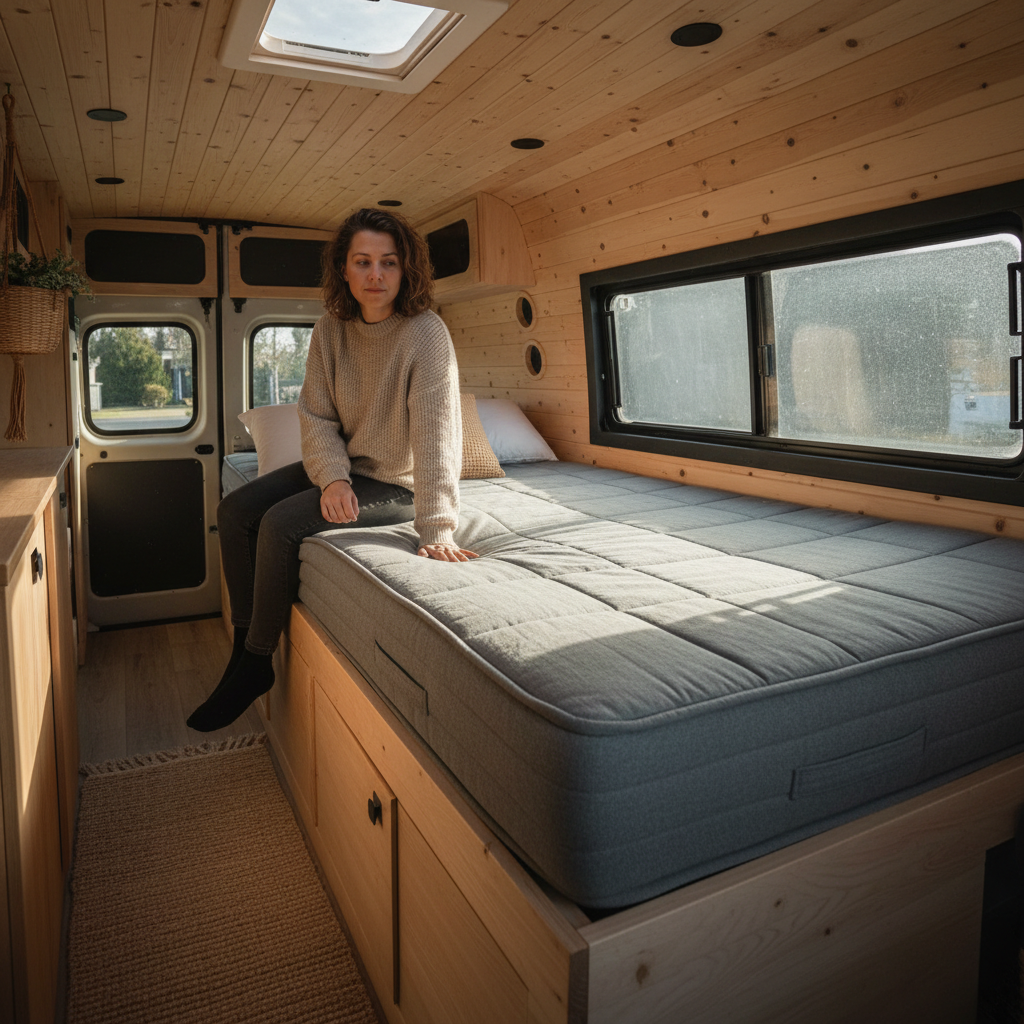






Van-dwelling communities have been doubling down on wool and technical fleece for the past few years, and the reason isn't aesthetics. It's condensation. A 60-square-foot sleeping space generates far more humidity per cubic foot than a bedroom, and the throw blanket you toss onto a bed platform at 7 PM is sitting in that air all night.
The blankets trending in vans right now fall into three camps: Merino wool blends, recycled fleece throws, and woven cotton-synthetic hybrids. Which one earns the top bunk in your rig depends on your climate zone, how you manage ventilation, and whether you're sleeping in the blanket or using it as a lounge layer. Those aren't small distinctions.
Here's the tension nobody talks about: the blankets marketed as "van life" are often selected for Instagram first and moisture management second. A chunky-knit throw looks incredible hanging on a sprinter wall. It also traps condensation, takes three days to dry if it gets damp, and smells like a wet sheep by week two. That gap between aesthetic and function is where most van dwellers lose money.
Why the Material Decision Matters More Than the Brand
Wool's advantage in a van is its ability to regulate moisture without feeling wet. Merino, specifically, can absorb roughly 30% of its weight in moisture before it starts to feel damp to the touch, according to Woolmark, the wool industry's standards body. That matters when you're breathing and sleeping in a sealed metal box. A synthetic fleece hits its moisture saturation point faster and feels clammy sooner, but it dries dramatically quicker, typically in under an hour hung near a vent fan.
Or rather: the real question isn't wool versus fleece, it's how you recover the blanket after a cold night. If you vent aggressively every morning, run a diesel heater, or park somewhere you can hang gear outside, fleece's fast-dry cycle is a genuine advantage. If you're parked in the Pacific Northwest in November with limited ventilation time, wool's moisture buffer means you're less likely to be sleeping in a damp cocoon by day four.
Cotton throws are the one category worth skipping for primary sleep use. Cotton holds moisture, dries slowly, and has no thermal loft once it's wet. It's not a good fit for van sleeping, full stop. A cotton-blend accent throw on a seat or against a wall panel is fine. On your bed platform, it's a liability.
Recycled-material fleeces, largely polyester made from post-consumer plastic bottles, have become the dominant choice among the van build community for a practical reason: they're lightweight, compress well, and the price-to-warmth ratio is hard to beat. Brands like Rumpl have built their following almost entirely on this segment. The trade-off is that polyester fleece sheds microplastics in the wash, a documented environmental concern, and it does pill faster than wool under regular compression from sleeping and folding.
Fleece vs. Wool vs. Woven Hybrids: A Direct Comparison
Choosing between the three main categories comes down to a handful of conditions most comparison guides underweight. The table below maps each material to the factors that actually determine performance in a van context.
| Material | Dry Time (Hung) | Thermal Loft When Damp | Pack Size | Best For |
|---|---|---|---|---|
| Merino Wool Blend | 4-8 hours | Retains most loft | Moderate | Cold climates, low-vent builds |
| Recycled Polyester Fleece | Under 1 hour | Drops significantly | Small | Mild climates, high-ventilation rigs |
| Cotton-Synthetic Woven | 6-12 hours | Low, drops fast | Moderate | Lounge layer, warm weather only |
The dry-time gap is the number that changes behavior. Van dwellers who have switched from wool to fleece often report that the morning routine shifts: vent fan on immediately after waking, blanket unfolded and draped over the steering wheel or passenger seat for 45 minutes, then packed away. That's a real workflow, not a minor inconvenience. If your build doesn't allow for that kind of morning airing, fleece's fast-dry advantage evaporates.
What's Actually Trending in Van Textiles Right Now
The van build community on platforms like YouTube and Reddit's r/vandwellers has shifted noticeably toward earth-toned Merino blends and away from the grey-and-white Sherpa aesthetic that dominated 2020-2022. Chunky-knit throws are still visible in aesthetic builds, but experienced van lifers tend to treat them as wall decor rather than functional bedding. That's a meaningful distinction if you're trying to replicate a look you've seen without the mold problem that goes with it.
Pendleton's wool throws remain a reference point for quality, and the company's National Park series has been popular with the van community for years. They're heavy, warm, and genuinely durable. The weight is a real trade-off for smaller builds, typically around three to five pounds for a full-size throw, which is noticeable when you're managing cargo. For a Class B or full-size Sprinter with room to spare, that's a non-issue. For a Ford Transit cargo van with a low platform and limited overhead storage, a heavier wool throw competes with gear you probably need more.
The recycled fleece segment is moving toward blanket-hoodie hybrids and oversized throws that double as jackets for sitting outside. Rumpl's outdoor blanket line and similar products from companies like Kammok sit at the intersection of camping gear and home textile, which is exactly where van life lives. Prices for this category run roughly $80 to $180 depending on size and fill, which is a wide range but a real one for the category.
One category gaining ground that most van life guides haven't caught up with yet: Sherpa-backed ripstop throws designed for outdoor use. These are water-resistant on one face and fleece on the other, making them genuinely functional as a ground blanket, a seat cover, and a sleep layer in mild temperatures. They don't replace a wool throw for serious cold-weather use, but for three-season van dwellers who want one textile that does multiple jobs, they're worth serious consideration.
When the Go-To Recommendation Falls Apart
Merino wool blends are the most recommended choice in the van life community, and for most situations that recommendation holds. But it fails for a specific group: van dwellers with latex or wool sensitivities, anyone relying on a laundromat for washing rather than a front-loader, and builds that use propane heat rather than diesel or electric. Propane combustion adds moisture to interior air more directly than a diesel heater or electric system. In a propane-heated van, even a high-quality Merino throw will cycle through damp-and-dry faster than in a diesel-heated build, which accelerates odor retention and can shorten the blanket's functional life.
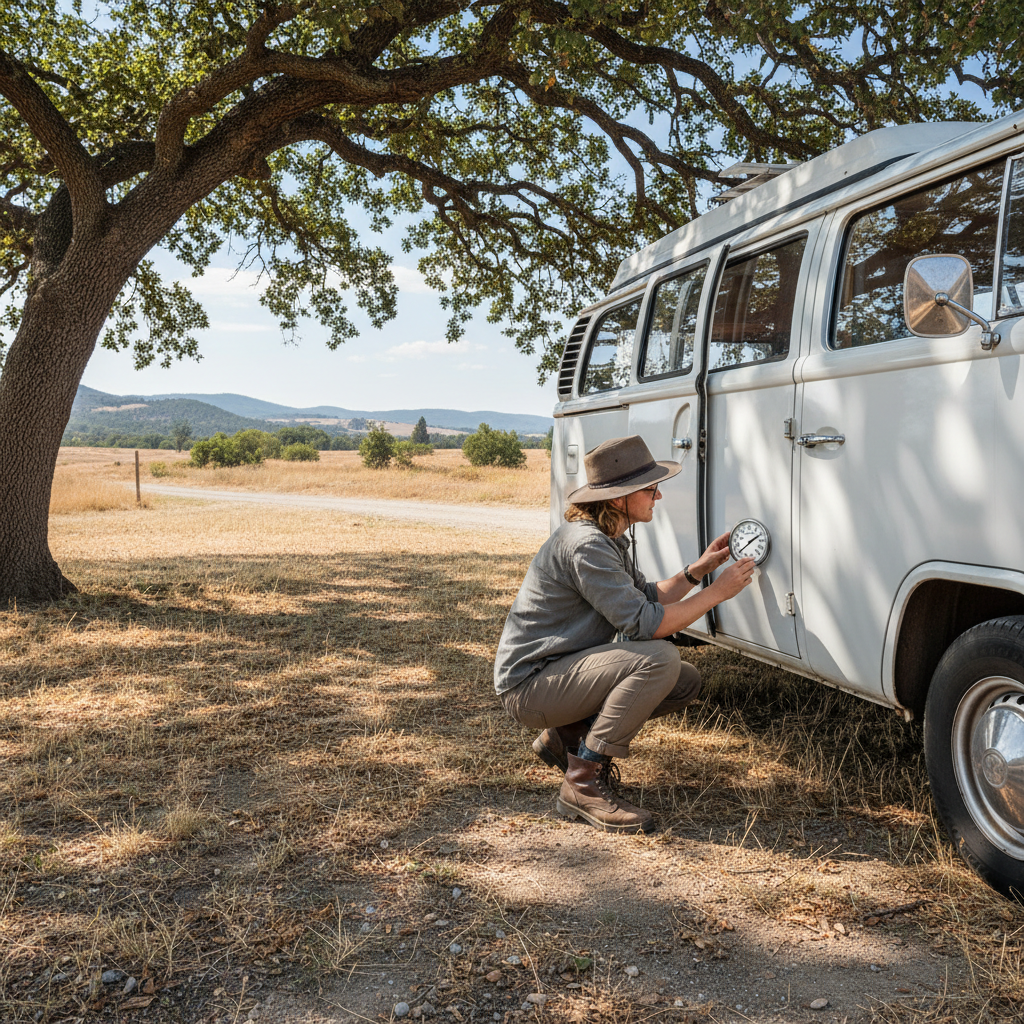
If you're ignoring ventilation and using propane heat, no throw blanket is going to perform the way the reviews suggest. The reviews are written by people with better-ventilated setups than you think. Buy a small hygrometer (under $15 at most hardware stores) and measure your interior humidity before you spend $200 on a Merino throw. If you're consistently above 60% relative humidity while sleeping, your priority is ventilation, not blanket material.
Picking the Right Throw for Your Specific Setup
Before spending anything, check four variables: your climate zone, your heating source, your ventilation capacity, and whether the blanket is your primary sleep layer or a supplemental one. Those four inputs narrow the field more than any brand recommendation.
For cold climates with diesel or electric heat and a vent fan you run nightly: a Merino wool blend at 300-400 gsm is the right call. It'll last longer, manage moisture better, and won't need washing more than once every two to three weeks with regular airing. I'd start with a mid-weight option from a brand that specifies the wool percentage, since blends under 50% Merino behave much more like synthetics under damp conditions.
For mild-to-warm climates or three-season builds: recycled polyester fleece wins on price and packability. Wash it in a mesh laundry bag to reduce microplastic shedding. Hang it outside or drape it over the van door in the morning. That routine takes about ten minutes and extends the blanket's useful life significantly.
For van dwellers who want the aesthetic of a woven throw without the moisture liability: a Turkish cotton-acrylic blend used strictly as a lounge layer on a seat or bench is fine. Don't sleep in it. Keep a separate sleep blanket.
The Sherpa-ripstop hybrid category is worth considering if you spend time outside the van, do overlanding, or want one blanket that travels between interior and exterior use. Check that the water-resistant face uses a durable water repellent (DWR) finish, since the untreated versions soak through faster than a standard fleece.
Making the Call
If your van uses propane heat or you haven't yet addressed ventilation, buy a hygrometer first. Humidity management changes what material makes sense more than any other single factor, and spending $150 on a Merino throw in a high-humidity build is money you'll regret by month two.
If your ventilation is solid and you're in a climate that drops below 40°F regularly, a Merino wool blend at 300+ gsm is the correct choice. It outperforms fleece in sustained damp conditions and lasts longer under daily use. If you're in a milder climate or prioritizing packability and fast drying above all else, a recycled fleece throw from a brand that publishes its fill weight and material sourcing is the smarter buy. Skip the chunky-knit aesthetic throws for anything except wall decoration. They look great. They perform badly.