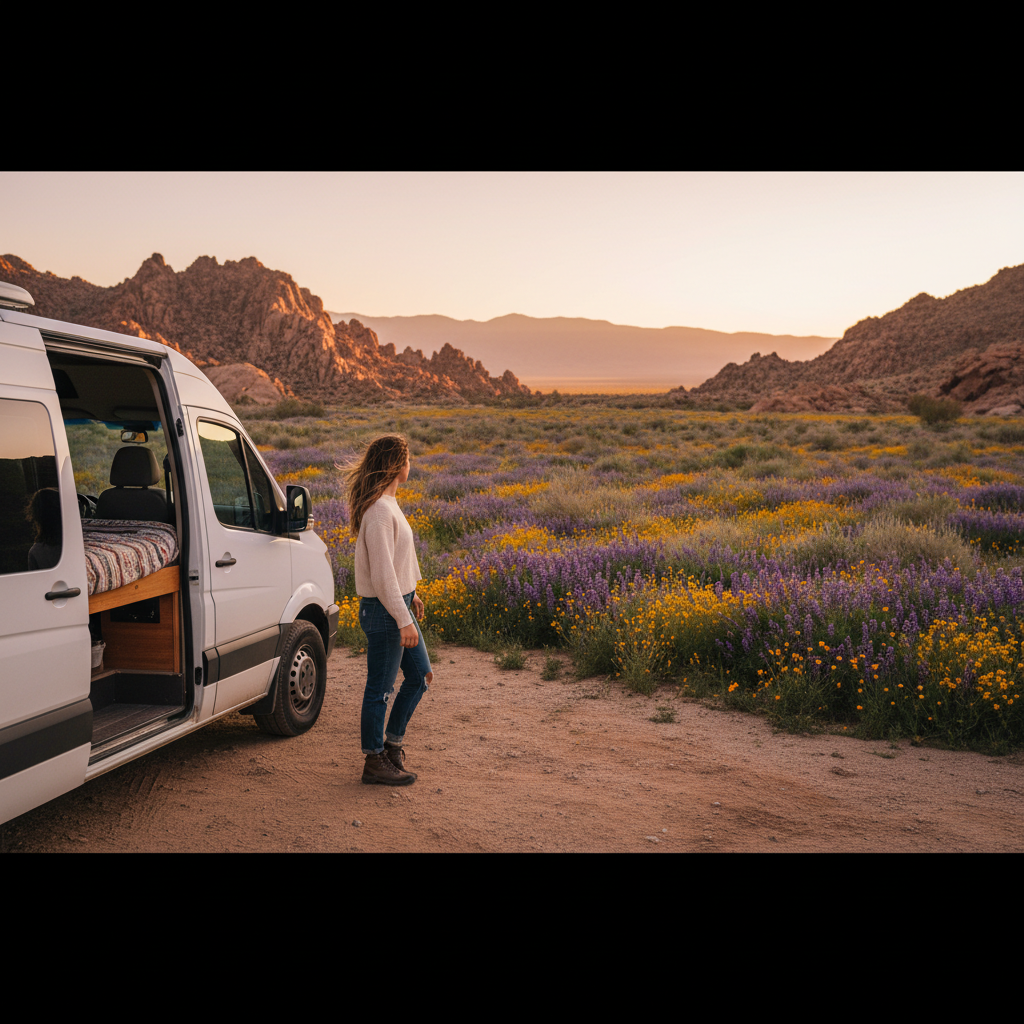

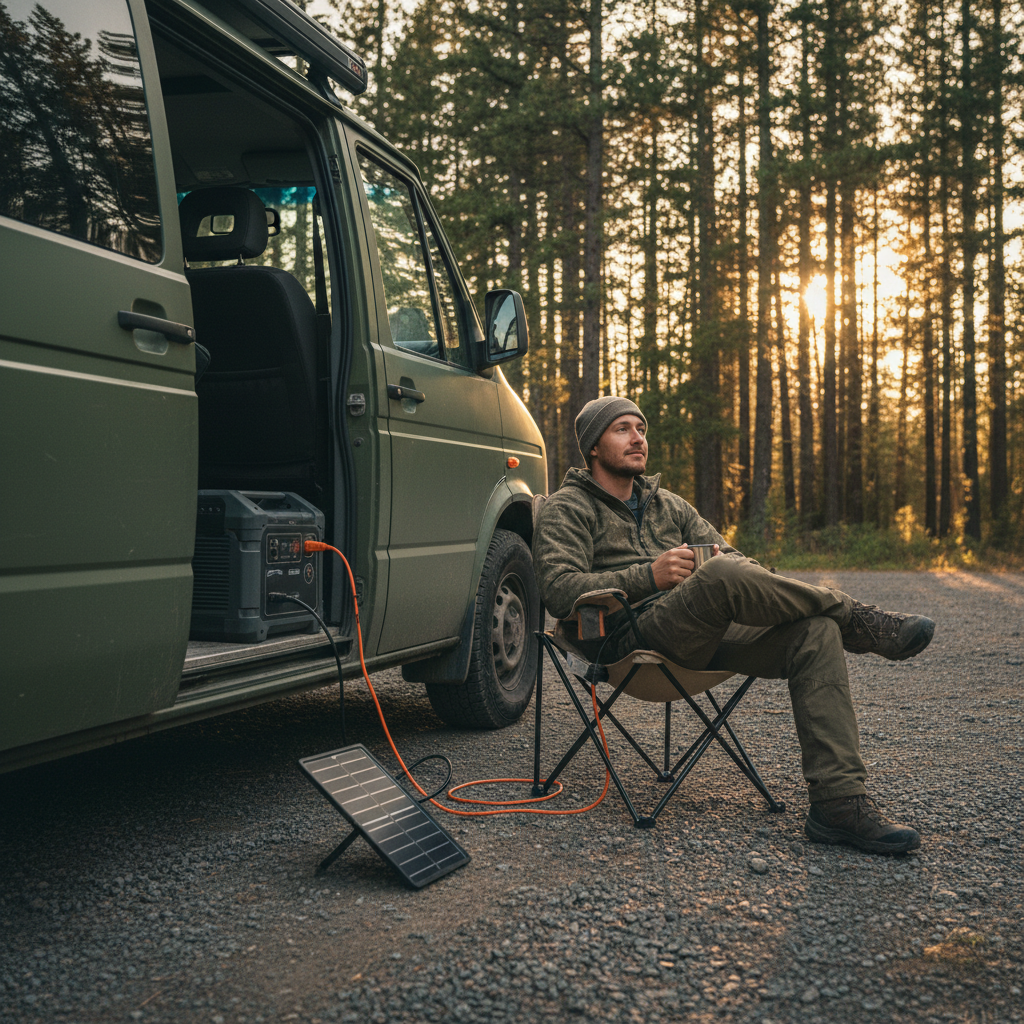
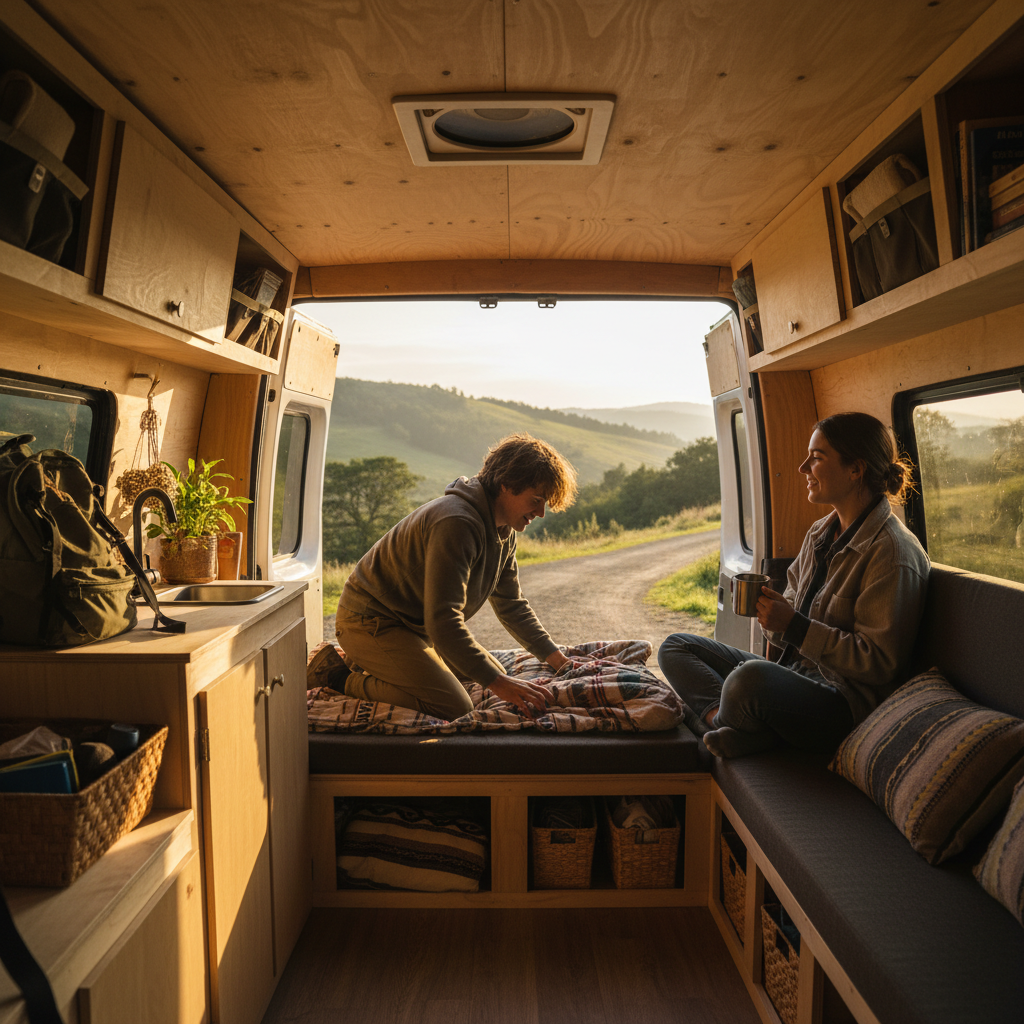
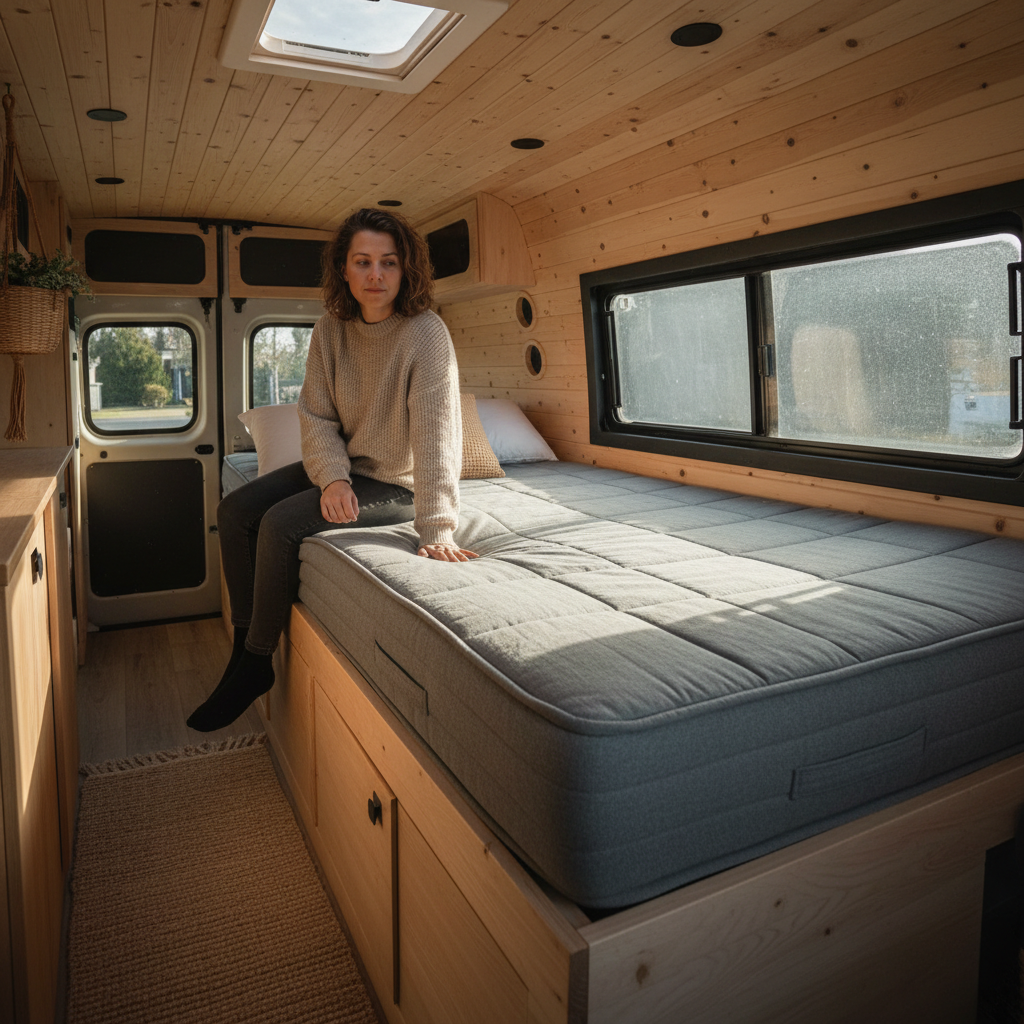
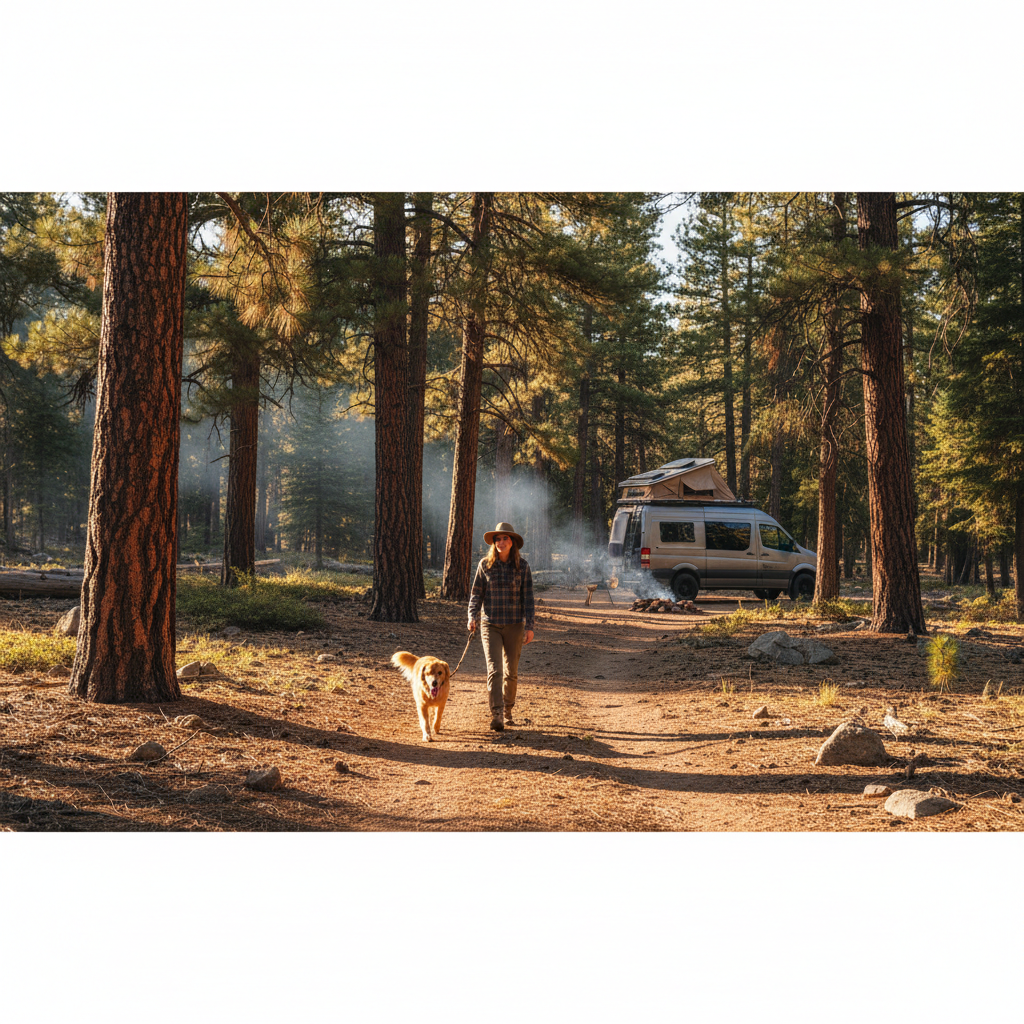
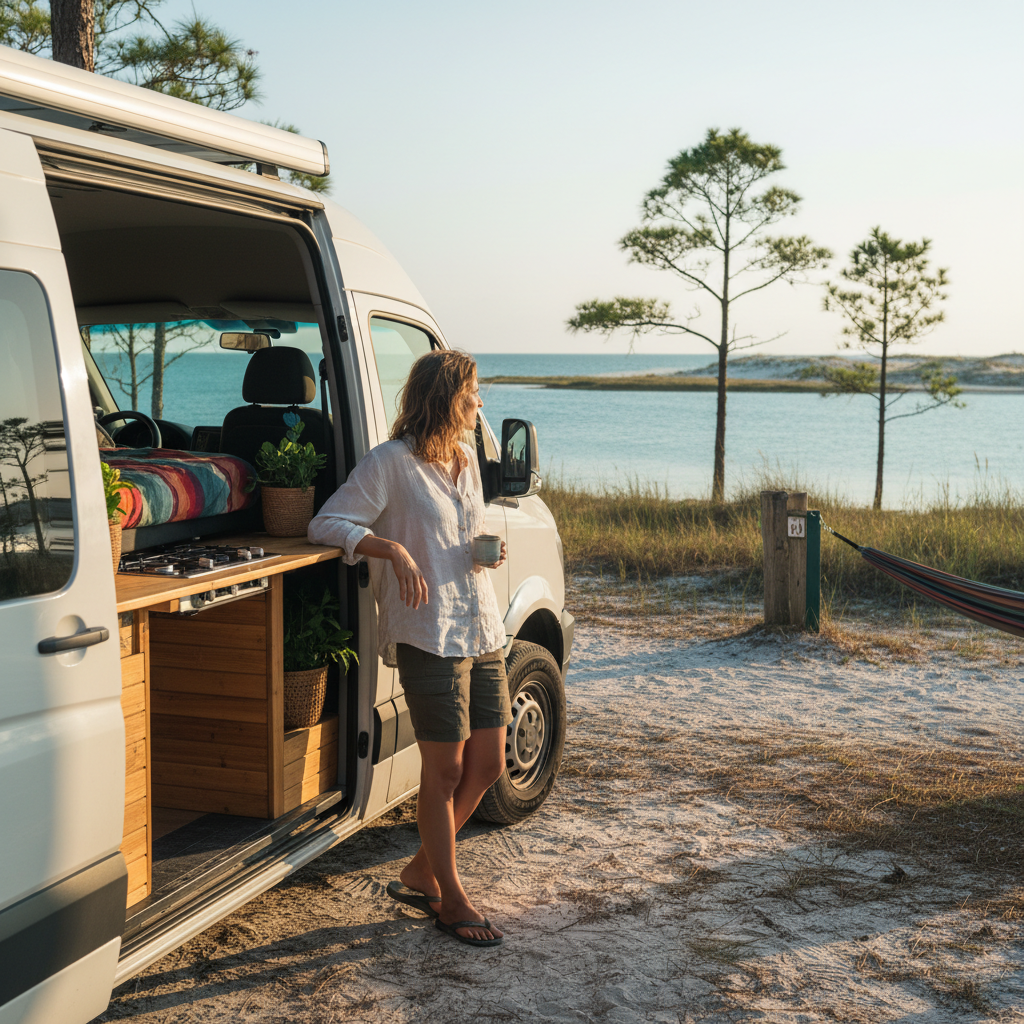
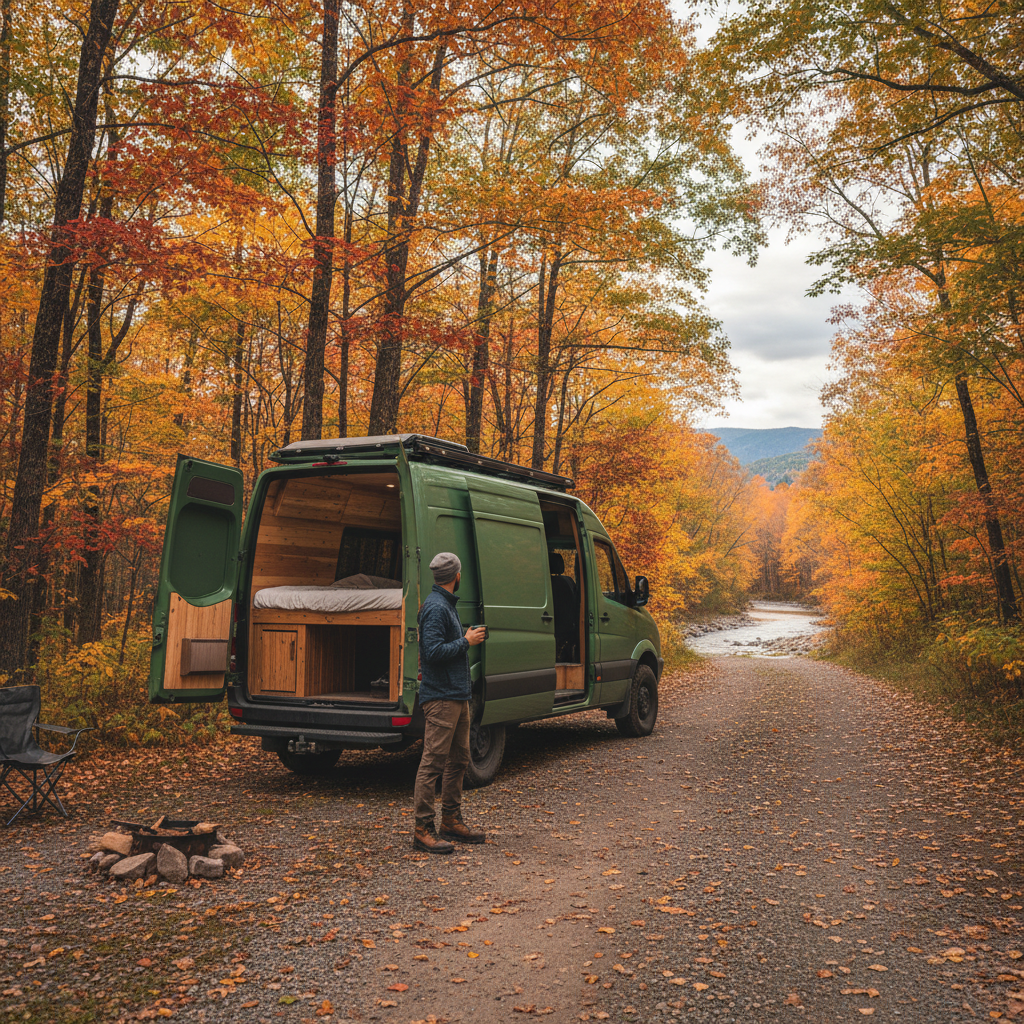



Gear guides will tell you a van weekend in the Pacific Northwest requires a rooftop tent, a dual-battery setup, and a carefully curated Spotify playlist before they mention anything about where you actually drive. That order is wrong. The route decides everything else: whether your clearance matters, whether pavement survives October, whether you're waking up to salt air or old-growth silence.
The PNW has no shortage of scenic byways, but they don't all work the same way for a van. State Route 20 through the North Cascades is a completely different proposition in mid-May than it is in late June, and it's a different trip again if you're in a tall-roof Sprinter versus a low-clearance campervan. The variables that actually matter are road surface condition, seasonal access windows, overnight pullout density, and whether a route rewards a slow pace or punishes it.
Here's the tension nobody flags: the most photographed drives in the PNW are also the most crowded, and the crowds arrive precisely because the access is easy. The genuinely uncrowded routes require either a longer drive to the trailhead, gravel tolerance, or a weather gamble. You can have beauty or solitude, but getting both means making a deliberate trade.
The Five Routes Worth Committing a Weekend To
This isn't a comprehensive catalog of every scenic byway in Washington and Oregon. It's a short list built around one criterion: routes where the drive itself is the experience, not just the commute between trailheads. If you want a list of every designated scenic byway in the region, the Washington State Department of Transportation and Oregon Department of Transportation both maintain those. What they don't tell you is which ones actually work for an overnight van trip rather than a Sunday afternoon out.
State Route 20: North Cascades Highway (Washington)
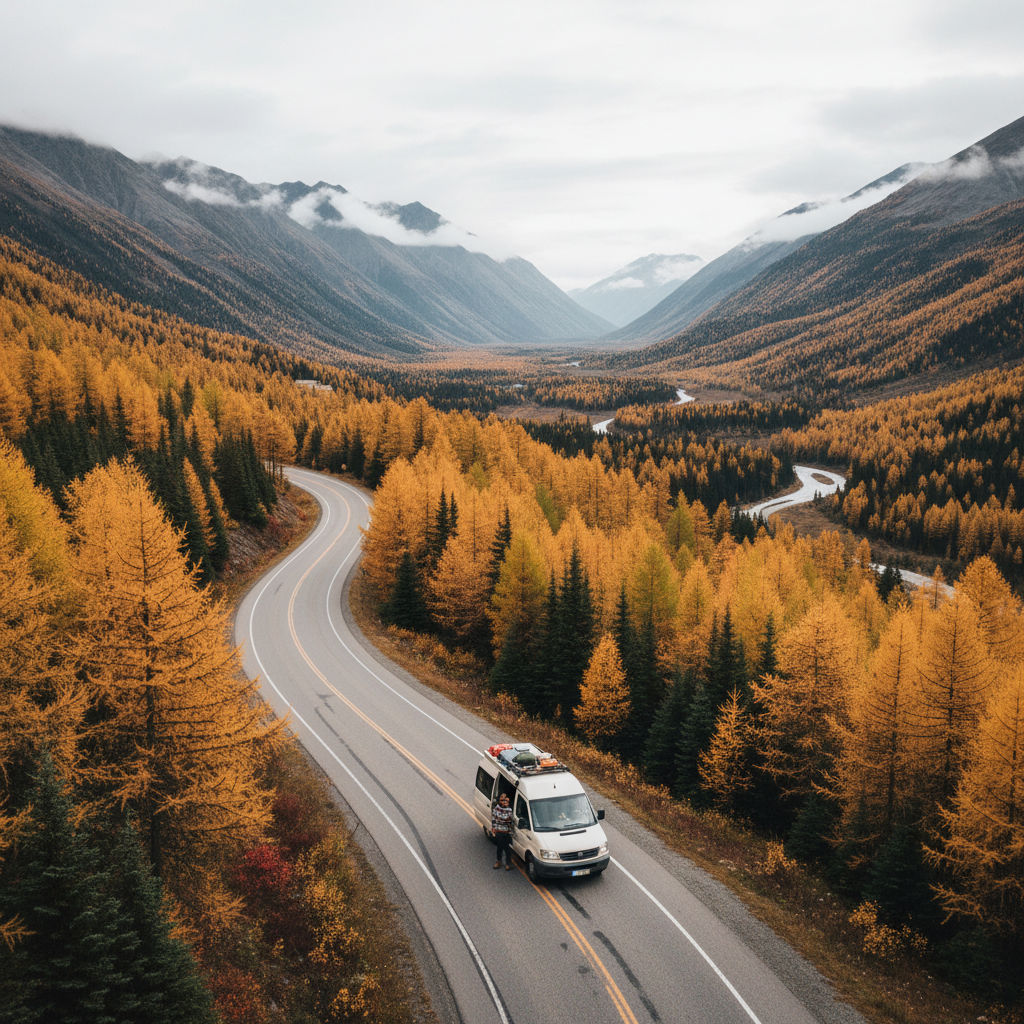
SR-20 between Burlington and Winthrop is the one drive in the PNW that earns the word dramatic without apology. The road crests Washington Pass at 5,477 feet and drops into the Methow Valley through a series of switchbacks that make the transition from wet west-side forest to dry east-side ponderosa feel almost theatrical. The WSDOT typically closes the high-elevation section from November through late April due to avalanche risk, so the usable window is roughly May through October, with the best color running mid-September to early October.
For van travelers, the practical advantage is pullout density. Developed Forest Service campgrounds cluster along the route, and dispersed camping is available in the Okanogan-Wenatchee National Forest on the east side. Check current dispersed camping rules with the Methow Valley Ranger District before assuming any pullout is legal overnight. Clearance is fine for standard camper vans; SR-20 is a paved state highway throughout.
Oregon Coast: US-101 Between Cannon Beach and Newport
The coast is the obvious choice, which is also its problem. US-101 along the central Oregon coast delivers consistent ocean views, state park camping with electrical hookups if you want them, and a rhythm that suits a slow pace. The stretch from Cannon Beach south through Lincoln City to Newport packs the highest scenic return per mile: Hug Point, Cape Meares, the Three Capes Scenic Route as a short detour, and Depoe Bay, which has the narrowest navigable harbor in the world (a fact that is not especially useful for van planning, but worth knowing).
What distinguishes this stretch for van travelers specifically is the overnight infrastructure. Oregon's state park system is one of the better-managed coastal camping networks in the country, and sites at Beverly Beach State Park and South Beach State Park can be reserved through the Oregon State Parks reservation system, which opens bookings six months out. The coast runs accessible year-round, though winter brings rain measured in feet rather than inches and wind that will test any rooftop ventilation setup.
Or rather: the coast doesn't just bring rain in winter. Coastal Oregon from November through March runs sustained precipitation events that can last four to seven days. That's a different condition than occasional showers, and it matters for anyone planning to cook outside or rely on solar charging.
Olympic Peninsula Loop (Washington)
US-101 loops around the Olympic Peninsula and functions as one of the more logistically self-contained van routes in the region. You can drive the full loop in a day if you push it, but that misses the point entirely. The peninsula earns its time: the Hoh Rain Forest on the west side gets roughly 140 inches of precipitation annually (National Park Service figure), which produces the kind of moss-draped Sitka spruce canopy that takes decades to photograph well. The northeast corner, around Sequim, sits in a rain shadow and runs noticeably drier.
Olympic National Park campgrounds require advance reservations during peak season (June through August). Sol Duc Hot Springs, which sits inside the park and requires a site reservation, is the kind of thing worth building a night around if you're not traveling in a group that needs hookups. The park charges an entrance fee; the America the Beautiful pass covers it if you're hitting multiple parks in a trip.
Mount Rainier Loop: SR-706 and SR-123 (Washington)
Rainier is the mountain that makes every other mountain in the region feel like a warm-up act. The loop road connecting the Nisqually entrance to the Stevens Canyon entrance via SR-706 and SR-123 stays open through late fall on its lower sections, though Paradise Road typically closes to vehicles by late November. This route works best as a two-night trip: one night west-side near Cougar Rock Campground, one night east-side near Ohanapecosh. The two sides of the mountain are genuinely different ecosystems, and the drive between them through Stevens Canyon is the best thirty minutes of road in the state.
I'd start with a Sunday-evening arrival at Ohanapecosh if you can manage it. The campground sits in old-growth hemlock and is consistently quieter than the west-side sites on weekend mornings.
Columbia River Gorge: Historic Columbia River Highway and SR-14 (Oregon and Washington)
The Historic Columbia River Highway on the Oregon side is the drive that made scenic highway design famous in the US. Completed in 1922 and engineered by Samuel Lancaster, it was built explicitly for the automobile experience rather than pure transportation efficiency, which shows in every curve. The eastern section between Hood River and The Dalles is less trafficked than the waterfall corridor near Multnomah Falls and offers better pullout options for larger vehicles.
The less-publicized play is SR-14 on the Washington side. It runs roughly parallel to the Oregon historic highway but at water level, with unobstructed views south across the gorge and almost no crowds on weekdays. Washington Department of Fish and Wildlife access sites along SR-14 permit overnight camping in some locations; confirm current rules at each site before committing to an overnight there.
What Actually Determines Which Route Is Right
The five routes above are not interchangeable. Choosing between them without checking three things first is how you end up on a closed road in October or competing for a pullout at 9 PM.
Check season, road surface, and overnight infrastructure in that order. SR-20 is the most spectacular drive on this list but has the shortest reliable window. The coast is accessible year-round but requires honest accounting of what winter conditions mean for your setup. Rainier works best as a planned loop with reservations; showing up on a July Saturday without a campground reservation is a pain that's entirely avoidable.
The alternative most people default to instead of committing to one of these routes is stringing together a series of day hikes from a single base camp. That's a reasonable trip, but it's a different trip. If you're in a van specifically to move, to wake up somewhere different each morning, a static base camp underuses what you have. The drive matters as much as the destination.
If you're driving a vehicle taller than about 9.5 feet or wider than 8 feet, the Olympic loop and the coast are your most forgiving options. The steep switchbacks on SR-20 near Washington Pass and the tight curves on the Historic Columbia River Highway's western section can be uncomfortable in very large rigs, though neither has hard restrictions for passenger vehicles.
The route that surprises people most is SR-14 along the Washington side of the Gorge. Cheap guides miss the fact that this road delivers some of the best gorge views in the region while the Oregon side is clogged with tour buses. That gap closes on summer weekends, but on a Tuesday in September it's a different road entirely.
Timing, Access, and the Mistake That Costs the Trip
Seasonal road closures in the PNW are real and not always well-publicized outside agency websites. WSDOT posts SR-20 closure dates and current conditions at their Travel Information line (511 in Washington). The National Park Service road status pages for Olympic and Mount Rainier are updated regularly during shoulder season and are worth bookmarking before any October or November trip.
The most common mistake is treating the PNW as a summer-only destination and then not accounting for how aggressively summer crowds compress the experience. The shoulder window from mid-September through mid-October is the strongest case for any of these routes. Crowds drop, temperatures stay reasonable for camping, fall color arrives on the east side of the Cascades, and the rain hasn't fully returned to the coast. That six-week window is the actual peak for van travel, even if it doesn't match the peak reservation season.
Skip that window and you're competing with every other van that booked its summer trip six months out. The cost of ignoring the shoulder season isn't just crowds; it's losing the dispersed camping options that make these routes feel like genuine exploration rather than managed recreation.
The weather gamble is real on every route here, but it's different in character. Cascades weather changes faster than coastal weather. A clear morning on SR-20 can turn to sleet by afternoon at elevation, while the coast runs more prolonged gray periods that are easier to forecast. Pack accordingly, and check NOAA's Pacific Northwest forecast zone maps rather than a generic weather app, which will average conditions across elevations in ways that produce useless numbers.
When These Routes Don't Work
None of these drives work well if your van isn't self-contained for at least one night without hookups. The best pullouts and dispersed sites on SR-20 and SR-14 don't have water or power. If your setup depends on daily electrical hookups or a camp store for water, the coast's state park system is the only route here that reliably accommodates that. The others will leave you scrambling.
SR-20 specifically is not the right route if you're new to mountain driving or if your rig has any mechanical concern that elevation and distance from a service center would amplify. The nearest substantial towns to Washington Pass are Burlington to the west (roughly 75 miles) and Winthrop to the east (roughly 35 miles). Not a crisis, but not a route to test an unreliable vehicle.
And the Olympic loop is the wrong choice if you're trying to cover ground fast. The road is good but the distances between points of interest are longer than the map suggests, and the park entrance fee zones, campground check-in windows, and rain forest trailhead parking all impose time constraints that reward a slower pace. Two nights is the minimum to do it properly; one night means rushing.
Building the Actual Weekend
A workable structure for any of these routes follows the same logic: arrive Thursday evening, drive Friday, position for Saturday morning, drive Saturday, exit Sunday before noon.
For SR-20: enter from the Burlington side Thursday night, camp near Newhalem in the North Cascades National Park Service complex (reservations via Recreation.gov), drive east through the pass Friday morning when light is best, spend Friday night in dispersed camping in the Methow Valley or at a Winthrop-area site, return west Saturday or continue east into the Okanogan highlands.
For the coast: Cannon Beach Thursday night (paid campground or a Tillamook County pullout if you know where to look), drive south Friday through the Three Capes route, overnight at Beverly Beach or South Beach, Newport Saturday morning, return inland or continue south depending on your timeline.
The table below compares the five routes on the criteria that actually move the needle for a van overnight.
The routes split cleanly into two categories: those that reward planning (Rainier, the Olympic loop, SR-20) and those that tolerate spontaneity better (the coast, SR-14). Your van setup and your tolerance for reservation logistics should make that choice before anything else.
| Route | Best Window | Pavement | Overnight Options | Crowd Level (Peak) | Rig Size Limit |
|---|---|---|---|---|---|
| SR-20, North Cascades | May - Oct | Paved throughout | NPS campgrounds + dispersed (east side) | High Jul - Aug | No hard limit; large rigs manageable |
| US-101 Oregon Coast | Year-round | Paved throughout | State park campgrounds, hookups available | Very high Jul - Aug | No hard limit |
| Olympic Peninsula Loop | Year-round (some closures) | Paved throughout | NPS campgrounds, advance reservation required peak season | High Jun - Aug | No hard limit; tight in some campgrounds |
| Mount Rainier Loop | May - Nov (partial) | Paved throughout | NPS campgrounds, reservations advised | High Jul - Aug | No hard limit |
| Historic Columbia Gorge / SR-14 | Year-round | Paved throughout | Limited; WDFW sites on SR-14, state parks nearby | Very high (waterfall corridor) | No hard limit; tight parking at popular stops |
The table's most useful column is overnight options. A route with beautiful scenery and nowhere legal to sleep is just a day drive.
The Route That Deserves More Attention
SR-14 on the Washington side of the Gorge is the most underused drive on this list. It doesn't show up on most Pacific Northwest road trip itineraries because it lacks a flagship attraction with a name everyone recognizes. What it has instead is thirty miles of river-level gorge views with basalt walls rising to the north, almost no tour traffic, and the White Salmon River drainage as a bonus sidetrack if you want to add whitewater context to the landscape.
The framing that changes how you use this route: SR-14 isn't an alternative to the Oregon side of the Gorge. It's a companion drive that sees the same geology from a different angle. Drive the Oregon historic highway for the engineering and the waterfalls, then cross at Hood River and run SR-14 back west for the view. That combination, done over a single long day or two shorter ones, is the complete Gorge experience. Either route alone leaves out half the picture.
That understates it. The SR-14 corridor also puts you within range of the Conboy Lake National Wildlife Refuge and the Klickitat River canyon, two places that almost never appear in weekend drive guides and require no special access. They won't replace the Gorge views as the headline, but they add an hour of legitimate natural complexity to a trip that might otherwise feel like a greatest-hits reel.
Choose Before You Pack
If your van is ready for dispersed camping and you have a September window, SR-20 through the North Cascades is the drive. Take it east to west for the best morning light on the pass, give yourself two nights, and confirm the road status with WSDOT 511 before you leave home.
If you need hookups, a forgiving timeline, or year-round access, the Oregon coast between Cannon Beach and Newport with a reservation at Beverly Beach or South Beach is the reliable choice. Reserve six months out if you're targeting a summer weekend.
If you're undecided between Rainier and the Olympics: Rainier rewards a single focused loop with clear objectives; the Olympics reward slower, less structured exploration. The Rainier loop is the better two-night trip. The Olympic loop wants three nights minimum to breathe properly. Know which kind of traveler you are before you commit either direction.