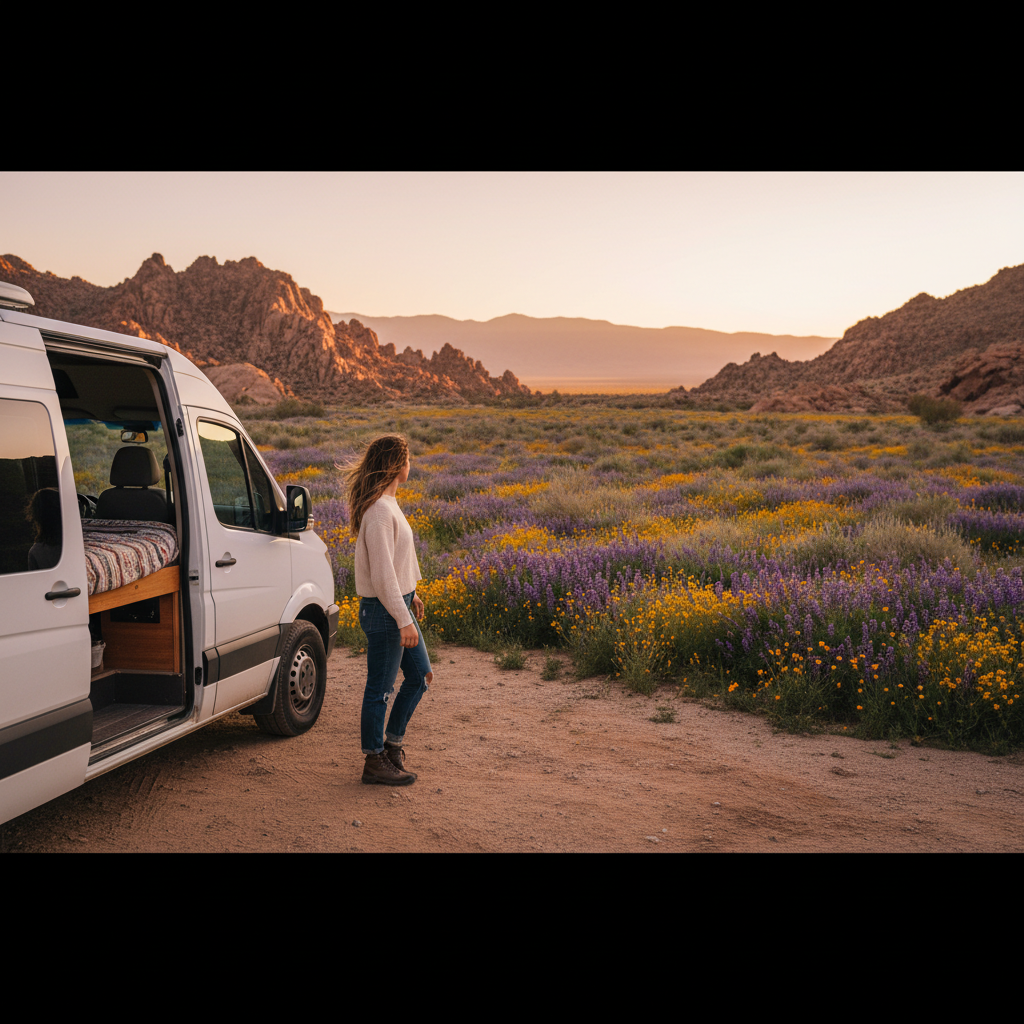
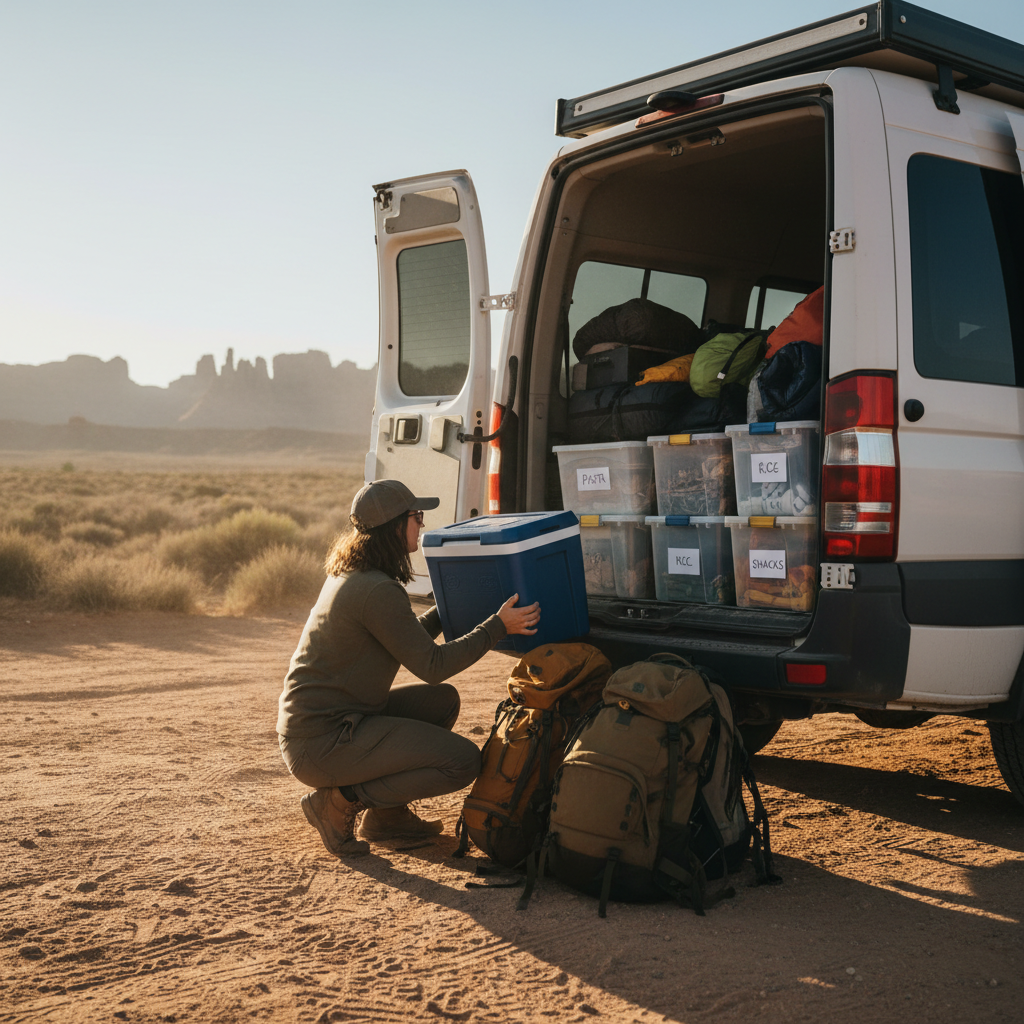
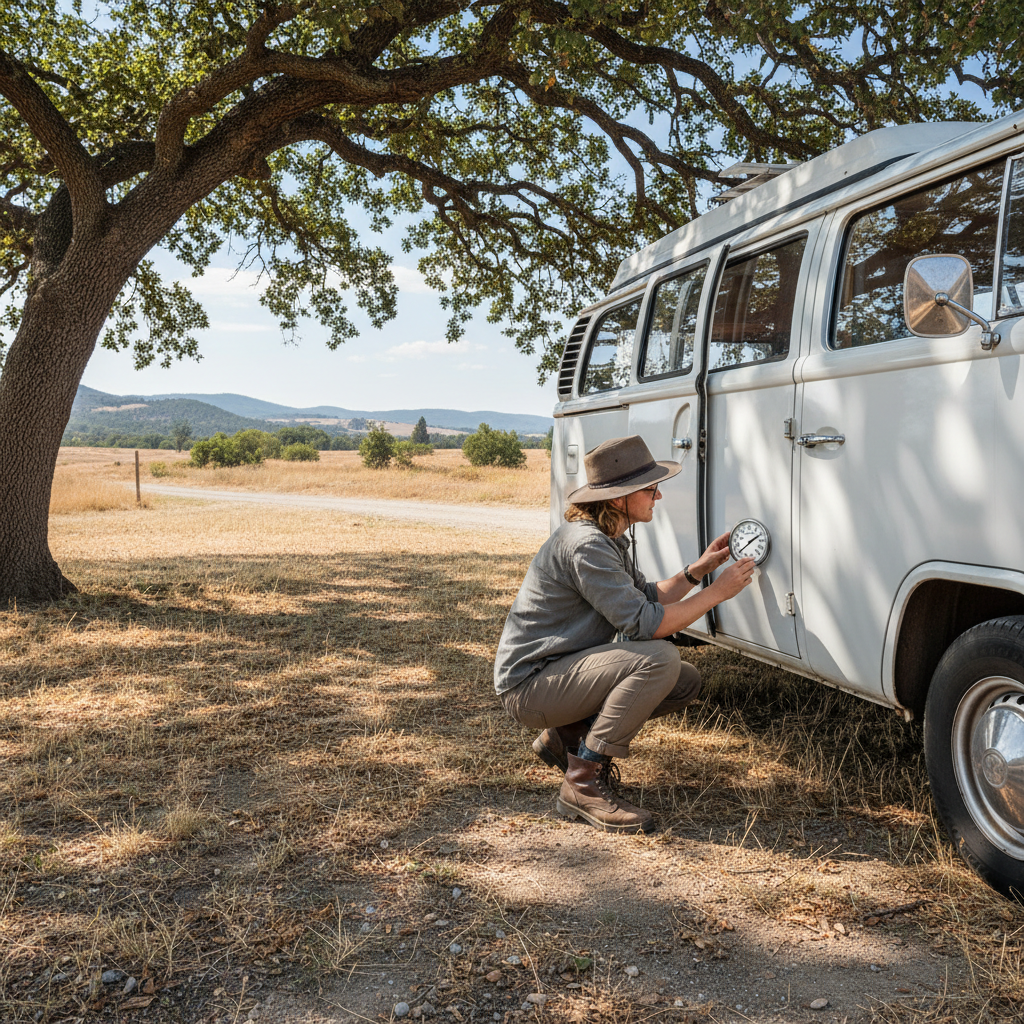

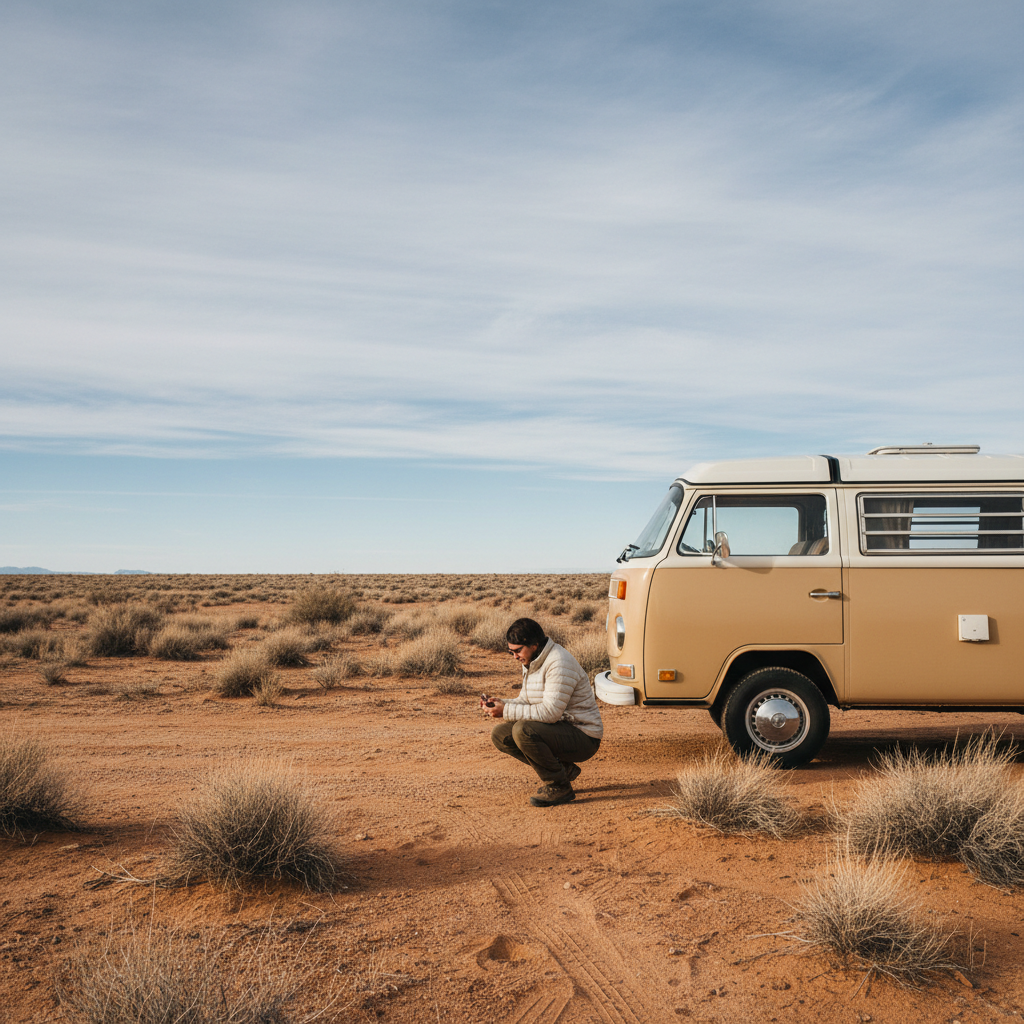
Van travelers who have spent one January shivering at a dispersed campsite in the wrong part of the Southwest will tell you the same thing: elevation kills warmth faster than latitude. A spot that looks sunny on a map can sit at 5,500 feet and drop to 18°F overnight, while a lower desert canyon an hour away stays in the mid-40s. The difference between a miserable winter van trip and a genuinely comfortable one often comes down to knowing which terrain features matter and which ones people obsess over for no good reason.
Choosing a warm winter van getaway in the US is not really a question of picking the right state. It's a question of picking the right elevation band, the right land-management agency, and the right window within the season. Florida parks out, Death Valley has a permit crunch that surprises first-timers, and the Sonoran Desert rewards people who understand how its temperature inversions work. None of that shows up in a ranked list of sunny states.
This guide is not for people van camping in mild shoulder seasons. It is written for those planning trips specifically from late November through February, when staying warm while minimizing fuel costs and permit headaches actually requires some strategy.
Why Elevation Matters More Than State Lines
The most common mistake van lifers make is filtering destinations by state rather than by elevation. New Mexico, Arizona, and Nevada all have enormous elevation ranges. Flagstaff, Arizona sits above 6,900 feet and averages lows well below freezing in January. Quartzsite, Arizona sits at roughly 870 feet and averages January lows around 40°F. Both are in the same state. One is a legitimate winter destination; the other requires serious cold-weather prep to be livable without running a heater constantly.
The practical rule: below 3,000 feet in the Sonoran and Mojave deserts, you get genuine winter warmth. Above 4,000 feet anywhere in the interior West, treat it as cold camping regardless of what the marketing says. That framing misses something, though. It isn't just the overnight low that matters. It's the diurnal swing: the Sonoran Desert can hit 70°F by midday and 42°F by 3 AM, which means your van needs to retain daytime heat rather than just block outside cold. Insulation matters more than a heater in that context.
Bureau of Land Management (BLM) land is the dominant factor for free winter camping in the low desert. The BLM manages millions of acres in Arizona, California, and Nevada at the elevations that actually deliver warm winters. Understanding their 14-day stay limit and the difference between open and restricted areas is not optional prep work. It's the decision gate.
The Sonoran Desert: Quartzsite, Yuma Corridor, and Why They're Not Interchangeable
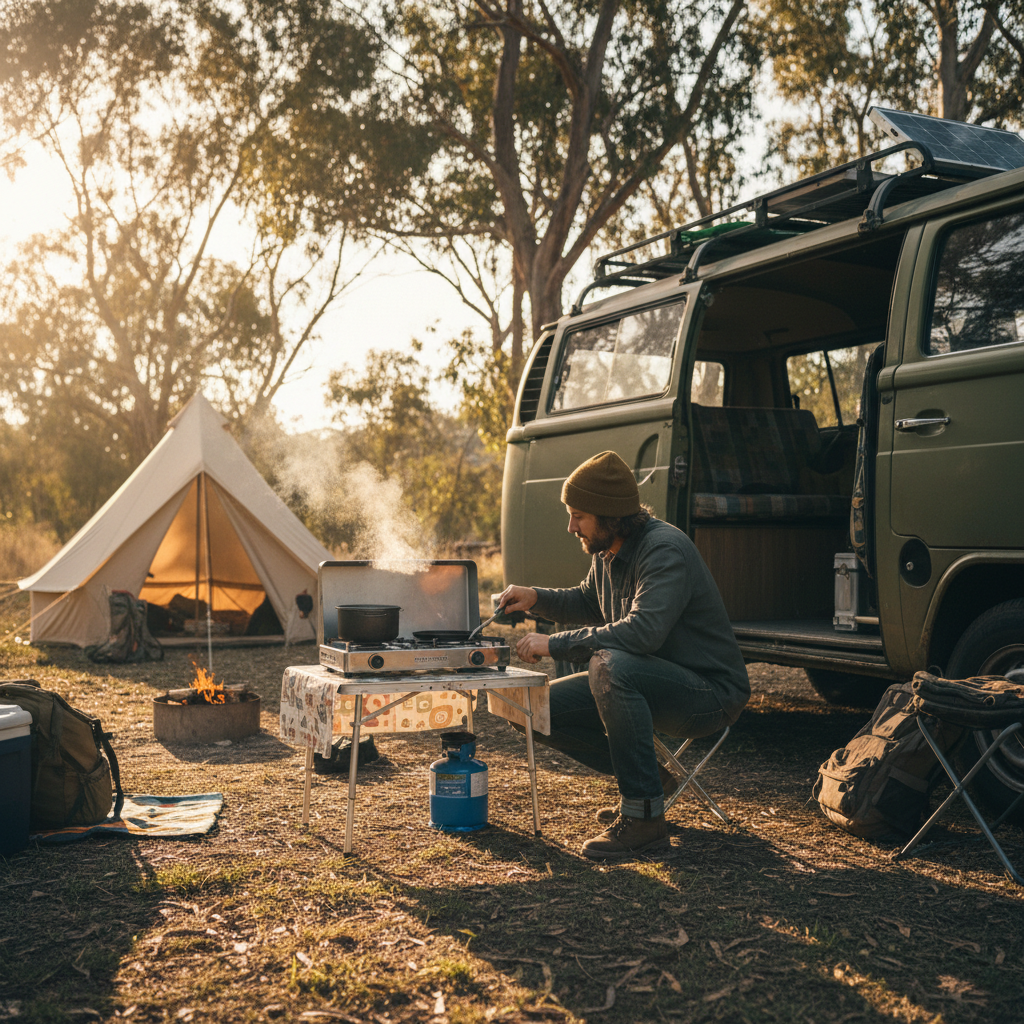
Quartzsite, Arizona draws tens of thousands of van lifers and RVers each winter because the BLM's La Posa Long Term Visitor Area (LTVA) offers paid permits for extended stays from September through April. As of recent seasons, the LTVA permit has cost around $180 for the full season or $40 for two weeks (fees are set by the BLM and subject to change; confirm at blm.gov before you go). The open desert surrounding Quartzsite also has free 14-day BLM camping zones. January temperatures average lows around 40°F and highs near 67°F, which is genuinely livable in a well-insulated van without burning propane all night.
The Yuma corridor, roughly the area between Yuma and the Dome Valley, runs even warmer. Yuma is one of the sunniest cities in North America by recorded sunshine hours, and the lower elevation along the Colorado River delta keeps overnight lows consistently higher than Quartzsite's open desert. The tradeoff is less accessible dispersed camping and more agricultural land you can't camp on. It takes more reconnaissance to find the right BLM parcels near Yuma, but the thermal payoff is real.
Or rather: the payoff is real if you time it right. November and December can bring cold snaps that drop Quartzsite to the low 30s for several nights in a row. Late January through mid-February tends to be the most stable warm window. People who arrive in mid-November expecting Tucson-in-spring weather sometimes bail early, which is a waste of a permit.
If you skip this corridor entirely and head straight for Sedona because the photos look better, you'll be camping at 4,350 feet in January. Sedona's red rocks are stunning. Its winter lows are not friendly to van living without serious heating infrastructure.
Southern California's Low Desert: Joshua Tree Margins and Anza-Borrego
Joshua Tree National Park itself is cold in winter. The park's main visitor areas sit between 3,000 and 5,000 feet. But the BLM land that borders the park to the north and east, particularly the Twentynine Palms and Pinto Mountain areas, sits lower and runs warmer. Van campers who know the difference between camping inside the park boundary and camping the adjacent BLM land access better temperatures, no entrance fee, and 14-day free stays.
Anza-Borrego Desert State Park in San Diego County is one of the underused winter van destinations in the US. The Borrego Valley floor sits at about 600 feet, and January highs regularly reach the mid-60s with lows in the mid-40s. California State Parks charges a camping fee at developed sites, but Anza-Borrego allows free primitive camping throughout most of its backcountry with a permit from the visitor center. The catch: roads into primitive zones require a high-clearance vehicle, and some are 4WD in wet conditions. A low-clearance van gets limited access. Know your rig's ground clearance before planning around Anza-Borrego backcountry.
The Salton Sea vicinity, particularly the Coachella Valley BLM land south of the sea, offers some of the warmest accessible winter camping in California. It's not glamorous. It's flat, the views are industrial in places, and the Salton Sea's ecological situation is well-documented and ongoing. But the temperatures are genuine, the camping is free, and for people whose priority is warmth over scenery, it delivers.
Big Bend Country and the Texas Gulf Coast: Different Problems, Different Rewards
Big Bend National Park in southwest Texas is a legitimate winter destination, but it requires honesty about what it offers. Temperatures at the Chisos Basin (5,400 feet) are cold in January. Temperatures at the Rio Grande Village area (1,850 feet) run significantly warmer, often reaching the low 70s by day with nights in the mid-40s. This is the part of Big Bend that works for winter van life. The park charges entrance fees and requires reservations for developed sites; backcountry permits are available at the visitor center and allow dispersed camping in designated backcountry zones. Demand has increased substantially since 2020, and permits for popular routes can be competitive.
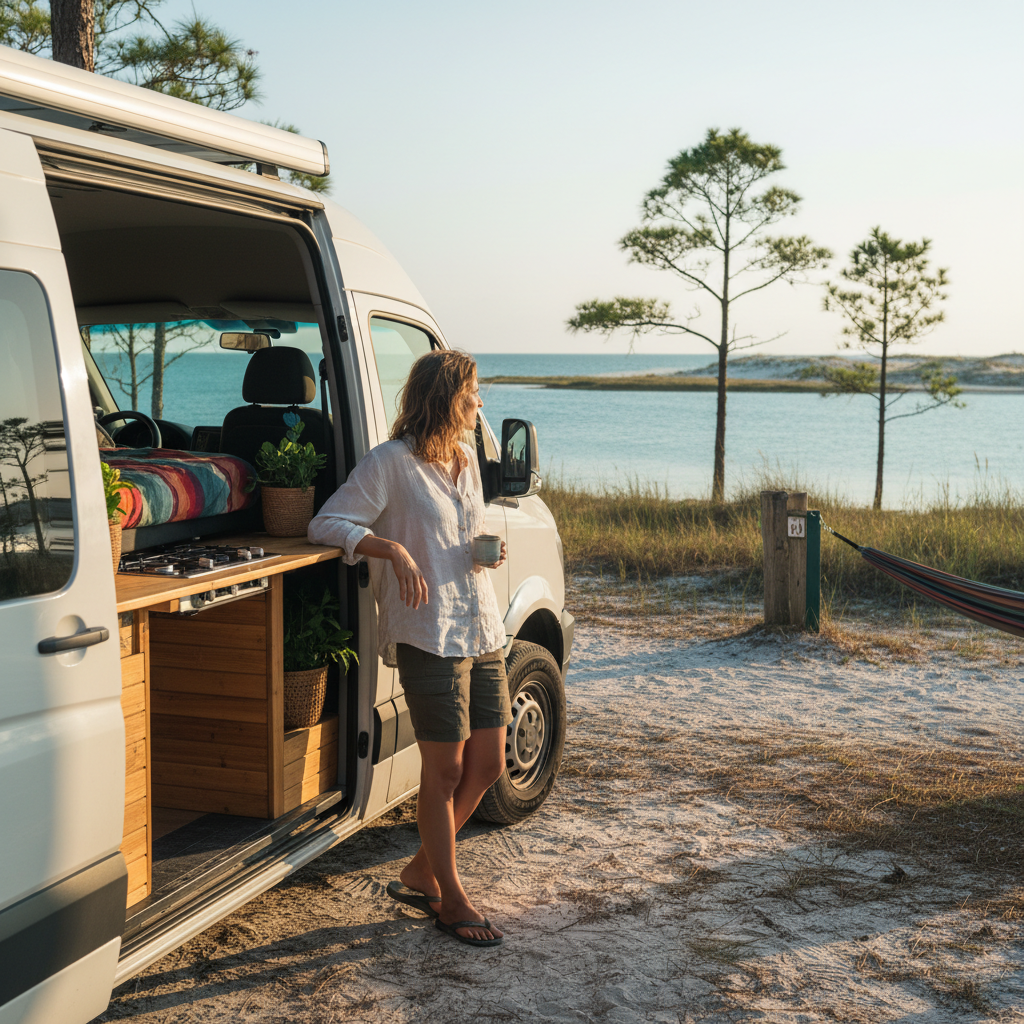
The Texas Gulf Coast, specifically the Corpus Christi to Port Aransas corridor and the areas around Padre Island National Seashore, offers a completely different winter van experience. You're trading desert solitude for coastal humidity, and January highs average around 63°F with lows near 48°F. Padre Island National Seashore allows free primitive beach camping on the North Beach (developed sites require fees), and you can drive your van directly onto the beach in most areas. It's one of the few places in the continental US where you can sleep with the ocean twenty feet from your door for free in winter.
What the Gulf Coast doesn't give you is consistent warmth. Cold fronts off the Gulf push temperatures into the 30s for days at a time, and the wind chill on an exposed beach drops the felt temperature hard. People expecting Sonoran Desert stability will be frustrated. People who want dramatic coastal scenery with mostly-warm weather and don't mind occasional cold snaps will find it genuinely rewarding.
When the Main Plan Fails: Cold Snaps, Permit Limits, and Honest Tradeoffs
Every destination in this guide has a failure condition. Quartzsite's BLM land hits its 14-day limit, and you either pay for an LTVA permit or move. Anza-Borrego's backcountry roads become impassable after rain. Big Bend's Rio Grande Village fills up in peak season without reservations. The Gulf Coast gets cold fronts that make beach camping genuinely unpleasant for three or four days at a stretch.
The van lifers who handle winter best are the ones who plan two destinations, not one. If your primary is Quartzsite BLM for two weeks free, your secondary should be an LTVA permit zone or a paid campground that doesn't require advance booking. If your primary is Anza-Borrego backcountry, your secondary should be a lower-clearance route in the same park or nearby BLM land in the Imperial Valley.
There's also the heater question, and it's worth being direct: people who try to do low-desert winter van life without any supplemental heat source are gambling on weather that doesn't always cooperate. A diesel or propane heater (Webasto, Espar, and similar brands are the common choices among experienced van lifers) changes the equation entirely. Without one, a three-day cold snap in Quartzsite isn't just uncomfortable. It's potentially dangerous if you're not prepared for 25°F nights. Check square footage of your van, your insulation R-value, and your sleeping bag rating before deciding whether to invest in auxiliary heat. Those three numbers together tell you more than any destination guide can.
Making the Decision: A Region-by-Region Comparison
Every region in this guide serves a different type of winter van traveler. The table below maps the four main corridors against the criteria that actually determine whether a destination works for your rig and your timeline.
| Region | Avg Jan Low (°F) | Free Camping Access | Terrain Challenge | Best For |
|---|---|---|---|---|
| Quartzsite / Yuma, AZ | 38 - 44 | High (BLM LTVA + 14-day zones) | Low (flat desert, most vans) | Extended stays, community, warmth |
| Anza-Borrego, CA | 44 - 48 | Moderate (state backcountry permit) | Medium (some 4WD roads) | Solitude, scenery, mild temps |
| Big Bend (Rio Grande), TX | 46 - 52 | Low (park fees, reservations) | Low - Medium | National park experience, dramatic landscape |
| Padre Island / Gulf Coast, TX | 46 - 50 | High (North Beach free primitive) | Low (beach driving) | Coastal access, ocean scenery |
The pattern here is clear: the highest free-camping access aligns with the Sonoran Desert corridor, and the Quartzsite-to-Yuma stretch delivers the most reliable warmth at the lowest cost. That's why it anchors most serious winter van itineraries. Anza-Borrego is the stronger choice if California proximity matters and you have the right vehicle. Big Bend is the right call if you're willing to pay for a park experience that has no equivalent anywhere else. Padre Island is underrated and underused, but it's a coastal gamble.
I'd start with the Quartzsite BLM free zones for a first winter trip, run the 14-day clock, then decide whether to buy into the LTVA permit for the remainder of the season. Most people who try it once come back. That's not an accident.
What to Do Before You Leave: The Three Things That Actually Matter
Skip the general van life prep lists. Three things specifically determine whether a winter desert trip goes smoothly.
First: water capacity and sourcing. Free BLM camping in the Sonoran Desert means no hookups. Quartzsite has water fill stations (some free, some nominal cost) that most campers rely on. Know your tank size, your daily consumption, and the nearest fill point before you commit to a dispersed site. Running out of water in the desert in January is a pain. Running out twenty miles from a fill station with a forecast cold snap coming is worse.
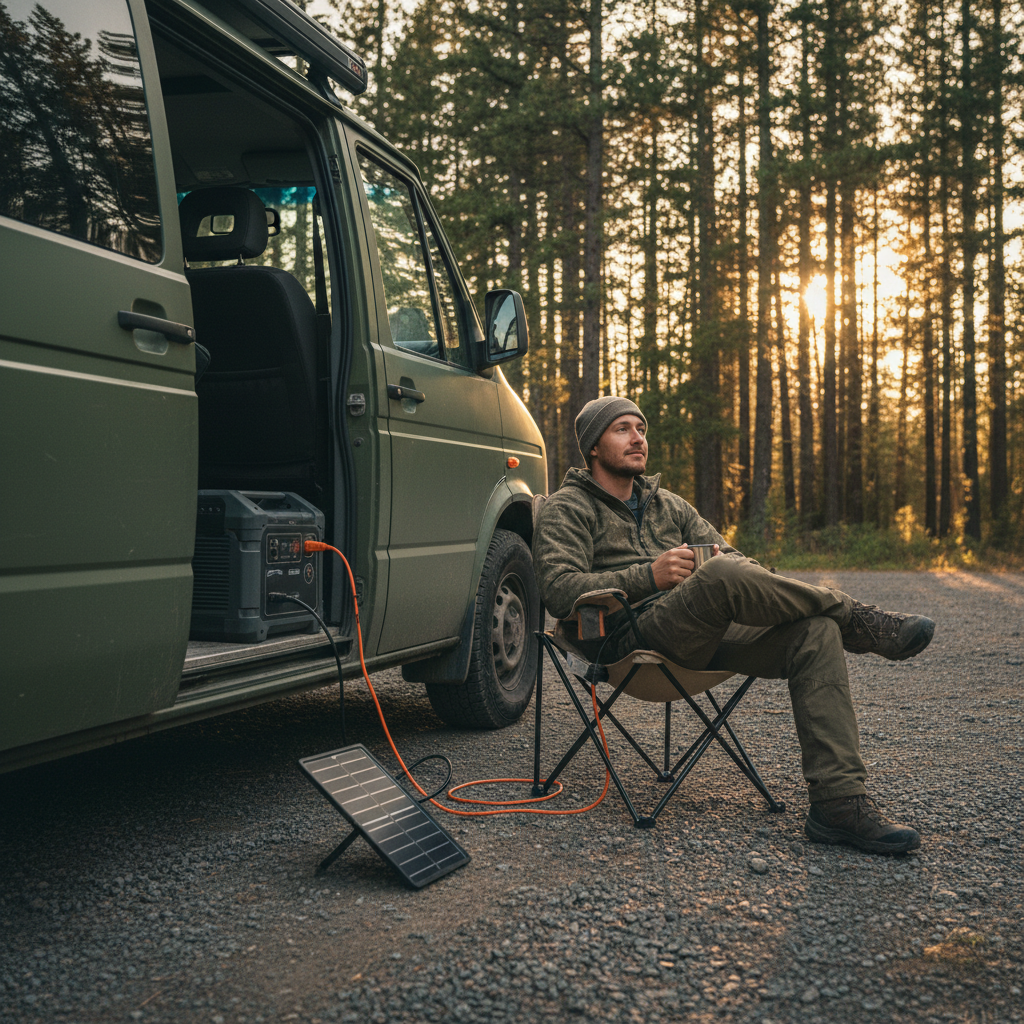
Second: solar and battery. Winter sun in the low desert is consistent but the days are short. If your solar setup was sized for summer, you may find yourself power-deficient by late afternoon in December and January. A common practical guideline among experienced winter van lifers: size your panel wattage to at least 20 watts per 100Ah of battery capacity for reliable winter charging in the Southwest. That's not an official threshold, just a starting point worth pressure-testing against your actual loads before you leave.
Third: cell coverage. The Quartzsite BLM areas have patchy Verizon coverage and almost no AT&T in certain zones. Anza-Borrego backcountry can be a dead zone entirely. If you work remotely, test your carrier's coverage maps against your specific planned sites, not just the nearest town. People who don't do this until they arrive regret it.
And if you skip all of this planning and just show up? You'll probably figure it out. But you'll spend your first week solving problems that a few hours of preparation would have eliminated, instead of enjoying the reason you came.
The Verdict
If your van is a standard two-wheel-drive build with basic insulation and you want the warmest, most accessible free camping in the continental US this winter, the Quartzsite and Yuma corridor in western Arizona is the answer. If you want more solitude and have a higher-clearance rig, Anza-Borrego's backcountry is genuinely rewarding. If you want a national park experience and are willing to deal with permits and fees, Big Bend's Rio Grande Village elevation is hard to beat. If the ocean matters, Padre Island National Seashore's North Beach is the free coastal option that almost nobody outside of Texas talks about.
None of these destinations reward showing up without knowing your elevation, your stay limits, or your rig's limits. The ones who thrive in winter van travel aren't necessarily the most experienced travelers. They're the ones who asked the right questions before they left.