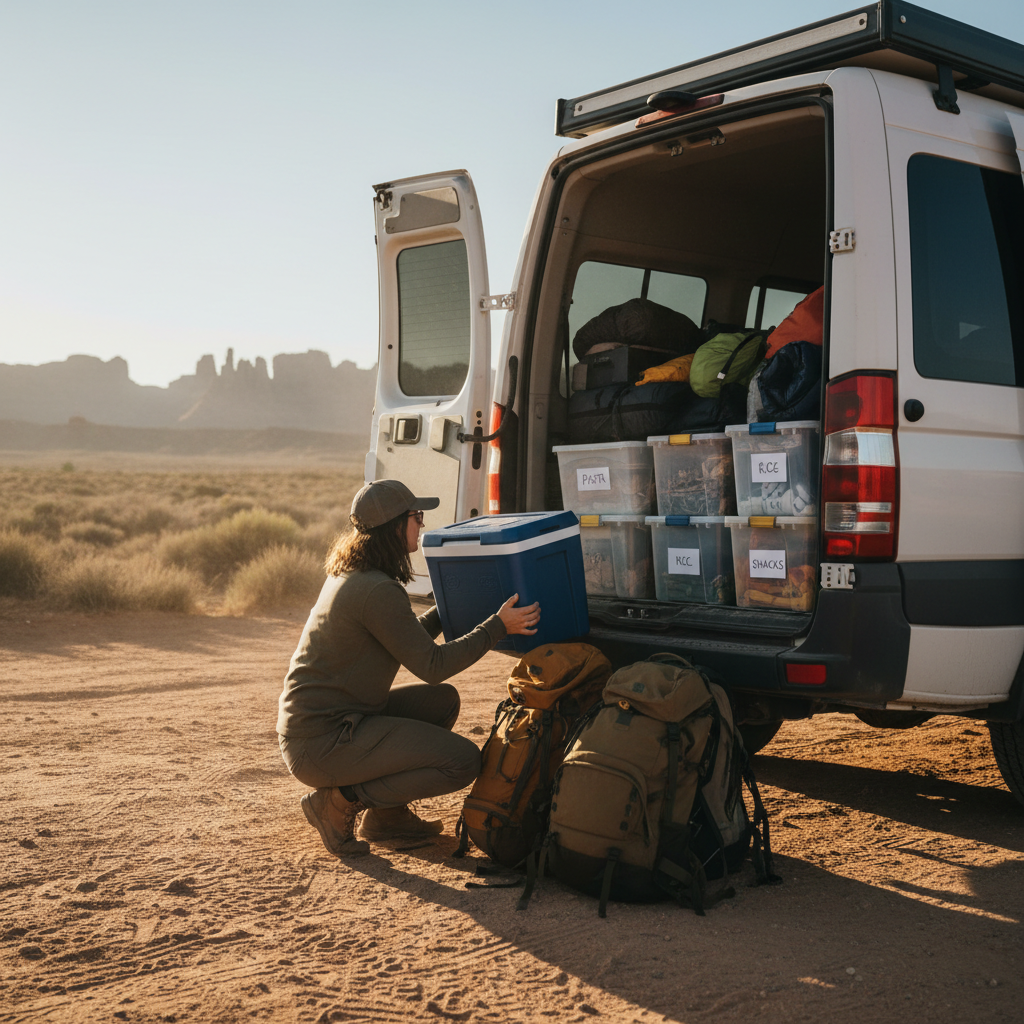

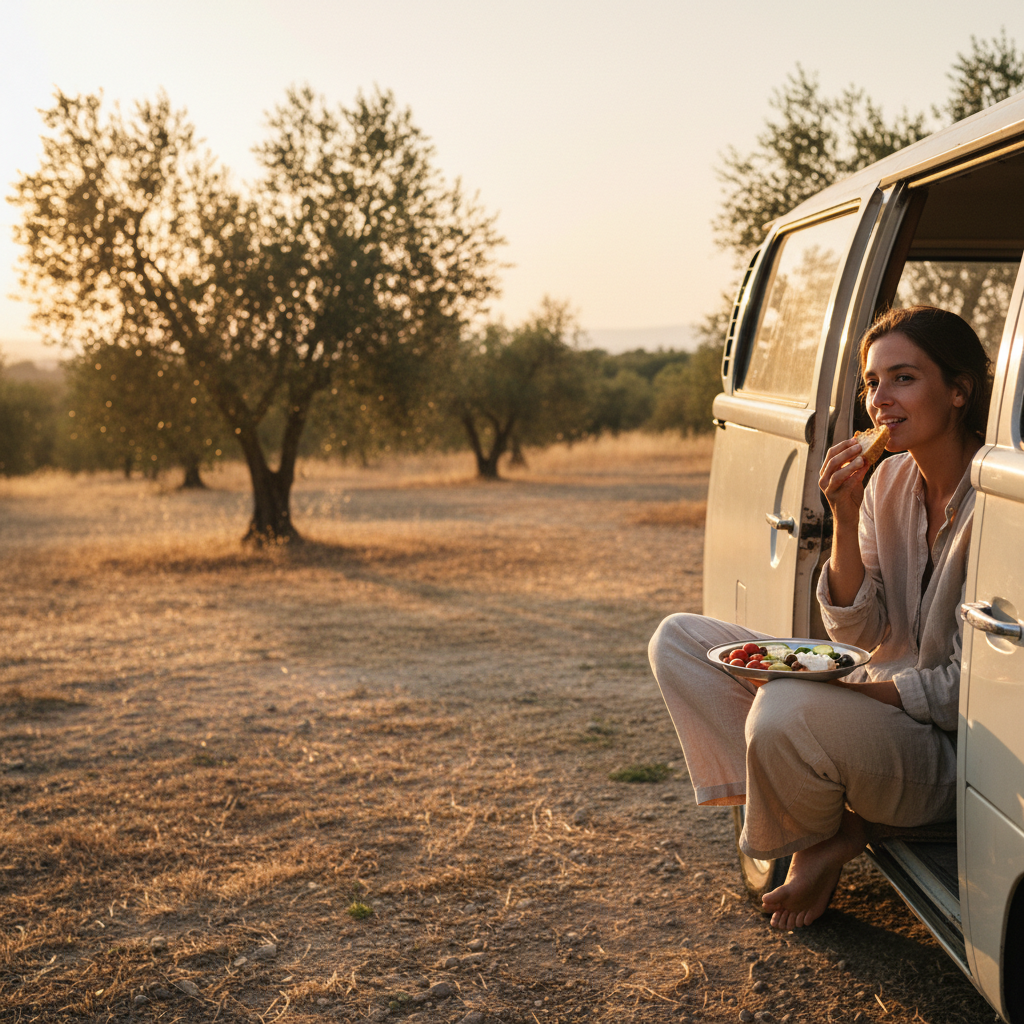
Experienced van campers will tell you to sort your food system before you sort your sleep system, and there's a reason for that. Once outside temperatures climb past 90°F, a cheap cooler becomes a lukewarm soup pot within 36 hours, and the difference between a good weekend and a miserable one often comes down to whether your dinner still looks like dinner at 6 PM on Saturday.
No-cook van meals for hot weather aren't just about skipping a camp stove. They're about building a food plan that accounts for three real constraints: how long your ice or cooling source actually lasts, how much prep space a van realistically gives you, and which foods stay safe without hovering at a perfect 40°F the whole trip. Get one of those wrong and you're eating gas station snacks by Sunday.
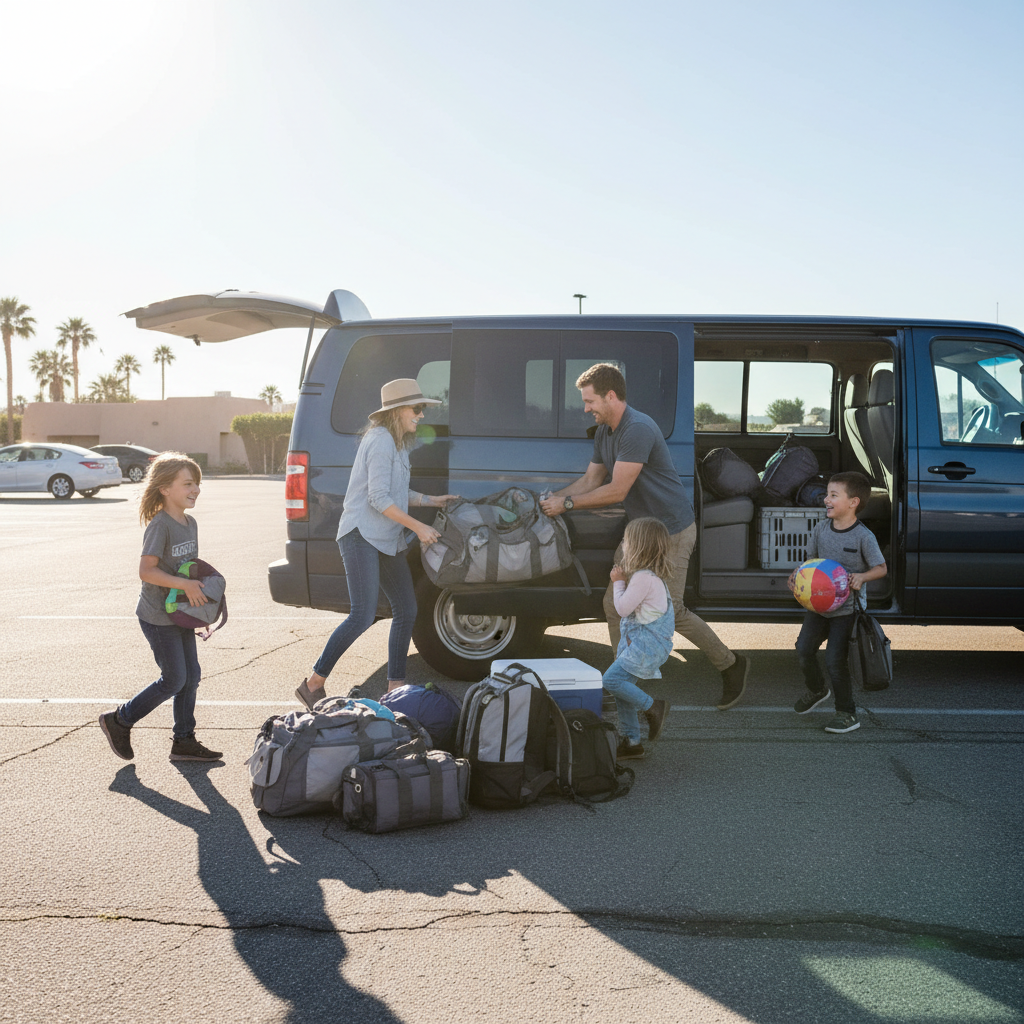
This isn't a guide for full-time van lifers running a 12-volt compressor fridge and a dedicated prep counter. If that's your setup, your food options are nearly unlimited and you don't need this. This is for weekend trips in a cargo van, a minivan, or a converted vehicle where cooling is a quality cooler, a bag of ice, and maybe a frozen block or two.
The tension worth sitting with before you pack: the meals that taste best in a hot van are almost never the ones recommended by camping blogs photographed in 65°F mountain air. Heat changes everything about what you'll actually want to eat.
Why Heat Changes Your Entire Meal Strategy
The USDA's food safety guideline puts the danger zone between 40°F and 140°F, the range where bacteria multiply rapidly. That guideline matters here because a rotomolded cooler like a Yeti or RTIC, packed correctly with a 2-to-1 ice-to-food ratio, can hold below 40°F for roughly 24 to 48 hours depending on ambient temperature, how often you open it, and whether you pre-chilled it the night before. A standard foam cooler in 95°F heat might give you 12 hours, maybe less.
Or rather: those numbers describe ideal conditions. If your cooler sits in direct sun in the back of a dark van with the windows up, even a premium cooler loses hours fast. Pre-chilling matters more than cooler brand in that scenario.
That framing shapes everything below. Meals are grouped not by cuisine or complexity but by cooling requirement, because that's the variable your weekend actually turns on. You can improvise flavors. You can't improvise food safety.
What you'll notice when you plan around cooling tiers is that the best hot-weather van meals aren't stripped-down survival food. They're foods that were designed to be eaten at room temperature or warmer: cured meats, aged cheeses, shelf-stable grains, oil-packed fish, whole fruit. The Mediterranean pantry was built for this problem.
No-Cooler-Required Meals That Actually Satisfy
Shelf-stable eating gets a bad reputation because people think of it as trail mix and granola bars. The actual range is wider and more satisfying than that, especially if you build around foods with fat, protein, and some textural contrast.
A solid base is a grain or legume that needs no cooking: vacuum-sealed pre-cooked lentils, shelf-stable brown rice pouches, or instant couscous that rehydrates in cold water in about 15 minutes (it takes longer than with hot water, so start it early). Add oil-packed sardines or tuna, a handful of sun-dried tomatoes, capers from a small jar, and a squeeze of lemon. That's a complete, filling dinner that requires no cooler and no fire.
Nut butters, hard crackers, and dried fruit are obvious. Less obvious: whole salami or summer sausage, which is shelf-stable until opened because of its curing process, pairs well with shelf-stable cheese crisps and olive tapenade in a jar. Whole uncut fruit (apples, oranges, pears) needs no cooling at all and provides more actual fullness than most people expect from a van dinner.
The one thing most guides skip over: rehydrating beans from a can versus a shelf-stable pouch changes your liquid management situation significantly. Cans are heavy and generate waste you have to store. Single-serve pouches of pre-cooked chickpeas or lentils are lighter, generate less trash, and work better in a van where space is the binding constraint.
Build these around a simple base: grain or legume, protein, fat source, acid. Couscous, sardines, olive oil, lemon. Rice pouch, white beans, sun-dried tomatoes, vinegar. Crackers, salami, mustard, dried apricots. Two items from each category and you have dinner.
Cooler-Dependent Meals Worth the Ice
If you're running a quality cooler and packing it right, you get access to a meaningfully better dinner tier for the first night or two. Pre-chilling the cooler the night before with sacrificial ice, then draining that water and repacking with fresh ice before departure, adds several hours of effective cooling. That's not a trick; it's just physics. A cooler that starts at 40°F holds 40°F longer than one that starts at 75°F.
For the first evening, hummus and sliced vegetables with pre-made grain salad (tabbouleh, farro salad, or a pre-dressed quinoa mix from a deli) hold well if they were refrigerator-cold when packed. Hard-boiled eggs are good through day one. Sliced deli meat is safe for the first 24 hours if the cooler is holding temperature.
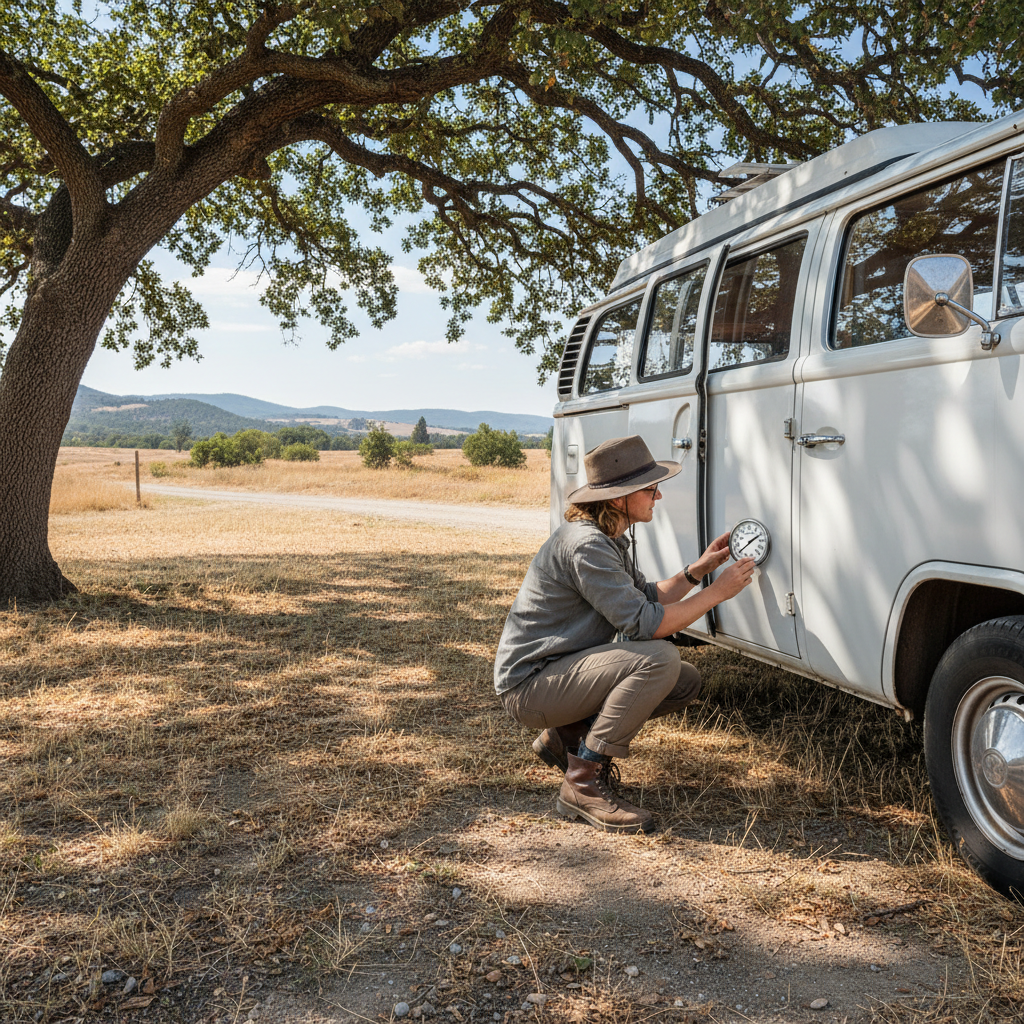
The better approach for a two-day hot-weather weekend: plan day one around cooler-dependent foods and day two almost entirely from the shelf-stable category. Don't plan to eat perishables on day two unless you have a way to verify your cooler is still under 40°F. A small $10 refrigerator thermometer that you can read without opening the cooler lid is the best $10 you'll spend on van food prep. Open the lid less; your ice lasts longer.
Wraps work better than sandwiches in a van because they hold structural integrity without toasting and can be pre-assembled the night before travel. Fill with hummus, roasted red peppers (jarred), spinach, and feta if the cooler is cold. Eat them within 18 hours of assembly.
The One Thing That Ruins Hot-Weather Van Meals
Cross-contamination of cooler items is the most common problem, and it's not glamorous to discuss, but ignoring it leads to the exact situation that turns a van weekend into a cautionary story. Raw proteins should never share a cooler with ready-to-eat foods unless they're double-sealed and stored at the bottom. For a no-cook weekend, the simplest fix is to not bring raw proteins at all.
The more practical failure is opening the cooler constantly. Every open cycle lets warm air in and cold air out. Keep grab-and-go snacks in a separate bag or dry box so you're only opening the main cooler at mealtimes. That single habit extends ice life more than any premium cooler upgrade for a two-day trip.
If you ignore this and run the cooler like a kitchen refrigerator, you'll hit lukewarm temperatures by Saturday afternoon on a hot trip. That's the specific outcome: not spoiled food you can smell and throw out, but food that's technically in the danger zone and doesn't show it. That's the scenario worth taking seriously.
Putting It Together: A Two-Day No-Cook Van Dinner Plan
A practical two-day framework, built around a single quality cooler, no stove, and temperatures above 85°F:
Day 1 dinner (cooler-dependent): Pre-made grain salad from home, hummus with jarred roasted peppers, hard-boiled eggs, whole fruit. Everything was fridge-cold at departure and the cooler was pre-chilled.
Day 2 dinner (shelf-stable only): Couscous rehydrated in cold water starting 20 minutes before you want to eat, oil-packed tuna or sardines, sun-dried tomatoes, olive oil, capers, crackers on the side. No cooler required. No fire required.
I'd start with the Day 2 meal in your kitchen first before the trip, just to calibrate the cold-water rehydration time for the specific couscous brand you're using. It varies more than you'd expect, typically 15 to 25 minutes, and finding that out at a trailhead at 7 PM is a pain.
Before you pack: check cooler seal, verify thermometer placement, pre-chill the night before, and plan which day each item belongs to. That four-point check separates a good van food weekend from a stressful one.