




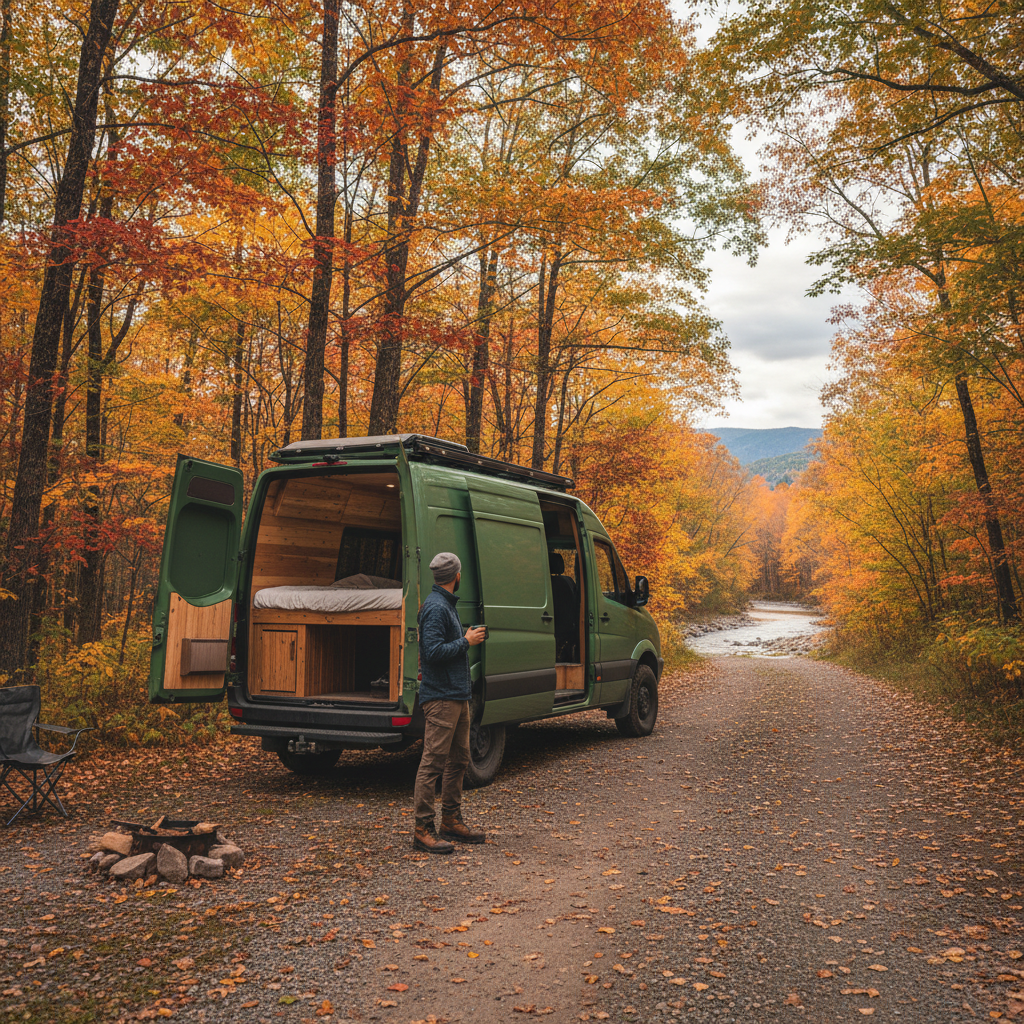
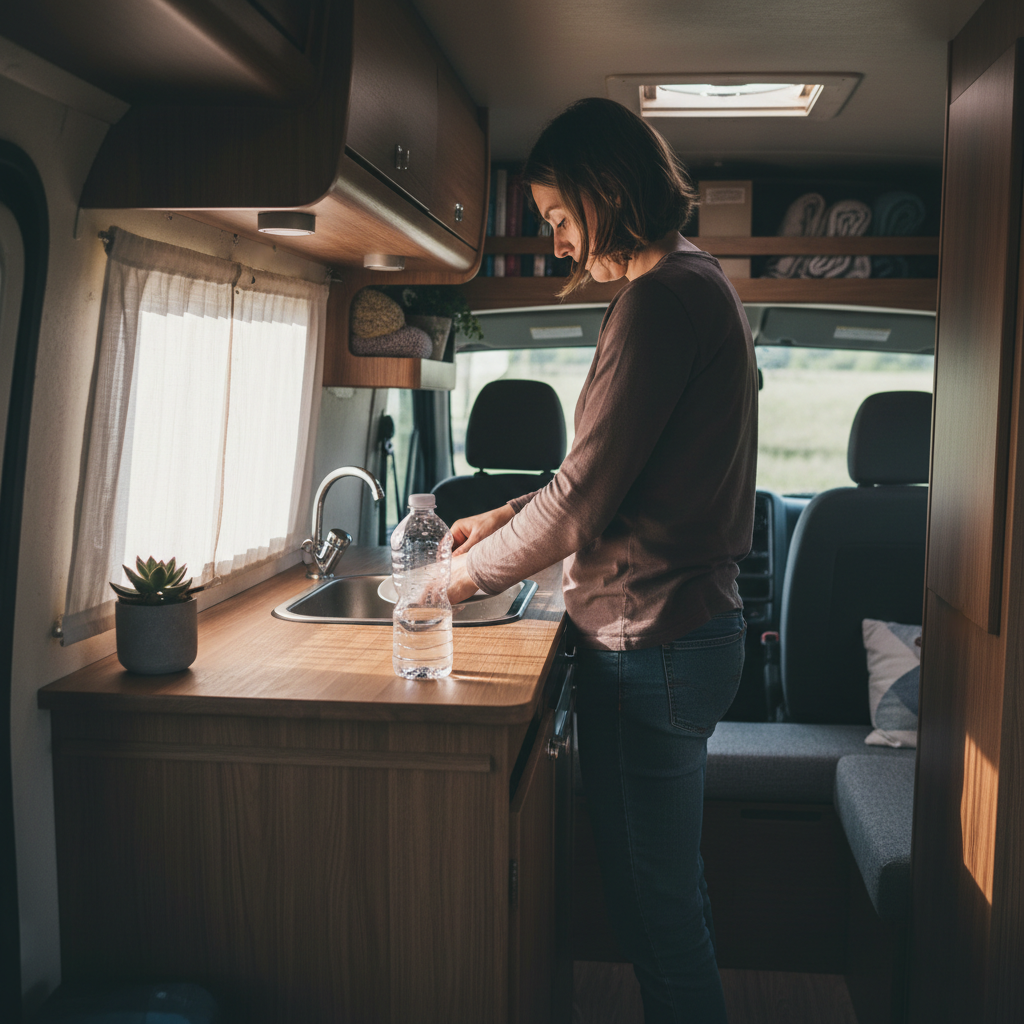


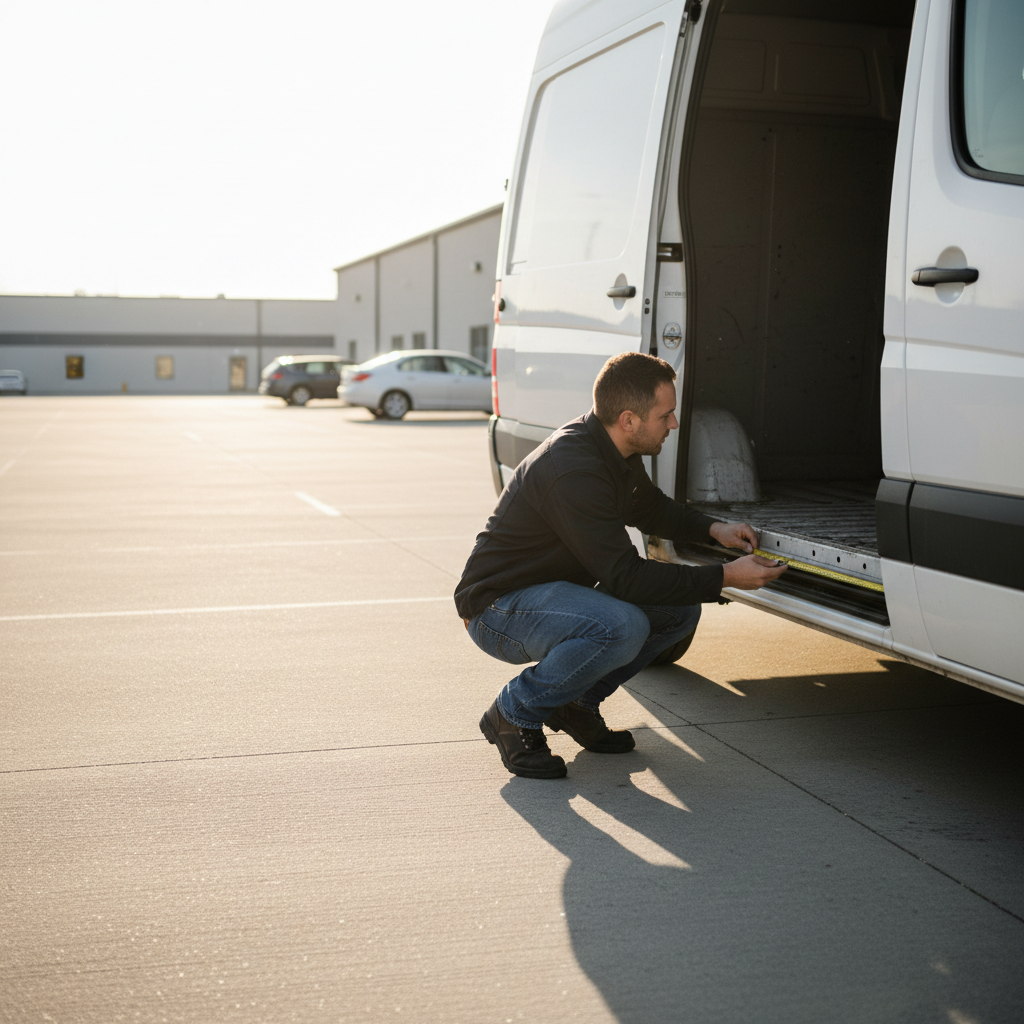

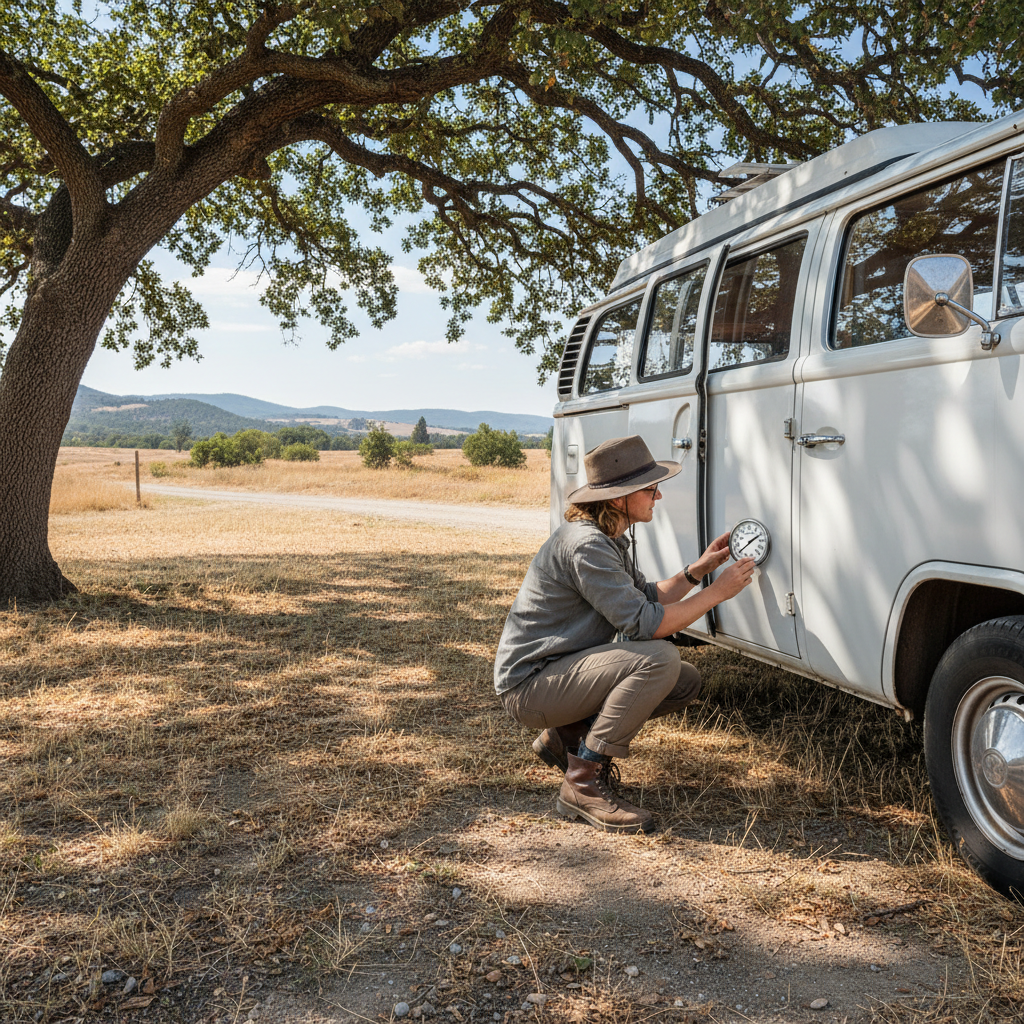


Van dwellers who camp through October and April will tell you to sort your heat source before you sort anything else, and there's a reason that advice comes first. A diesel heater for van camping sits at the center of a decision that looks simple until you price it out, check your fuel setup, and realize the answer turns entirely on how you actually use your rig.
The honest answer is that a diesel heater is worth it for shoulder-season van camping under a specific set of conditions, and genuinely not worth it under others. The variables that matter most are how many nights per year you camp in the 25 to 50°F range, whether your van already carries a diesel tank, and whether you're comparing it against a properly sized propane alternative. Miss any of those three and the math goes sideways.
This article focuses on shoulder-season use, roughly March through May and September through November in most of the continental US. It is not aimed at full-time van lifers who camp year-round in extreme cold, nor at weekend warriors who camp only in summer. If either of those describes you, the calculation shifts enough that the recommendation here may not apply.
Here's the tension worth sitting with before you spend $150 to $800: a diesel heater is the most fuel-efficient sustained-heat solution available for a van, but that efficiency only pays off if you're heating consistently. Occasional campers often find they've paid for a capability they rarely need.
How a Diesel Heater Actually Works in a Van
A diesel heater pulls fuel from a small dedicated tank or taps your vehicle's diesel supply, atomizes it, and burns it in a sealed combustion chamber. The exhaust exits outside the van through a small pipe, and a separate air circuit blows warm air into the living space. Because combustion is sealed, no carbon monoxide enters the cabin under normal operation, which is why the safety profile of a quality unit differs significantly from an open-flame propane setup.
The Webasto and Espar brands, both German manufacturers with decades of commercial vehicle history, pioneered this technology for the RV market. Chinese-made units sold under names like Vevor, Hcalory, and generic "Diesel Air Heater" branding use the same basic design at a fraction of the cost. Output typically ranges from about 1 to 5 kilowatts, which translates to roughly 3,400 to 17,000 BTU/hr. A well-insulated cargo van in shoulder-season temps needs somewhere in the 3,000 to 6,000 BTU/hr range to maintain a comfortable 65°F interior, so even the low end of a quality unit covers you.
Or rather: that BTU estimate assumes a meaningful insulation layer. An uninsulated metal van with single-pane windows bleeds heat faster than any heater can replace it efficiently. The heater is not a substitute for insulation; it works with it. Skipping van insulation and adding a diesel heater is roughly equivalent to heating your house with the front door open.
Fuel consumption at low output runs around 0.1 to 0.2 liters per hour, a practical heuristic based on manufacturer specs across multiple brands. At a national average diesel price near $4 per gallon, that's roughly $0.10 to $0.21 per hour of heat. Running eight hours overnight costs somewhere between $0.80 and $1.70. That figure is a derived estimate combining manufacturer consumption specs with current national averages, not a guaranteed operating cost.
The Real Cost: Purchase, Install, and Long-Term Operation
Chinese-made diesel heaters now sell on Amazon and through van-build suppliers for $150 to $350 for a complete kit including the fuel pump, controller, and mounting hardware. Name-brand Webasto and Espar units run $800 to $1,500 or more, with professional installation sometimes adding another $300 to $600. The performance gap between a properly installed Chinese unit and a name-brand one is narrower than the price gap suggests for shoulder-season use, though long-term reliability data favors the European brands in hard commercial use.
Installation in a standard cargo van takes four to six hours if you're comfortable drilling through your floor and fuel tank or running a dedicated auxiliary tank. The hardest part for most DIY builders is the fuel source decision. If you drive a diesel vehicle, tapping the main tank is straightforward. If you drive a gasoline-powered van (a Ford Transit with the EcoBoost, for example, or a Ram ProMaster with the gas V6), you need a separate diesel auxiliary tank, which adds $50 to $150 in materials and a meaningful chunk of install complexity.
That's a genuine cost most comparison guides skip. A gas-powered van with a Chinese diesel heater kit ends up costing $250 to $550 all-in for a competent DIY install. A gas van owner who needs to buy propane infrastructure (regulator, lines, certified connections, tank) for a comparable propane heater will spend a similar amount. The fuel cost difference over a shoulder season of roughly 30 to 40 nights is modest: diesel at the consumption rates above costs perhaps $30 to $65 for the season; propane in a comparable unit costs somewhat more per BTU but the difference over 40 nights is unlikely to exceed $25 to $40. Neither fuel source dominates on operating cost alone at shoulder-season frequency.
Where diesel heaters earn their price is in safety and simplicity over time. Propane requires attention to tank certification dates (DOT cylinders must be recertified every 10 years), leak testing, and carbon monoxide awareness. A sealed diesel combustion unit eliminates the open-flame variable entirely. For solo travelers who want a heat-it-and-forget-it system, that matters.
When a Diesel Heater Is the Right Call
Buy a diesel heater for shoulder-season van camping if you meet at least two of these three conditions: you camp 25 or more nights per year in the 25 to 50°F range, you drive a diesel vehicle and can tap the main tank, or you're building a permanent van setup where you want to minimize ongoing safety management. Hit all three and it's an easy yes.
The calculation also shifts if you're camping at altitude. At elevations above roughly 8,000 feet, propane combustion becomes less efficient and some catalytic heaters lose meaningful output. Diesel air heaters are less altitude-sensitive because the combustion chamber is pressurized and metered. If your shoulder-season plans include the Colorado Rockies, the Sierra Nevada, or similar high-elevation terrain, diesel moves up the list regardless of trip frequency.
Here's what happens if you skip it entirely: you either rely on sleeping bags rated well below ambient temperature and accept cold mornings, or you spend $80 to $200 on a portable propane solution (Mr. Heater Buddy being the most common) that works but requires cracking a window, careful carbon monoxide management, and tank swaps on longer trips. That's not a disaster. Plenty of shoulder-season campers run a Buddy heater for years without incident. But if you're camping in the dark at 6 AM and want a controlled, consistent temperature when you wake up, a diesel heater solves a problem the Buddy heater only partially addresses.
The reframe that changes how most people think about this decision: a diesel heater is not primarily a warmth purchase, it's a sleep quality and autonomy purchase. Once you've slept through a 30°F night with a thermostat-controlled unit holding the van at 62°F, the comparison to a portable propane bottle feels dated.
When a Diesel Heater Is the Wrong Call
If you camp fewer than 15 nights per year in cold weather, the math doesn't recover. At $0.80 to $1.70 per overnight heating session, you'd need roughly 150 to 300 nights to recoup a $250 all-in install cost through fuel savings over a Buddy heater setup, and that ignores the upfront propane infrastructure cost. For occasional campers, the capital outlay simply doesn't earn back.
Renters or people in transition who don't own their van yet should wait. Installing a diesel heater involves permanent modifications: floor penetrations, fuel line routing, and wiring. If you're still deciding on a long-term vehicle or living in a rental conversion, a portable propane heater or a high-quality sleeping bag system is the smarter hold until you've committed to a rig.
Budget builders under $300 total for the heating system face a real constraint too. A Chinese diesel kit at the lower end of the price range requires careful quality checking (fuel pump seals and the glow plug are the common failure points) and enough electrical capacity to run the controller and fan, typically 10 to 12 amps at startup. If your van's electrical system is a single 100Ah battery with no solar, adding a diesel heater strains that setup on cloudy days. Size the electrical system first.
Diesel vs. Propane: A Direct Comparison
The two realistic choices for shoulder-season van heating in the US come down to a diesel air heater and a propane forced-air or catalytic heater. Here's how they compare across the factors that actually matter for a 30- to 60-night shoulder season.
| Factor | Diesel Air Heater | Propane Heater |
|---|---|---|
| Upfront cost (DIY) | $150 to $550 | $80 to $300 |
| Fuel cost per overnight (8 hrs) | $0.80 to $1.70 | $1.20 to $2.50 (estimated) |
| CO risk in cabin | Minimal (sealed combustion) | Moderate (requires ventilation) |
| Altitude performance above 8,000 ft | Consistent | Reduced output |
| Permanent install required | Yes | No (portable units) |
| Thermostat control | Yes (most units) | Limited (manual on most) |
| Maintenance complexity | Moderate (glow plug, fuel filter) | Low (tank swap, regulator check) |
Propane wins on upfront cost and portability. Diesel wins on overnight safety management and thermostat control. For a permanent build used 25 or more nights per shoulder season, diesel's operational advantages compound. For a flexible or first-time setup, propane's lower barrier to entry is legitimate.
I'd start with propane if you're new to van camping and unsure of your cold-weather frequency. Run a shoulder season with a Buddy heater, track how many nights you actually use it, and let that number drive the diesel decision the following year.
What to Check Before You Buy
Before ordering a diesel heater kit, confirm four things: your van's fuel type (diesel tap vs. auxiliary tank decision), your battery bank capacity (a minimum practical heuristic is 100Ah usable lithium or 200Ah usable AGM to handle overnight draw without depletion), your insulation R-value (even a basic 2-inch polyiso layer in the walls makes a measurable difference in required heater output), and whether your planned camping regions include high-altitude destinations that would tip the comparison further toward diesel.
The most common mistake is buying the heater before sorting the electrical system. A diesel heater controller pulling 10 to 12 amps at startup on a depleted 12V system will fault out and leave you colder than if you'd brought an extra blanket. Buyers who skip the electrical sizing step are the ones leaving one-star reviews about units that "stopped working."
For brand guidance: Webasto's Air Top series and Espar's Airtronic line are the benchmark for reliability and are used in commercial trucks and ambulances across the US. Among Chinese units, Vevor and Hcalory have larger user communities and parts availability than no-name alternatives, which matters when a glow plug fails at a trailhead in November. That's not an endorsement of any specific product, but parts availability is a practical constraint worth weighing.