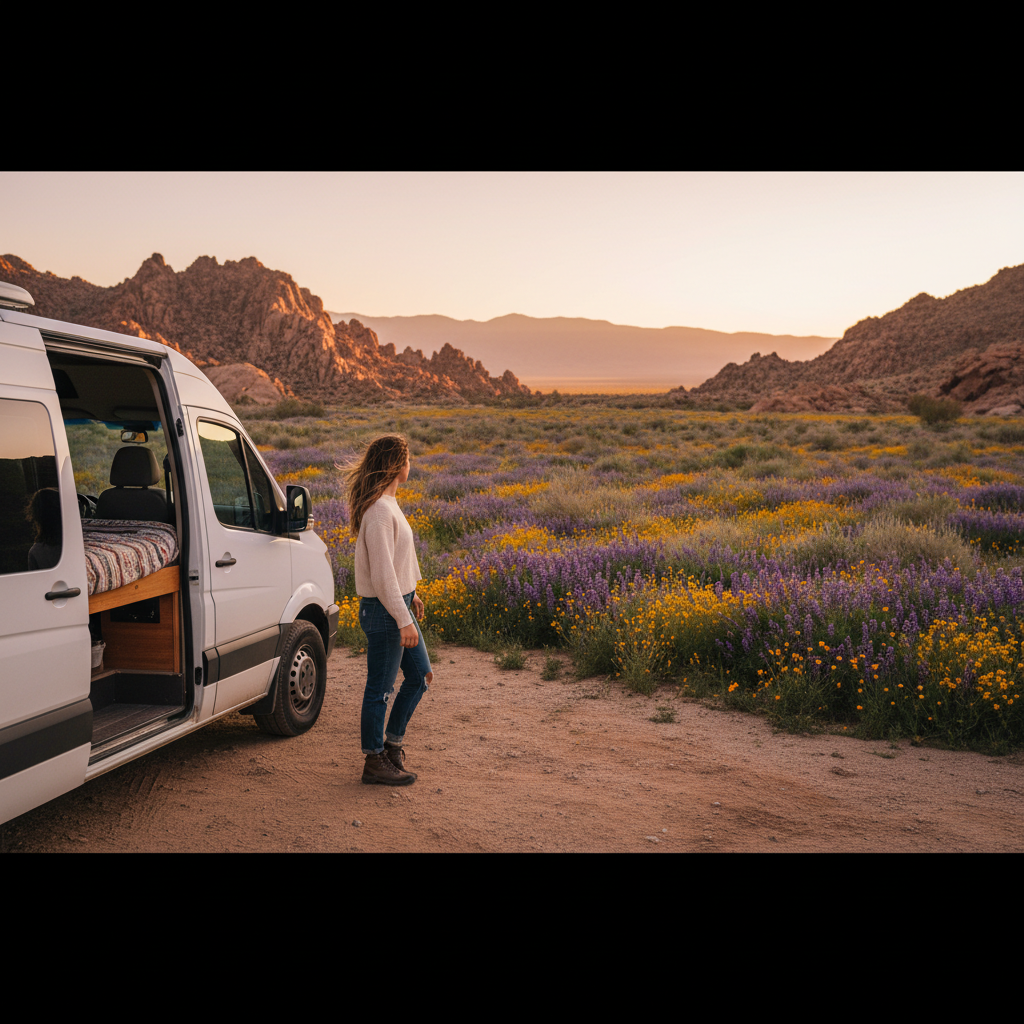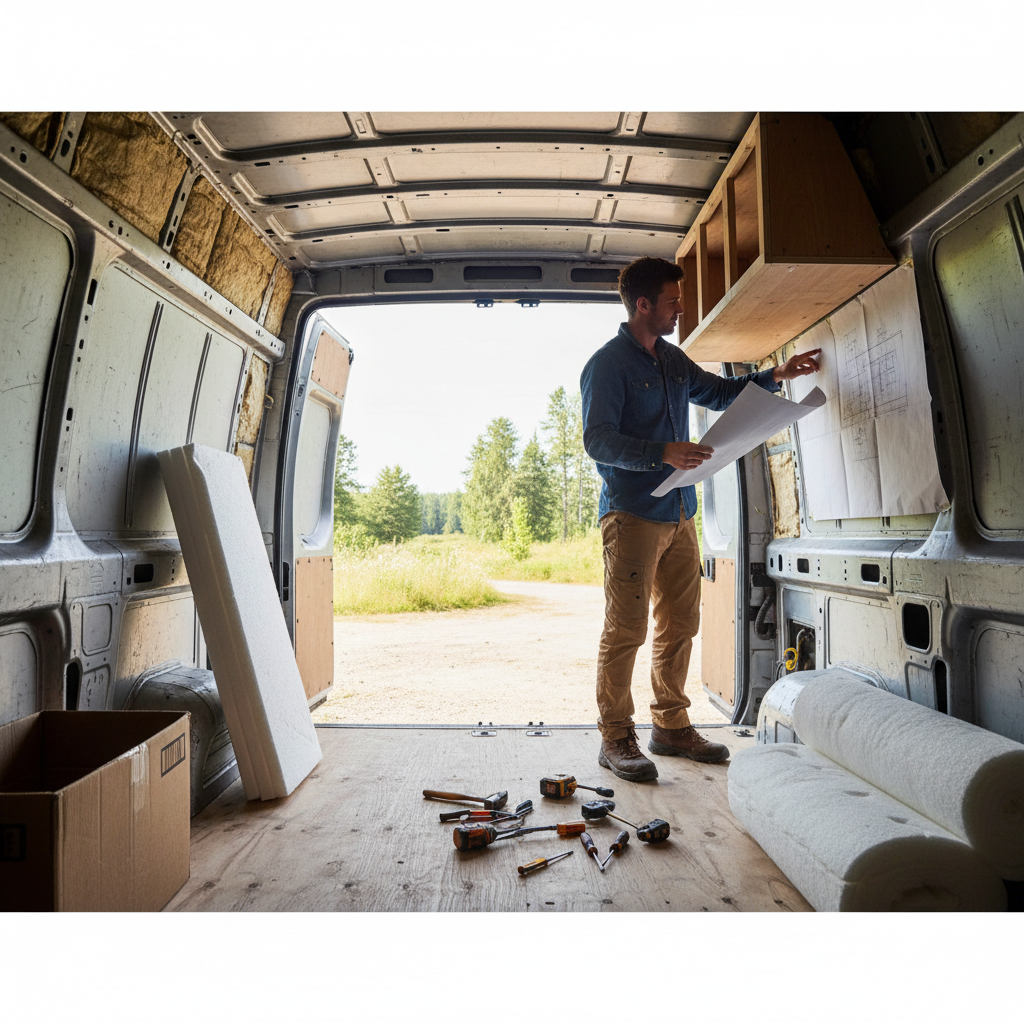
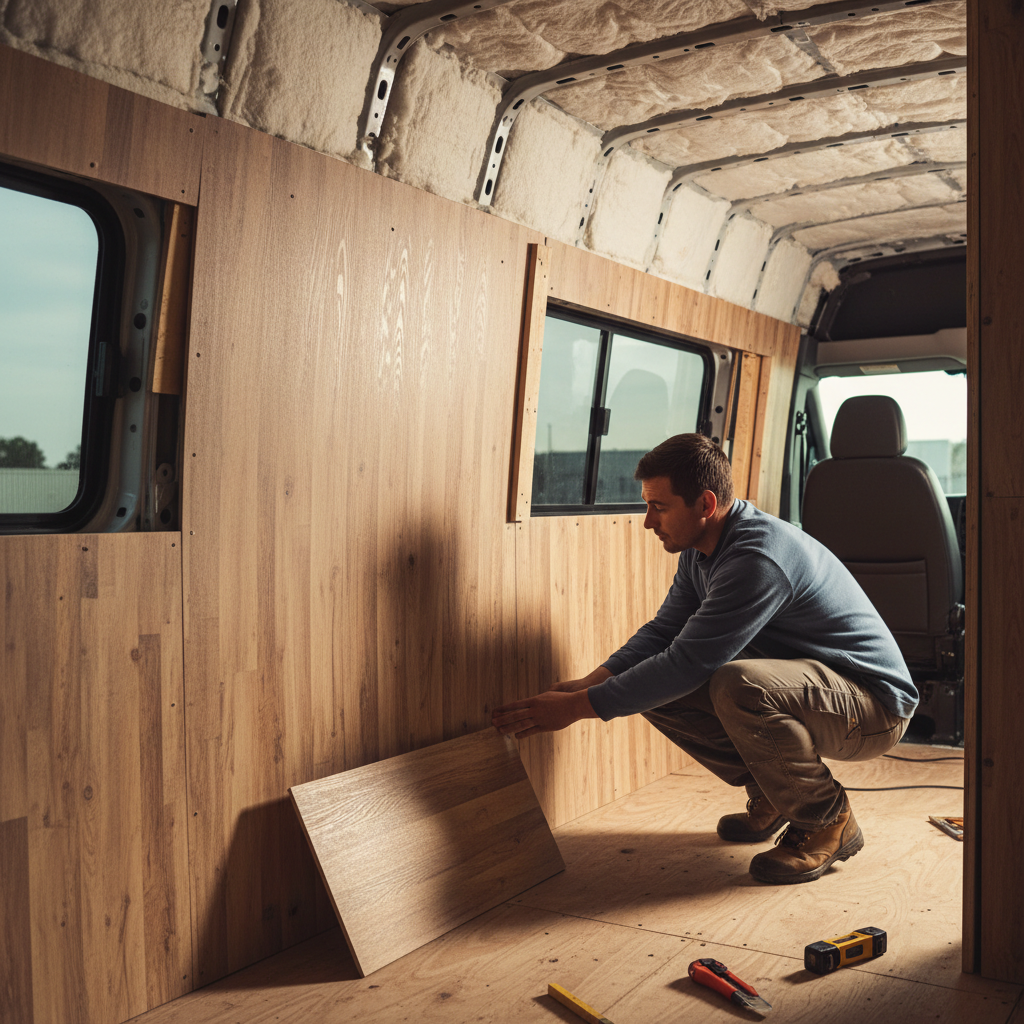
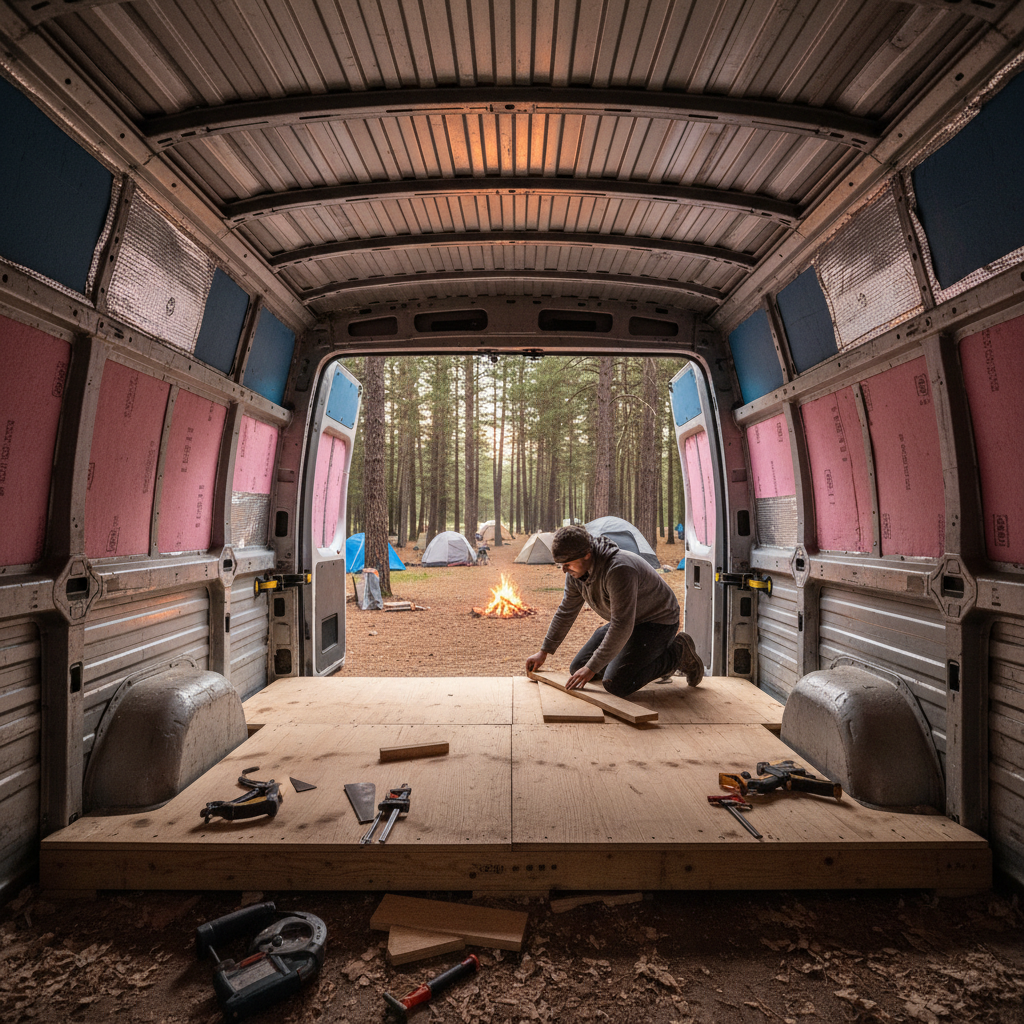
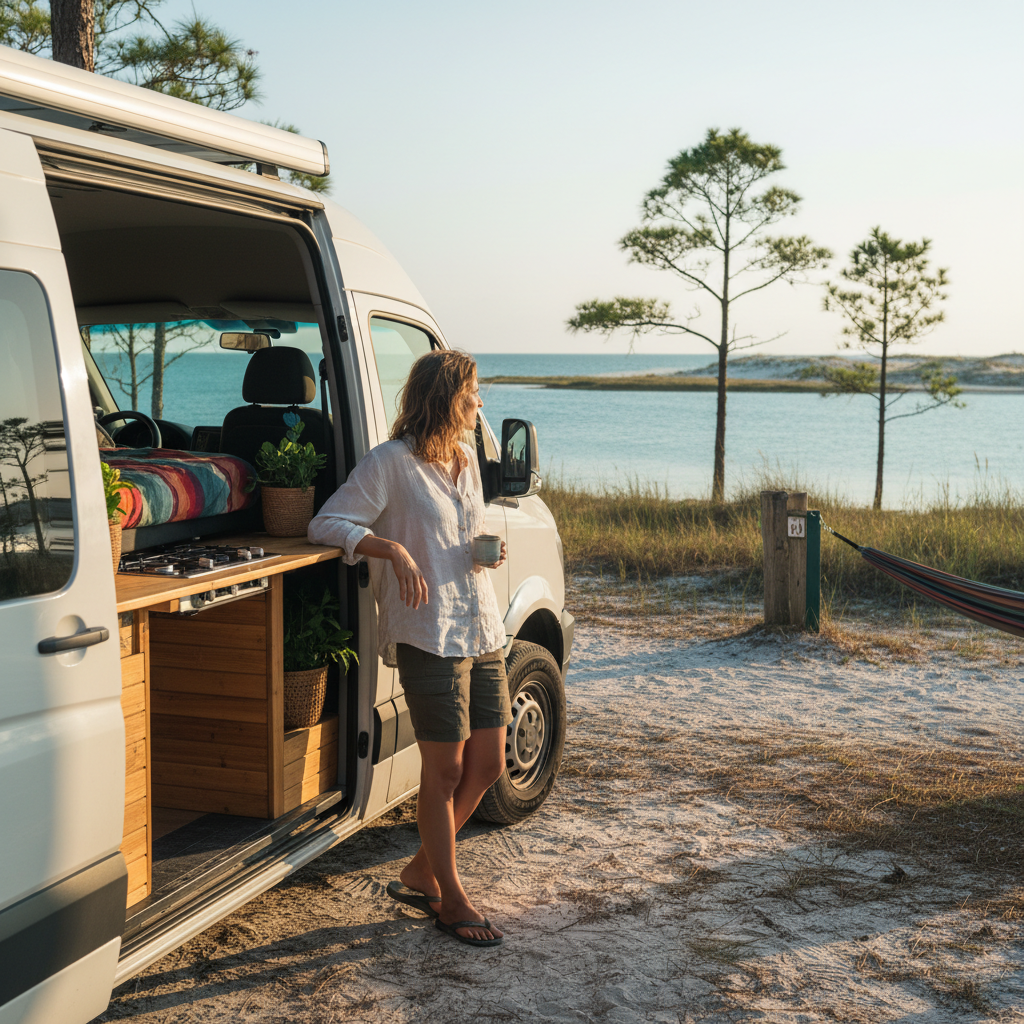
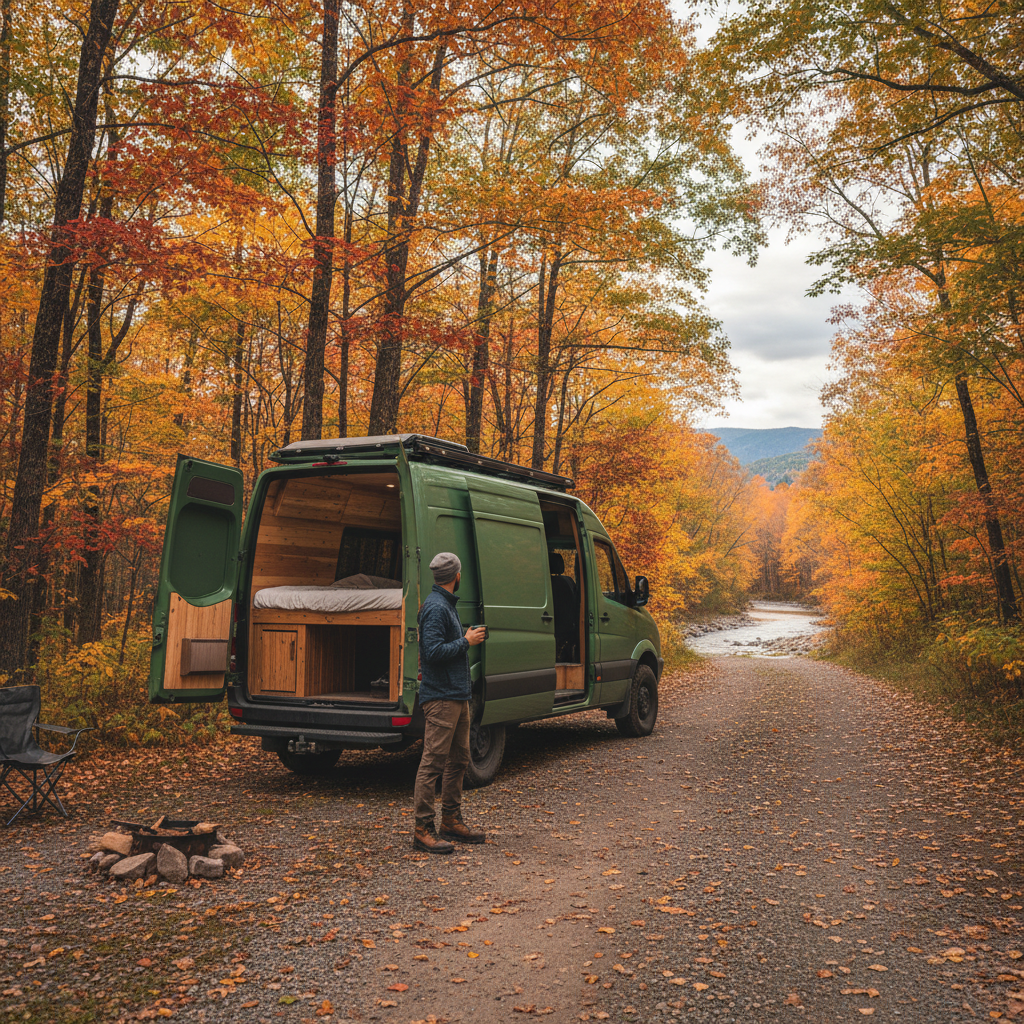
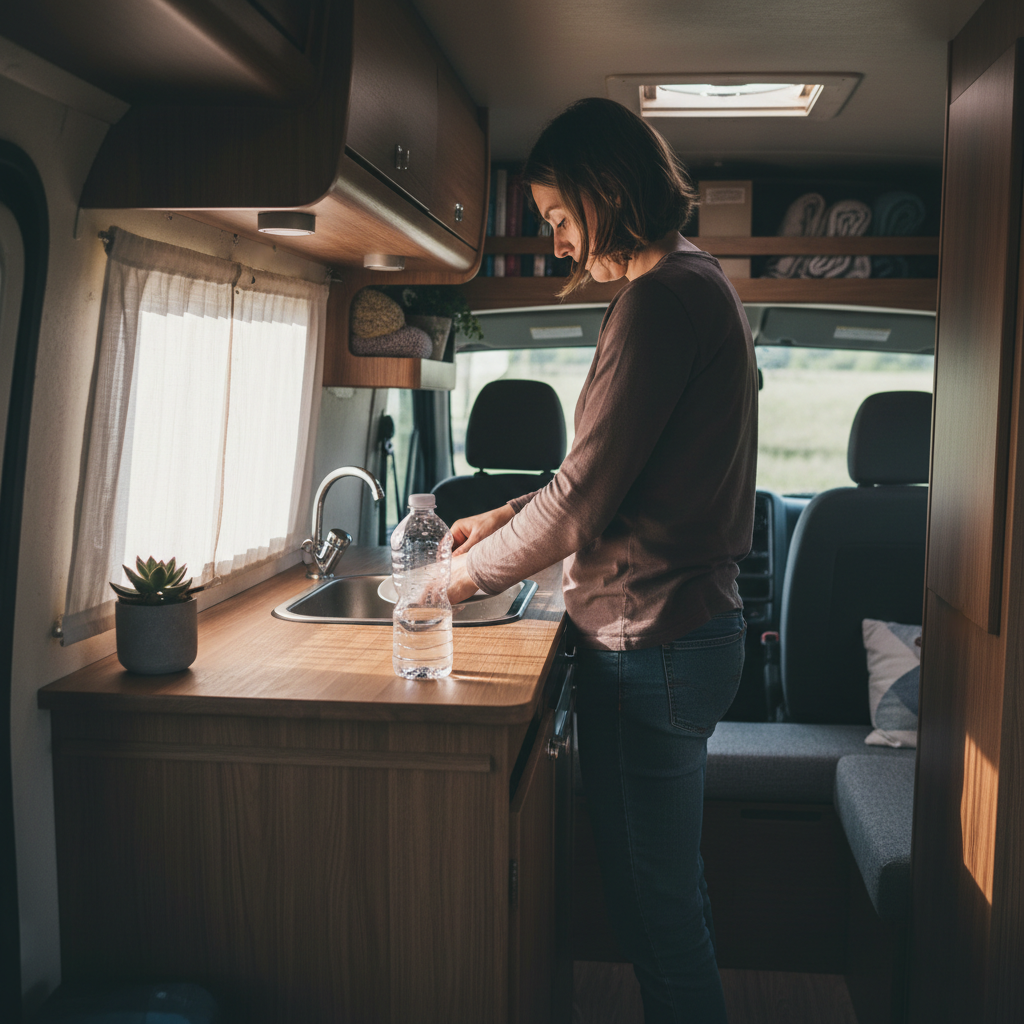
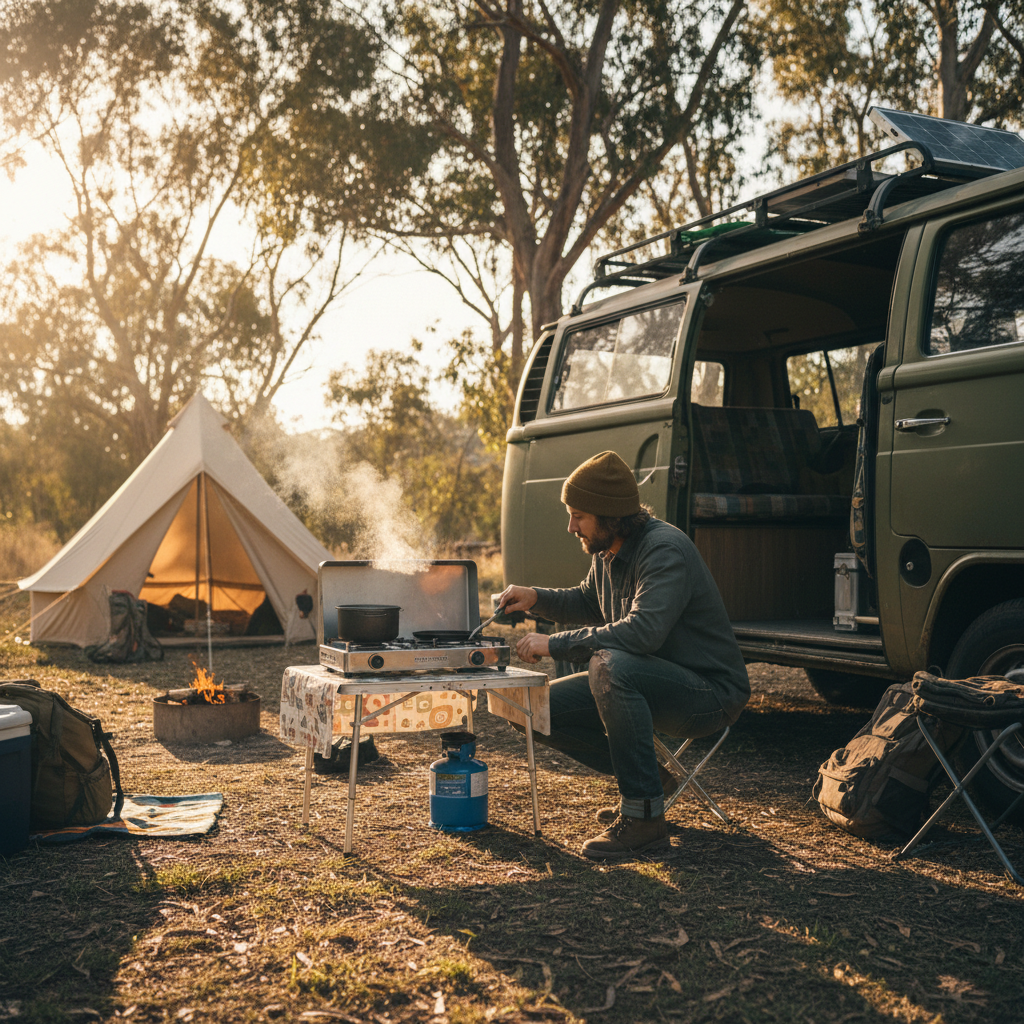

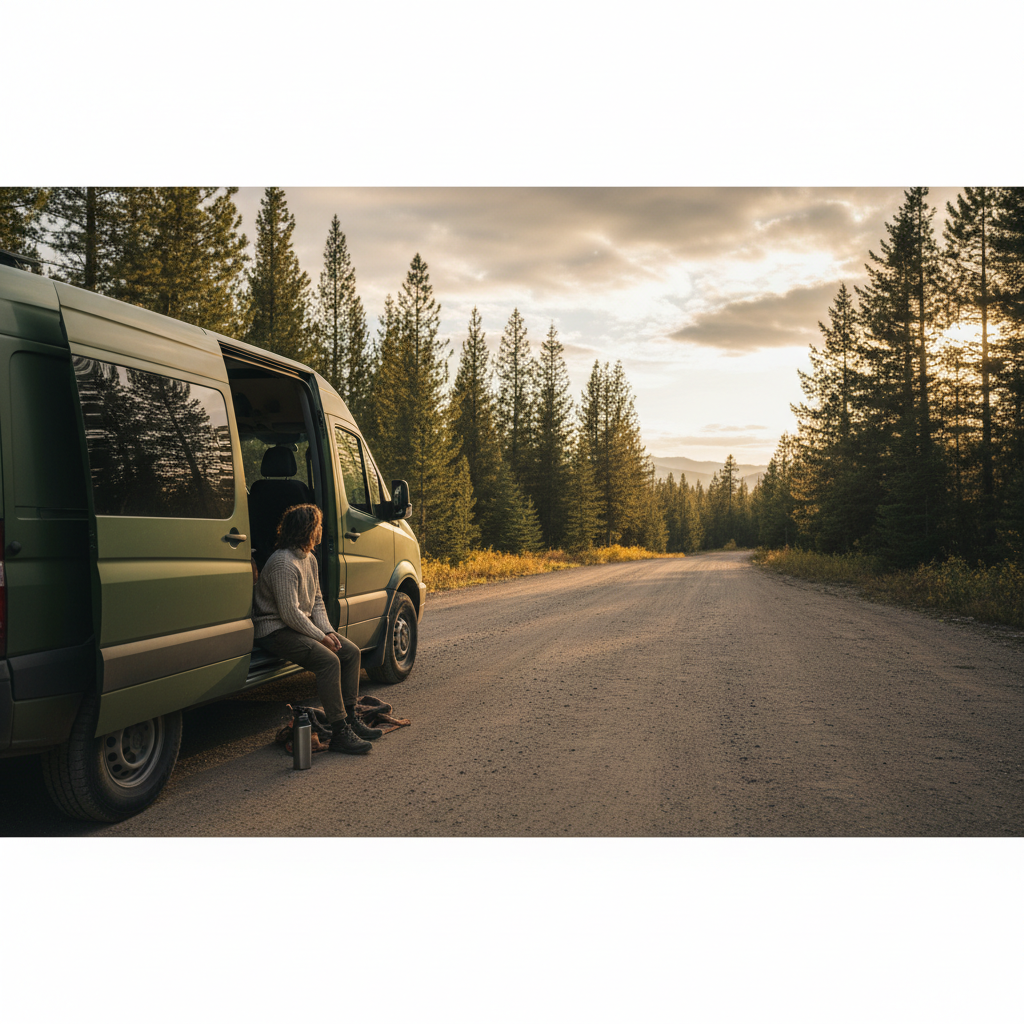
Weekend van trips live or die on one number: drive time. Push past two and a half hours each way and you're spending half your trip behind the wheel, which turns a getaway into a commute with camping attached. That's the threshold experienced van travelers almost always land on, and it's worth building your entire two-day van trip around it before you think about anything else.
The problem is that most people plan in the wrong order. They pick a destination first, a campsite second, and then realize on Friday afternoon that their van's water supply lasts 18 hours, their sleeping platform isn't level enough for the site they've booked, and they've picked a dispersed camping area that requires a high-clearance vehicle they don't have. The frustration of a poorly planned van weekend is real, and it's almost always preventable.
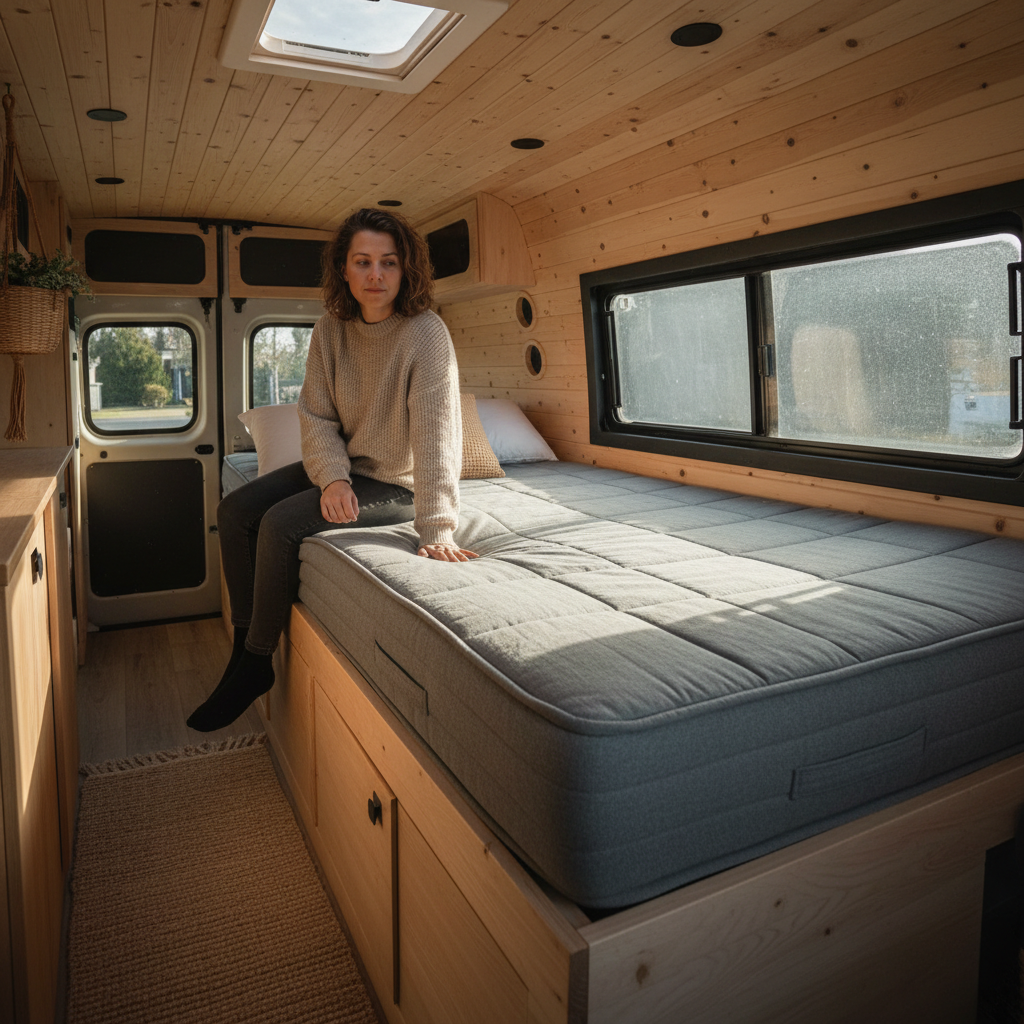
Two variables separate a great trip from an exhausting one: whether your rig matches the terrain and whether you've solved sleep before you leave. Everything else, food, route, activities, adjusts on the road. Sleep and vehicle suitability don't.
Start With Drive Time, Not Destination
Draw a radius on a map before you open a single travel blog. From most major US cities, a 150-mile radius covers a remarkable range of terrain, and 150 miles at highway speeds is roughly two to two and a half hours of driving. That's your outer edge. Stay inside it and you'll arrive with enough daylight on day one to actually do something.
The math is simple but people skip it. If you leave a city like Denver, Atlanta, or Portland at 5 PM on Friday, a 200-mile drive puts you at your destination around 8:30 PM after traffic. That's not a van trip. That's a late arrival with a headlamp and a camp stove. Keep it under 150 miles and you're setting up in daylight, which matters far more than most pre-trip guides admit.
Or rather: the drive time calculation isn't just about comfort. It determines whether you have a day one experience at all. A two-day trip with a three-hour drive each way gives you roughly 30 hours of usable time after you subtract sleep. Shorten the drive to 90 minutes and you recover almost three additional hours of daylight on day one. That's a full hike, a lake swim, or an afternoon at a market that simply doesn't exist if you pushed the radius too far.
Once you've drawn the radius, identify two or three geographic zones rather than specific sites. From Chicago, that might mean the Shawnee Hills, the Dunes area near Michigan City, or the coulees of southwestern Wisconsin. From Los Angeles, it's the Eastern Sierra foothills, the high desert around Joshua Tree, or the coast south of Big Sur. Zones give you flexibility; specific destinations don't.
Match Your Van to the Terrain Before You Commit
This is where plans collapse. A standard cargo van with street tires and a low-clearance conversion is not the same vehicle as a high-roof 4x4 Sprinter, and treating them the same way when picking a campsite is the most common mistake beginners make. Before you book anything, answer four questions: clearance, traction, water capacity, and power.
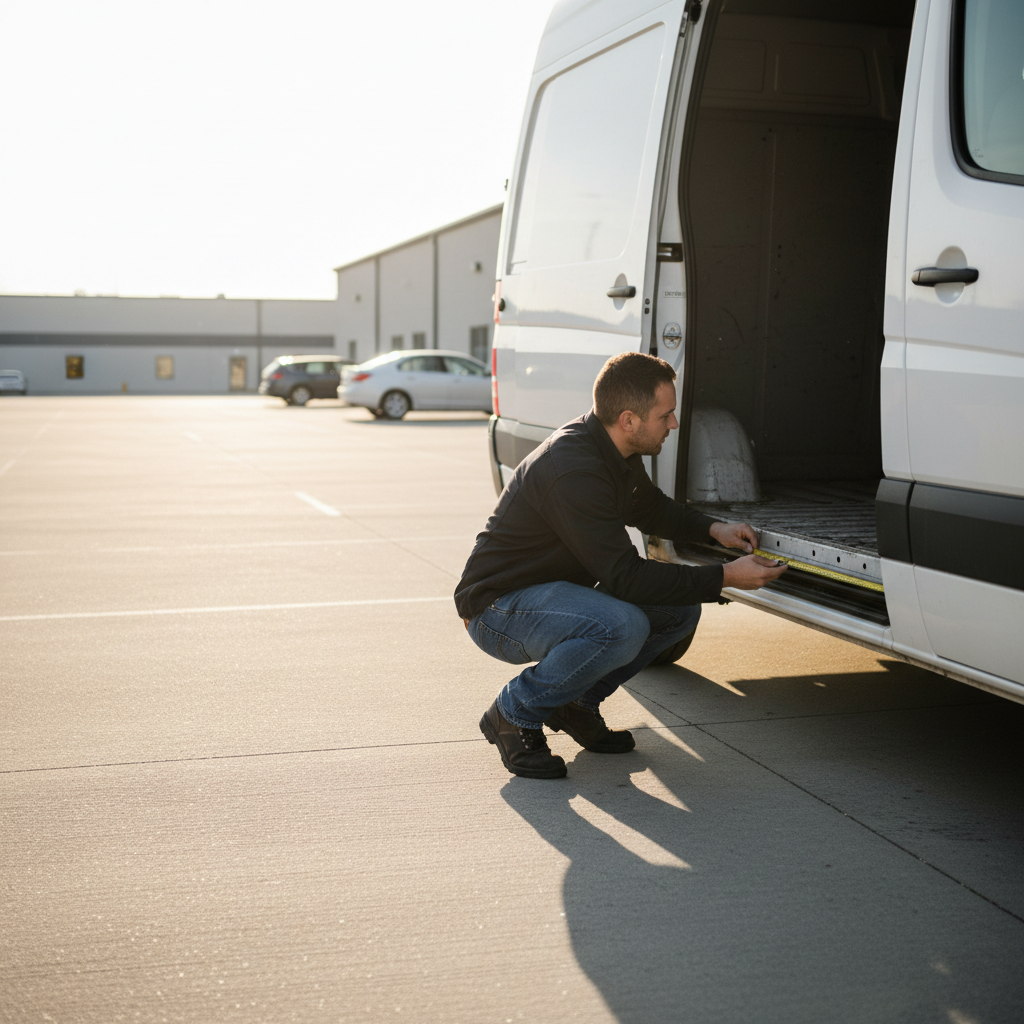
Clearance matters because dispersed camping on Forest Service roads, the cheapest and most flexible option near most US cities, often requires eight inches or more of ground clearance. A standard Transit or Promaster with an unlevel road and a low front bumper will ground out. Check your vehicle's published clearance and compare it against the road condition notes on the specific site listing on Recreation.gov or in the relevant National Forest Motor Vehicle Use Map, which the US Forest Service publishes for each ranger district. Those maps are free, specific, and almost never referenced in weekend trip guides.
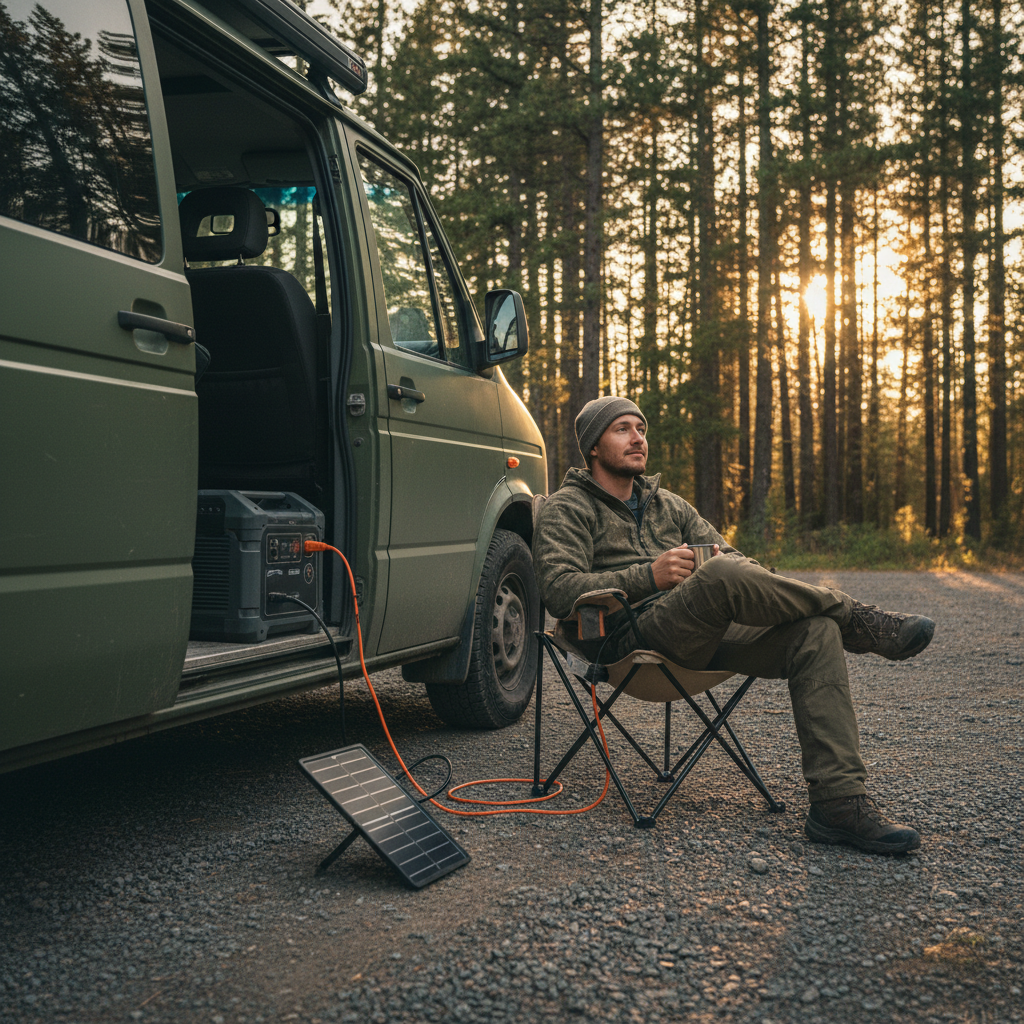
Water capacity and power define your comfort ceiling. A 20-gallon fresh water tank lasts one person roughly two days at moderate use, handwashing, cooking, brief rinse. Two people burn through it in about 30 hours. If your van holds less than that and you're camping without hookups, which most dispersed and primitive sites require, plan your water resupply point before you leave. Most small towns within the 150-mile radius have a gas station or hardware store with a fill station. Call ahead; don't assume.
And if your solar setup is undersized, running a compressor fridge and phone charging overnight can drop a 100Ah lithium battery to 20 percent by morning. That's not a disaster, but it means no coffee from an electric kettle and a warm fridge by day two. Know your draw before you go.
What this article won't cover: RV park hookup trips or towed-trailer weekends. The planning logic differs enough that folding them in would obscure the decisions that actually matter for van-specific travel.
Campsite Selection and the Permit Problem
Campsite availability near major US cities has tightened considerably since 2020. Recreation.gov reservations for popular sites within 150 miles of cities like Seattle, Denver, or San Francisco now open six months in advance and fill within hours. If you haven't reserved by the time you're reading this a week before your trip, you have two realistic options: dispersed camping on National Forest or BLM land, or weeknight travel.
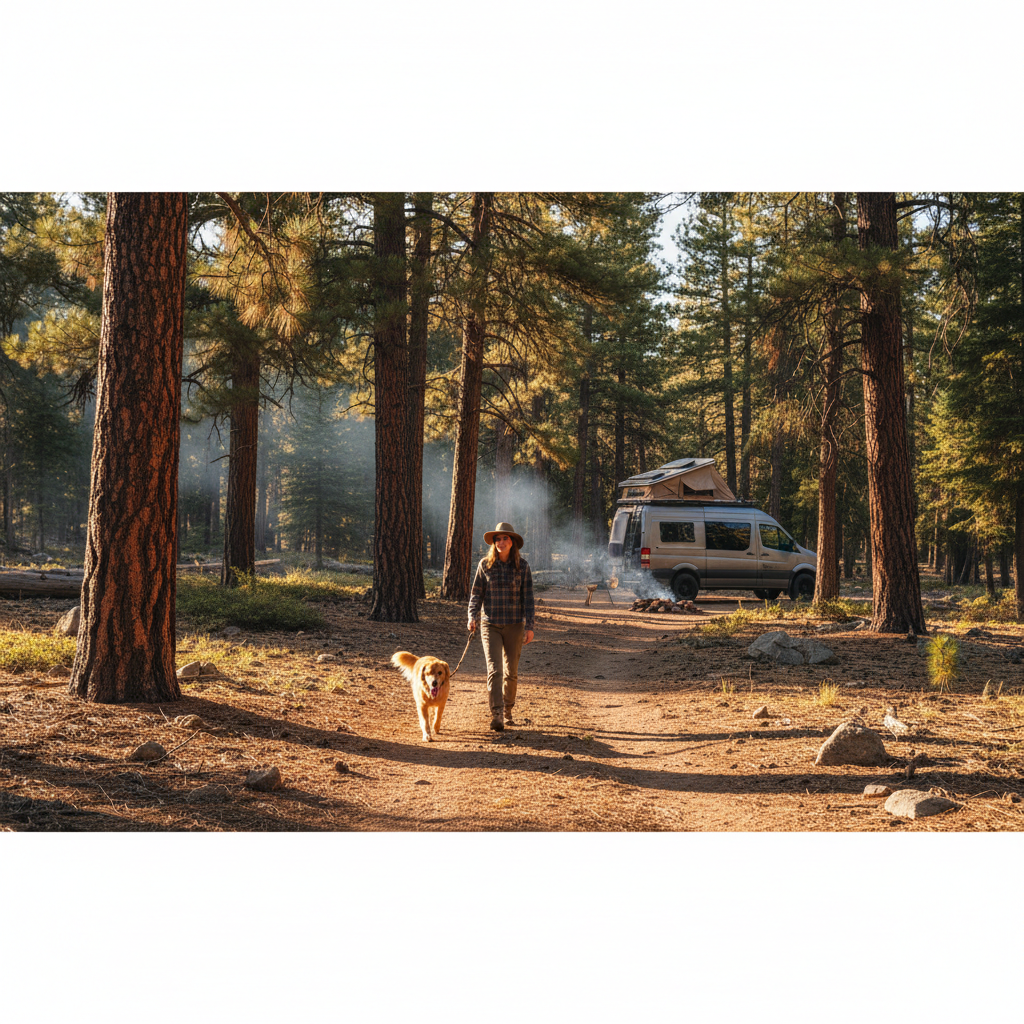
Dispersed camping on BLM and National Forest land is free and requires no reservation in most cases, but it's not without rules. A common guideline used by most Forest Service districts is a 14-day stay limit, with a requirement to camp at least 200 feet from water sources, trails, and roads. Individual ranger districts can impose additional restrictions, including seasonal fire closures that vary year to year. Check the specific ranger district website, not a third-party camping app, before you go. Apps are often months out of date on closure information.
The weeknight angle is underused. Leaving Thursday evening instead of Friday cuts campsite competition dramatically. If your job allows it, this single shift changes the trip more than any gear upgrade. You arrive before the weekend crowd, have your pick of dispersed sites, and leave Sunday ahead of the return traffic surge. Most people can't do this, but it's worth naming as the option that changes everything if the calendar allows.
One genuinely useful tool that most trip guides skip: the Motor Vehicle Use Map for whichever National Forest sits within your radius. Download it from the relevant ranger district page before you lose cell signal. It shows exactly which roads are open to motor vehicles, which are closed seasonally, and which require high clearance. It's the difference between a confident backroads drive and a 40-point turnaround on a narrow track.
Building the Two-Day Itinerary Without Overpacking It
The best two-day van itineraries have fewer planned activities than you think you need. Here's the practical rule: plan one anchor activity per day, not three. Anchor activities are commitments with a fixed location and, ideally, a fixed time: a trailhead with a permit window, a kayak rental that opens at 8 AM, a farmers market that runs until noon. Everything else fills in around them.
Day one is for arrival and settling. Even with a 90-minute drive, setup takes longer than expected. Leveling the van, organizing the interior, cooking a real meal instead of snacks: budget 90 minutes for this. Plan your day-one anchor activity for the morning of day two, not day one evening. Fighting fatigue after a work week to set up camp and then hit a trail is a recipe for a mediocre experience of a place that deserved better.
Day two front-loads the experience. Wake early, do your anchor activity while energy is high, eat lunch somewhere worth eating, and start your drive back by early-to-mid afternoon. That framing, anchor in the morning, drive back before traffic peaks, is what separates a trip that felt complete from one that felt rushed.
Buyers of detailed itineraries from travel blogs often skip this framework and instead book every hour. What you'll notice when you compare those trips to looser, anchor-only plans is that the structured ones generate more stress and rarely get fully executed. Something always takes longer: the trail, the coffee stop, the conversation with a ranger. Build in space and the trip gets better, not worse.
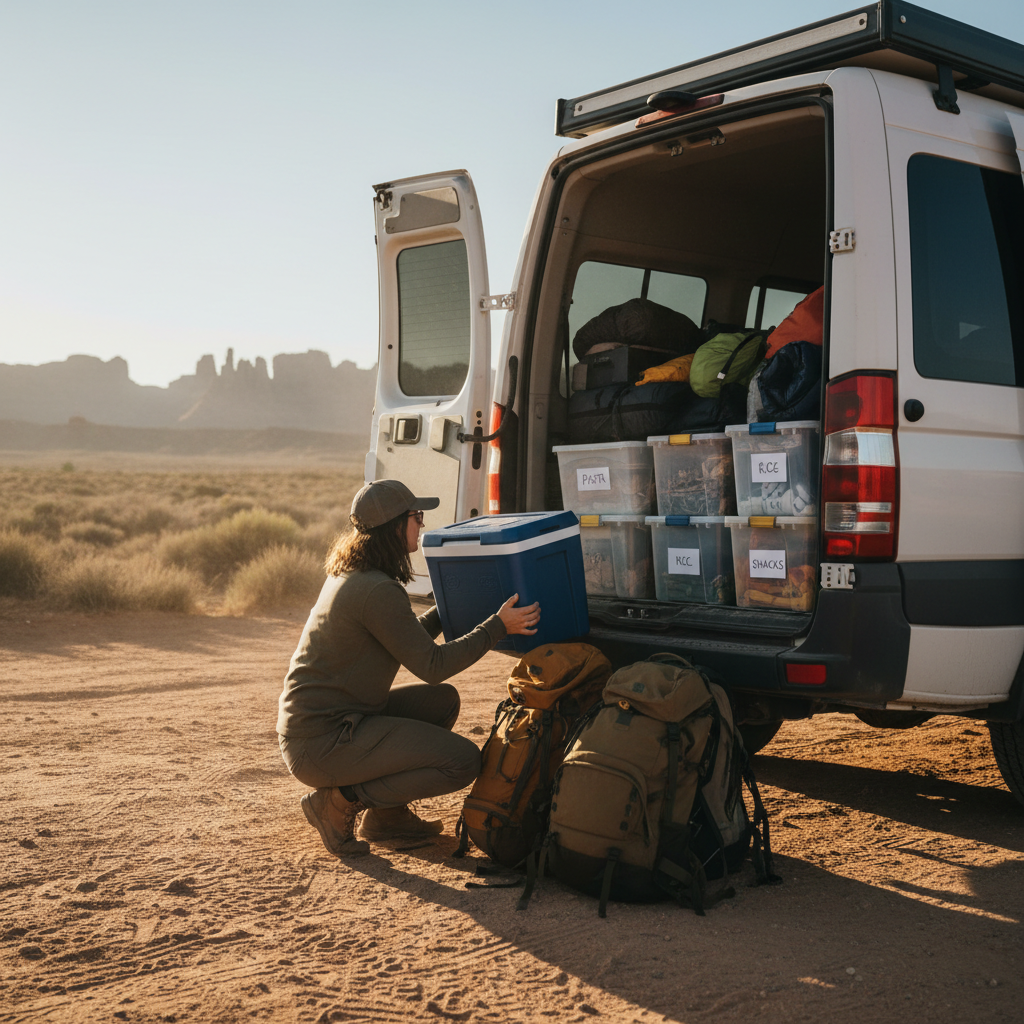
Pack food for six meals: two dinners, two breakfasts, two lunches. Not more. Overpacking food is the most reliable way to overcrowd a van that's already carrying bedding, gear, and water. If you're traveling with one other person, agree on the meal plan before departure. Cooking in a van is satisfying; negotiating meal preferences at 7 PM after a hike is not.
When the Plan Should Change or When Van Travel Isn't the Right Call
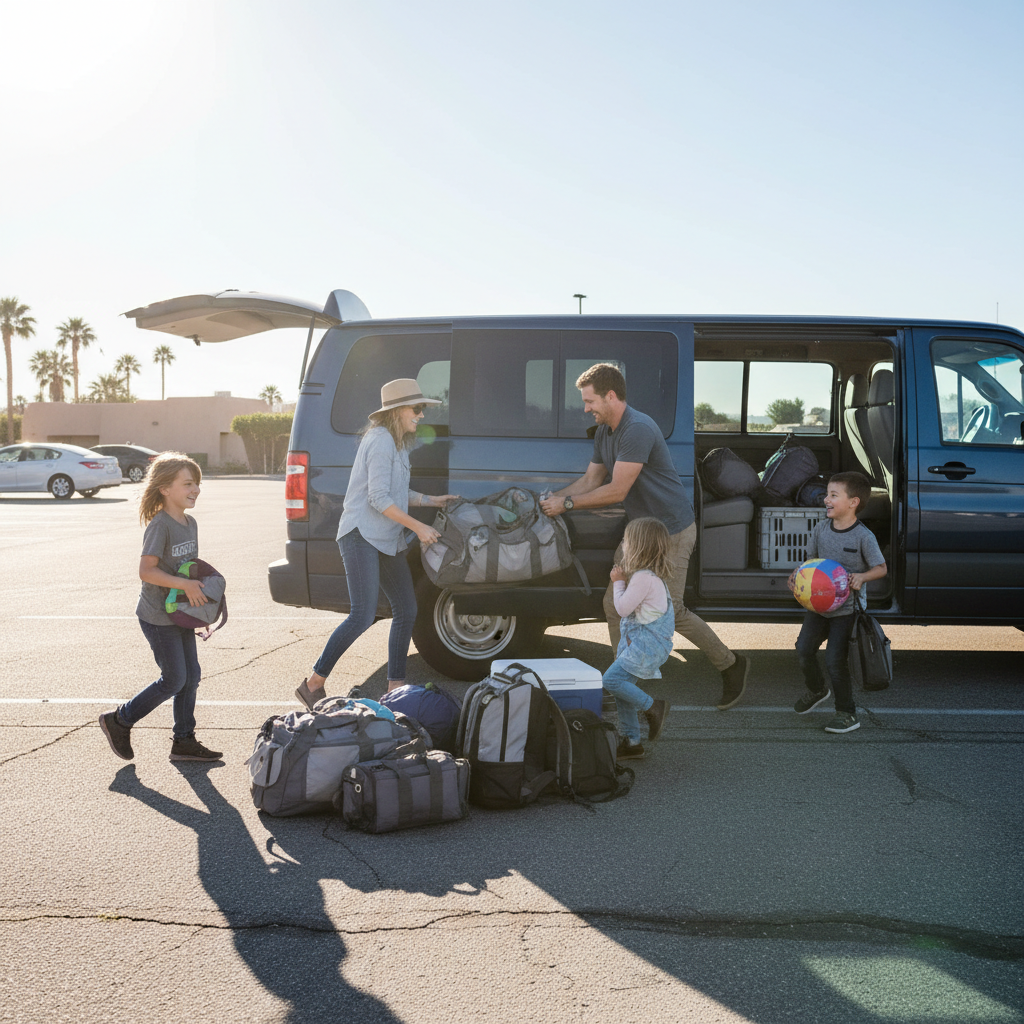
Van travel to dispersed sites weakens fast under a few specific conditions. If you're traveling with more than two adults, the sleep math gets hard. Most van conversions sleep two comfortably; a third person on a camp cot beside the van is a workable compromise in dry weather, but it turns a cold or rainy forecast into a genuinely uncomfortable situation. The van isn't a tent. You can't easily expand it.
Weather is the other limiter. A van with no hookups in sustained rain loses its casual outdoor appeal and becomes a metal box with condensation issues. If the forecast shows more than one day of heavy rain, consider whether the trip is worth it. A well-built four-season van can handle rain; a basic cargo conversion with poor vapor barrier installation will have wet gear by morning two. Know which you have.
And if you skip the vehicle-terrain matching step entirely and drive a low-clearance van onto a rough Forest Service road? You're looking at a potential bent rim, a scraped underbody, or a situation where you can't turn around. That's not a minor inconvenience. It's a tow bill and a ruined weekend. The check takes ten minutes before you leave. Do it.
The Gear List That Actually Fits a Weekend
A two-day van trip from a city doesn't need a full overlanding kit. It needs a tight list that covers the actual gaps: sleep, food, water, power, and safety. Everything else is weight you're carrying for no reason.
| Category | Minimum for 2-Day Trip | Skip for 2 Days |
|---|---|---|
| Sleep | Platform or inflatable mattress, sleeping bag rated to forecast low | Multiple blanket layers, pillow sets |
| Water | 5-gallon jug minimum if no onboard tank, or filled onboard tank | Full water filtration system for dispersed camping near lakes |
| Power | Battery bank for phones, solar if fridge is running | Generator (noise, weight, fuel logistics) |
| Food & Cook | Single-burner propane stove, cooler or 12V fridge, six meals prepped | Full cast-iron set, full spice rack |
| Safety | First aid kit, paper map of area, offline GPS app loaded | Satellite communicator (useful but not required for 150-mile urban radius trips) |
| Navigation | Downloaded offline maps (Gaia GPS or similar), Motor Vehicle Use Map | Relying solely on cellular data |
The "skip" column matters as much as the essentials. A two-day radius trip near a major city isn't the backcountry. You're likely within cell range of at least partial coverage for most of the trip, within an hour of a town with a hardware store, and not deep enough into wilderness to need expedition-level redundancy. Bringing it anyway just means a heavier van and more time loading and unloading.
I'd start your gear shakedown by laying everything out flat on the floor before loading. If you can't see a clear use case for an item on this specific trip, it stays home. That discipline compounds: a lighter van parks easier, handles better on rough roads, and gives you more usable space inside.
Putting the Trip Together
If you're leaving this weekend, do three things before anything else: set the drive-time limit at 150 miles, confirm your van's clearance against the road type at your target zone, and check the relevant ranger district site for any current closures. Those three checks take less than 20 minutes combined and they prevent the failure modes that ruin most first-time van weekends.
If your situation is more flexible, say you're planning three weeks out, the order shifts slightly. Reserve a developed campsite on Recreation.gov if you want hookups or a guaranteed spot near a popular destination, or identify a BLM or National Forest dispersed zone as your target and download the Motor Vehicle Use Map now while you remember. Then build backward from your anchor activity on day two morning.
If you're not sure whether your van is ready for this, that uncertainty is information. A vehicle you're not confident in on a rough road is a stressor that follows you for the whole trip. A short shakedown night in a developed campground closer to home, even 30 miles out, tells you more about your rig's readiness than any checklist.