




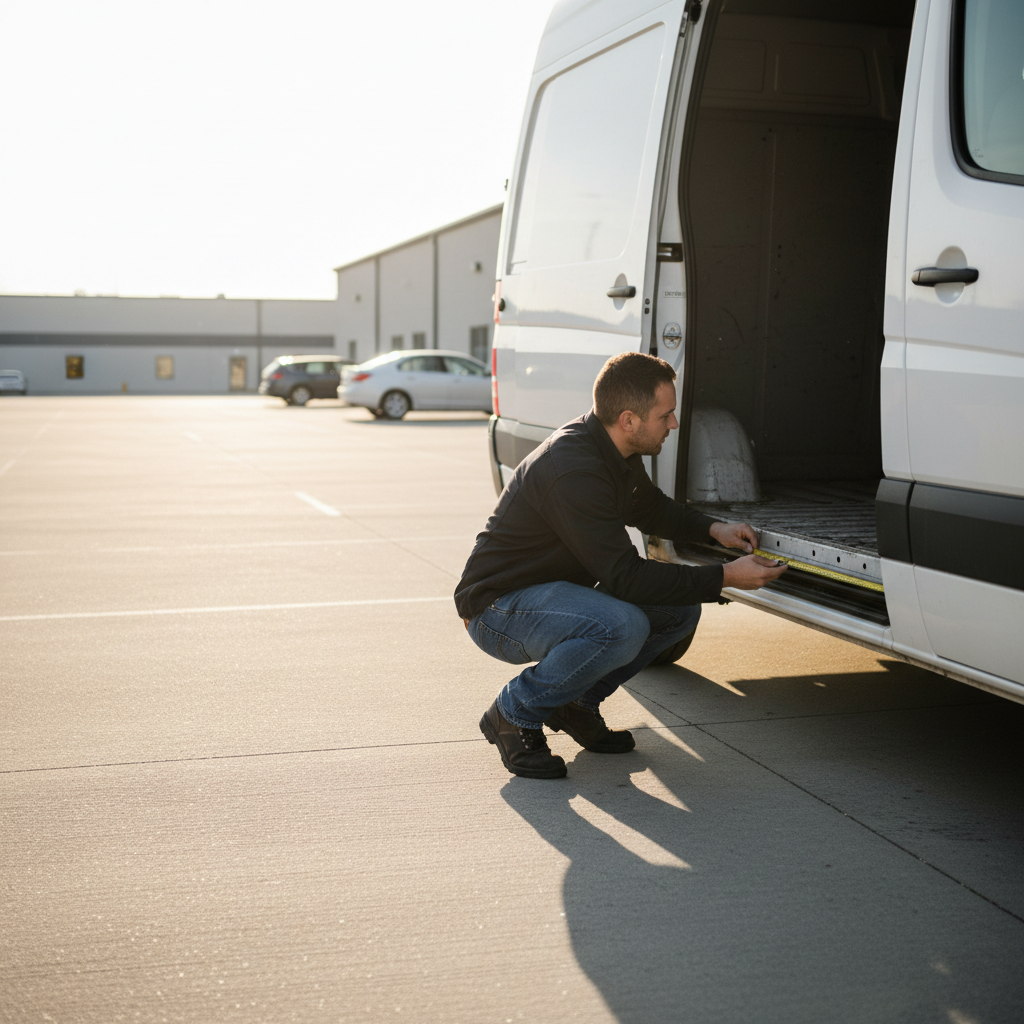



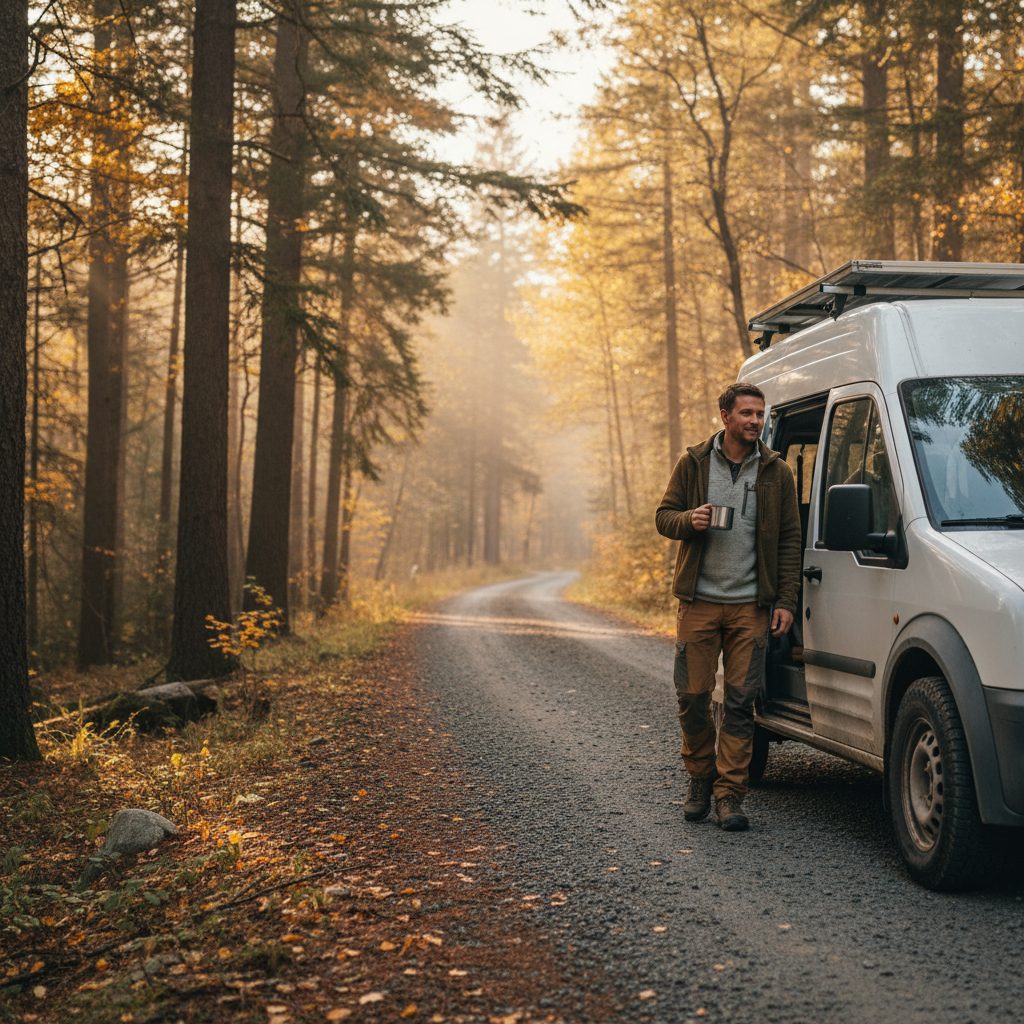
Rental agents at any RV company will steer you toward payload capacity before they touch floor plans, and there's a reason for that. The camper van category spans everything from a converted Ford Transit you can park in a standard city spot to a Class C motorhome that needs 35 feet of clearance and a site with full hookups. For a first-time weekend camper, that range is less liberating than it sounds.
The decision turns on three variables that most buyer guides wave past: your realistic driving experience with long vehicles, the campsite types you'll actually use, and whether you want to own or rent while you're still learning what you hate. Van size, bed layout, and brand comparisons matter, but they're secondary to those three.
Here's the tension nobody surfaces early enough: the van that feels most capable on a spec sheet is often the worst starting point. A 25-foot Class C gives you a real kitchen and a real bed, but if you've never driven anything longer than a pickup truck, the first tight campground loop will teach you something expensive about your mirrors. Getting the size wrong on trip one has a way of ending the hobby before it begins.
Why Van Type Matters More Than Features
First-time campers almost always shop features first: does it have a stove, a toilet, a real mattress? That's the wrong starting point. The features you'll use depend entirely on where you're camping, and where you can camp depends on the van's size. Lock in the right size category first, then filter for features.
There are three types that realistically belong in a first-timer's conversation: Class B motorhomes (full van conversions, typically 19 to 24 feet), Class B+ units (slightly extended van chassis, 22 to 28 feet), and small Class C motorhomes built on a cutaway van chassis, usually 22 to 28 feet as well. Class A coaches and fifth wheels are categorically out of scope here. If you're reading a first-timer's guide and someone recommends a 35-foot Class A diesel pusher, close the tab.
Or rather: the size categories above overlap on paper, but they drive completely differently. A Class B built on a Mercedes Sprinter or Ford Transit chassis handles like a tall cargo van because it is one. A Class C on a cutaway chassis has an overhang behind the cab that changes your turning radius and your campsite options in ways the brochure won't mention until you're already backing into a tree.
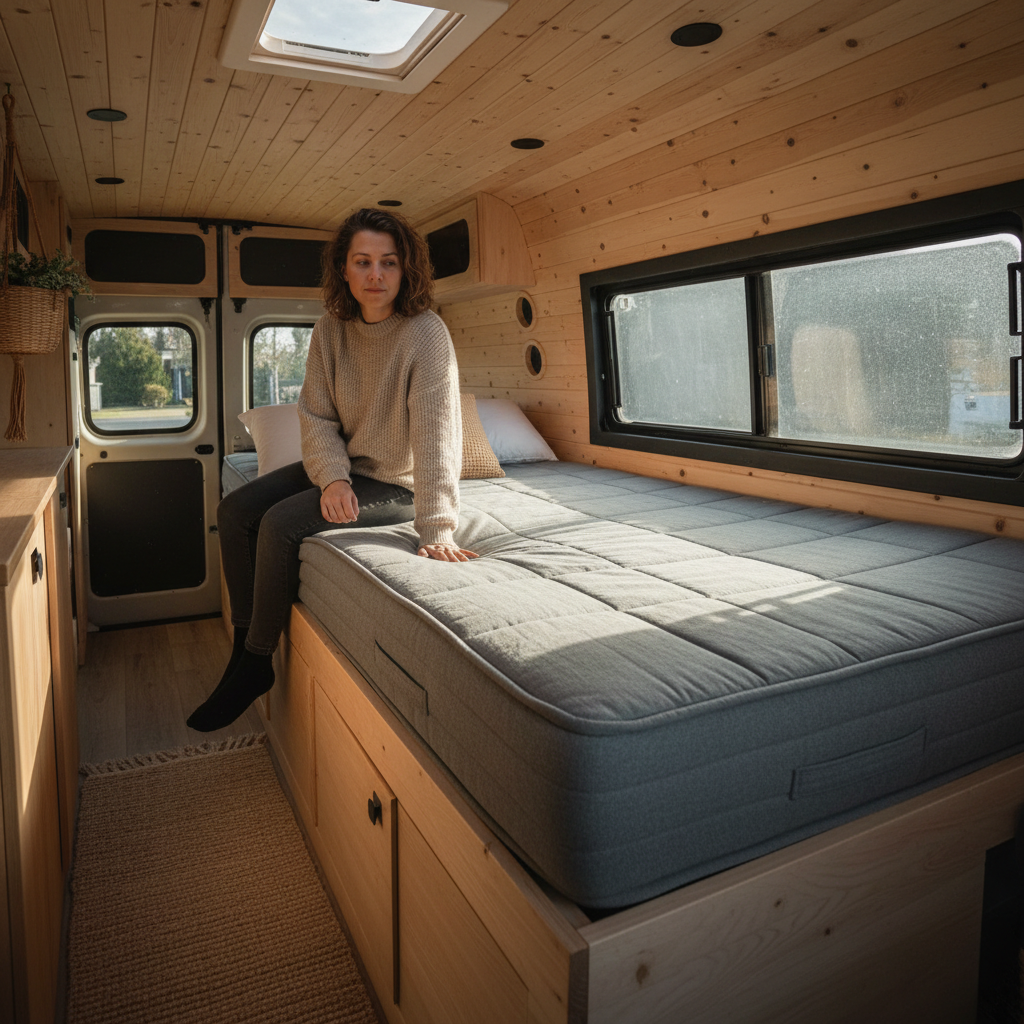
What you'll notice when you compare units side by side is how quickly the driving experience diverges from the feature list. A 24-foot Class B with a pop-top roof has a fixed queen bed, a two-burner stove, a wet bath, and it fits in most state park loops rated for standard vehicles. A 24-foot Class C has more storage and often a separate bedroom alcove, but it needs a pull-through site or serious reversing skill. Both units are 24 feet. They are not the same camping experience.
The Three Types Worth Considering
Here is a direct comparison of the three categories that make sense for a first weekend trip. The goal isn't to pick a winner outright. It's to match the category to your actual situation.
Before the table: the criteria below reflect what changes the decision, not what sounds impressive in a catalog. Drivability scores a standard passenger car license with no CDL required across all three, but handling feel varies considerably.
| Type | Typical Length | Drivability (No CDL) | Campsite Access | Weekend Self-Sufficiency | Typical Rental Range (per night) |
|---|---|---|---|---|---|
| Class B Van Conversion | 19 - 24 ft | Drives like a tall van; city-friendly | Excellent; fits most loops and dry-camping spots | Good with roof fan, 20 - 40 gal fresh water, shore power or solar optional | $150 - $250 |
| Class B+ Extended | 22 - 28 ft | Moderate; wider turns, still manageable | Good; some tight loops excluded | Very good; larger tanks, slide-out options | $175 - $300 |
| Small Class C (cutaway) | 22 - 28 ft | Harder; cab-over nose changes sight lines | Fair; needs pull-through or wide loop | Excellent; full kitchen, bathroom, separate sleep area | $175 - $325 |
The rental range above reflects common US peer-to-peer and commercial rental platforms as of 2024 and varies by region, season, and mileage policy. Treat them as ballpark figures, not guarantees.
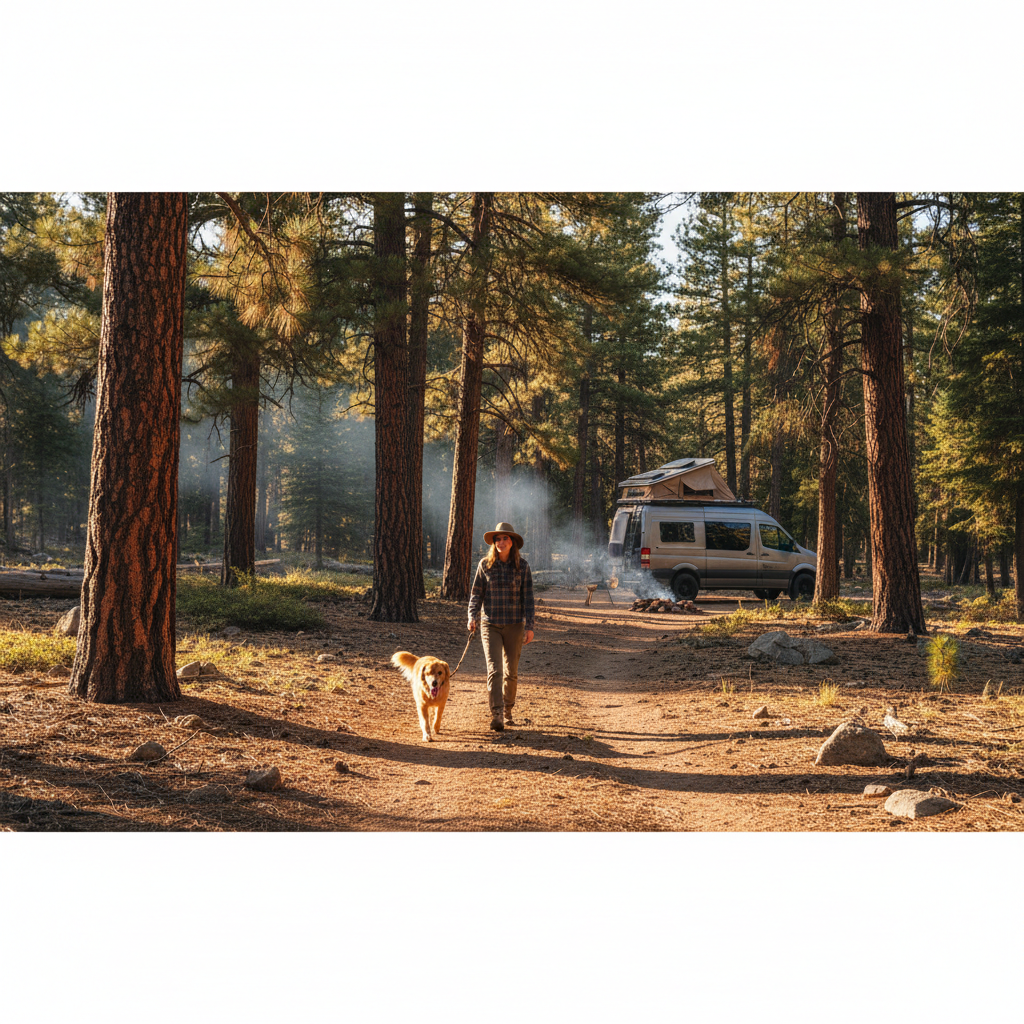
For a first-timer doing dispersed camping or national forest sites, the Class B is the most forgiving choice by a meaningful margin. The cab-over section on a Class C creates a blind zone that catches new drivers off guard on anything narrower than a full campground road. That's not a knock on Class C units; they're excellent for experienced RVers. It's a sequencing argument: start where the margin for error is widest.
I'd start with the Class B van if you're on the fence and haven't rented any of these yet. Rent before you buy. The next section explains why that order matters financially.
Rent First, Then Decide Whether to Buy
Buying a camper van before you've slept in one is a common first-timer mistake. Resale losses on new RVs are significant in the first two years, and the used market moves quickly enough that a wrong purchase can cost real money to undo. A practical guideline used by many RV advisors: rent at least two or three weekends in the type you're considering before committing to a purchase. That's not official policy from any governing body; it's a widely repeated heuristic in the RV community for a reason.
Platforms like Outdoorsy and RVshare list private owner rentals across most US metro areas, and commercial outfitters like Cruise America operate nationally. The advantage of peer-to-peer platforms is that you can often rent the specific make and model you're considering buying. That's worth paying a premium for.
The math on renting versus buying shifts depending on how many nights per year you'll actually use the van. A rough framework: if you're camping fewer than 15 nights a year, renting almost always wins on total cost when you factor in insurance, storage, maintenance, and depreciation on the purchase. Above 30 nights a year, ownership starts to make financial sense, particularly if you buy used and avoid the steepest depreciation curve on new units. Between 15 and 30 nights, the answer depends on your storage situation and whether you can absorb the carrying costs without stress. These are directional guidelines, not authoritative thresholds.
But here's what renting actually teaches you that no spec sheet can: whether you can sleep when it's 58 degrees outside with no hookups, whether the wet bath layout drives you crazy by morning two, and whether you genuinely enjoy the constraints of van living or just enjoy the idea of it. Those answers are worth more than any feature comparison.
What the Class B Gets Right for Beginners
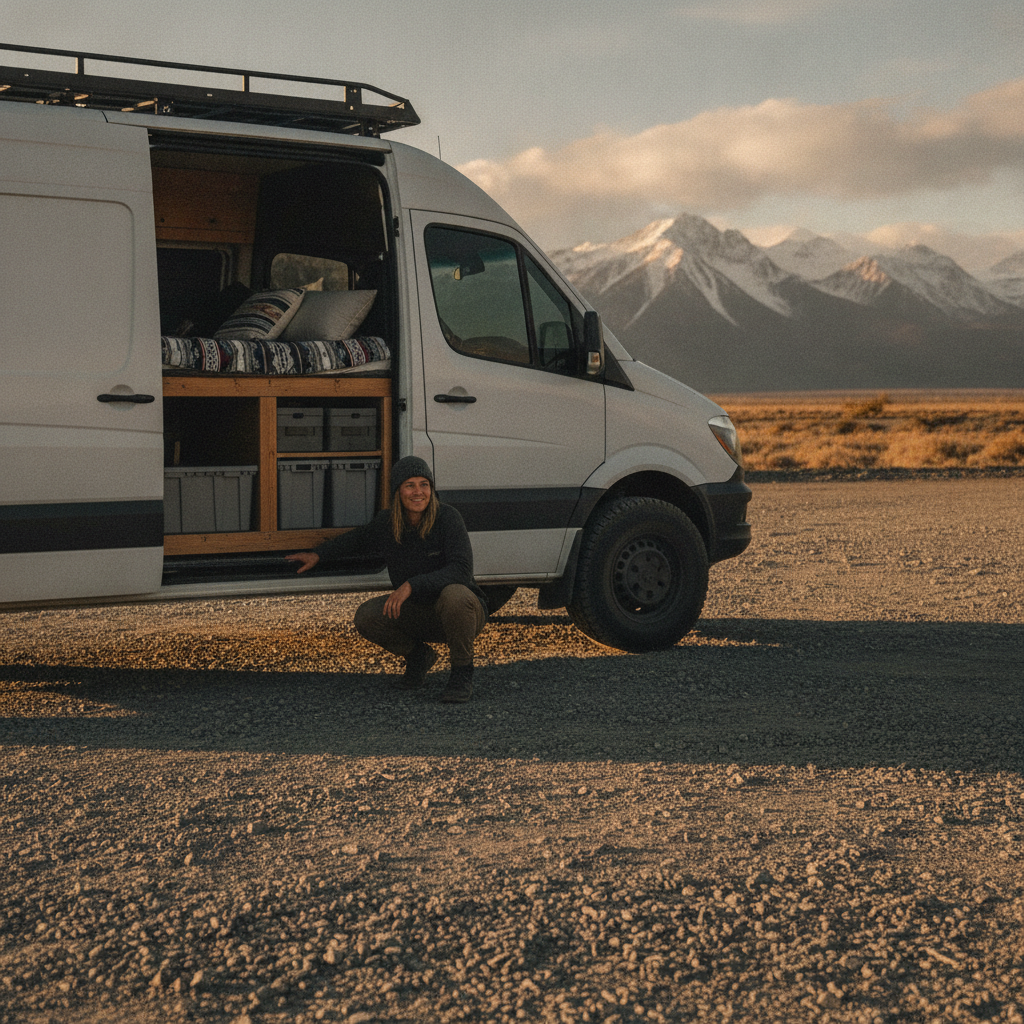
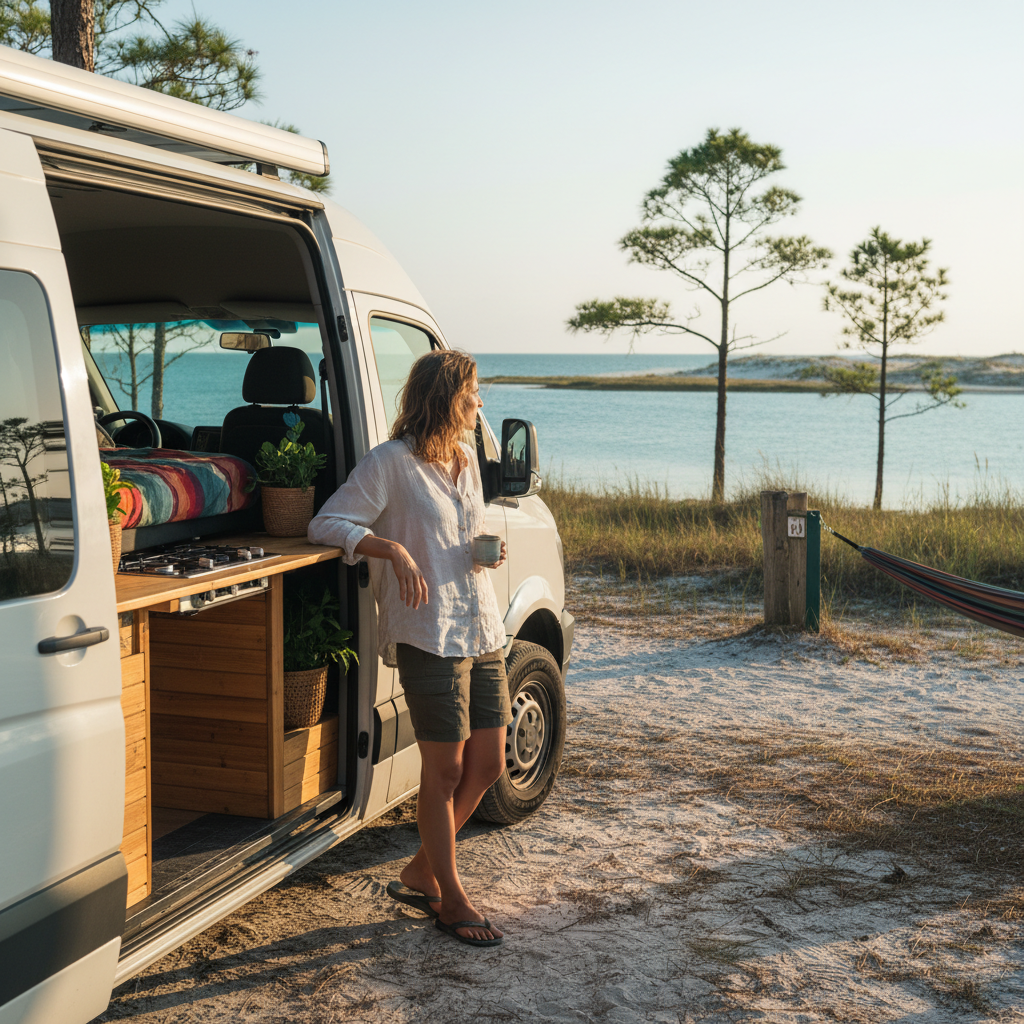
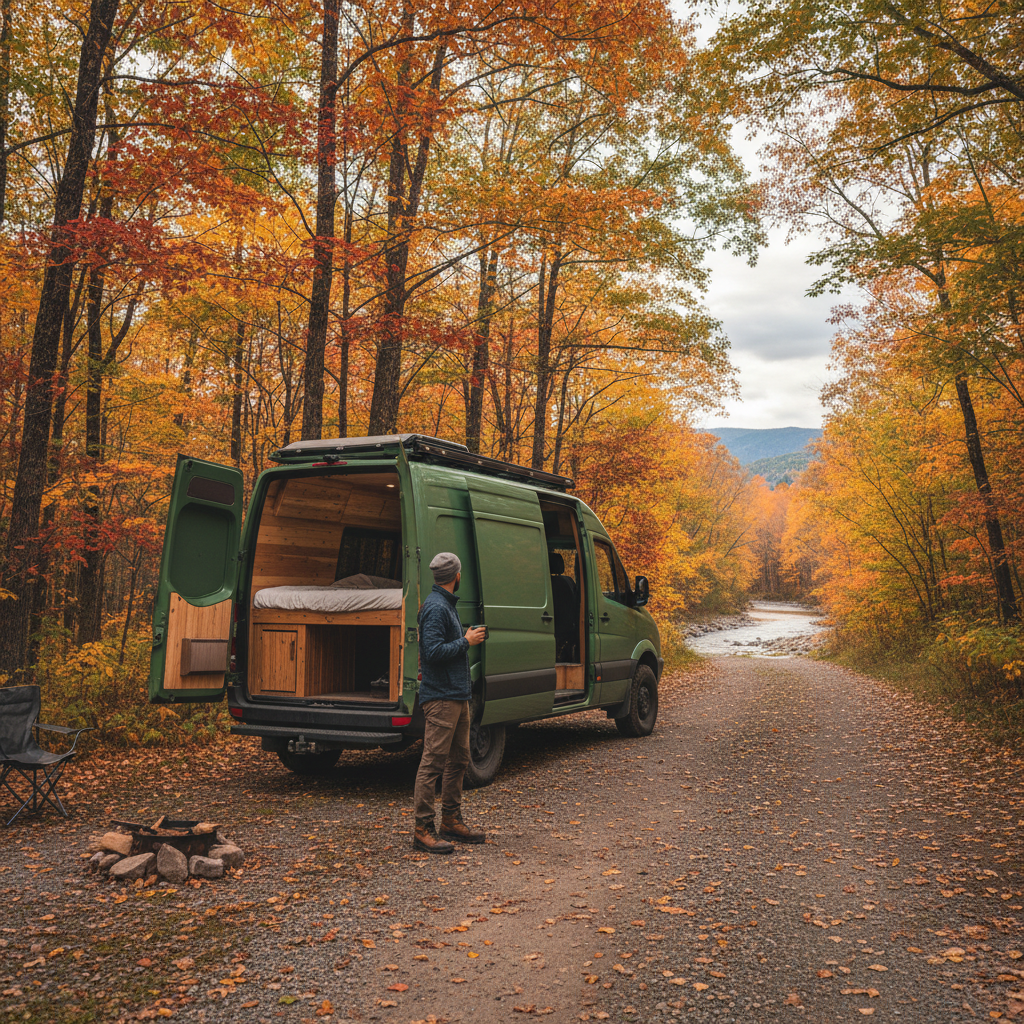
The Class B van conversion earns its recommendation for first-timers not because it's the most comfortable option, but because it removes the most failure modes at once. You can drive it in a city. You can park it in a standard campsite. You can fill it with gas at any regular pump. When something goes wrong mechanically, a Ford Transit or Sprinter van chassis is serviceable at dealerships across the country, not just at specialty RV service centers.
That last point matters more than most guides acknowledge. The RV repair backlog at specialty service centers in the US has been a persistent issue; wait times of several weeks for service appointments are not unusual at peak season. A van on a commercial chassis sidesteps much of that bottleneck.
The limitations are real and worth naming directly. A Class B typically carries 20 to 40 gallons of fresh water, which is enough for a weekend but not a week-long trip without a fill-up. The wet bath (toilet and shower combined in a single small compartment) is functional but not comfortable for anyone over six feet. Storage is genuinely tight. If you're camping with two adults and need to bring a mountain bike, a kayak, and a camp kitchen setup, you will run out of space before you run out of ideas.
The buyers who should skip the Class B entirely: families with two or more children who need separate sleeping areas, anyone whose primary camping destination is a full-service RV resort where site size isn't a constraint, and campers who genuinely need a full standup shower every day. For those use cases, a small Class C or a Class B+ makes more sense, accepting the tradeoff on drivability.
Making the Final Call
If your first weekend trip involves a developed campground, a Class B van is the right starting point. Rent one, drive it two hours from home, and find out whether the size works for you before you spend $60,000 or more on a purchase.
If you skip the rental step and buy based on spec sheets alone, you're likely to discover on your first trip that you either overbought (a big Class C you can't maneuver confidently) or underbought (a Class B that's too tight for your actual gear load). Either outcome tends to end in a resale at a loss within 18 months. The RV industry's own data consistently shows first-time buyers sell or trade within two years at higher rates than experienced owners. Renting is not just financial caution; it's how you avoid becoming that statistic.
Check driving comfort, campsite type, and trip frequency before anything else. Those three inputs determine the right category. Everything after that, floor plan, brand, solar capacity, is a refinement, not a foundation.