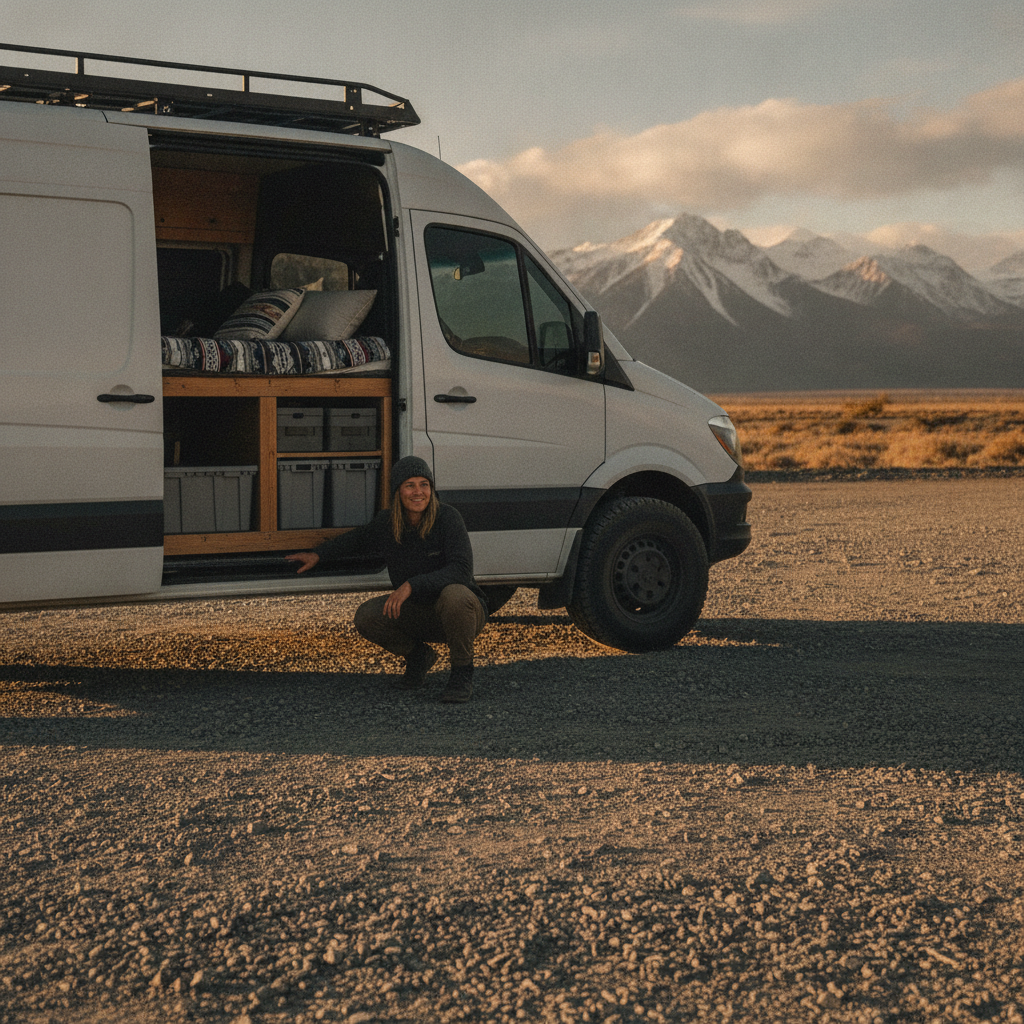
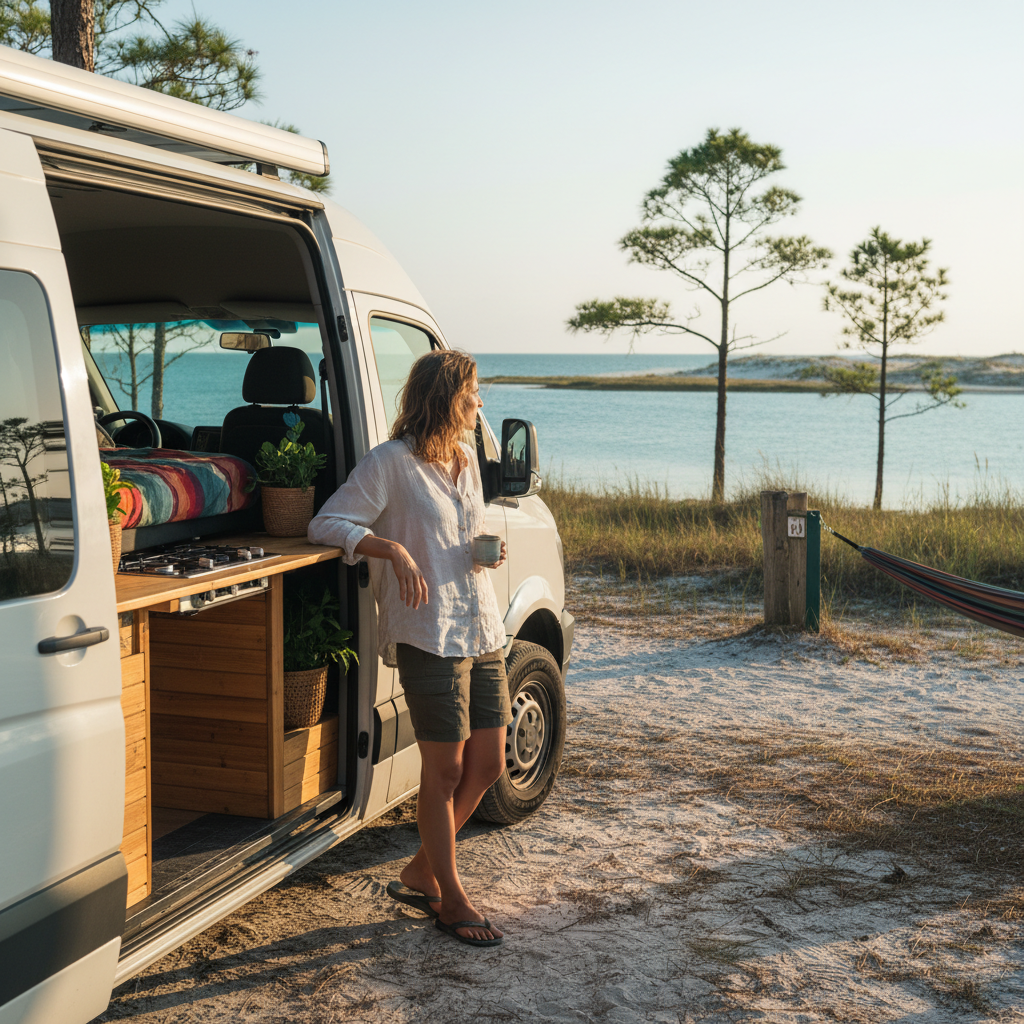
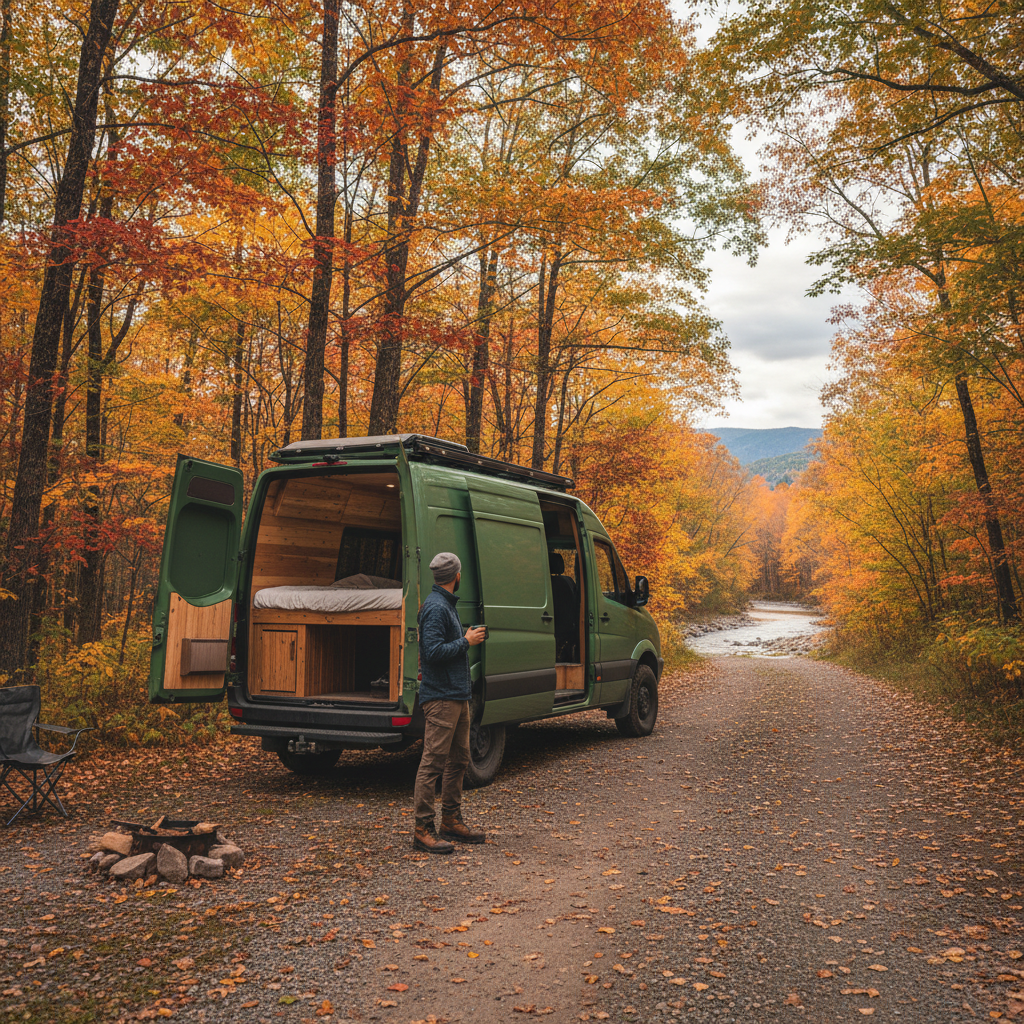
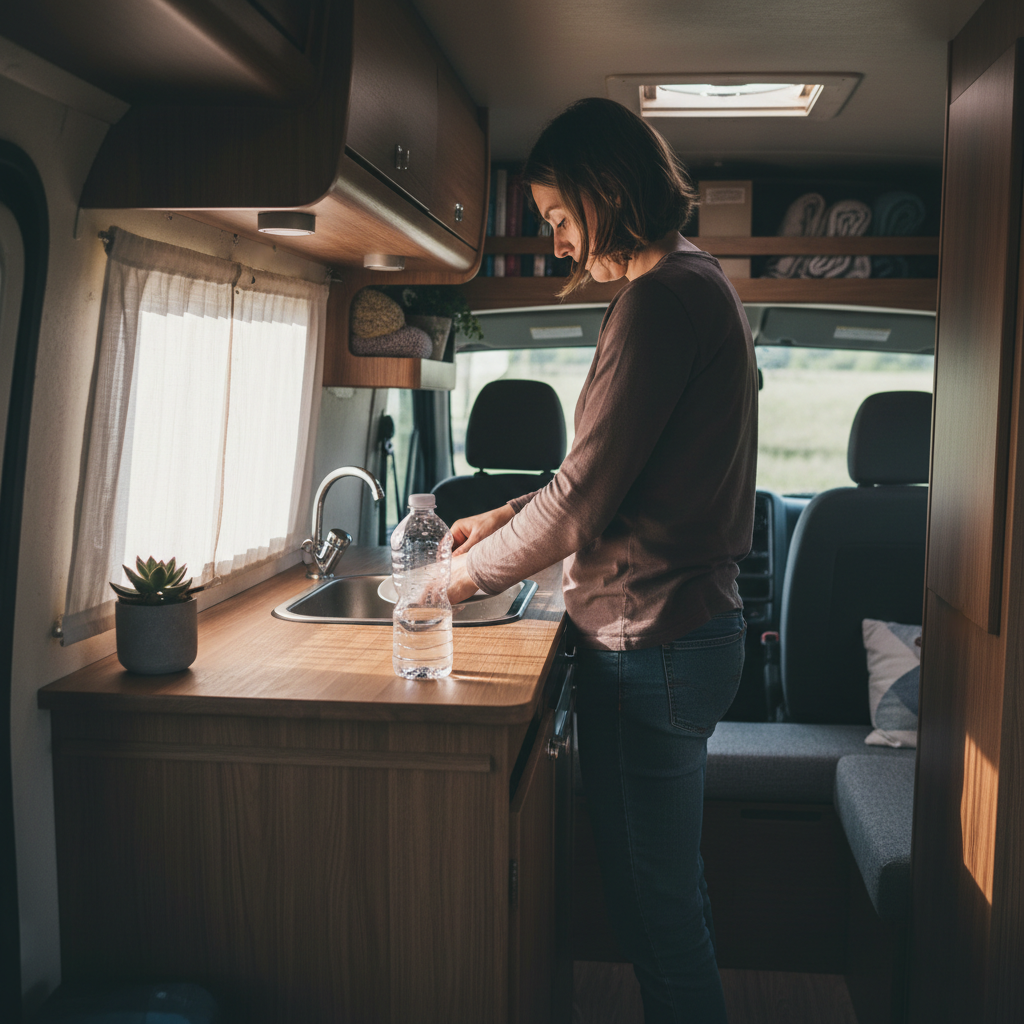
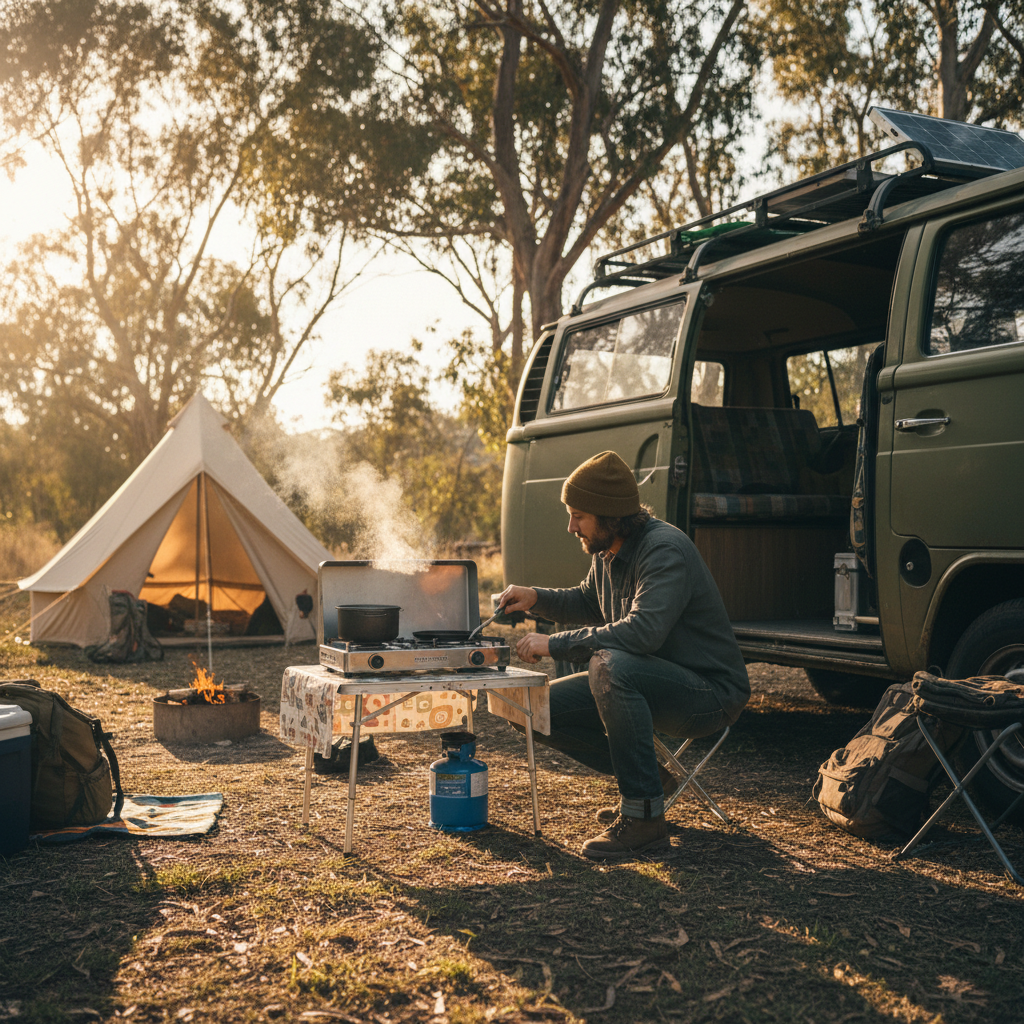


Rental coordinators at camper van companies will tell you the vehicle is the easy part before they discuss anything else, and there's a reason for that. The van you choose sets every constraint that follows: where you can park overnight, whether you need electrical hookups, how far you can drive before mileage fees start eating into your budget.
A first camper van rental weekend involves more decision pressure than it looks. Van class, generator vs. shore power, mileage caps, and cancellation policies all interact in ways that can turn a $400 weekend into a $700 one before you've bought a single bag of groceries. The tension sits right there: the van that sleeps two comfortably often carries the steepest per-mile overage charges, and the affordable option may require campground hookups you haven't booked yet.
This guide covers self-contained Class B vans and converted sprinter-style rentals for weekend trips of two to four days. It doesn't address Class C motorhomes or towable trailers, which have different licensing requirements and a different planning logic entirely.
Choosing the Right Van Class Before You Book
The camper van rental market in the US splits into two practical categories for weekend renters: Class B motorhomes (factory-built units like the Winnebago Solis or Pleasure-Way Plateau) and converted cargo vans (typically Ford Transit or Mercedes Sprinter builds from peer-to-peer platforms like Outdoorsy or RVshare). Each has a different cost structure and a different list of what's included.
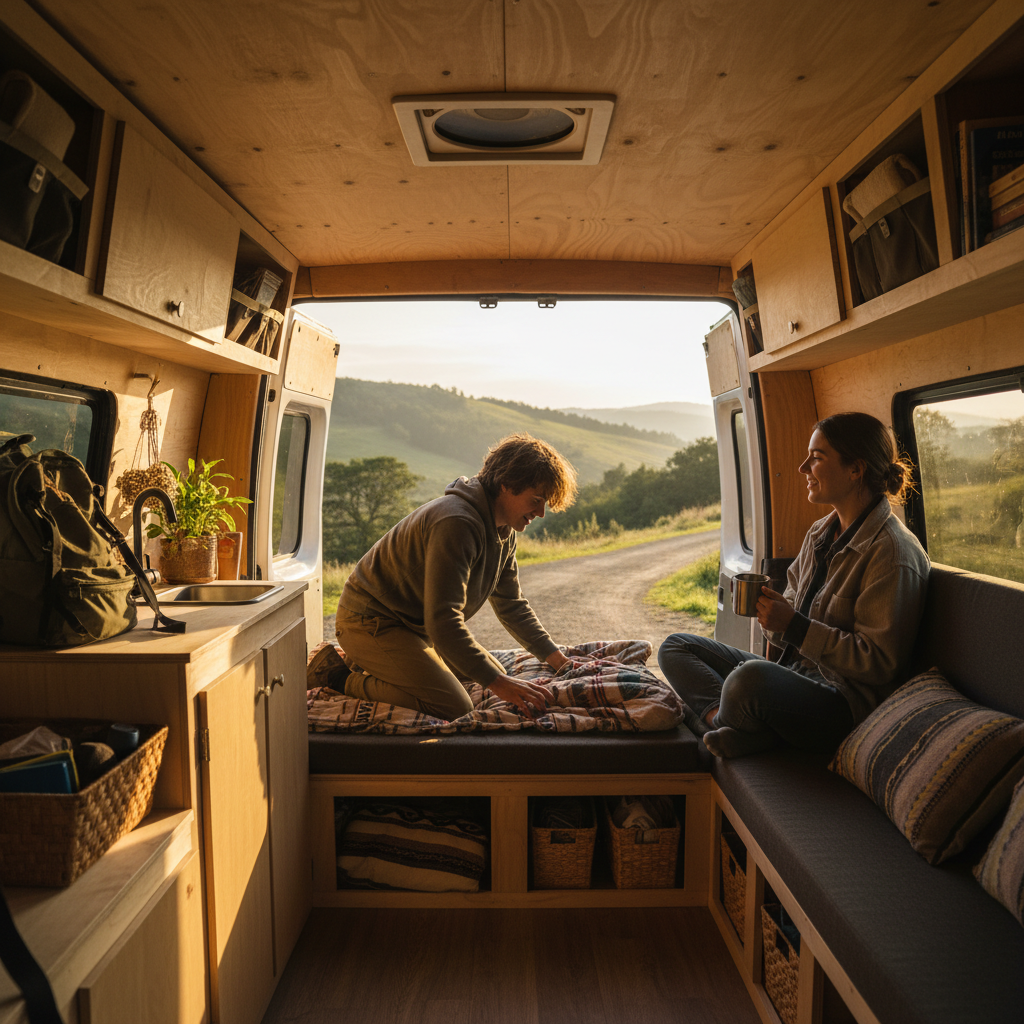
Class B units from established rental fleets typically include a wet bath, a fixed or convertible bed, a 12-volt refrigerator, and a fresh-water tank. They're shorter (usually under 22 feet), which means most campground sites and many overnight parking spots accommodate them without issue. Converted vans from peer-to-peer platforms vary dramatically. Some include a full kitchen and solar setup; others are essentially a mattress and a cooler shelf. Read the equipment list, not just the photos.
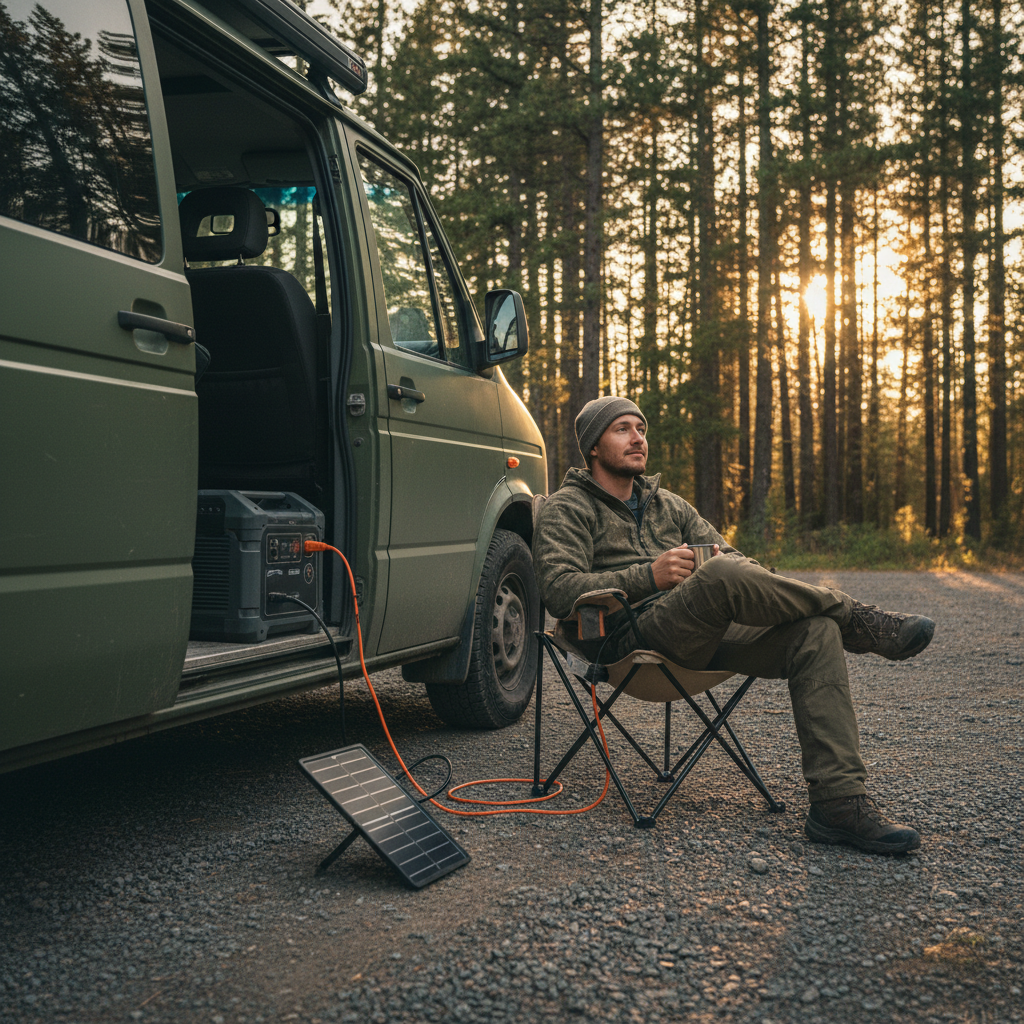
Or rather: read the equipment list and ask specifically whether the van has a shore power hookup (30-amp or 15-amp), a built-in inverter, and how large the freshwater tank is. Those three details determine whether you can camp off-grid or whether you're committing to a site with full hookups. A van without shore power capability at a hookup-only campground is a problem you'll discover after dark.
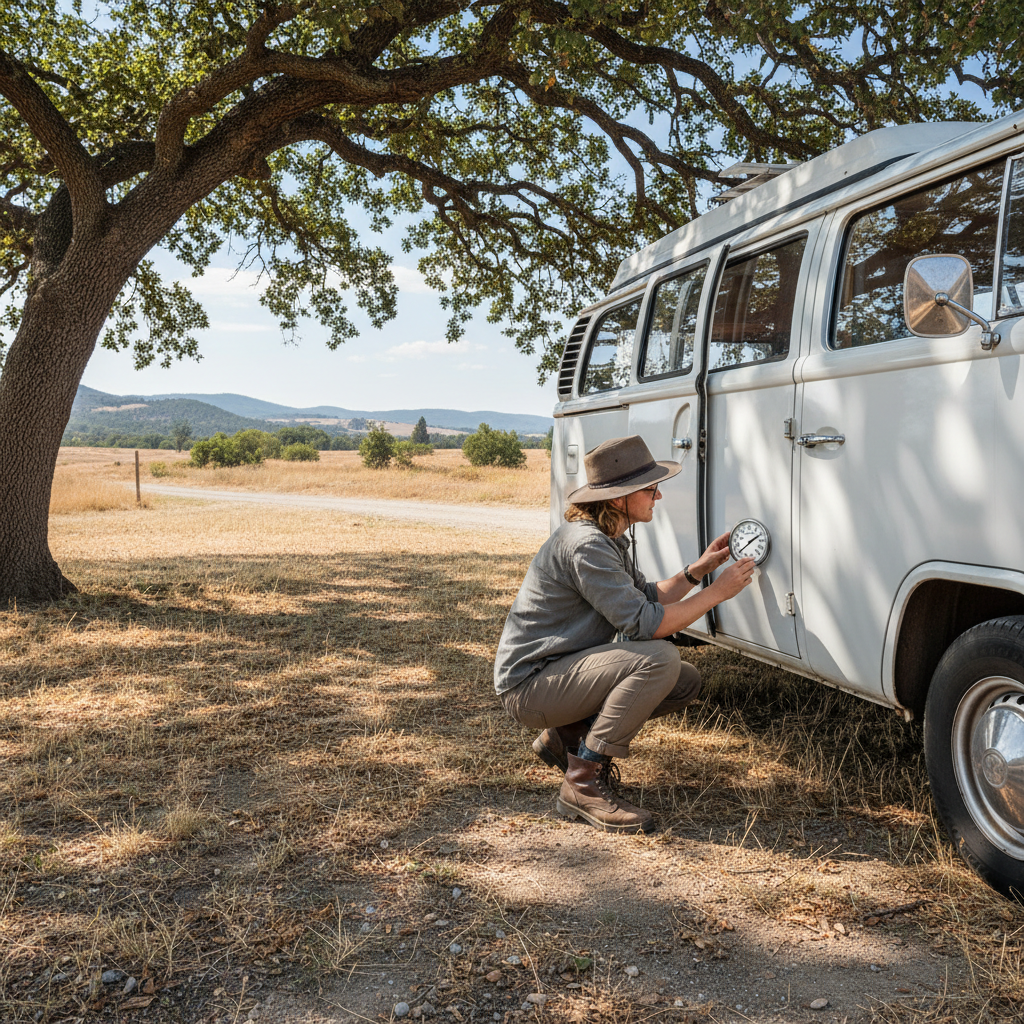
The committed question before booking is whether you plan to stay at developed campgrounds with electrical service or at dispersed/free campsites on Bureau of Land Management (BLM) or National Forest land. If dispersed camping is the plan, confirm the van has solar charging or a generator and a tank large enough for two nights. A common guideline for two people is roughly two gallons of fresh water per person per day for cooking and basic hygiene, not showering.
Understanding Rental Costs and Mileage Caps
Camper van rental pricing in the US typically runs between $150 and $350 per night for Class B units, with peer-to-peer converted vans often landing in the $100 to $200 range. Those base rates don't tell the full story. Generator hours, mileage overages, and the refundable security deposit (commonly $500 to $1,500) are where weekend budgets get compressed.
Mileage caps are the most underestimated cost on a first rental. Many rental companies include 100 to 150 miles per day; overages commonly run $0.25 to $0.50 per mile. If you're driving from Denver to Great Sand Dunes National Park and back, that's roughly 230 miles round trip. On a 100-mile/day cap for a two-night rental, you'd use both days' allowance on the drive out, with the return trip generating overage charges. That puts it around $30 to $60 in overages before any side driving, which is worth factoring in when comparing quotes.
Peer-to-peer platforms like Outdoorsy and RVshare let individual owners set their own mileage policies, so some listings offer unlimited miles. That flexibility has real value for destination trips over 150 miles each way. The tradeoff is less standardized equipment quality and more variable insurance coverage. Both platforms offer their own protection plans, but it's worth checking whether your personal auto insurance or a travel credit card extends coverage to rental RVs before you add a platform plan on top.
If you skip the mileage math and book based on nightly rate alone, you'll likely pay more than the premium van with a higher base rate but a generous mileage allowance. Run the numbers before you filter by price.
Campground Booking and Overnight Parking Rules
Recreation.gov handles reservations for campgrounds on federal land managed by the National Park Service, the Forest Service, and the Army Corps of Engineers. Some sites open for reservations six months in advance, and popular destinations like Joshua Tree, Olympic, and Rocky Mountain fill within minutes of the booking window opening. For a summer or holiday weekend, treat Recreation.gov as your first stop, not an afterthought.
State park systems run their own reservation platforms, which vary by state but generally open four to six months out. ReserveAmerica and Reserve California are two of the larger state-level systems. Many first-time renters skip state parks in favor of national parks, which is a mistake: state park campgrounds frequently have better hookup availability, lower fees, and less competition for spots.
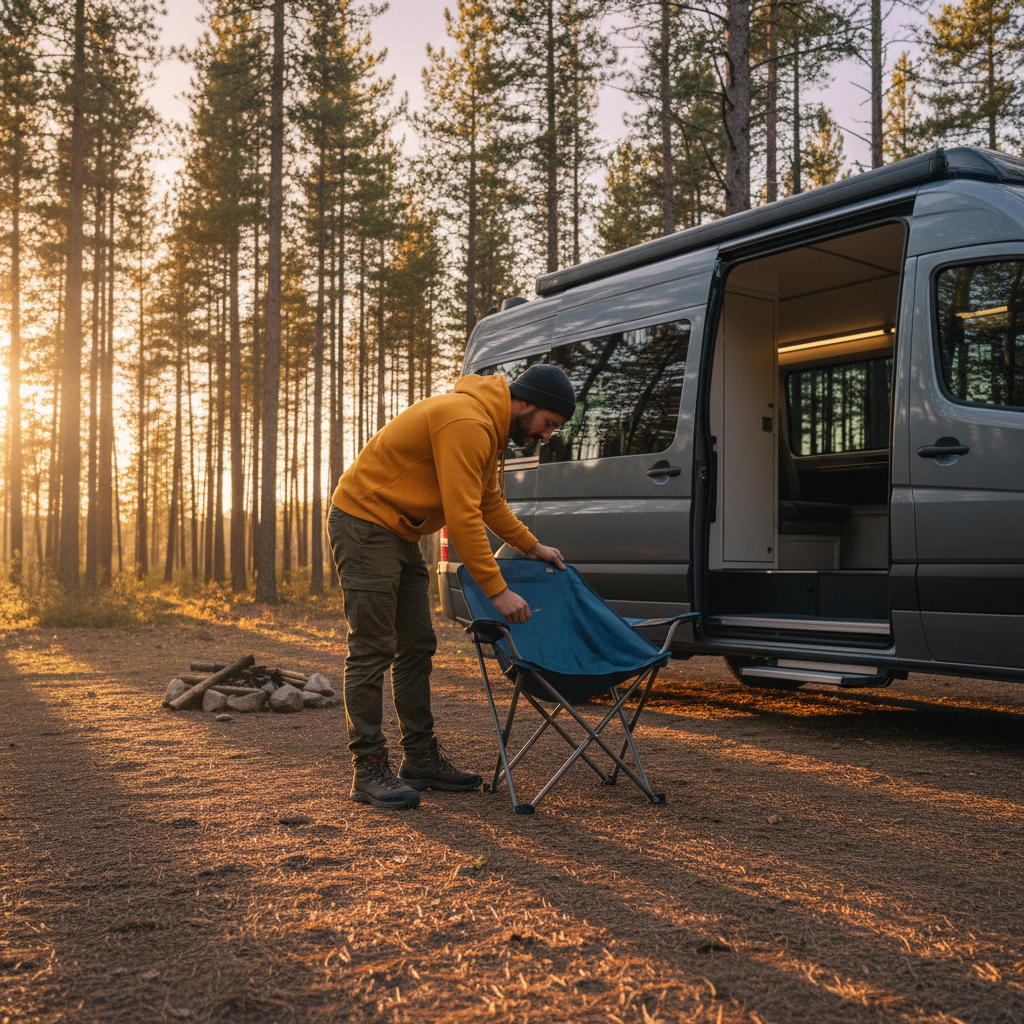
For free camping on BLM land, the BLM's website and apps like The Dyrt and iOverlander map dispersed camping areas by region. Dispersed camping on BLM land is generally legal without a permit for stays up to 14 days in most areas, but individual field offices can have specific rules. Check the relevant field office page before you assume a spot is open.
Overnight parking in non-campground settings (parking lots, street parking, Walmart lots) is legal in some jurisdictions and prohibited in others. This guide doesn't recommend relying on informal overnight parking for a first trip. Showing up at an unfamiliar location at 9 PM with no confirmed site is a stress test a first-timer doesn't need.
What to Pack and What the Van Already Has
Most rental vans come with linens or offer them as an add-on. Confirm this before packing a sleeping bag. Beyond bedding, the equipment gap between a $120-per-night converted van and a $280-per-night Class B is significant: a Class B typically includes a propane stove, kitchen sink, and roof vent fan; a budget conversion may have none of those.
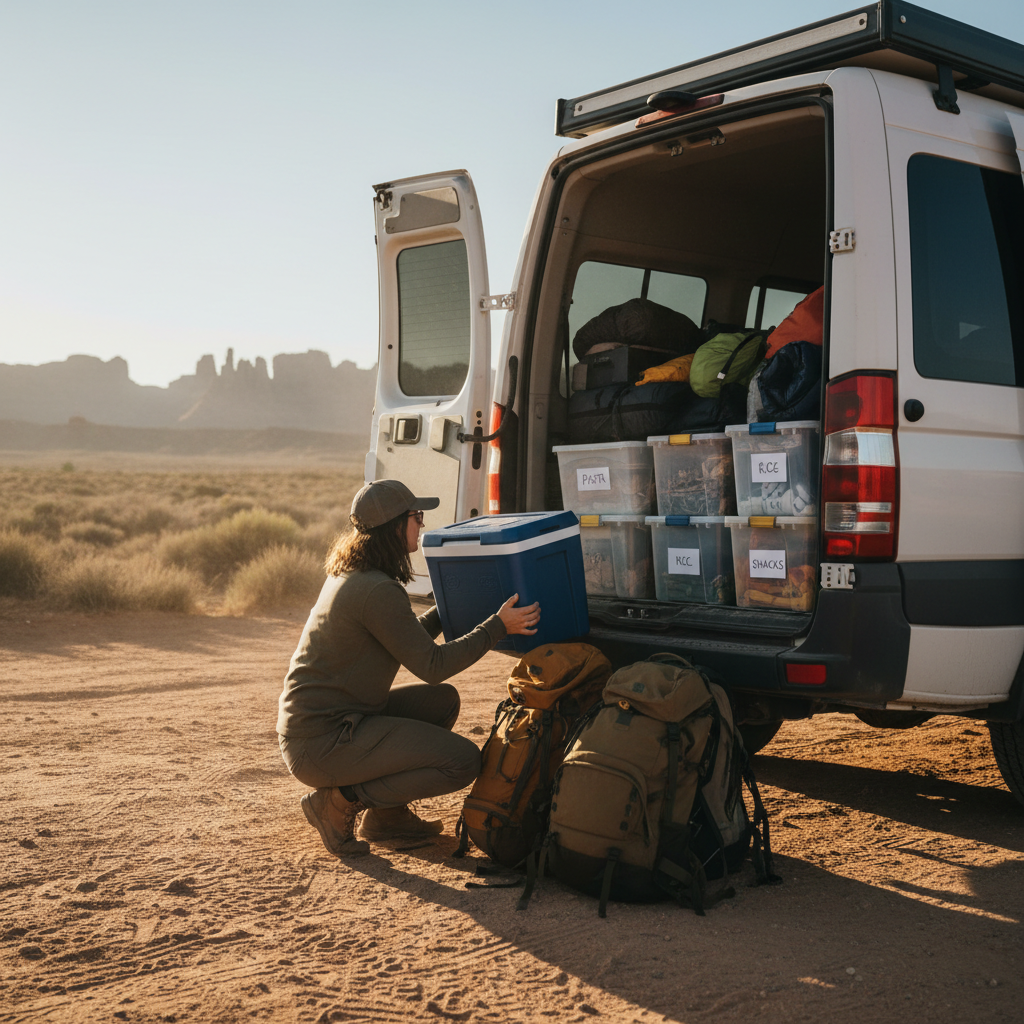
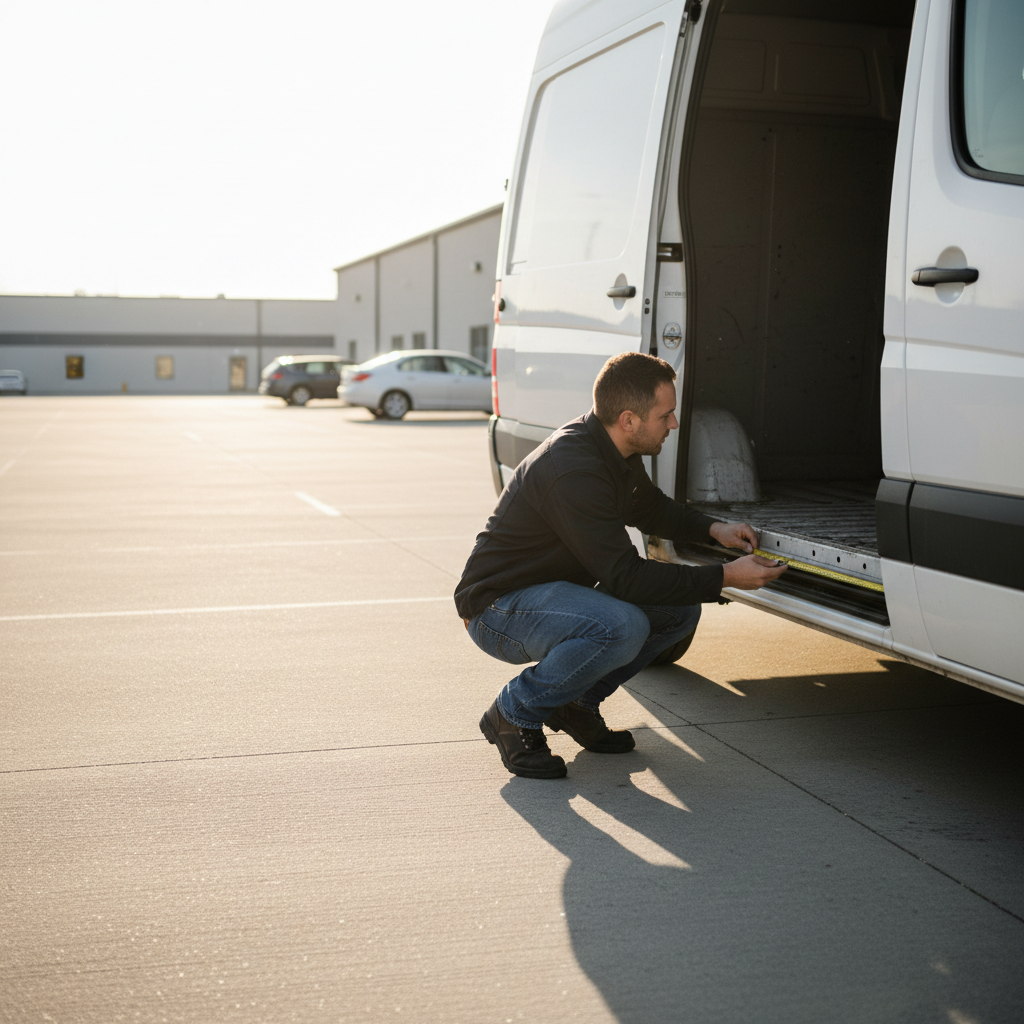
The practical packing list for a first camper van weekend comes down to four categories: food and cooking gear (if not in the van), water and hygiene, navigation and power, and comfort items you'd take camping anyway. Check sq footage, device charging options, and whether the van has USB-C or standard 12V outlets before you assume your equipment will charge overnight.
What most first-timers overfill is kitchen supplies. You're cooking for a weekend, not stocking an apartment. A single skillet, one pot, a cutting board, a knife, and a bottle opener cover the realistic menu. Extra gear means less floor space, and floor space is the scarce resource in a van.
Frustration is common after a first rental when people realize they brought too much and used the van's storage for personal bags instead of keeping it clear for daily-use items. The best packing rule is to load the van once in your driveway before the trip and spend five minutes identifying what you haven't touched. That's what gets left behind.
When a Camper Van Rental Is the Wrong Choice
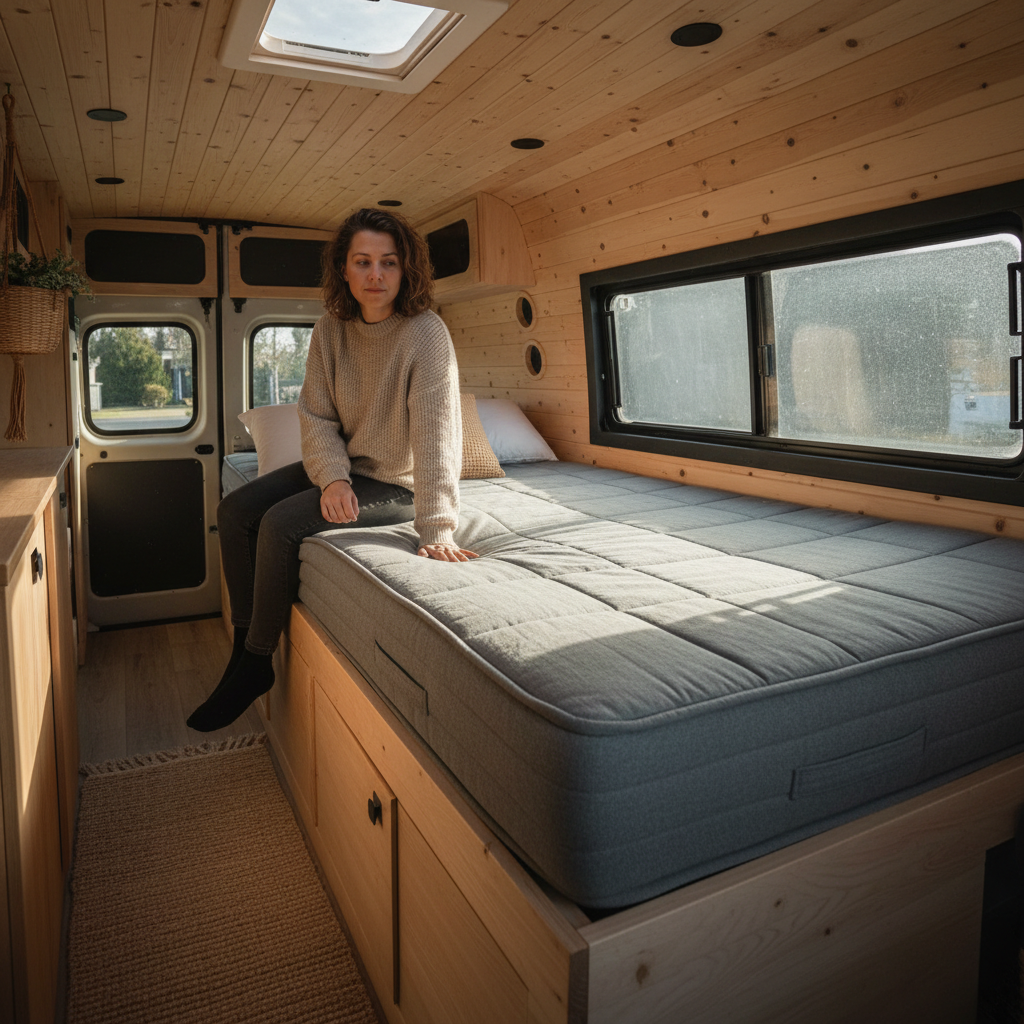
A camper van rental makes less sense in a few specific situations. If your group is three or more adults expecting separate sleeping areas, most Class B vans won't work. The sleeping configuration in a typical converted van or Class B sleeps two comfortably and three awkwardly, with little storage left over. A Class C motorhome or a travel trailer rental is the better tool for that group size.
If your destination has no campground reservations available and you're not comfortable with dispersed camping logistics, consider whether renting makes sense at all versus a cabin or glamping accommodation. The van doesn't solve the campsite problem; it requires you to solve it first.
Budget-sensitive renters who haven't accounted for the security deposit should also pause. A $1,000 refundable deposit held for the duration of a two-night trip affects cash flow in a way the nightly rate doesn't. It's not a fee, but it does sit on your card until the rental company processes the return.
And for renters with very little camping experience who've also never driven a vehicle larger than a standard SUV, doing both for the first time on the same trip is a lot. I'd start with a shorter shakedown trip closer to home, maybe one night, before committing to a multi-day destination rental. The van handles differently than a passenger car, and learning that on a narrow mountain road after dark is not great.