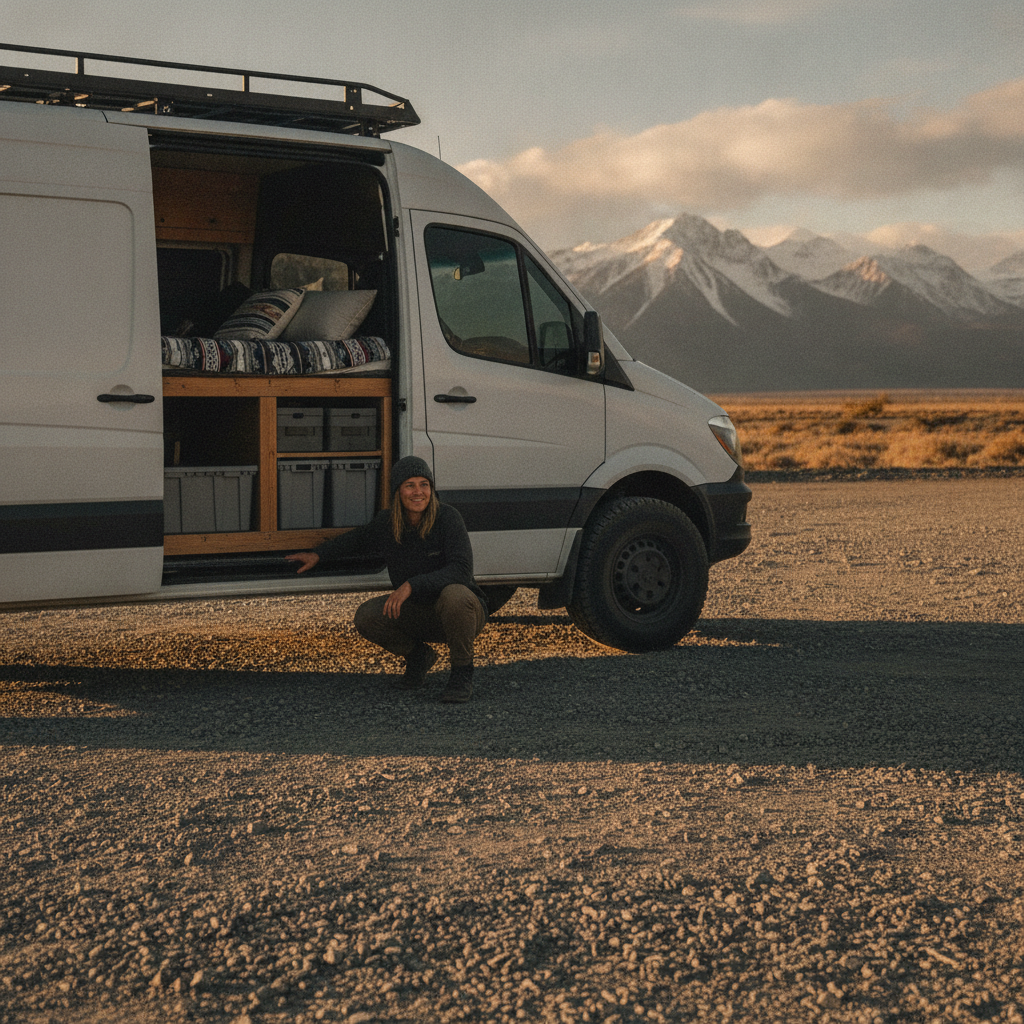











A buyer who skips a test rental and goes straight to purchasing a camper van is making a $40,000-to-$120,000 decision based on YouTube videos and optimism. That's the reality of the camper van market in the US right now, where conversion vans and purpose-built rigs sit at prices that would cover several years of aggressive renting. The case for renting first isn't about caution for its own sake. It's about the specific variables that only reveal themselves when you're actually living out of 60 to 80 square feet for five days straight.
What you'll discover when you compare rental experiences to ownership research is that people consistently underestimate three things: how quickly van life fatigue sets in without the right layout, how much the driving profile matters for fuel costs and parking stress, and what "sleeping well in a van" actually requires versus what a product listing promises. None of those are abstract concerns.
The tension that makes this decision genuinely hard is this: the rental market gives you useful data, but it can also give you a misleading one. A well-outfitted rental from a reputable fleet operator isn't the same animal as the stripped conversion van you might actually buy. Knowing how to control for that gap is what determines whether your rental teaches you something or just sells you on the dream.
What a Rental Actually Tests (and What It Doesn't)
Renting a camper van tests your tolerance for the lifestyle before it tests any specific vehicle. That distinction matters enormously. Platforms like Outdoorsy and RVshare list thousands of owner-operated vans across the US, and a week-long rental in a Ford Transit or Mercedes Sprinter will cost you roughly $150 to $250 per night depending on the build quality, region, and season. That's $1,050 to $1,750 for seven nights, not counting mileage overages, generator fees, or the campsite reservations you'll need to book separately.
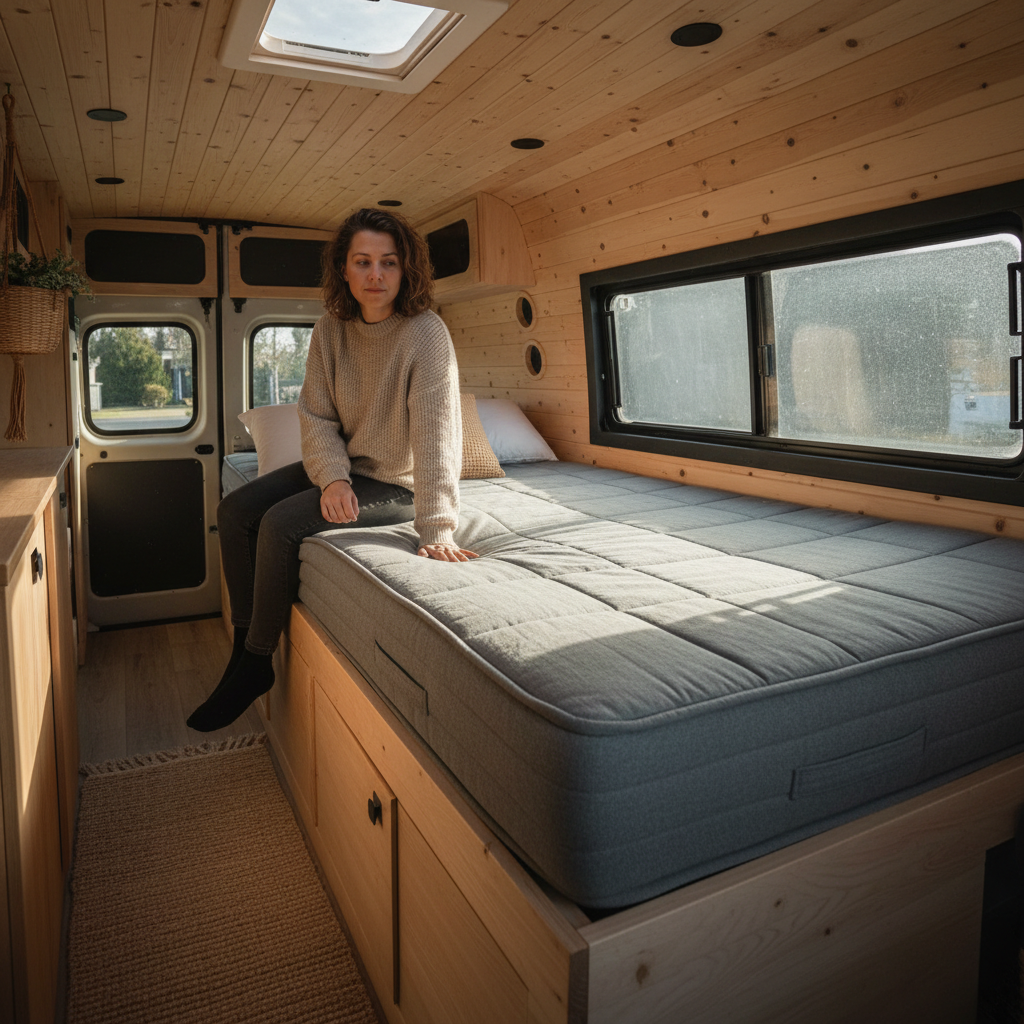
Or rather: the real test isn't whether you enjoyed the trip. It's whether the specific constraints you encountered are acceptable as permanent conditions. Did you sleep well on that mattress, or did you compensate with exhaustion? Did you cook in that galley because it was genuinely functional, or because you were determined to make it work on vacation? Vacation mode distorts tolerance in ways that first-time renters rarely account for.
What a rental genuinely cannot replicate is the ownership experience of maintenance anxiety. Rental companies carry the liability. When a leisure battery dies at a campground in Utah, you call the owner. When you own the van, you either fix it yourself or you're stuck. That gap between renting and owning is not a minor footnote. For buyers who aren't comfortable with basic 12V electrical systems, that gap is the whole ballgame.
Buyers who are already experienced van travelers, who've done multiple trips across different rigs, don't need a test rental as badly as first-timers do. This article isn't written for them. It's for the person who's seriously considering their first van purchase and wants to know whether spending money on a rental is a smarter first move than spending more time on research alone.
The Cost Math: Rental Spend Versus Purchase Risk
Here's a derived comparison worth sitting with. A used Sprinter conversion in decent condition runs $45,000 to $75,000 in the current US market, per listings on sites like Vanlife Trader and Facebook Marketplace. A new purpose-built van from a conversion shop can easily hit $100,000 to $150,000. If you buy the wrong one, the resale hit and conversion cost to get to a layout you can actually live with runs $5,000 to $15,000 by most van-community estimates. A week-long rental at $1,500 all-in is 10% of that downside scenario. Two targeted rentals, testing different layouts and trip profiles, runs $3,000 maximum. That puts it around 20 to 60 percent of what a wrong purchase costs you in the first correction cycle.
The math changes if you already know your layout and trip style cold. Someone who has camped extensively, knows they want a fixed high-roof bed with a passenger-side slide-out kitchen, and has a specific van make in mind is using a rental to confirm rather than discover. For that person, the rental spend becomes harder to justify purely on financial grounds. But even then, a one-time three-night rental in the specific make and height category they're targeting has genuine diagnostic value that no forum post replicates.
One category where renting clearly loses: if you're planning a six-month road trip as your first van experience. At $175 per night average for six months, you're spending over $31,000 on rentals. That's real money toward a purchase. In that scenario, the right move is a shorter test rental of ten to fourteen days followed by a purchase, not an extended rental that burns acquisition capital.
What to Test on Your Rental (a Protocol, Not a Vacation)
The most common mistake buyers make with a test rental is treating it like a holiday. You have to stress-test it deliberately. That means cooking at least three meals inside the van, sleeping every night on the stock mattress without supplementing with hotel stays, and driving at least one stretch of 200-plus miles in a single day to feel the fatigue and fuel burn at highway speeds.
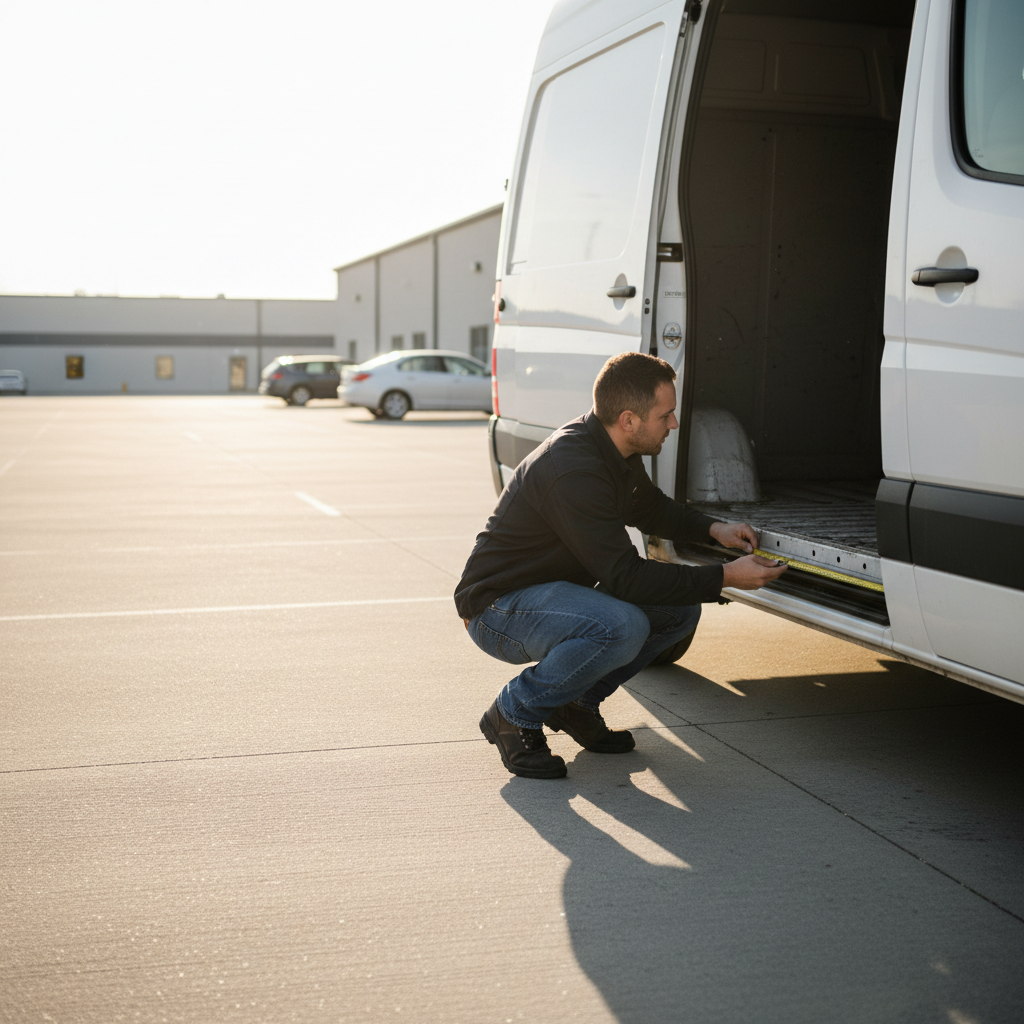
Four specific things to evaluate rigorously: bed comfort under realistic sleeping conditions (not one post-hike night where you'd sleep on gravel), galley functionality when you're tired and hungry at 7 PM, standing height if you're over 5'10" (a low-roof Transit is a daily annoyance you can't renovate away), and parking reality in whatever areas you'd actually travel. High-roof Sprinters are rejected from many urban parking garages and some campground sites with height clearance restrictions. Test this where it matters to you, not where the rental happens to be parked.
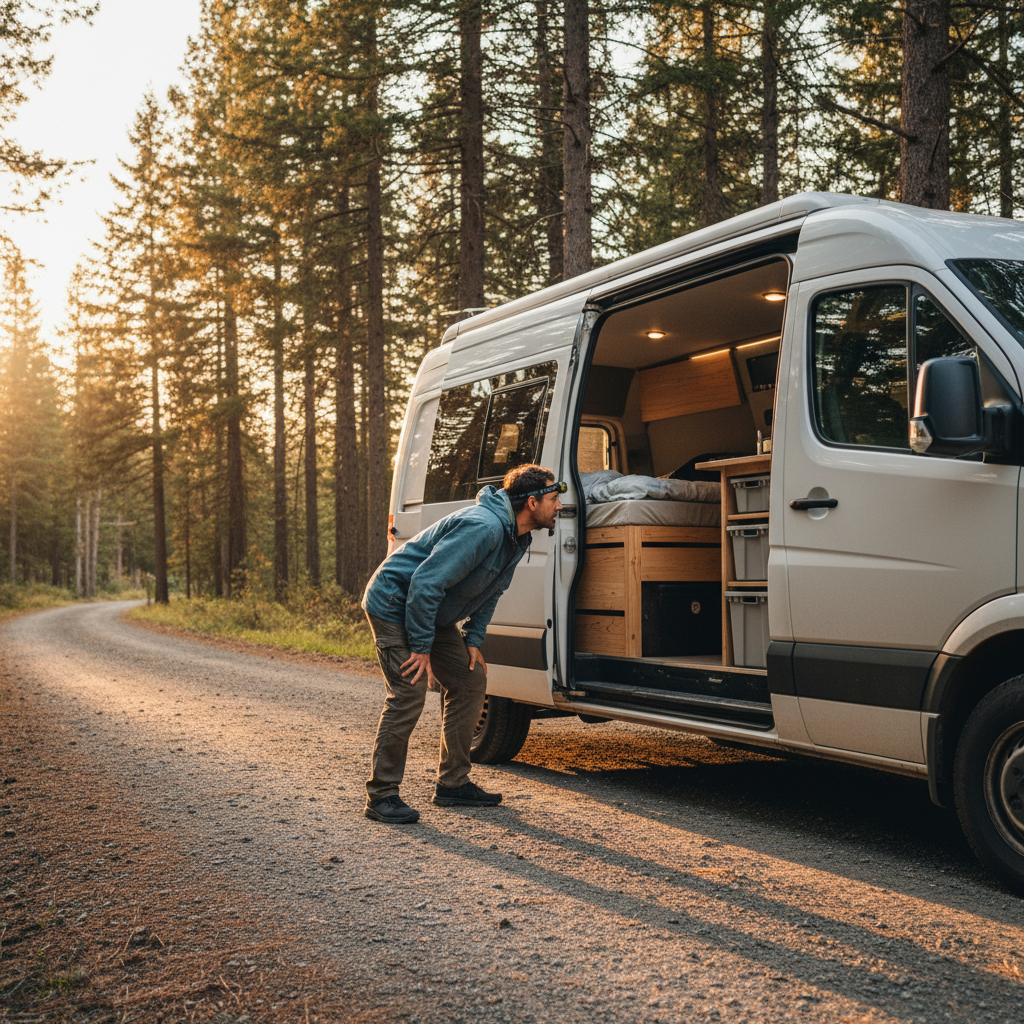
Keep a log. Write down every friction point, not as a complaint, but as a design requirement for your purchase. If the rental's water tank ran out after three days of normal use, that's a spec requirement. If the electrical system couldn't support a CPAP overnight without solar supplementation, that's a build requirement. The log turns an enjoyable trip into a purchasing brief.
When Renting First Weakens as a Strategy
Renting before buying is a strong default, not a universal rule. There are conditions where it adds cost without adding information.
If the van you're planning to buy is a custom self-build, no rental will simulate it. The layout, the electrical design, the material choices are all going to be yours. Renting a commercial conversion tests someone else's design decisions, which may share almost nothing with what you're building. In that case, your money is better spent on a single overnight in a friend's or community member's similar build, or a consultation with a conversion shop that will walk you through functional layouts before you start cutting metal.
If you have extensive overlanding or RV experience in similar-sized vehicles, your comfort threshold data already exists. A test rental adds marginal new information. Use that money toward a better mattress or a larger AGM battery bank in the build instead.
And if the rental market in your target region is thin, with only luxury high-end conversions available that bear no resemblance to a $50,000 used van, the rental experience can actively mislead you. A $300-per-night professional fleet van with a climate-controlled rear cabin and a Webasto heater is not a reliable proxy for what entry-level van ownership feels like. Renting that van and concluding you'd love van life is a setup for disappointment when the reality of a base-level conversion hits.
The Alternative: What You'd Do Instead
The realistic alternative to a test rental isn't doing more research. It's buying a lower-cost entry van, living with it for three to six months, and reselling. This is genuinely common in van communities, and it's sometimes called "van flipping for experience." You buy a $15,000 to $20,000 cargo van with a basic setup, figure out what you actually need, sell it at roughly what you paid (sometimes more, if you improved it), and apply the lessons to a serious purchase.
The downside of that path: it requires mechanical confidence, time, and tolerance for a low-comfort baseline. You will not be comfortable in a $15,000 cargo van with a cot and a cooler the way you would be in a rental. But you'll learn things a rental will never teach you, specifically around maintenance, repair frequency, and the real cost of ownership. The monthly cost of van ownership beyond the purchase price includes insurance (typically $1,200 to $2,400 per year for a conversion van, according to general insurance market data), registration, fuel, and maintenance reserves that experienced owners estimate at $2,000 to $4,000 annually for a used van.
That framing misses something. The entry-van path and the test rental aren't mutually exclusive. A ten-day rental followed by a deliberate entry-level purchase followed by a proper build is the most information-rich path available. It costs more in time and money upfront. It almost always produces a better final van and a clearer sense of whether van life suits you before you've committed $80,000 to finding out.
I'd start with one targeted rental of seven to ten days in the van category you're seriously considering, run the protocol above, and make the purchase decision from that data. That's not a cautious hedge. It's the cheapest form of due diligence available for a decision this size.
Should You Rent Before You Buy?
If you haven't spent significant time in a van or comparable small-space vehicle, rent first. One week in the right category of van, treated as a test rather than a vacation, gives you layout requirements, comfort thresholds, and driving preferences that no amount of forum reading replicates. At $1,000 to $1,750 for that week, you're buying a decision filter that protects against a correction cost five to ten times larger.
If you have real road experience in small rigs and know your specs, a rental becomes optional rather than essential. Use the time and money on a better build specification instead.
If you're planning a very long initial trip or a self-build, the rental strategy loses its edge. Consider the entry-van path or a community-based overnight in a comparable build.
Skip the rental entirely and you're gambling that your research is a reliable substitute for living in a small moving box for a week. For some buyers, that gamble pays off. For a lot of others, it produces a second purchase eighteen months later that costs more than the rental ever would have.