













Van dealers will tell you that standing headroom is the single feature weekend campers regret skipping most, and there's a real reason they lead with that pitch. High roof vans cost more upfront, more at the pump, and more to park in urban garages, and yet they keep outselling standard roof versions among people who actually live out of a vehicle on weekends. That gap between what the numbers suggest and what buyers choose is worth understanding before you commit.
The question isn't really about roof height in isolation. It turns on your actual height, the kind of weekend you're running, and whether you're building a proper sleeping platform or just throwing a mattress in the back. A six-foot-two person with a fixed bed loses all utility of a standard Transit or Sprinter the moment they try to change clothes in the morning. Someone who's five-eight doing two overnights a month on a folding cot may find the premium genuinely hard to justify.
Here's the tension that most van shopping guides skip over entirely: the high roof's value is almost entirely realized during the non-driving hours, which means it only pays off if your weekend trips are long enough and regular enough that cabin ergonomics actually shape your experience. If you're driving six hours to camp for eighteen and driving six hours back, the standing room is a real benefit. If you're pulling into a trailhead parking lot at 9 PM and leaving at 6 AM, you might not notice the difference.
What Standing Room Actually Changes
The practical difference between a high roof and a standard roof isn't just comfort. It's how the van functions as a living space during the hours when you're not driving and not hiking. Standard roof Transit cargo vans typically measure around 52 inches of interior standing height, which means anyone over five-four is working in a permanent crouch. High roof versions of the same platform come in around 75 to 81 inches depending on the model, Ford Transit versus Mercedes Sprinter versus Ram ProMaster, which is actual standing room for most adults.
That difference matters most during three specific activities: getting dressed, cooking, and managing gear. Crouching to pull on pants over a wheel well at 6 AM on a cold morning is a pain. Genuinely. Cooking on a propane single-burner with your neck bent for twenty minutes isn't dangerous exactly, but it's the kind of accumulated friction that makes people use their van less over time. The campers who stop using their builds are almost always the ones who found the daily ergonomics too grinding.
Or rather: the problem isn't that the standard roof is uncomfortable in any single moment. The problem is that discomfort compounds across a weekend. One awkward movement is fine. Forty of them over two days, combined with bad sleep and a long drive, starts to erode the whole point of the trip.
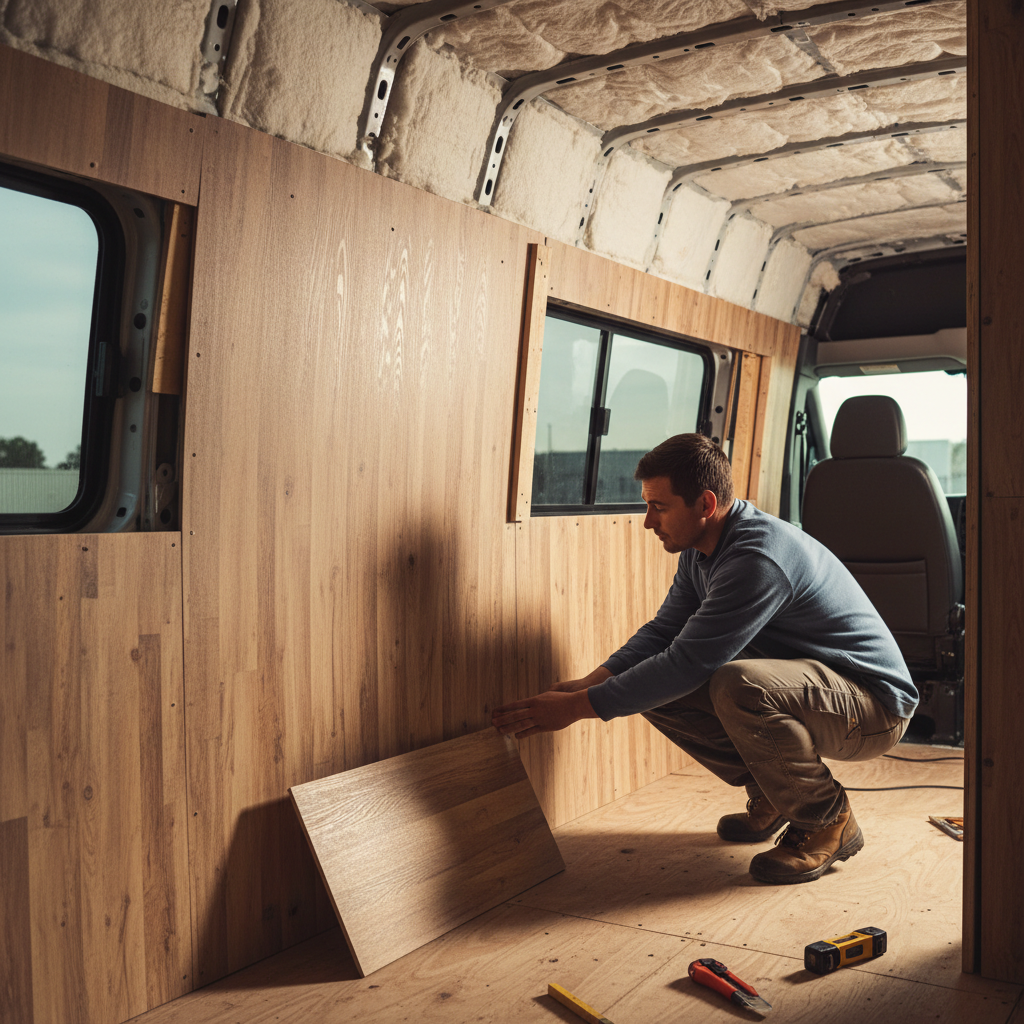
There's also a build consideration that rarely comes up in height discussions. A high roof gives you vertical cabinet space that a standard roof simply cannot accommodate. If you're installing a pull-out kitchen drawer, a refrigerator, and overhead storage, a standard roof van either forces you to sacrifice counter height or ends up feeling like a submarine. High roof builds can run full-height cabinetry against one wall and still leave a standing lane, which isn't just comfortable, it's structurally cleaner.
The Real Cost Comparison
The price gap between high roof and standard roof on new vans runs roughly $3,000 to $6,000 depending on trim and model year, based on publicly posted MSRP differentials across Ford, Mercedes-Benz, and Ram dealer listings. That's a meaningful but not insurmountable number. Where it compounds is in fuel economy and parking.
High roof vans are taller and less aerodynamic. A Ford Transit high roof runs closer to 17 to 18 miles per gallon on the highway under typical load versus 19 to 21 for the medium roof, based on owner-reported figures in van build communities and Ford's published EPA estimates for different configurations. That framing misses something, though. Over a weekend trip of 400 miles with gas at $3.50 per gallon, the difference is roughly 3 to 5 dollars per trip. Across a year of 25 weekend trips, you're looking at maybe $75 to $125 in additional fuel cost. That's not nothing, but it's not the financial case against high roofs that some comparison articles treat it as.
Parking is the more honest knock against high roof vans for weekend campers who live in cities. Standard parking garage height clearance in the US is typically 6 feet 2 inches to 7 feet. Most high roof Transit and Sprinter vans clear between 8 feet 6 inches and 9 feet 4 inches in total vehicle height, which locks you out of most urban garages entirely. If your van lives on the street or in a driveway, that's irrelevant. If you park in a managed structure, factor in monthly street parking costs or a dedicated outdoor spot before you finalize the math.
A practical way to think about the total cost: take the $4,500 average premium for a high roof, spread it over five years of weekend use, add the incremental fuel difference, and you arrive at roughly $1,000 to $1,100 per year above standard roof cost. Whether that number is worth it depends entirely on how much of your weekend time is spent inside the van rather than outside it. A hiker who sleeps in the van and spends eight hours a day on trail is running a different calculation than a climber whose rest days are genuinely rest days spent cooking and reading in the vehicle.
When a Standard Roof Is the Right Call
This article isn't a high roof sales pitch. There are real situations where a standard or medium roof is the better tool, and pretending otherwise wastes your money.
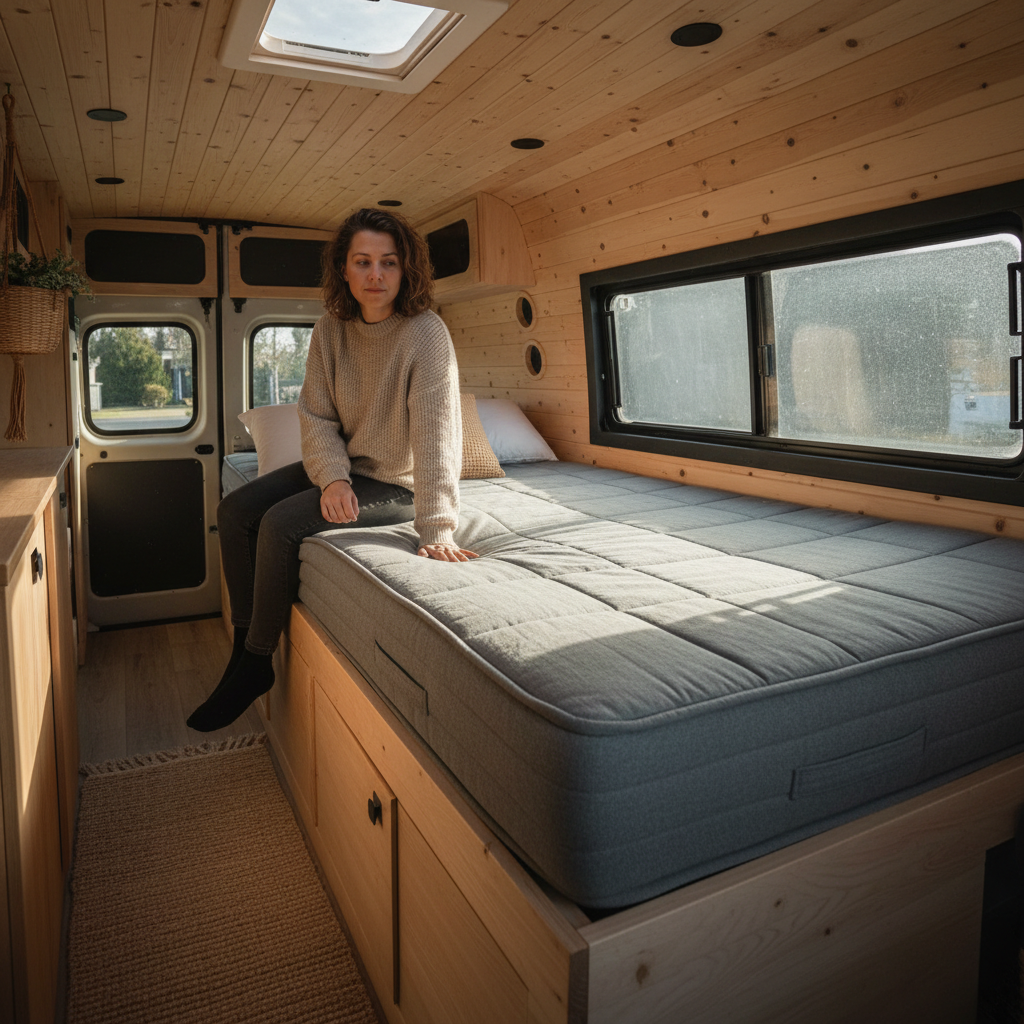
If you're under five-foot-six and not planning a permanent fixed bed build, the ergonomic argument shrinks considerably. You can sit upright on most standard roof platforms with a low-profile sleeping setup, which covers the majority of what weekend camping actually requires. The build is simpler, the van is cheaper, and you can park it like a normal vehicle.
Standard roofs also make more sense if your camping style is primarily truck-camping adjacent, meaning you use the van to get to the site and spend most of your time in a tent or outside. The van is then a transport and gear-storage unit, not a living space, and the headroom premium is almost entirely wasted. Check your actual behavior honestly before committing: if you spent your last five camping trips in your tent except for sleeping, you don't need a high roof.
There's also a stealth consideration for urban overnight stays. High roof vans read as vans from a distance in a way that medium roof vans don't. If you do car camping near urban areas and value a lower profile, the standard roof keeps you less visible. That's a niche concern, but it matters to a specific type of weekend camper.
Choosing Between Transit, Sprinter, and ProMaster
The three platforms dominate the US weekend camper van market, and each has a different high roof story. Understanding the differences here is the decision rule that most general van comparison articles skip, because they treat "high roof van" as a single category.
The Ford Transit high roof is the most common build base in the US market for a reason: widespread dealer availability, the largest independent parts network, and lower average used pricing than the Sprinter. Transit's high roof measures approximately 81 inches of interior height in the cargo configuration, which is the most generous standing clearance of the three. Ford dealers also have shorter service wait times across most US metro areas compared to Mercedes-Benz Sprinter service centers, which matters if the van breaks down mid-trip.
The Mercedes-Benz Sprinter high roof is the premium option, with a stronger reputation for diesel longevity and a mature aftermarket from companies like Vanlife Customs and Sportsmobile that makes builds more turnkey. Interior high roof height runs around 75 to 78 inches. The service network is the real liability: Sprinter-certified dealers are concentrated in metro areas, and rural breakdown coverage is genuinely thinner than Ford. If your weekend trips take you into remote areas, that service gap is a real risk, not a theoretical one.
The Ram ProMaster high roof is often overlooked but offers the widest interior of the three at 60 inches between wheel wells, which makes flat-floor builds easier and more spacious. The front-wheel-drive layout is unusual for a van of this size and means no rear differential or center driveshaft consuming floor space. The tradeoff is that ProMaster has a smaller dedicated build community and fewer bolt-on accessories than Transit or Sprinter, so custom work requires more fabrication. I'd start with the Transit unless you have a specific reason for the ProMaster's floor width or the Sprinter's diesel endurance.
Here's a comparison of the three platforms on the metrics that matter most for weekend build decisions:
The table below covers the key specs for high roof variants of each platform. These figures are approximate based on manufacturer published data and should be verified against current model year specifications before purchase.
| Platform | Interior Height (high roof) | Interior Width (wheel wells) | Drive Type | Service Network |
|---|---|---|---|---|
| Ford Transit | ~81 inches | ~48 inches | RWD / AWD | Broad nationwide |
| Mercedes Sprinter | ~75-78 inches | ~48 inches | RWD / AWD | Metro-concentrated |
| Ram ProMaster | ~76 inches | ~60 inches | FWD only | Moderate nationwide |
The ProMaster's floor-width advantage is decisive for slide-out bed builds where you want to sleep perpendicular to the van's length without your feet touching a wheel well. For most other build styles, that advantage is supporting rather than decisive.
Making the Decision for Your Situation
Before you sign anything at a dealer or put down a deposit on a used van listing, run through this honestly: How tall are you? Are you building a fixed platform bed? How many weekends per year will the van genuinely be your primary shelter rather than a gear hauler? And do you park in a garage?
If you're over six feet tall, building a fixed bed, camping more than 15 weekends a year, and parking outside, the high roof is almost certainly worth the premium. The ergonomic compound friction described earlier is real and cumulative, and the build quality you can achieve with vertical space pays dividends across years of use. Ignore it and you'll either resent the van or stop using it within two seasons.
If you're under five-eight, doing fewer than 10 weekends a year, and garage parking matters to you, the standard or medium roof is a defensible choice that saves you real money. The key is being honest about trip frequency. People routinely overestimate how often they'll use a van build when they're buying and underestimate how much ergonomics shapes daily use once they're in it.
The buyers who get this wrong most consistently are the ones who optimize for the drive rather than the stay. A high roof van isn't a better road-trip vehicle. It's a better place to be when the van is parked. If your camping trips are mostly about what happens outside the vehicle, the standard roof serves you just fine. But if the van is your base camp, your kitchen, and your bedroom, getting the ceiling height right isn't a luxury upgrade. It's the foundation everything else builds on.
The Short Version
If you're building a weekend camping van and you're over six feet tall, get the high roof. Full stop.
If you're between five-eight and six feet, run the frequency math. More than 15 weekends a year of genuine van living makes the high roof worth it. Fewer than 10, and the savings from a standard roof are real enough to keep.
Under five-eight, camping-adjacent use, or urban garage parking: standard or medium roof is likely the smarter purchase. Don't let the vanlife aesthetic push you into a premium you won't actually use.
The one thing most weekend campers don't do before buying is sleep in a build overnight in both configurations. If you can rent or borrow time in a high roof van before committing, do it. One night of standing up to cook breakfast will tell you more than any comparison article.